
Have you ever wondered why panic attacks can strike anyone, at any time? It defies our understanding. About 15% to 30% of people will experience a panic attack in their lifetime 1. This is most common among young people, aged 25 to 40, and affects 11% of adults every year 2 .
Many people believe that these crises have no explanation. But this article will demystify that. We will talk about the symptoms, causes, and treatments. With more knowledge, we can better manage our emotions and be more compassionate.
Let's learn to identify and deal with these crises. They bring fear and acute discomfort. Let's face them together.
What is a panic attack?
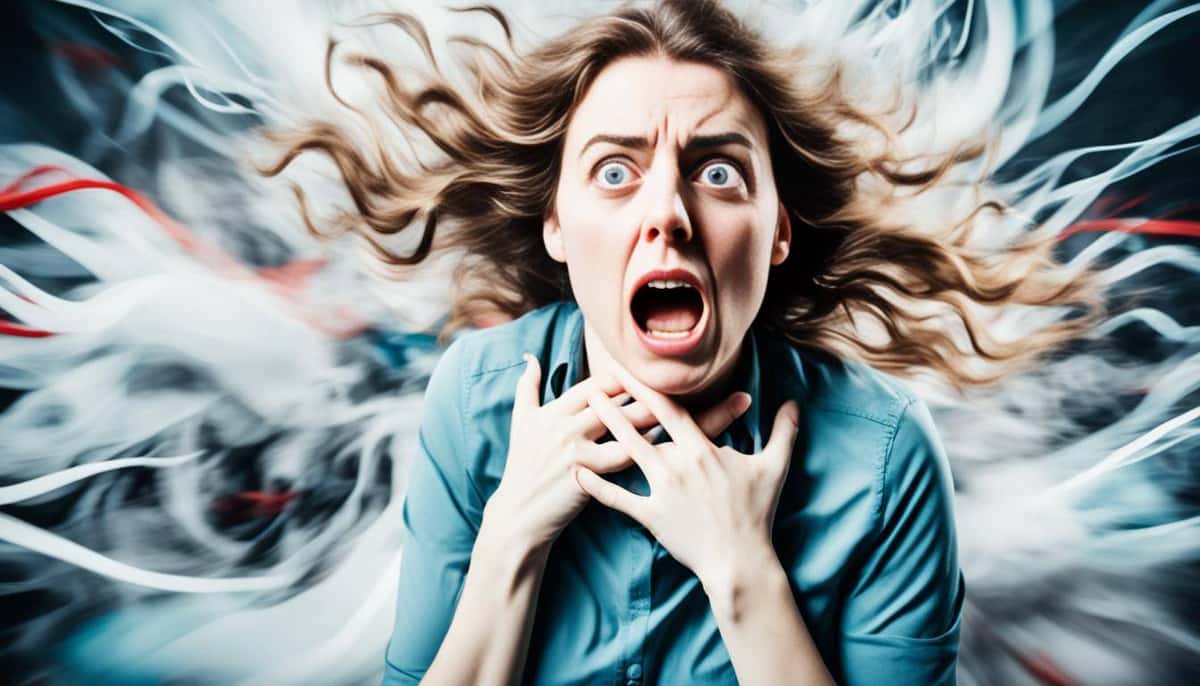
A panic attack is an episode of panic that can come on suddenly. It causes intense fear that reaches its peak within minutes. It's an anxiety disorder characterized by sudden attacks and a feeling of despair.
According to the World Health Organization (WHO), approximately 280 million people worldwide suffer from panic disorder. In Brazil, that number is 6 million.
Symptoms of a panic attack include tachycardia, shortness of breath, and chest pain. Often, these signs resemble a heart attack. This makes people wonder if they need medical help. <sup>4</sup>
Nearly 80% of people who experience panic attacks seek medical help within a year . The age at which the syndrome begins varies from 20 to 45 years. Women are more affected, which highlights the importance of taking better care of mental health.
When someone has a panic attack, they may feel lost or even on the verge of death. This increases anxiety and stress in daily life.
https://www.youtube.com/watch?v=IOl81CYe6FM
What are the symptoms of a panic attack?
The symptoms of a panic attack are very intense and can appear without warning. This causes great discomfort. People who experience this often feel palpitations, excessive sweating, and shortness of breath.
These symptoms are usually short-lived, peaking in about 10 to 15 minutes 5. During an attack, one may feel an overwhelming fear of dying or losing control. This is one of the main signs of a panic attack 6 .
It is very important to know how to identify a panic attack . The symptoms may seem temporary, but they greatly affect daily life. People who experience this may have attacks several times a day or at random times.
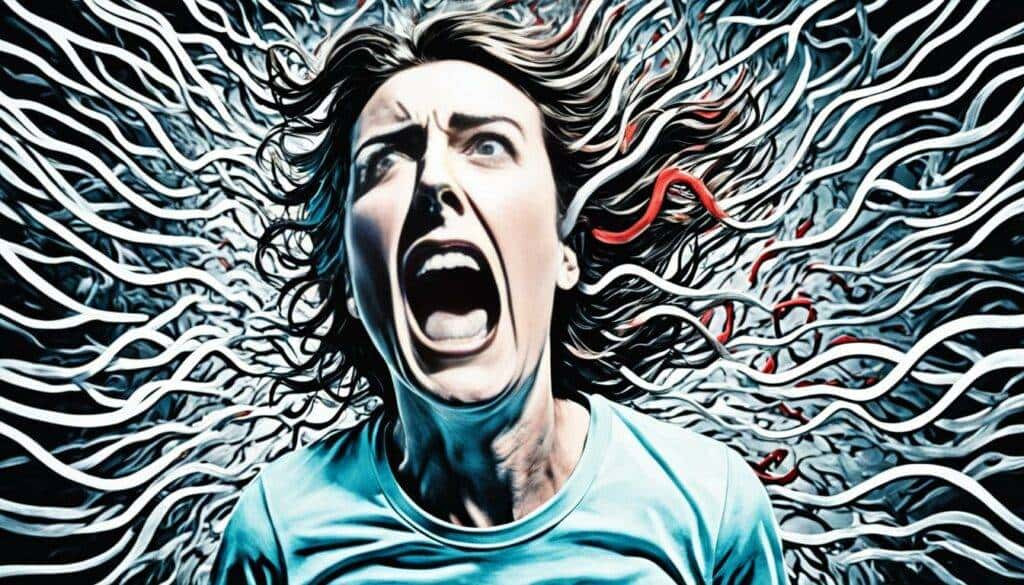
In addition to physical symptoms, panic attacks can bring strong emotions, such as fear and anxiety. This leads to avoidance of situations that could trigger further attacks. It's important to know that these symptoms are different from generalized anxiety. They are more intense and last for a shorter time.
| Symptom | Description |
|---|---|
| Palpitations | A sensation of rapid and intense heartbeats. |
| Excessive Sweating | Excessive sweating, even in cool environments. |
| Shortness of breathe | Feeling of suffocation or difficulty breathing. |
| Nausea | A feeling of stomach discomfort that can lead to vomiting. |
| Dizziness | The sensation of dizziness or loss of balance. |
| Panic | Intense and overwhelming fear, sometimes without apparent cause. |
Causes of panic attacks
Panic attacks have various causes and contributing factors. There is no consensus on what causes a panic attack. However, factors such as genetics, traumatic experiences, stress, and tension are considered.
Studies show that extreme stress can lead to panic attacks. Childhood trauma or impactful events, such as assaults, can be contributing factors. The duration of symptoms varies, generally from 15 to 30 minutes. The severity and frequency can change from person to person .
Approximately 4% of the world's population has panic disorder. This means about 280 million people.
Furthermore, factors such as social injustice and low self-esteem can worsen panic attacks. People with anxiety are more prone to having panic attacks. This disorder is more common among adults, especially between the ages of 25 and 40 .
https://www.youtube.com/watch?v=nfjObEfPnwU
Treatment for panic attacks
Treatment for panic attacks seeks methods that meet the needs of each patient. It includes medication and therapy, with cognitive behavioral therapy being particularly important. This therapy helps to reduce symptoms. <sup>11</sup>

Medications for panic attacks , such as antidepressants and benzodiazepines, are common. It is crucial to have follow-up care from mental health professionals. This is because the combination of therapies and medication varies according to the severity of the disorder. <sup>12</sup>
The first panic attack can occur without warning at any age. But it usually occurs in adolescence or early adulthood . People with panic attacks are at risk of developing agoraphobia and problems in their professional lives .
Foods and natural remedies, such as valerian and passionflower, can help. Relaxing practices, such as yoga and breathing techniques, are also beneficial.12 It is important to follow the treatment regularly to avoid relapses and control symptoms.11
How to identify a panic attack
To identify a panic attack, it is important to watch out for the warning signs of a panic attack . These signs include physical and emotional symptoms that arise suddenly and intensely. Panic disorder is an anxiety disorder that can greatly affect people's lives. <sup>14</sup>
When a panic attack occurs, the symptoms can be very intense. This can make it difficult to make simple decisions, such as knowing who to call for help .
https://www.youtube.com/watch?v=FxA745-surs
Common symptoms include sweating, tachycardia, and a feeling of depersonalization . People who have frequent attacks may feel incapacitated. This can affect daily life.
A psychiatrist can diagnose panic attacks. They will analyze the patient's history and the context of the attacks. <sup>14</sup>
Understanding the patterns that precede seizures helps to control them better. Support from family and help from professionals are essential to cope with the symptoms.15 A study shows that professional follow-up improves seizure control. This helps to live day-to-day with more calm.15
How to control a panic attack
Controlling a panic attack can be difficult, but there are coping techniques that can help. Learning to breathe deeply is an important step. This helps combat shortness of breath, which affects 50% to 60% of panic attacks. <sup>16</sup>
Other techniques for relieving a panic attack include moving away from the place where it started and finding a quiet place. Mindfulness is helpful as it calms the mind and controls symptoms. Using objects, such as a paper bag, can help regulate breathing and provide a sense of security.
Progressive muscle relaxation is also effective as it reduces fear and tension . Approximately 6 million people in Brazil experience panic attacks. Using breathing and relaxation techniques can be crucial for them.
Maintaining a confident body posture helps reduce stress and anxiety.18 Physical exercise, especially aerobic exercise, releases hormones that decrease anxiety. This can help prevent panic attacks and is important in coping techniques for such a crisis .

| Method | Description | Benefits |
|---|---|---|
| Diaphragmatic breathing | Focus on deep breathing to calm the body. | It reduces the feeling of shortness of breath and decreases anxiety. |
| Mindfulness | Mindfulness practices during crises | It improves the ability to cope with symptoms and reduces stress. |
| Progressive muscle relaxation | Relaxing muscle groups to relieve tension. | It helps control the fear associated with crises. |
| Body posture | Adopt a confident posture. | It increases confidence and reduces anxiety. |
| Physical exercises | Regular aerobic activities | It releases hormones that reduce anxiety. |
Panic attacks and anxiety: what is the connection?
Panic attacks and anxiety are closely linked. They create a cycle that can greatly affect us. Anxiety can trigger panic attacks.
When anxiety is constant, it can lead to frequent panic attacks. This causes people to avoid situations they find stressful. <sup>19</sup>
Panic attacks bring strong symptoms and can cause fear of losing control. Anxiety can make these episodes worse, increasing the worry about new attacks 20. This can lead to agoraphobia in some cases 21 .
Understanding the relationship between panic and anxiety is important for proper treatment. Seeking professional help helps to learn how anxiety triggers crises . It also helps to identify and cope with stress in life . Treatment should address both conditions to improve mental health.
https://www.youtube.com/watch?v=79T9NX0vhlg
How to help someone having a panic attack
Supporting someone experiencing a panic attack requires empathy and understanding. It is crucial to remain calm and speak in a reassuring manner. This helps create a safe and supportive environment. By offering emotional support, we can distract the person from symptoms such as shortness of breath and tremors. 22 23
Using simple techniques, such as controlling breathing, is very helpful. Encouraging the person to inhale through the nose and exhale through the mouth can be effective. It's also good to teach them to focus on the present, identifying five objects around them or counting from 1 to 5.
After a crisis, it's important to encourage professional treatment. Often, crises can recur. For those who experience frequent crises, support groups can be a great option. Research indicates that many people may experience a panic attack. Those who have lived through traumatic experiences may be more prone to these episodes. <sup>23</sup>
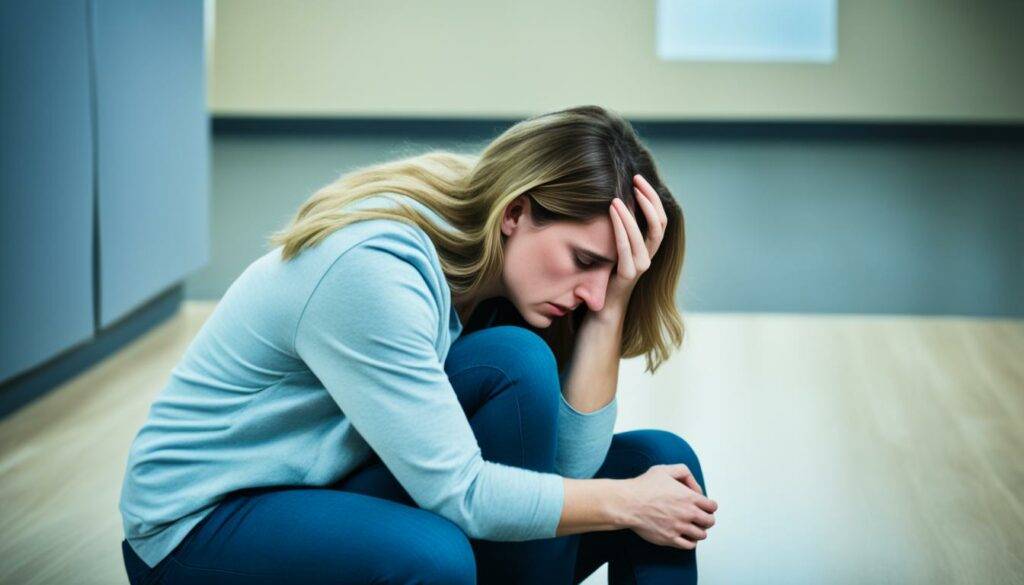
Conclusion
A panic attack is a difficult experience that affects the emotional well-being and life of those who experience it. It is important to understand panic, as it affects 1% of the population in Brazil and up to 3% in developed countries. This occurs more frequently in women and young adults 24 25 .
When we recognize the symptoms and causes, we can better cope with these difficult times. Offering emotional support and using treatments such as therapy and antidepressants helps in recovery. This also reduces the impact on work and society 24 25 .
It is vital to seek knowledge and resources about panic. This creates an environment of empathy and support. In this way, we fight panic together, building a better future for all.
FAQ
What is a panic attack?
A panic attack is a sudden onset of fear or discomfort. It lasts a few minutes and brings strong physical and emotional symptoms.
What are the symptoms of a panic attack?
Symptoms include palpitations, sweating, tremors, shortness of breath, and nausea. Dizziness, chest pain, chills, and an intense fear of dying may also occur.
How can I tell if I'm having a panic attack?
Recognizing a panic attack is easy. It's when intense physical and emotional symptoms appear suddenly. Seek professional help for an accurate diagnosis.
What are the causes of a panic attack?
The causes can be genetic, trauma, stress, accumulated tension, and conditions such as anxiety and depression. Often, there is no clear trigger.
How is a panic attack treated?
Treatment combines medication, such as antidepressants and anti-anxiety drugs, with therapy. Cognitive behavioral therapy (CBT) is very effective.
What techniques can I use to control a panic attack?
Techniques such as deep breathing, using a paper bag, and mindfulness can help. They help control the symptoms.
Is there a link between panic attacks and anxiety?
Yes, anxiety can trigger panic attacks. Panic attacks can increase anxiety, creating a cycle.
How can I help someone having a panic attack?
To help, stay calm, create a safe environment, and speak softly. Encourage the use of breathing techniques.
Is it normal to have panic attacks? How many people are affected?
Yes, it's common. About 90% of the population may experience a panic attack in their lifetime. But not all are diagnosed.
What to do after a panic attack?
After the crisis, seek psychological help and talk about what happened. This helps you better understand what caused the crisis.
🌟 Have you considered seeking a therapist to support your well-being journey?
If this article sparked reflections about positive changes in your life, perhaps now is the ideal time to take the next step. Do you know hypnosis as a therapeutic tool? This approach can be surprisingly effective for various personal challenges.
Special offer: Book a free 20-minute consultation with therapist Fabio Morus and discover how therapy can transform your life.
✨ No commitment — Completely free — 20 minutes that can make a difference
👉 Click here to book your free consultation
Don't postpone your well-being any longer. The first step to change is just one click away.