
Did you know that an irrational fear of dogs can change your life? Many people are afraid of dogs, and this affects their daily lives. This situation can be very difficult, but it is possible to overcome it.
We'll share practical tips for those who are afraid of dogs. We'll talk about how to seek psychological help. This way, you can feel more at ease around these animals.
Understanding the Irrational Fear of Dogs
Irrational fear of dogs is a condition that affects both humans and animals. It's essential to understand its causes and differences from other emotional reactions. Let's see what this phobia is and what factors are involved.
What is it and what are its causes?
Dog phobia causes people to overreact to dogs. This can cause discomfort and even paralysis. Causes of fear of dogs include traumatic experiences, such as bites.
A family environment that doesn't encourage interaction with dogs can also contribute. This, along with negative interventions, helps to create this irrational fear.
Differences between fear and phobia
It's important to know the difference between fear and phobia. Fear is a natural response to a threat. A phobia, on the other hand, is a disproportionate and uncontrollable reaction.
Many people don't know why they have this irrational fear of dogs . This makes the situation even more difficult.
How fear manifests itself in dogs
In the case of dogs, fear manifests itself in various ways. Trembling, excessive vocalization, and attempts to hide are common signs. These signs indicate the animal's insecurity and need for help.
Common Signs of Fear in Dogs
It's very important to know the symptoms of fear in dogs in order to take good care of them. Observing your dog's behavior helps a lot. This allows you to act quickly and correctly.
Behaviors to observe in your dog
Dogs can show fear in many ways. Here are some examples:
- Hiding in enclosed spaces or under furniture.
- Tremors or excessive agitation.
- Vocalizations such as loud barking or crying.
- They flee in situations that make them nervous.
Body language that indicates fear.
Canine body language is very expressive. Clear signs of fear include:
- Ears that are set back, often pressed against the head.
- Tail low or between the hind legs.
- Trembling paws or inactivity.
- Eyes wide open with dilated pupils.
Changes in the animal's routine
Changes in a dog's daily behavior can reveal its emotional state. Watch out for these signs:
- Refusal to eat or drink.
- Less interest in activities that used to be enjoyable.
- Excessive barking or acting more protectively.
- Lack of interest in going for walks, trying not to leave the house.
The Impact of Irrational Fear on a Dog's Life
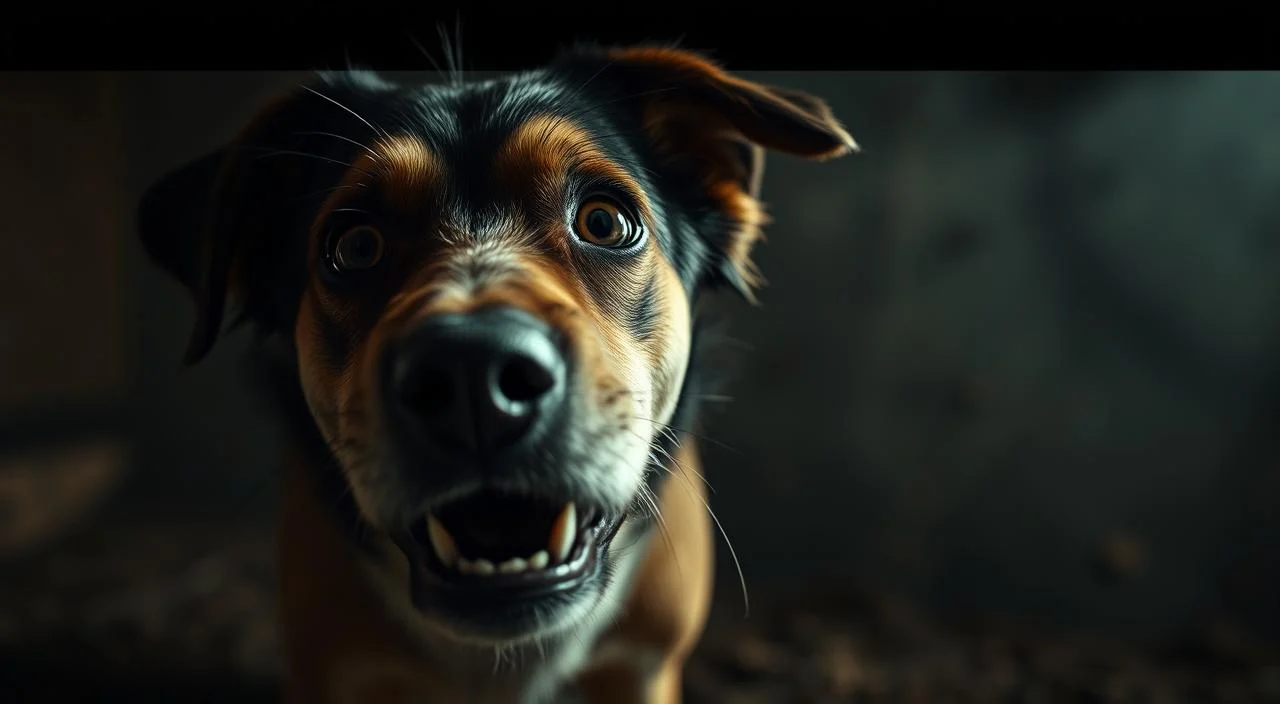
Irrational fear greatly affects the lives of dogs. It causes an emotional impact of fear in dogs that manifests itself in various ways. It is very important to take care of the emotional well-being of animals. Otherwise, it can cause serious and lasting problems.
Effects on emotional well-being
Dogs that are constantly afraid experience stress and anxiety. These feelings affect their behavior and disposition. A distressed dog may become depressed, isolate itself, and lose its appetite, impacting its life.
Consequences for socialization
The consequences of canine phobia include difficulty socializing. Dogs with this phobia shy away from other dogs and people. This hinders their development and social interactions, creating a cycle of fear and loneliness.
Implications for physical health
The stress of irrational fear can cause health problems. This includes heart and gastrointestinal diseases. The dog's body reacts to fear by releasing hormones that can be damaging. Therefore, it is crucial to address fear for the animal's physical health.
Identifying the Source of Fear
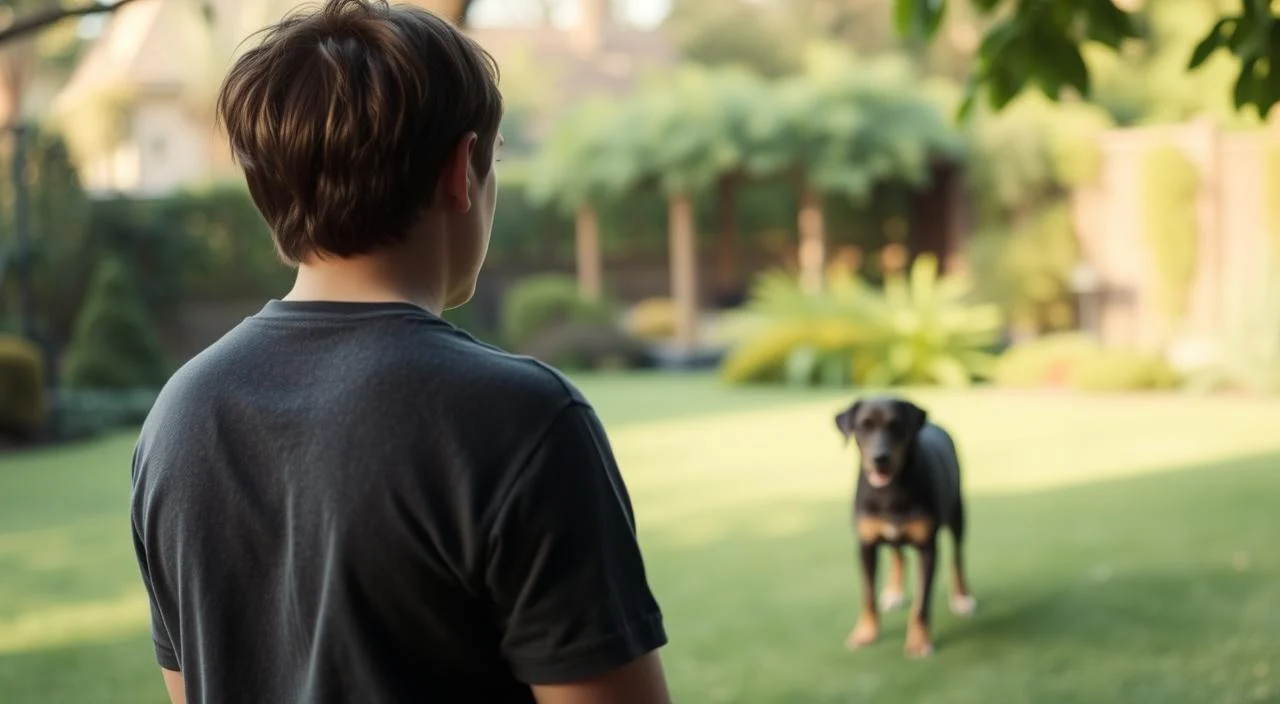
Discovering what triggers fear in dogs is very important. Fear can stem from traumatic experiences or negative things the dog has seen before. Knowing how to identify the sources of fear in dogs helps owners create a safe environment for them.
Common situations that generate fear.
Dogs can be afraid for various reasons. For example:
- Being attacked by another dog.
- Bad experiences in new or noisy places.
- Not having been socialized well as a puppy.
How to notice patterns in behavior
It's essential to observe how the dog behaves. Each dog has different things that make them afraid. See if the dog:
- Reacts badly to certain sounds (like fireworks).
- He is afraid of new people or animals.
- Change your behavior in places you already know.
Veterinary and behavioral assessments
Speaking with a veterinarian or behavioral specialist is very important. They can help you understand what is causing your dog's fear. They can also find out if there are any health problems causing the dog to be afraid. This way, a treatment plan can be developed to help the dog overcome its fear.
Coping Strategies
Overcoming the fear of dogs is a great challenge. Using coping techniques for phobias helps a lot. These techniques are effective and make the dog feel safe.
Gradual desensitization
Gradual desensitization is an effective strategy. It involves showing the dog what it is afraid of, but in a controlled manner. It starts with easy things and gradually increases the difficulty.
This helps the dog to see fear in a different way. It begins to associate fear with good things.
Use of positive reinforcement
Positive reinforcement is very powerful. When a dog does something good, like staying calm, it is rewarded. This can be with praise, treats, or affection.
This practice makes the dog feel safer. He begins to see situations that previously frightened him in a different light.
The importance of a safe environment.
Having a safe environment is essential. This helps the dog feel protected and comfortable, allowing it to face its phobias with less stress.
A safe environment is very important for treating fear of dogs . It also helps build the dog's self-esteem.
How to Deal with Fear Attacks
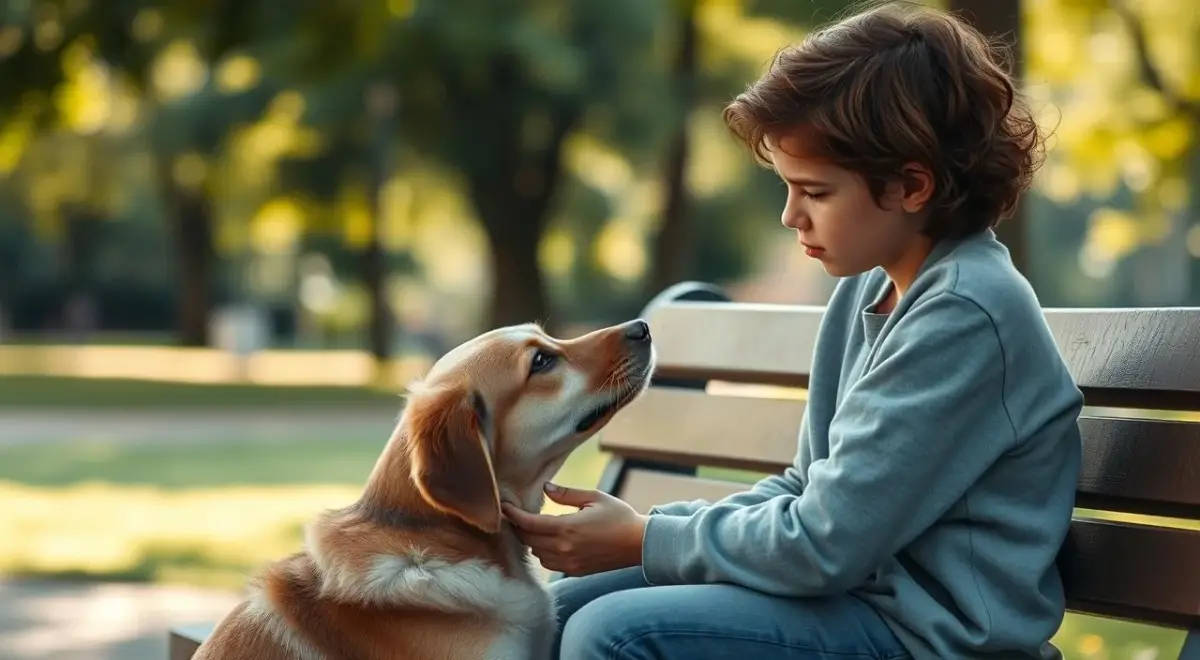
Dealing with fear attacks in dogs is a challenge. It's crucial to use immediate calming techniques. They create a safe environment for your dog.
Immediate calming techniques
Breathing deeply next to your dog helps a lot. Offering a favorite toy or treat is also effective. This distracts the dog and reduces anxiety.
The role of training
Teaching basic commands increases a dog's confidence. Consistent training helps manage fear. Positive reinforcement creates a safe learning environment.
Seeking professional help
If the fear doesn't subside, seek help. A veterinarian or animal behavior specialist can help. They may suggest therapy or medication for your dog's anxiety.
The Role of Socialization
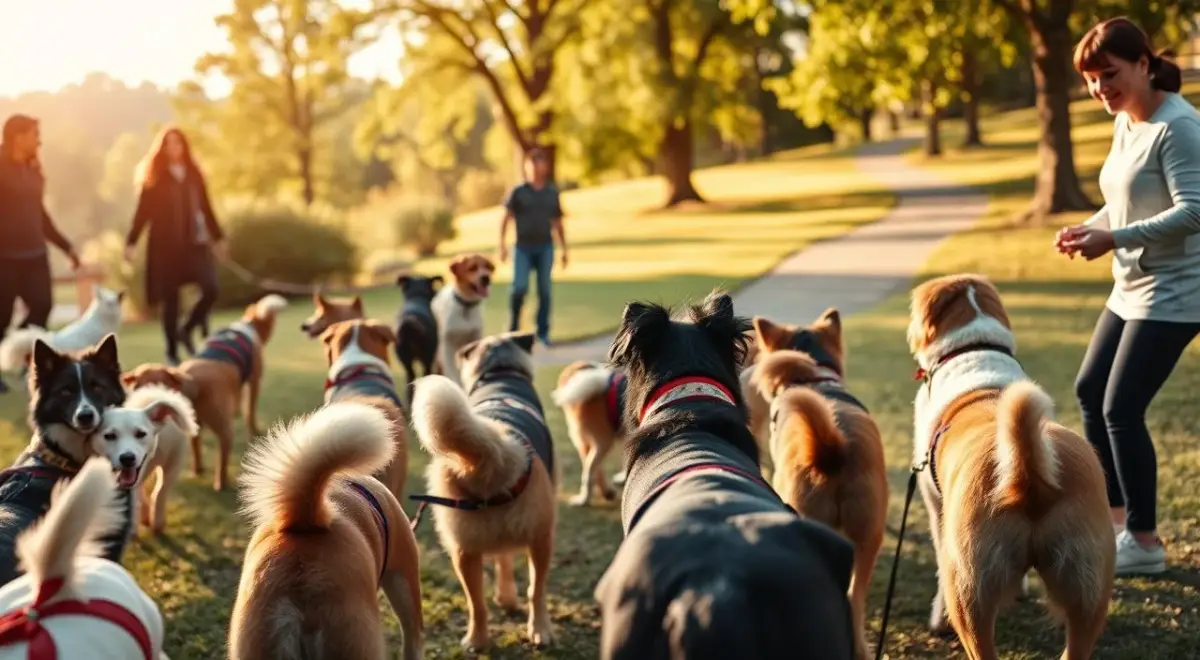
Socializing dogs is very important for their well-being. Starting early greatly helps with behavior and adaptation. Let's see when to start and what activities are good for socialization.
When to start socialization
Socialization begins between 3 and 14 weeks of age. This is the phase in which puppies learn the fastest. Exposing dogs to new things at this age increases their confidence and helps with their adult behavior.
Effective activities for socializing
- Walks in parks and squares with scheduled visits to other dogs.
- Participation in socialization classes led by professionals.
- Exposure to different environments, such as coffee shops or pet stores.
Benefits of interacting with other dogs
Interacting with other dogs is essential for social learning. This helps develop communication skills. It also reduces fears and anxieties, improving emotional well-being.
| Age | Recommended activities | Benefits |
|---|---|---|
| 3-14 weeks | Walks in parks, meetings with other dogs | It increases confidence and reduces fears. |
| 14 weeks - 6 months | Obedience classes, group socialization | Develops social skills and impulse control. |
| 6 months - 2 years | Exposure to different environments, regular walks | It promotes adaptability and safety in new situations. |
Useful Tools and Resources

There are several tools to help treat irrational fear of dogs. It's crucial to be informed and use helpful materials. Here, we'll look at some useful options for owners and their dogs.
Recommended guides and books
Recommended books on canine phobias are very important. They help to better understand what the animal needs emotionally. "The Dog and Its Behavior" and "The King of Territory" are examples of books that offer tips and strategies.
These books can help create an effective action plan for treating fear.
Dog training apps
With technology, many training apps have been created. Tools like "Dogo" and "Pupford" offer tips and videos. They help with training and strengthen the bond between the owner and the animal.
Communities and support groups
Participating in online communities is a great way to seek support. Groups on social media, such as Facebook, bring together people with similar experiences. This exchange offers help, motivation, and encouragement.
Connecting with others who face similar challenges is essential to overcoming irrational fear.
Consulting Experts

Seeking professional help is essential for dogs with irrational fear. Veterinary assistance is important when a dog's behavior affects its well-being. They can uncover health problems that are causing the anxiety.
When to see a veterinarian
It's crucial to know when your dog needs help. If fear is affecting your pet's daily life, it's time to seek help. Veterinarians can help identify health problems and provide guidance on how to deal with fear.
What to expect from a behavioral specialist
A dog behavior specialist conducts a detailed assessment. They create a personalized intervention plan. Therapies such as cognitive behavioral therapy can help change your dog's behavior.
Alternative therapies: do they work?
Some people wonder about alternative therapies. Acupuncture, for example, can help. But it's important to see these therapies as complements, not substitutes, for conventional treatments. Always talk to a veterinarian before trying new therapies.
The Impact of the Family Environment
The family environment is very important for a dog. Interaction with the family can either help or worsen a dog's fear. A welcoming home aids in socialization and brings peace to the animal.
The role of family members
Each person in the family influences the dog. Children, adults, and other pets should be taught to be gentle. The family's impact on fear of dogs is significant, as aggressive behavior increases fear.
Creating a stable routine
A consistent routine makes a dog feel secure. Fixed times for eating, playing, and walking help a lot. This helps the dog calm down and adapt better, reducing anxiety.
The importance of patience and empathy.
Patience and empathy are essential for a safe dog. It's important to listen and see how the dog reacts. Talking about how to help the dog within the family can make a big difference. The emotional support of the family helps a lot during these times.
Physical Exercise as an Ally
Physical exercise is very helpful for dogs with fears. It's good for both their physical and emotional health. Walking, for example, helps reduce tension and confront fears.
Benefits of regular physical activity
Physical activity releases endorphins, which reduce anxiety. These hormones make the dog feel better. Walking, for example, improves health and helps with social interaction.
Activities that help relieve anxiety.
There are several activities that help reduce anxiety in dogs. Some of them are:
- Hiking trails with new experiences;
- Games with balls and frisbees;
- Obedience games, which stimulate the mind and offer interaction;
- Water activities, such as swimming, are relaxing and fun.
How to create an exercise routine
To create an exercise routine for your dog, you need to plan. It's important to respect the animal's limits and choose times that suit its rhythm. A weekly routine could be:
| Day | Activity | Duration |
|---|---|---|
| Second | A walk in the park | 30 minutes |
| Fourth | Playing in the garden | 40 minutes |
| Friday | Obedience training | 20 minutes |
| Saturday | Water activities | 30 minutes |
Having a routine that takes your dog's preferences into account helps a lot. This makes exercise a powerful tool in overcoming fear.
Improving the Connection with Your Dog
Many owners want more connection with their dogs. This greatly helps with co-existence. Let's see how to create special moments, understand what the dog needs, and communicate with him effectively.
Quality time together
Spending quality time with your dog strengthens the bond. Walks, games, and relaxation are great. These moments are fun and create happy memories.
Understanding your pet's needs
It's essential to know and meet your dog's needs. This includes food, health, exercise, and affection. By observing their behavior, you understand what they need to feel safe and loved.
Effective communication between owner and dog
Effective communication goes beyond commands. It's important to be clear and consistent. This builds trust, allowing the dog to feel safe to express its feelings.
Staying Calm in Challenging Situations
In stressful situations, it's essential to stay calm. Emotional control helps both the person and the dog. Practicing calming techniques improves our reaction and that of our pet.
Techniques for the owner
Deep breathing and positive visualization are very effective. Closing your eyes and breathing deeply helps you feel calm. Preparing for stressful situations is also important. Here are some tips:
- Practice diaphragmatic breathing: inhale deeply through your nose, hold for a few seconds, and exhale slowly through your mouth.
- Visualize a calm and positive scenario before entering into stressful situations.
- Establish a routine for potentially challenging situations, such as walks in crowded parks.
The importance of emotional control.
Emotional control improves the well-being of both. When the owner is calm, the dog also feels more relaxed. Understanding your feelings strengthens the bond between you.
Strategies for avoiding crises
Creating a calm environment is crucial. Avoiding stressful stimuli, such as loud noises, helps a lot. Here are some tips:
- Use soft music or relaxing sounds to calm the environment.
- To provide a safe space where the dog can take refuge during moments of anxiety.
- Regulate exposure to stimuli and allow the dog to adapt to new experiences gradually.
Success Stories
Stories of overcoming fear of dogs demonstrate the power of love and dedication. They tell how owners change their dogs' lives. These cases are inspiring, showing that persistence can change a dog's life.
Inspiring stories of overcoming adversity.
A dog overcame his fear of large structures over time. He learned not to fear trucks and buses. This process improved his confidence and strengthened his bond with his owner.
The role of love and commitment
The dedication of the owners is what makes the difference. With patience and affection, many dogs have overcome great fears. This love motivates owners to continue seeking solutions.
Lessons learned from real-life situations
These stories show that change is possible. They teach the importance of a safe environment and constant support. These cases inspire other pet owners to help their dogs, showing that overcoming challenges is possible.
Prevent Irrational Fear in Puppies
Preventing fear in puppies is essential for their healthy development. Early socialization should be a priority. This allows the puppy to experience diverse situations and different environments.
This phase of a dog's life is crucial. It shapes its future behavior and its ability to cope with new situations.
The importance of early socialization.
Early socialization involves exposing the puppy to a variety of stimuli. This includes people, other animals, and different environments. This practice helps build a solid foundation.
It allows the dog to become more confident and balanced. Reinforcing positive interactions is fundamental. This helps to avoid the fear that can arise from negative experiences.
Preparing your puppy for the world
Introducing your puppy to the world gradually and safely is vital. Positive approaches, such as encouraging them in new situations with rewards, create beneficial associations. Experiences should be pleasant.
This ensures the puppy feels protected and comfortable. This will minimize the risk of excessive fears in the future.
Avoiding trauma and negative experiences
It's important to monitor the experiences your puppy goes through. Avoiding situations that could cause trauma is essential. Preventing fear in puppies requires attention and sensitivity.
Ensuring that every interaction is a learning opportunity helps. This provides a safe environment. It strengthens the bond between the dog and its owner.
Conclusion: A Path to Overcoming
Overcoming the fear of dogs is a big challenge. But with firmness and patience, it's possible. The owner plays a very important role in this journey.
Steadfastness and patience: keys to success.
Firmness and patience are essential to overcome fear. It is necessary to repeat practices and create a safe environment for the dog.
The importance of the joint journey.
This journey must be taken together. In this way, dog and owner grow stronger. Creating positive moments is crucial for a happy future.
Promoting a positive future for your dog.
A supportive and loving environment helps dogs overcome their fears. With dedication, results will appear. The future is promising.
🌟 Have you considered seeking a therapist to support your well-being journey?
If this article sparked reflections about positive changes in your life, perhaps now is the ideal time to take the next step. Do you know hypnosis as a therapeutic tool? This approach can be surprisingly effective for various personal challenges.
Special offer: Book a free 20-minute consultation with therapist Fabio Morus and discover how therapy can transform your life.
✨ No commitment — Completely free — 20 minutes that can make a difference
👉 Click here to book your free consultation
Don't postpone your well-being any longer. The first step to change is just one click away.