

Introduction:
Have you ever felt your heart race, your thoughts race, or difficulty relaxing, even without a clear reason? These can be the first signs of the onset of anxiety . Often, anxiety begins subtly, but it can grow rapidly if left unidentified and untreated. The good news is that recognizing these symptoms early can make all the difference! In this article, you will learn to identify the initial signs, the most common causes, and, most importantly, practical strategies for dealing with them. Let's take care of your mental health together!
What is anxiety and how does it initially manifest itself?
Anxiety is the body's response to situations we perceive as threatening. It activates the body's alert system, preparing us to react to challenges. To a certain extent, anxiety is healthy and necessary for our survival. However, the problem begins when this reaction becomes excessive or constant, even in situations where there is no real danger.
Early signs of anxiety include:
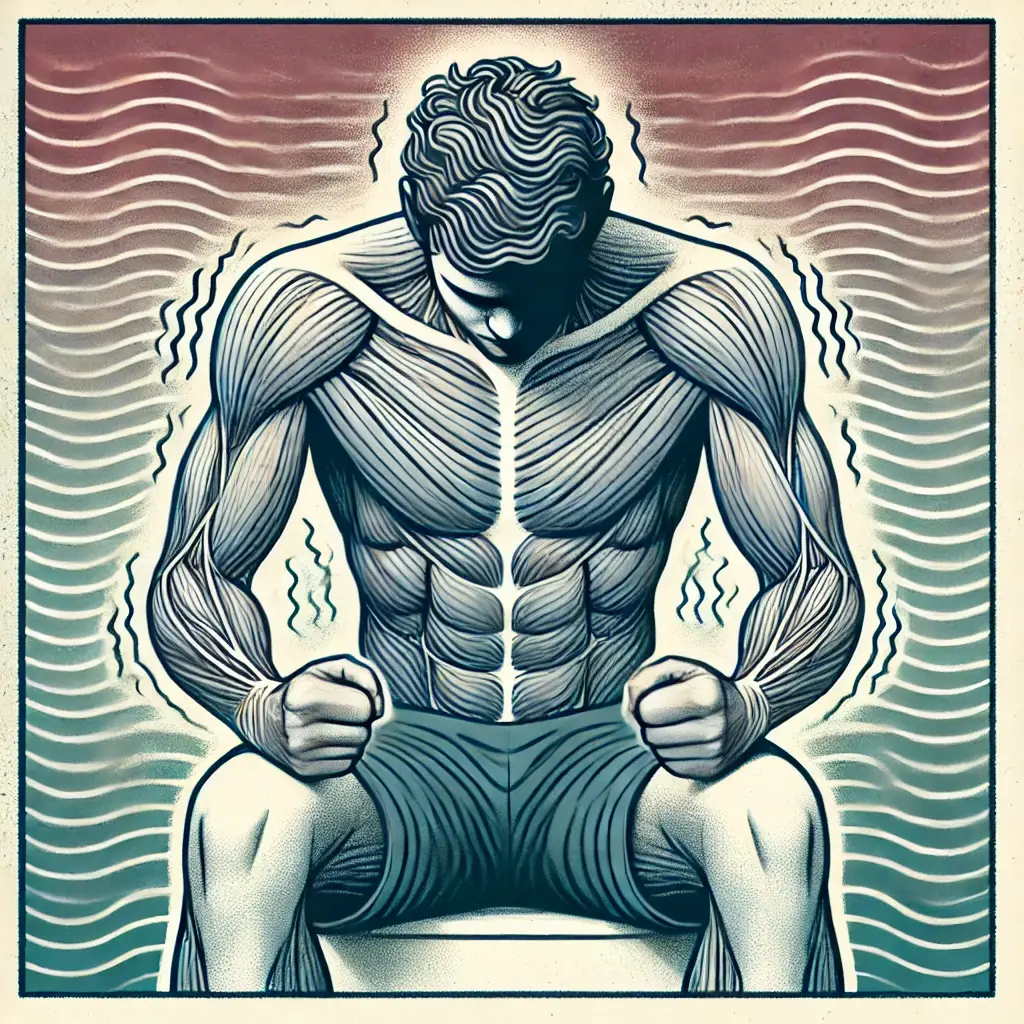
- Muscle tension : A feeling of stiffness in the body, as if you were always "ready to act".
- Palpitations : Your heart beats faster, even when you are at rest.
- Racing thoughts : The mind seems unable to switch off, repeatedly reviewing problems.
- Restlessness : Feeling unable to relax, as if something bad is about to happen.
Recognizing these signs is the first step in preventing anxiety from worsening. Often, the symptoms begin subtly, such as difficulty sleeping or constant irritability.
What are the warning signs of the onset of anxiety?
The onset of anxiety can be easy to ignore, as its initial symptoms may seem common. However, paying attention to the following signs can help identify the problem early:
- Changes in sleep patterns : Difficulty falling asleep or restless sleep are frequent indicators.
- Difficulty concentrating : Simple tasks seem to require much greater mental effort.
- Chest tightness : A physical sensation of discomfort, as if there is not enough air.
- Excessive worry : Even small issues can cause a disproportionate level of stress.
- Constant state of alert : The mind is always searching for potential "threats".
These signs may seem isolated at first, but they become cumulative over time. Untreated anxiety can lead to more intense crises, such as panic attacks.
What can trigger the onset of anxiety?
The causes of anxiety can vary from person to person. Among the most common are:
- Stressful experiences : Significant changes, such as job loss, relationship breakups, or financial problems, are major triggers.
- Constant pressure : Excessive responsibilities at work, in studies, or in personal life can trigger the symptoms.
- Biological factors : A family history of anxiety disorders increases predisposition.
- Substance abuse : Excessive consumption of caffeine, alcohol, or recreational drugs can intensify anxiety.
- Hormonal changes : Situations such as pregnancy, menopause, or thyroid disorders can contribute to the onset of symptoms.
Knowing these causes can help you identify what is triggering your anxiety and take preventative measures.
How can we deal with the onset of anxiety in a practical way?
Adopting practical strategies in daily life can make a big difference in managing the onset of anxiety. Here are some tips:
- Deep breathing : Practice slow, deep breaths. Inhale through your nose counting to four, hold your breath for four seconds, and exhale slowly through your mouth.
- Meditation and mindfulness : Set aside five minutes each day to focus on your breathing or observe your thoughts without judging them.
- Physical activity : Exercise, such as walking or yoga, helps release endorphins, improving mood.
- Balanced diet : Consume foods rich in tryptophan (such as bananas and oats), which help in the production of serotonin, the feel-good hormone.
- Digital disconnection : Take breaks from social media and avoid constantly checking negative news.
These practices don't eliminate anxiety, but they help manage its initial effects and reduce the intensity of symptoms.
When should you seek professional help?
If the symptoms of early anxiety persist or interfere with your daily life, it's time to seek professional help. A psychologist can help you understand your emotions and develop personalized strategies for coping with anxiety.
Cognitive behavioral therapy (CBT) is a highly effective approach for treating anxiety, helping you identify thought patterns that fuel the problem. In more severe cases, a psychiatrist may recommend medication.
Seeking help is not a sign of weakness, but an act of courage and self-care. The sooner you take this step, the greater the chances of preventing anxiety from worsening.
Conclusion
The onset of anxiety can be subtle, but identifying the signs early is essential to prevent it from taking over your life. Small changes in routine, such as exercise, breathing exercises, and self-care, can make a big difference. However, don't hesitate to seek professional help if you feel the symptoms are getting out of control. Your mental health is a priority, and taking care of it is an act of self-love.
Simple Practices to Reduce Anxiety
- Conscious breathing: Inhale counting to 4, hold for 4, and exhale for 4. It's magic!
- Physical exercise: Get moving! Walking or yoga can help relieve tension.
- Digital disconnection: How about taking a break from social media and focusing on the present?
- Establish a routine: Organizing your day reduces that feeling of chaos.
- Seeking help: Therapy is a compass to finding balance.
Why is Seeking a Therapist Important?
It's like having a guide on an unfamiliar trail. A therapist can help you better understand your feelings, find practical solutions, and develop a more balanced life. Asking for help is not a sign of weakness; on the contrary, it's an act of courage and self-care.
Sometimes, dealing with anxiety alone feels like a labyrinth with no way out. A therapist can be the guide you need to transform the burden into learning and reclaim the lightness of living. It's not a sign of weakness, it's an act of courage and self-care.
A Path to Inner Peace
Learning to control your anxiety is possible, and you deserve that peace.
Start taking care of your mental health now and discover a new way of living.
Click here to schedule a free 20-minute session with Fabio Morus Therapist .
🌟 Have you considered seeking a therapist to support your well-being journey?
If this article sparked reflections about positive changes in your life, perhaps now is the ideal time to take the next step. Do you know hypnosis as a therapeutic tool? This approach can be surprisingly effective for various personal challenges.
Special offer: Book a free 20-minute consultation with therapist Fabio Morus and discover how therapy can transform your life.
✨ No commitment — Completely free — 20 minutes that can make a difference
👉 Click here to book your free consultation
Don't postpone your well-being any longer. The first step to change is just one click away.