
Nosophobia is an excessive fear of illness. This can make daily life very difficult. Every small health problem becomes a big problem.
This fear can greatly affect the life of the person who has it. And it can also harm relationships with the people around them. If you or someone you love has this fear, you are not alone.
Understanding the causes and seeking help is the first step. In this way, it's possible to overcome this fear and find peace again.
What is nosophobia?
https://www.youtube.com/watch?v=9Fe4twbyByM
Nosophobia is an anxiety disorder. It causes people to have an intense fear of becoming ill. This fear can arise even without signs of illness.
People with nosophobia are very concerned about their health. They imagine they are ill, even without proof. This causes them to worry excessively about their health.
Definition and characteristics
People with nosophobia are always thinking about health. They research diseases extensively. This can be excessive.
People with nosophobia tend to avoid places with hospitals or sick people. This avoidance can affect their lives. They may feel unwell emotionally.
Common signs and symptoms
Those who suffer from nosophobia may experience tachycardia, sweating, and shortness of breath. These symptoms can appear at specific times, for example, when hearing news about illnesses.
This emotional reaction shows the impact of anxiety on health. It's important to recognize these signs so that help can be sought and the condition can be prevented from worsening.
Causes of nosophobia
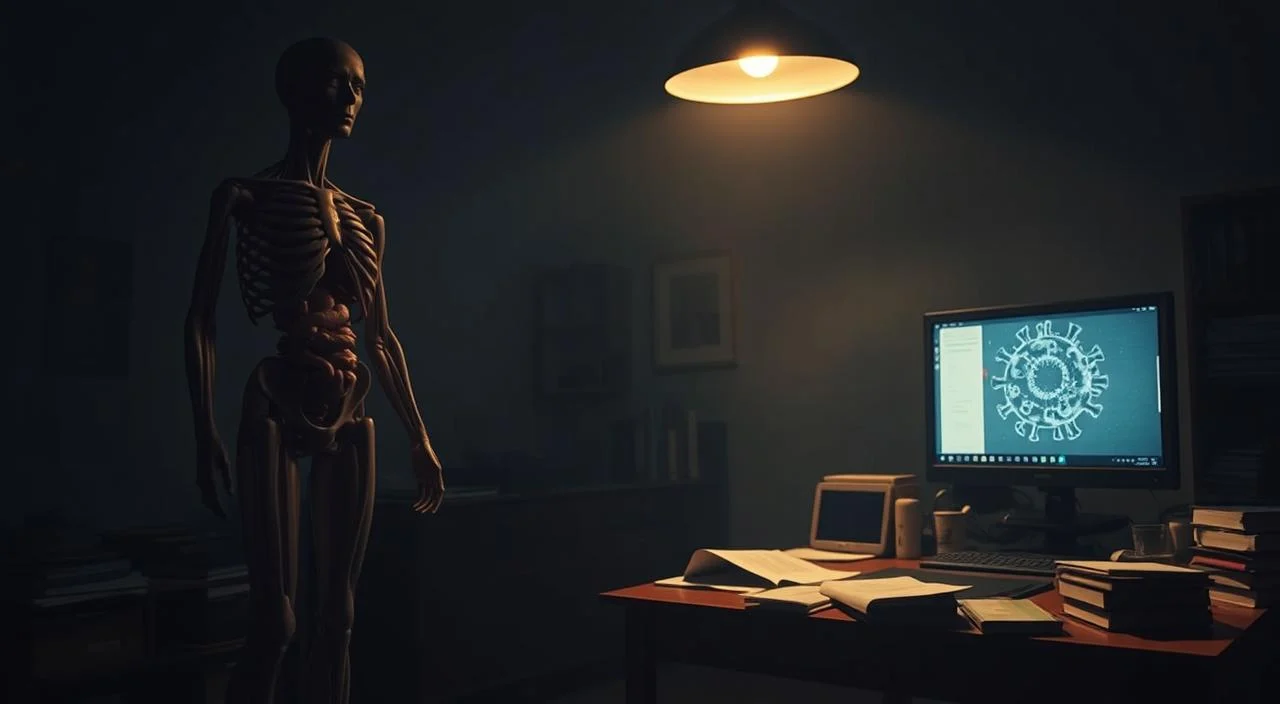
Nosophobia is an intense fear of having illnesses. Genetic factors are very important. If your family has anxiety disorders , you may be more likely to have nosophobia.
Traumatic experiences are also a factor. For example, if someone very dear to you died of an illness. This can make you more afraid of illness .
Genetic factors
Studies show that nosophobia can be hereditary. If your relatives have anxiety disorders , you may be more likely to have nosophobia. This is because the brain processes fear differently.
Traumatic experiences
Traumatic experiences, especially those involving illness, can cause nosophobia. The emotional pain of losing someone can create a constant fear of illness. This creates a cycle of worry.
Impact of media and social networks
Social media has a major impact on health. It spreads information about diseases. This can increase the fear of illness .
This information, sometimes exaggerated, can cause more anxiety. This makes people more susceptible to nosophobia.
How nosophobia manifests itself

Nosophobia causes people to feel intense fear. They often avoid situations they perceive as dangerous. This can include avoiding doctor visits or changing their daily routine to avoid thinking about illnesses.
This constant fear can make their lives much worse.
Avoidant behaviors
People with nosophobia often avoid places that remind them of illnesses. They think this protects them. But, in the end, it only makes the fear grow.
This leads to more isolation and worsens the situation.
Emotional responses
Emotions are also very important in nosophobia. Anguish and panic are common when thinking about illnesses. These feelings are far too strong for what actually happens.
This makes people constantly alert and worried. They not only feel bad, but also have problems in their relationships and daily lives.
The importance of recognizing nosophobia.

Understanding nosophobia is crucial to seeing how it affects someone's life. It can change a lot, from the things we do every day to how we interact with other people. Often, anxiety prevents a person from doing simple things.
When we recognize this problem, we can help those who are suffering. They can then seek help and treatment.
Impact on daily life
Nosophobia can severely limit what we do every day. Simple things, like going to the supermarket, become major challenges. The impact of nosophobia on daily life is serious and needs to be addressed.
Often, people avoid situations that could bring happiness.
Effects on interpersonal relationships
The anxiety associated with nosophobia can greatly affect relationships with friends and family. They may feel distant or not understand what is happening. This can lead the person to feel alone.
The social effects of anxiety can create tension. This causes the person to withdraw from social activities and from loved ones. This situation harms not only the person but also those who care about them.
| Aspect | Impact on Daily Life | Effects on Interpersonal Relationships |
|---|---|---|
| Daily Activities | Difficulty in performing simple tasks | Isolation and distancing |
| Socialization | Avoiding commitments | Communication problems with friends |
| Emotional Well-being | Increased anxiety and stress | Family and social tensions |
Diagnosis of nosophobia

To diagnose nosophobia, the attention of mental health professionals is crucial. Correctly identifying the condition is important, as it helps treat the symptoms appropriately.
A detailed process of psychological assessment and clinical interview is essential. They help to better understand the patient's emotional state.
Psychological assessment
Psychological assessment is a key step in diagnosis. It may include questionnaires and tests. This helps to gather data about the symptoms and severity of the condition.
Communication between therapist and patient is fundamental. It helps to create an effective treatment plan.
Clinical interview
In the clinical interview , the therapist explores the patient's fears. This dialogue is a safe space to express feelings and experiences. It is essential for understanding the thoughts and behaviors associated with nosophobia.
The interview also helps to identify specific triggers and to create appropriate coping strategies .
Available treatments

Treatment for nosophobia greatly helps those who suffer from it. It allows them to live better lives, without constant anxiety. Cognitive-behavioral therapy is very effective in this regard.
Cognitive-behavioral therapy (CBT)
Cognitive behavioral therapy helps change negative thoughts about health. It allows people to confront anxiety gradually. This greatly helps in changing how they view illness.
It's a team effort. The therapist helps the patient understand their beliefs. They work together to find ways to cope with anxiety.
Medications
In some cases, medication is essential to control the anxiety of nosophobia. Medications such as anxiolytics and antidepressants help to reduce negative emotions. They also help therapy to work better.
Using medication and cognitive behavioral therapy together is very effective. It brings lasting relief to many patients.
Coping strategies
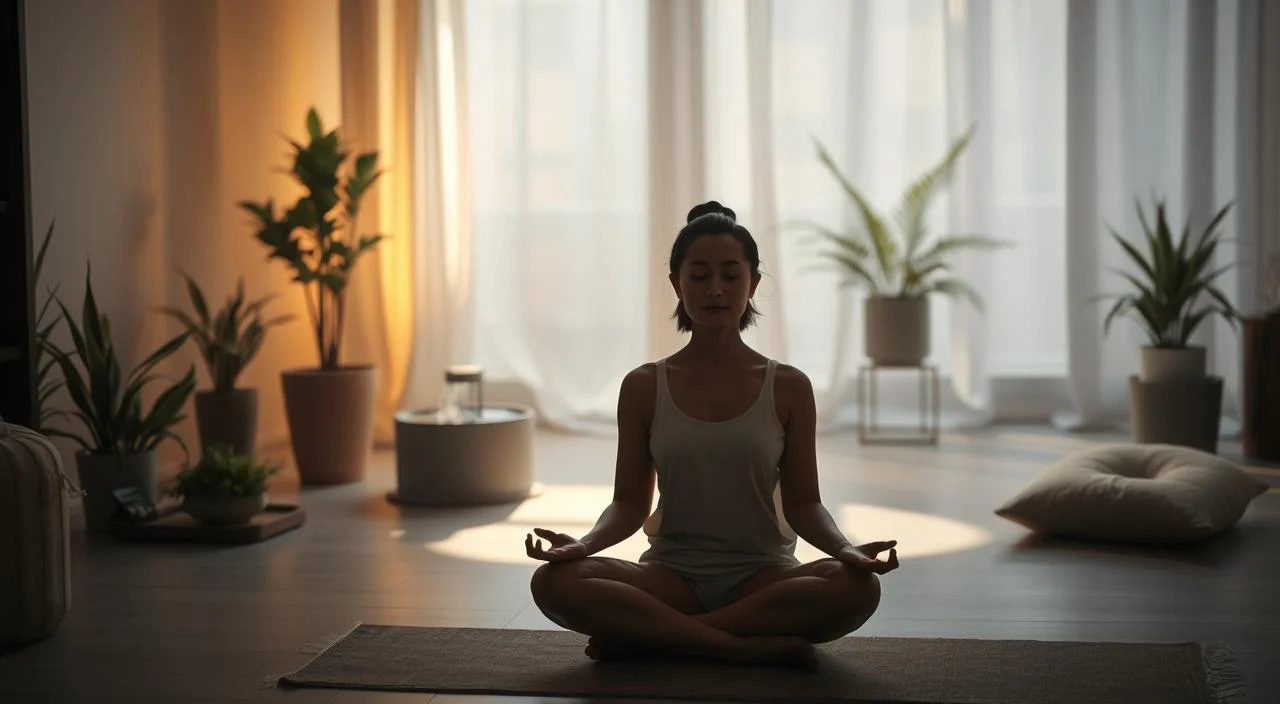
To overcome nosophobia, it's essential to use coping strategies that improve emotional well-being. Relaxation techniques and mindfulness practices are very important. They help manage the anxiety that comes with this fear. Here are some effective ways to face this challenge.
Relaxation techniques
Practices like deep breathing and guided meditation are great for combating anxiety. Dedicate a few minutes a day to these activities. You will see the symptoms of fear diminish and feel more in control.
Deep breathing is simple. Inhale through your nose, hold your breath, and exhale through your mouth. This technique can calm your mind and body.
Mindfulness practices
Mindfulness practices help you stay attentive to the present moment. They teach you how to deal with nosophobia. By observing thoughts and emotions without judgment, you can reduce the fear of illness .
Exercises like meditation and mindful walking connect you to the present moment. This improves emotional control.
The role of health education
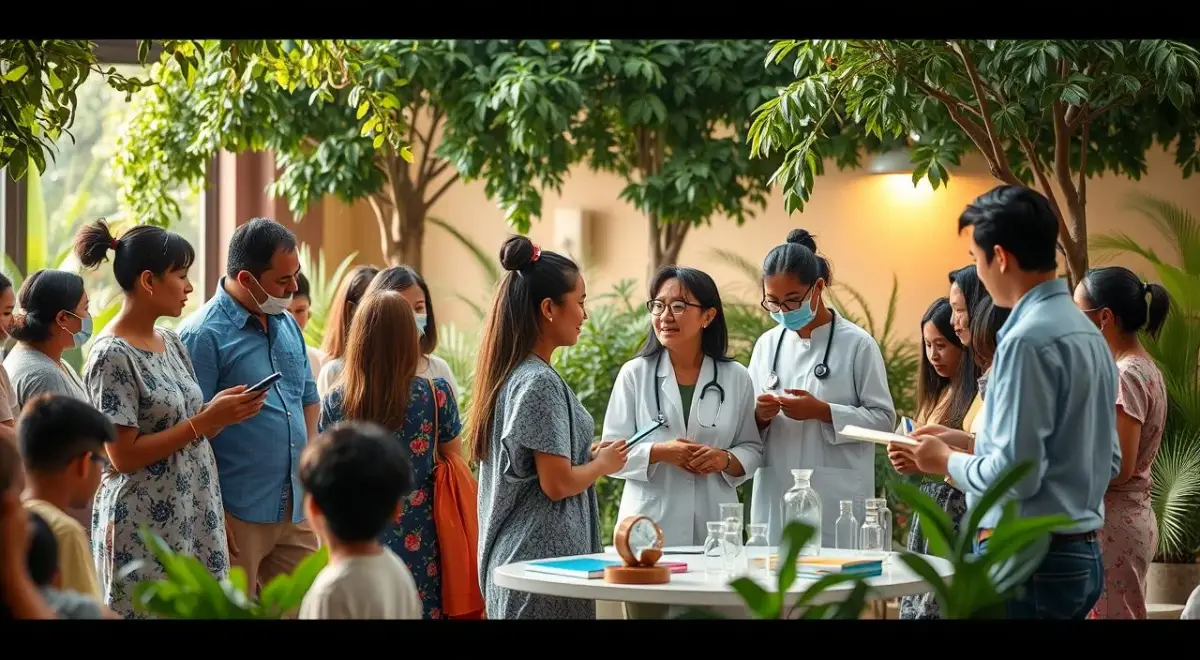
Health education is very important. It helps prevent and understand the fear of illness. With accurate information, people can better cope with their fears.
Clear information helps to dispel myths. This creates a safe environment to talk about fears and doubts.
Accurate and reliable information
Having accurate information is essential. Misinformation can increase fears. Knowing about diseases and their likelihood reduces anxiety.
To find reliable data, check the websites of health institutions and scientific publications.
Promoting mental health
Health education should also promote mental health. Activities such as meditation and physical exercise are very helpful. Seeking psychological support is also important.
These practices strengthen resilience. Promoting mental health makes people feel safer and more connected. This helps to lessen the impact of nosophobia.
The relationship between anxiety and nosophobia.
Anxiety and nosophobia have a complex relationship. It's important to understand how different types of anxiety manifest. Knowing the difference between normal and pathological anxiety greatly helps in treatment.
Nosophobia is often a symptom of a larger anxiety problem. This makes the individual's emotional problem even more complicated.
Differentiation between normal and pathological anxieties.
To understand nosophobia, it's crucial to know the difference between normal and pathological anxieties. Normal anxieties are reactions to challenging situations. Nosophobia, on the other hand, causes excessive worry about illness, significantly impacting the individual's life.
Some characteristics of nosophobia include:
- Anxiety that interferes with daily activities.
- Intrusive thoughts about health.
- Avoiding social situations due to fear of contagion.
Related disorders
Nosophobia is linked to other anxiety disorders , such as generalized anxiety disorder and obsessive-compulsive disorder. See the differences in the table below:
| Disorder | Main symptoms | Relationship with nosophobia |
|---|---|---|
| Generalized Anxiety Disorder | Excessive and uncontrollable worry | Concerns may include physical health. |
| Obsessive-Compulsive Disorder | Repetitive thoughts and compulsions | Compulsions can be linked to health care. |
Preventing nosophobia
Preventing nosophobia starts with health education . It's important to understand the relationship between mental health and fear of illness. This helps us better understand our emotions.
Creating an environment for learning and discussing this is essential. It helps us to better understand our emotions.
Education and awareness
Understanding mental health is crucial for preventing nosophobia. Recognizing signs of anxiety helps in seeking help. Seminars and workshops can raise awareness.
Educational campaigns also help to reduce stigma in mental health.
Encouraging healthy habits
Encouraging healthy habits helps a lot. Physical activity, a balanced diet, and stress management techniques improve mental health. Feeling physically well improves mental health.
| Healthy Habits | Benefits for Mental Health |
|---|---|
| Regular exercise | They improve mood and reduce anxiety. |
| Balanced diet | It increases energy and improves cognitive function. |
| Relaxation techniques | They contribute to stress reduction. |
Testimonials and case studies
Testimonials about nosophobia can change lives. Many people share their stories of overcoming it. They show that it's possible to conquer the fear with the right treatment.
Experiences of overcoming challenges
Those who have overcome nosophobia speak of a great change. They say that therapy and emotional support are essential. Experiences of overcoming it vary, but generally include:
- Recognizing the problem and seeking professional help.
- Applying coping techniques learned in therapy.
- Establishing a support network with family and friends.
Treatment results
Case studies show that the treatments work well. Results include:
| Type of Treatment | Success Rate (%) | Treatment Duration (months) |
|---|---|---|
| Cognitive-Behavioral Therapy | 75% | 6-12 |
| Anxiety Medications | 60% | 3-6 |
| Support Groups | 70% | Variable |
This data highlights the importance of ongoing psychological support. Based on testimonials about nosophobia , combining treatments brings relief and improves quality of life. These stories motivate others to seek positive changes.
The importance of social support
Having good social support is essential for those with nosophobia. This support can come from various sources, such as family, friends, and support groups . This network greatly helps to reduce fear and anxiety.
Emotional support network
A good emotional support network is very important. It offers a safe place for people to share their experiences. In this space, people exchange strategies and experiences that can change their lives.
Understanding and feeling understood is fundamental. This makes people feel part of something bigger and feel accepted.
Support groups
Support groups are great for people with nosophobia. They allow people to connect and learn from each other. These interactions strengthen social support.
Having a place to talk about fears and receive support helps a lot. It makes it easier to face challenges.
Additional resources
Understanding and overcoming nosophobia can be difficult. But there are many resources to help. Books and materials on anxiety are great for learning more. They offer strategies and insights that can change how we deal with fears.
Recommended books and materials
There are books that can help you deal with anxiety. "The Power of Now" by Eckhart Tolle and "The Anxious Mind" by Ana Beatriz Barbosa are examples. They offer practical techniques and reflections that can be very useful.
Useful websites and apps
Digital platforms also have apps for mental health. Tools like Headspace and Calm help with mindfulness and meditation. Mental health websites offer articles, videos, and forums. They help people learn more and create important support for those dealing with nosophobia.
🌟 Have you considered seeking a therapist to support your well-being journey?
If this article sparked reflections about positive changes in your life, perhaps now is the ideal time to take the next step. Do you know hypnosis as a therapeutic tool? This approach can be surprisingly effective for various personal challenges.
Special offer: Book a free 20-minute consultation with therapist Fabio Morus and discover how therapy can transform your life.
✨ No commitment — Completely free — 20 minutes that can make a difference
👉 Click here to book your free consultation
Don't postpone your well-being any longer. The first step to change is just one click away.