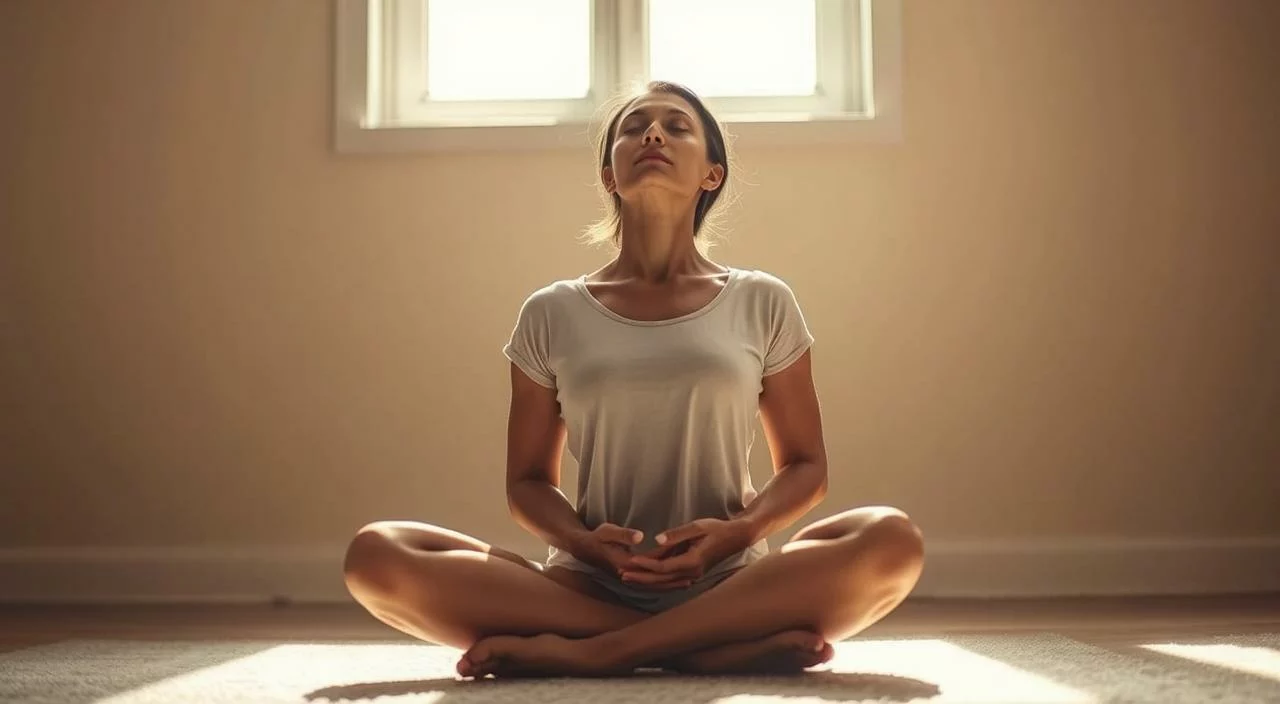

Did you know that therapeutic activities for anxiety, such as mindfulness, can help combat anxiety? By focusing on the present, we learn to deal with emotions and sensations. This helps us face the challenges of daily life. This article will show you how to add mindfulness to your routine. We’ll see how this technique can be used anywhere. We’ll discover its benefits and how to practice it daily . Want to know how mindfulness can change your life? Let’s explore together how this practice can improve your relationship with anxiety. Get ready for a journey of self-discovery and well-being!
What is Mindfulness?
Mindfulness means “full attention.” It’s about focusing on the present, feeling emotions, sensations, and the surrounding environment. The practice includes meditation exercises to improve mindfulness in daily life.The Mindfulness Technique
Mindfulness is a technique about focusing on the present moment. It helps you be mindful and non-judgmental. It starts with short exercises and increases the time with practice. Over time, you improve at focusing and being present. This brings a more open and compassionate mind. Regular mindfulness practice improves concentration and attention . It acts on the prefrontal cortex, improving decision-making. Participating in MBSR can change the brain’s gray matter, improving learning and memory . Regular mindfulness practice can improve working memory . It can also help you sleep better, relax, and fall asleep more easily .“The practice of mindfulness can profoundly transform the way you deal with stress and anxiety in your life.”https://www.youtube.com/watch?v=d4PombPnT3k
How to Practice Mindfulness in Daily Life
Practicing mindfulness in daily life brings many benefits to our health. Experts suggest some simple steps to cultivate mindfulness in our daily activities:- Take a few minutes to practice mindfulness and choose a comfortable position.
- Focus your attention on some physical sensation, such as breathing 4 .
- Redirect your mind whenever you get distracted by thoughts 4 .
- Make a specific plan to try the practice again, creating habits 4 .
- Incorporate mindfulness into everyday activities such as walking, eating, or doing household chores 4 .
“Mindfulness can be trained in various daily activities, such as brushing your teeth, always focusing on the action being performed.” 4The practice of mindfulness in daily life is a gradual process. Follow your own pace and enjoy this journey of self-discovery and well- being .
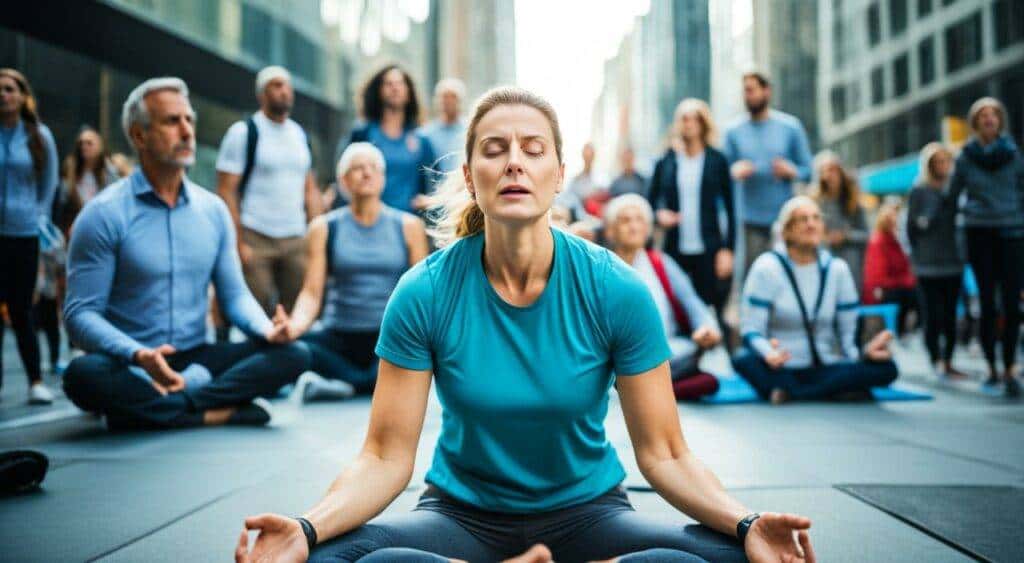
Conscious Breathing: An Essential Step
Conscious breathing is a basic principle of meditation . It helps to calm the mind naturally . When practicing mindfulness, it is important to empty your thoughts and focus on the present. This helps to avoid getting caught up in distractions or worries . The PUCRS Online specialization course in Health and Integrative Practices offers an interdisciplinary and holistic approach to mindfulness in clinical medicine. It is based on scientific evidence.Benefits of Mindfulness Practice
The practice of mindfulness brings many benefits to mental health and well-being. According to the WHO, many people suffer from depression and anxiety . Mindfulness helps to reduce these problems. People spend a lot of time thinking about the past or the future . Mindfulness improves concentration and keeps us present .Other Proven Benefits
- 7 Four days of mindfulness meditation improve attention and reduce mind-wandering, according to research 7 .
- 7. A study from the University of Pennsylvania showed that mindfulness reduces pain and disability .
- 7 A study in the American Journal of Cardiology showed improvements in cardiovascular health 7 .
- 7 A study in the journal Psychoneuroendocrinology showed an increased immune response 7 .
“Mindfulness can help professionals improve and reduce distractions, improving their overall life.” 9Practicing mindfulness regularly brings many benefits to physical and mental well-being. It is a therapeutic activity against stress and anxiety, improving quality of life.
Mindfulness Techniques
Mindfulness, or full attention, is a practice that helps you stay present in the moment. It includes several techniques to improve awareness . Some of these techniques are:- Focus on your breath: Use your breath to focus on the present moment, observing each inhalation and exhalation .
- Sensory anchors: Focusing attention on stimuli such as what we see or hear around us 10 .
- Observation of emotions: Recognizing emotions without judging them or trying to change them 10 .
“The practice of mindfulness is effective for solving problems quickly. But for chronic anxiety and stress, it’s good to have psychotherapy support.” 10Meditation can be done during various daily activities, such as walking or doing household chores. This helps cultivate mindfulness at any time . These mindfulness techniques improve self-awareness and provide a clear view of oneself and others. They also increase concentration and decrease anxiety and impulsivity .
 Practicing meditation and mindfulness techniques regularly can yield better results. This can be combined with psychotherapy for further benefits in reducing stress and anxiety. <sup>11</sup>
Therapeutic Activity for Anxiety
Regular mindfulness practice helps reduce anxiety . It teaches you to focus on the present moment and to get to know yourself better . This helps you cope better with daily stress. Studies show that mindfulness can be as good as anxiety medication, without side effects. It’s a good option for those who want to feel calmer and more balanced. The book “Mindfulness Activities for Anxiety Reduction” is great for beginners. With 128 pages in Portuguese , it includes 40 mindfulness exercises and other therapies. It costs R$ 69.90 and can be paid in up to 3 installments without interest.“The regular practice of mindfulness has proven to be a promising therapeutic alternative for reducing anxiety and promoting greater emotional balance.”Adding mindfulness to your daily routine is a good way to deal with anxiety 13. With only 8 units available 12 , this book is a great choice for those who want to start practicing 12 13 .
Applying Mindfulness Everywhere
Anxiety affects millions of people worldwide.14 One advantage of mindfulness is that we can use it in various daily activities. Experts say we can practice mindfulness while walking, eating, doing housework, or while traveling. The secret is to dedicate a few minutes to being completely present, observing bodily sensations, surrounding sounds, and the details of what we are doing. In this way, we can cultivate mindfulness anywhere. This brings us the benefits of mindfulness practice throughout the day. Mindfulness helps reduce stress14 and can be effective in treating anxiety, depression , and other mental health conditions.14Mindfulness in Everyday Life
Practicing mindfulness can make us more aware and accepting of physical sensations. This is good for dealing with pain and improving physical well -being.14 It can also improve our relationships, as it makes us more present and attentive to the needs and emotions of others.14 Mindfulness increases self-awareness and helps us better understand who we are.14 It also develops emotional resilience, making us stronger to face challenges and stressful situations.14 Practicing mindfulness regularly improves sleep by calming the mind and reducing negative thoughts . Research shows that it can stimulate creativity, as it helps us think differently. In short, using mindfulness in daily activities , such as walking, eating, and doing household chores, is a great way to cultivate mindfulness anywhere. Thus, we enjoy the therapeutic benefits every day .
Resources and Tips for Beginners
For those who want to start practicing mindfulness , there are some useful tips and resources:- Start with 5-10 minute meditations and increase the time as you get used to it.
- Choose a quiet and comfortable place to meditate, away from distractions.
- Use guided meditation apps to guide your first practices.
- Read books and articles about mindfulness to understand it better.
- Consider taking a course or workshop with a qualified instructor if you find it difficult to meditate on your own.
“Regular mindfulness practice is an excellent way to manage anxiety and promote overall well-being.”
Conclusion
Mindfulness , or “full attention,” is very useful for dealing with anxiety. It brings many proven benefits. By focusing on the present moment without judgment, we can reduce stress and anxiety. This also improves focus, memory , and well-being. It’s amazing how mindfulness can be used in various aspects of daily life. We can practice it while walking or even doing household chores. Thus, we can be mindful anywhere, at any time . With time and effort, mindfulness becomes a great ally against stress. In short , mindfulness is a practice that greatly helps mental health. It can be used every day . By practicing it, we can live in a more balanced and happy way.FAQ
What is mindfulness?
How does the mindfulness technique work?
What are the main benefits of practicing mindfulness?
What are the main mindfulness techniques?
How can mindfulness be a therapeutic activity for anxiety?
How can I incorporate mindfulness into my daily life?
What tips would you give to beginners in the practice of mindfulness?
🌟 Have you considered seeking a therapist to support your well-being journey?
If this article sparked reflections about positive changes in your life, perhaps now is the ideal time to take the next step. Do you know hypnosis as a therapeutic tool? This approach can be surprisingly effective for various personal challenges.
Special offer: Book a free 20-minute consultation with therapist Fabio Morus and discover how therapy can transform your life.
✨ No commitment — Completely free — 20 minutes that can make a difference
👉 Click here to book your free consultation
Don't postpone your well-being any longer. The first step to change is just one click away.