Have you ever felt a tightness in your chest that seems to have no explanation? That restlessness that lingers for days, mixed with a lack of energy for simple activities? Many people experience this emotional turmoil without knowing if it's something temporary or a more serious warning sign.
The line between a temporary feeling and a persistent state can be thin. While difficult times are part of life, certain patterns reveal when specialized attention is needed. A lack of clarity about this perpetuates cycles of suffering that could be broken.
In this guide, we'll uncover 5 crucial differences together. You'll discover how to identify everything from changes in appetite to alterations in sleep patterns – details that many ignore, but that make all the difference in self-care.
Recognizing these signs isn't about creating alarms, but about understanding what your body and mind are communicating . It's the first step towards conscious choices that transform lives.
Introduction and Contextualization

Deciphering our emotions is like reading an internal map: each sign guides us towards more conscious choices. Many live in a fog of unnamed feelings, without realizing how this confusion affects relationships and everyday decisions.
What You Will Discover Here
This guide was created to shed light where there is doubt. Our goal is to help you recognize patterns that many ignore, transforming uncertainty into practical clarity. It's not about diagnoses, but about tools to understand your own emotional responses.
Why does this make a difference?
Knowing how to differentiate emotional states is a game-changer. When we accurately identify what we are feeling, we gain the power to seek specific help and create personalized care strategies. It's about quality of life – from sleep to how we relate to others.
Research shows that people with higher emotional literacy make decisions more aligned with their real needs. They tend to cultivate healthier relationships and seek professional support at the right time, preventing temporary challenges from becoming lasting obstacles.
Anxiety and Depression: Concepts and Differences

Intense emotions can be confusing, but each has its own rhythm. To navigate these states, we first need to name them precisely – like someone learning to read their own body's signals.
When the Body Signals
That pressure in the chest that appears out of nowhere isn't just a metaphor. Many describe anguish as a concrete physical experience : a lump in the throat, muscle tension, or a churning stomach. These symptoms often come without warning, as a response to unresolved internal conflicts.
What makes this different is the time frame. These sensations usually dissipate within days or weeks, especially when we identify their origins. It's not a disorder , but a warning from the body asking for attention.
Persistent Patterns
Depression, on the other hand, sets in differently. It's not about one bad day, but about weeks where even simple activities seem like mountains. Deep sadness mixes with lack of energy and sleep disturbances – symptoms that form a cycle that's difficult to break alone.
While anxiety acts like a wave, depression resembles a constant low tide. Recognizing this difference is crucial: a chronic disorder requires specific strategies and ongoing professional support for full recovery.
Symptoms and Signs: 5 Indicators to Differentiate Emotional States

Recognizing patterns in what we feel is like deciphering a vital code. Every physical or emotional signal carries clues about our real needs. Let's explore how these markers manifest in distinct ways.
Physical signs and bodily sensations
The body speaks through specific symptoms. In moments of acute tension, it's common to feel pressure in the chest and rapid breathing. In prolonged states, the manifestations are different: diffuse muscle pain and persistent sleep disturbances appear as warnings.
Emotional and behavioral signs
The way we interact with the world reveals a great deal. While some retain the ability to find pleasure in simple activities, others face a generalized loss of interest. Consider also the relationship with time: immediate concerns versus a continuous negative outlook.
| Symptom | Temporary Feature | Persistent Pattern |
|---|---|---|
| Location of the pain | Chest and thoracic region | The whole body |
| Duration | Hours to days | Weeks without improvement |
| Vital energy | Momentary variations | Constant lack |
Observe how the intensity and frequency of symptoms change the picture. Cases that include digestive problems or crying spells for no apparent reason deserve special attention. The important thing is to seek understanding without judgment.
Contributing Factors and Biological Aspects
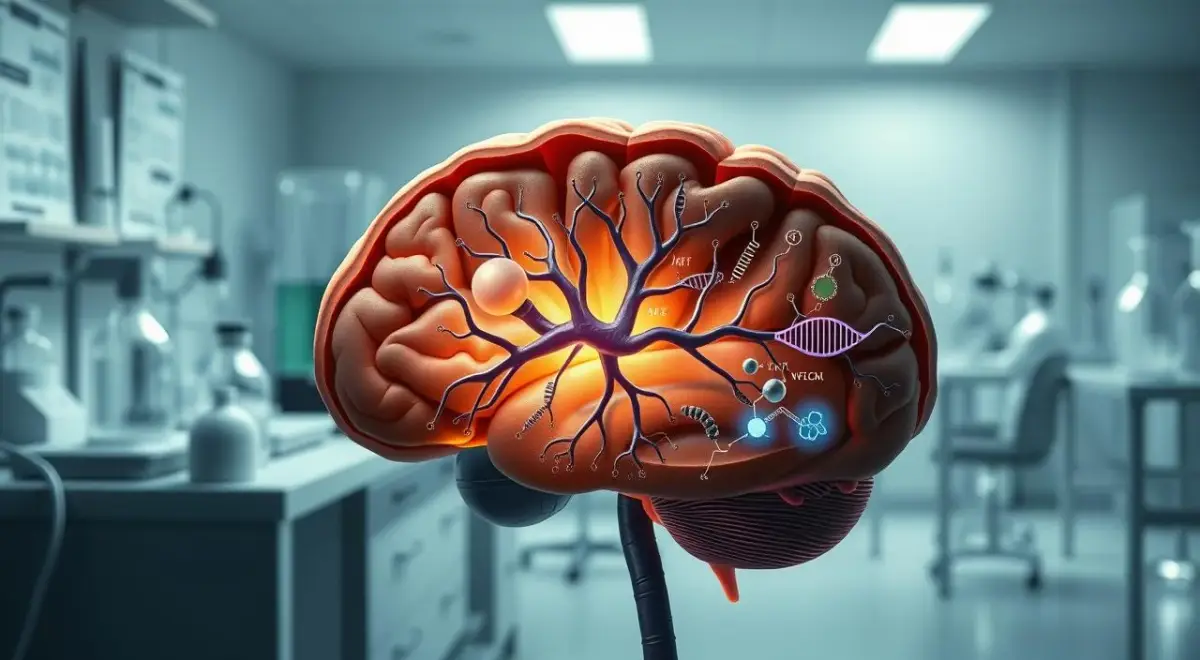
Our bodies function like a chemical orchestra, where each substance has its moment to play. Understanding this internal symphony helps to unravel why certain emotional states manifest in such distinct ways.
The Role of Brain Chemistry
Neurotransmitters like serotonin and dopamine are vital messengers. In cases of prolonged imbalance, research shows a sharp drop in these substances – which explains the lack of vitality characteristic of certain disorders . In temporary situations, these fluctuations are brief, like natural reactions to everyday challenges.
Cortisol – the stress hormone – also plays a role. Elevated levels for weeks can alter brain circuits, creating a process that hinders spontaneous recovery. Therefore, identifying temporal patterns is key to differentiating adaptive responses from persistent problems .
Genetics and Social Context
Studies reveal that 40% of emotional disorders have a hereditary component. Those with a family history need to pay close attention to the first signs. But genes don't dictate destiny: environmental factors shape how these predispositions manifest.
Trauma, loss, or constant social pressure act as triggers. A person with a genetic vulnerability may develop complex conditions after critical events. Another person, with a strong support network, is better able to navigate the same situations.
This interaction between biology and environment reinforces the idea that caring for mental health requires looking at multiple dimensions. Professional support helps to identify specific risks and create personalized strategies for each individual .
Comparison with Anxiety, Fear, and Other Emotions
Understanding emotional nuances is like learning a new language of one's own being. Each feeling has its own particular grammar – rules that define when it appears, how long it lasts, and how it affects us.
Similarities and differences with anxiety
Anxiety lives in the future. It arises when we imagine possible problems, even without concrete evidence . Unlike other states, here the focus is on "what if...": a presentation at work or an important appointment. When the event passes, relief usually comes naturally.
Distinguishing between fear, worry, and stress.
Fear is a survival instinct. Imagine jumping back when you see a car speeding away – that instantaneous reaction is protective. Worry , on the other hand, is more strategic: planning a monthly budget or taking care of family health involves thinking about solutions.
Stress appears as a cumulative effect. It comes from multiple situations putting pressure on us at the same time: tight deadlines, personal conflicts, and responsibilities. Unlike persistent states, it tends to decrease when we reorganize our priorities.
Knowing how to name what we feel is like having the map to navigate turbulent waters. These distinctions help in choosing the best tools for each emotional challenge.
🌟 Have you considered seeking a therapist to support your well-being journey?
If this article sparked reflections about positive changes in your life, perhaps now is the ideal time to take the next step. Do you know hypnosis as a therapeutic tool? This approach can be surprisingly effective for various personal challenges.
Special offer: Book a free 20-minute consultation with therapist Fabio Morus and discover how therapy can transform your life.
✨ No commitment — Completely free — 20 minutes that can make a difference
👉 Click here to book your free consultation
Don't postpone your well-being any longer. The first step to change is just one click away.