

Have you ever worried excessively about small sensations in your body? You might think they are signs of serious illnesses. The fear of getting sick can turn your life into a nightmare of worries.
Hypochondria is an anxiety disorder that causes people to perceive health where it is not present. It affects many people, robbing them of their peace of mind and quality of life .
This article goes beyond superficial symptoms. We will explore the world of hypochondria . We will see how to identify, understand, and overcome this anxiety disorder that so greatly affects mental health .
What is Hypochondria and How Does it Affect Mental Health?
Hypochondria is a disorder that greatly affects mental health . People with hypochondria worry excessively about their health. They see normal symptoms as signs of serious illnesses.
Between 1% and 5% of the population suffers from hypochondria. This shows how much of a challenge it is. Hypochondria is not just anxiety. It consumes a great deal of emotional and mental energy.
Impact on Quality of Life
The effects of hypochondria on mental health are very bad:
- Constant stress related to health
- Social isolation due to fear of disease.
- Significant expenses on unnecessary medical consultations.
- Decreased ability to enjoy everyday moments.
Health anxiety makes people act strangely:
- Frequent medical check-ups
- Relentless search for information online about symptoms.
- Catastrophic interpretation of normal bodily sensations
Hypochondria doesn't discriminate. It can affect people of any age or gender. Early recognition and treatment are crucial for improving quality of life.
Main Symptoms and Manifestations of the Disorder

Hypochondria brings a set of symptoms that greatly affect people's lives. It's not just about worrying about health; it's a great and constant anxiety about possible illnesses.
The main symptoms include:
- Excessive concern about one's own health
- Misinterpretation of normal bodily sensations
- Frequent and unnecessary visits to different doctors
- Intense fear of developing serious illnesses.
- Difficulty in accepting positive medical diagnoses.
To treat hypochondria, it is essential to understand the disorder. Mental health professionals look for specific characteristics.
- Prolonged anxiety about possible medical conditions
- Compulsive symptom-checking behaviors
- Constant search for medical reassurance
Dealing with hypochondria requires teamwork. Patients experience physical symptoms such as:
| Physical Symptom | Manifestation |
|---|---|
| Palpitations | Exaggerated perception of heartbeats |
| Muscle pain | Interpretation as signs of serious illness. |
| Tingling | Fear of neurological symptoms |
It is crucial to understand that hypochondria is a complex disorder. It requires attention and care from specialized professionals.
Causes and Risk Factors of Hypochondria
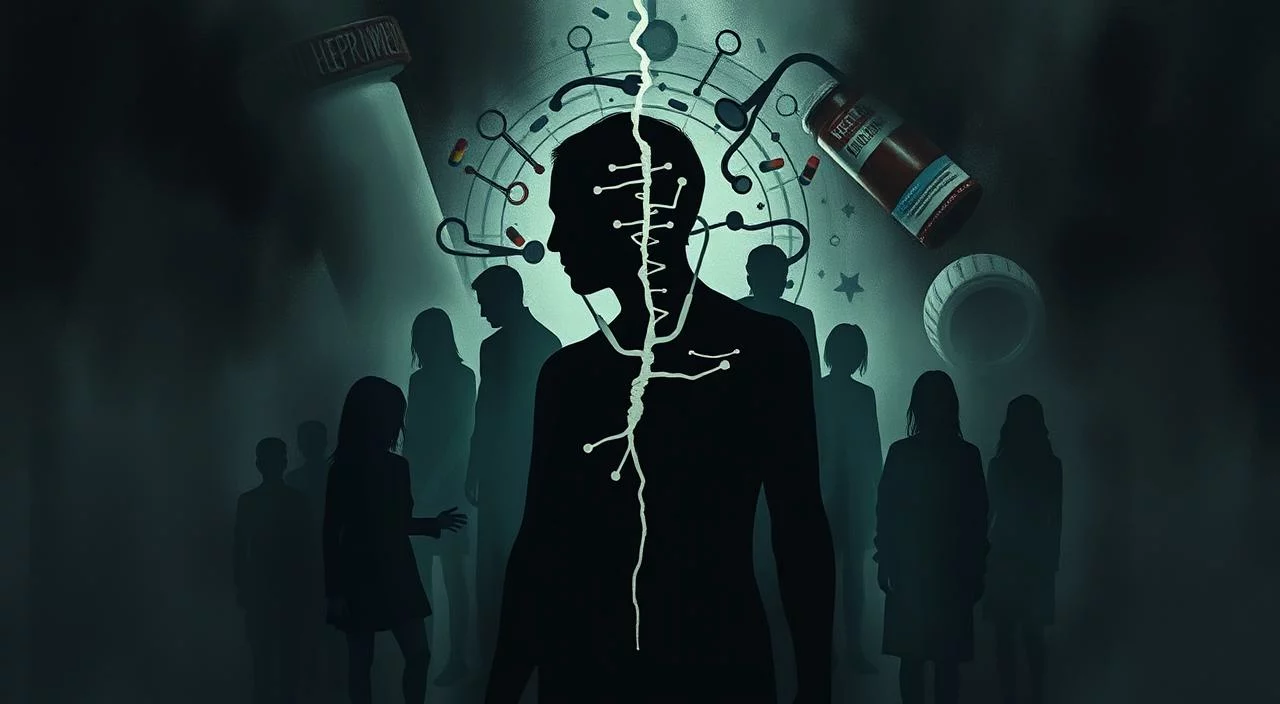
Hypochondria is a complex disorder with multiple causes. It can greatly affect the mental health of those who suffer from it. Knowing what causes hypochondria helps to treat it better.
Nearly 4% of adults may have hypochondria. Several factors can contribute to its development.
Genetic Factors
Genes also play an important role. People with a family history of:
- Anxiety disorders
- Depression
- Obsessive-Compulsive Disorder (OCD)
Environmental Influences
The growing environment is also important. Family environments that are overly concerned with health can increase the risk.
Traumatic Experiences
Traumatic experiences are essential for understanding hypochondria. Events such as:
- Premature loss of loved ones
- Serious illnesses in the family
- Prolonged hospitalizations
They can cause constant anxiety about health. Around 9% of Brazilians suffer from this, highlighting its importance for mental health.
The Phenomenon of Digital Hypochondria in the Internet Age

The internet has changed how we search for health information. Today, one in twenty internet searches is about illnesses. This shows the rise of the phenomenon of digital hypochondria or cyberchondria .
Since 1994, the internet has grown significantly in Brazil. Now, 116 million Brazilians are online. This has greatly increased access to medical information via the internet. Cyberchondria is when people obsessively search for information about diseases on the internet.
Risks of Online Self-Diagnosis
Online self-diagnosis can be dangerous for mental and physical health:
- Misinterpretation of common symptoms
- Increased anxiety and stress
- Hasty decisions about treatments
- Potential for self-medication without medical supervision.
Consequences of Excessive Symptom Searching
Attempting to classify illnesses based on isolated symptoms can cause serious problems. Cyberchondria is a psychiatric disorder exacerbated by 21st-century technology . This poses a significant risk to individuals and families.
Experts say that self-medication, which comes from online research, can cause:
- Drug poisoning
- Concealing undiagnosed problems
- Development of emotional disorders
- Worsening health conditions
It is important to seek professional medical advice. The internet should be used as a supplement, not a substitute, for health information.
Diagnosis and Professional Assessment of the Disorder

Diagnosing hypochondria is a complex process. It is done by mental health professionals. They use several steps to understand the somatic symptom disorder .
The diagnostic criteria are very strict. They include several important points:
- Persistent concern about health for at least 6 months.
- Disproportionate anxiety about possible illnesses
- Repetitive behaviors of seeking medical confirmation
- Significant interference with quality of life
Specialized professionals use specific protocols in the assessment. They consider the patient's psychology and behavior.
| Diagnostic Stage | Description |
|---|---|
| Detailed Medical History | Investigation of medical and psychological history. |
| Additional Tests | Exclusion of specific medical conditions |
| Psychological Assessment | Analysis of behavioral and emotional patterns |
The DSM-5 classifies hypochondria as a somatic symptom and related disorder . This helps to identify the disorder correctly.
The diagnostic approach seeks to understand each person's suffering. This ensures an empathetic and professional assessment.
Available Treatments and Therapeutic Approaches

Treatment for hypochondria involves a comprehensive strategy. This includes psychological and emotional aspects. Mental health professionals create personalized plans to address health-related anxiety.
Cognitive-Behavioral Therapy for Anxiety
Cognitive-behavioral therapy is very effective against hypochondria. It helps patients to:
- Identifying negative thought patterns
- Develop healthy coping strategies.
- Reduce excessive worries about health.
- Modify anxiety-related behaviors
Anxiety Treatment with Hypnosis
Hypnosis is an interesting complementary approach. Hypnotherapy and mindfulness help patients to:
- Relax and reduce stress levels.
- Creating more balanced mental states
- Reframing thoughts related to health
Psychiatric Follow-up
Ongoing follow-up with a psychiatrist is essential. They help monitor progress and adjust treatment when necessary.
| Therapeutic Approach | Key Benefits |
|---|---|
| Cognitive-Behavioral Therapy | Modifying dysfunctional thoughts |
| Hypnosis | Reducing stress and anxiety |
| Psychiatric Follow-up | Monitoring and adjusting treatment |
Combining these approaches aids in recovery. Patients can improve their quality of life and manage health-related anxiety.
Prevention and Self-Care Strategies

Preventing hypochondria requires focusing on self-care and mental well-being. Knowing and using effective techniques helps reduce anxiety about health, leading to a more balanced outlook on life.
The main strategies for preventing hypochondria include:
- Limit the search for medical information online.
- Practice relaxation techniques
- Developing mindfulness habits
- Maintaining a healthy lifestyle
Hypnosis is a powerful tool for self-discovery. Self-hypnosis for self-awareness helps to better understand the body and emotions. This reduces the overinterpretation of symptoms.
| Strategy | Benefit |
|---|---|
| Regular Physical Exercise | Reduces anxiety and improves well-being. |
| Meditation | Control obsessive thoughts. |
| Balanced Diet | Strengthens the immune system. |
It's crucial to have a good relationship with a healthcare professional. This helps avoid self-medication and misinterpreting bodily symptoms. Practicing self-care regularly can greatly change the life of someone with hypochondria.
The Role of the Family in the Recovery Process
Family support is crucial in the recovery from hypochondria . Understanding the emotional needs of someone with this disorder is challenging, but it is essential for treatment.
To provide support, it is important to:
- To create an environment of understanding and acceptance.
- Avoid reinforcing behaviors related to hypochondria.
- Encourage adherence to the proposed treatment.
- Actively participate in the recovery process.
Combined therapy using hypnosis and CBT is greatly improved with family support. Healthcare professionals suggest joint sessions. This helps to better understand the disorder.
| Family Attitude | Impact on Recovery |
|---|---|
| Active listening | Reduces anxiety and feelings of isolation. |
| Emotional support | It increases motivation for treatment. |
| Career guidance | Improves coping strategies |
Hypochondria recovery is not a solitary process. With family support and specialized treatment, it is possible to overcome health concerns.
When to Seek Professional Help
Hypochondria can be a major challenge. It greatly affects quality of life. It's essential to know when to seek professional help to begin recovery and improve emotional well-being.
Warning Signs
It's important to know the warning signs in order to seek help. Some important signs are:
- Constant and excessive concern about one's own health.
- Intense anxiety about possible symptoms of illness.
- Significant interference in work and relationships.
- Frequently seeking multiple medical opinions
- Difficulty in accepting negative test results.
Choosing the Right Professional
When choosing a therapist for hypochondria, consider these points:
| Criterion | Recommendation |
|---|---|
| Specialization | Psychiatrists or psychologists specializing in anxiety disorders. |
| Experience | Professional with a proven track record in the treatment of hypochondria. |
| Therapeutic Approach | Cognitive-Behavioral Therapy (CBT), hypnotherapy, or specific techniques. |
According to the World Health Organization (WHO), health is physical, mental, and social well-being. Therefore, do not hesitate to seek professional help when hypochondria affects your daily life.
Seeking help for hypochondria is not a sign of weakness. It's a courageous act of understanding and overcoming it. Each person has a unique path. A qualified professional can help on this journey.
Conclusion
Managing hypochondria is a major challenge. It requires a careful and comprehensive approach. A good understanding of this disorder helps create strategies to improve the lives of those affected. This allows them to change their thoughts about mental health.
Overcoming hypochondria isn't easy, but it's possible with the right support. Psychotherapy, especially cognitive-behavioral therapy, is very important. It helps to change perceptions and reduce anxiety.
Everyone can change their relationship with their health. This means transforming excessive worries into a more balanced awareness. The first step is to accept this and seek specialized help. Furthermore, it's essential to take care of oneself to live without hypochondria.
How about scheduling a free 20-minute session with Therapist Fabio Morus? He can help you take the first step towards a lighter and more balanced life. Click here to schedule!
Source Links
| Link Description | Link |
|---|---|
| Hypochondria: What it is, symptoms, treatments, and causes. | https://www.rededorsaoluiz.com.br/doencas/hipocondria |
| What is Hypochondria? 7 Facts You Need to Know | Learn more |
| Hypochondria: what it is, symptoms and treatment | https://www.cuf.pt/saude-az/hipocondria |
| Hypochondria: what it is, symptoms, causes and treatment | https://www.tuasaude.com/mania-de-doenca/ |
| Hypochondria: What are the warning signs of an obsession with health? | https://vidasaudavel.einstein.br/hipocondria-quais-sao-os-sinais-de-alerta-da-obsessao-com-a-saude/ |
🌟 Have you considered seeking a therapist to support your well-being journey?
If this article sparked reflections about positive changes in your life, perhaps now is the ideal time to take the next step. Do you know hypnosis as a therapeutic tool? This approach can be surprisingly effective for various personal challenges.
Special offer: Book a free 20-minute consultation with therapist Fabio Morus and discover how therapy can transform your life.
✨ No commitment — Completely free — 20 minutes that can make a difference
👉 Click here to book your free consultation
Don't postpone your well-being any longer. The first step to change is just one click away.