
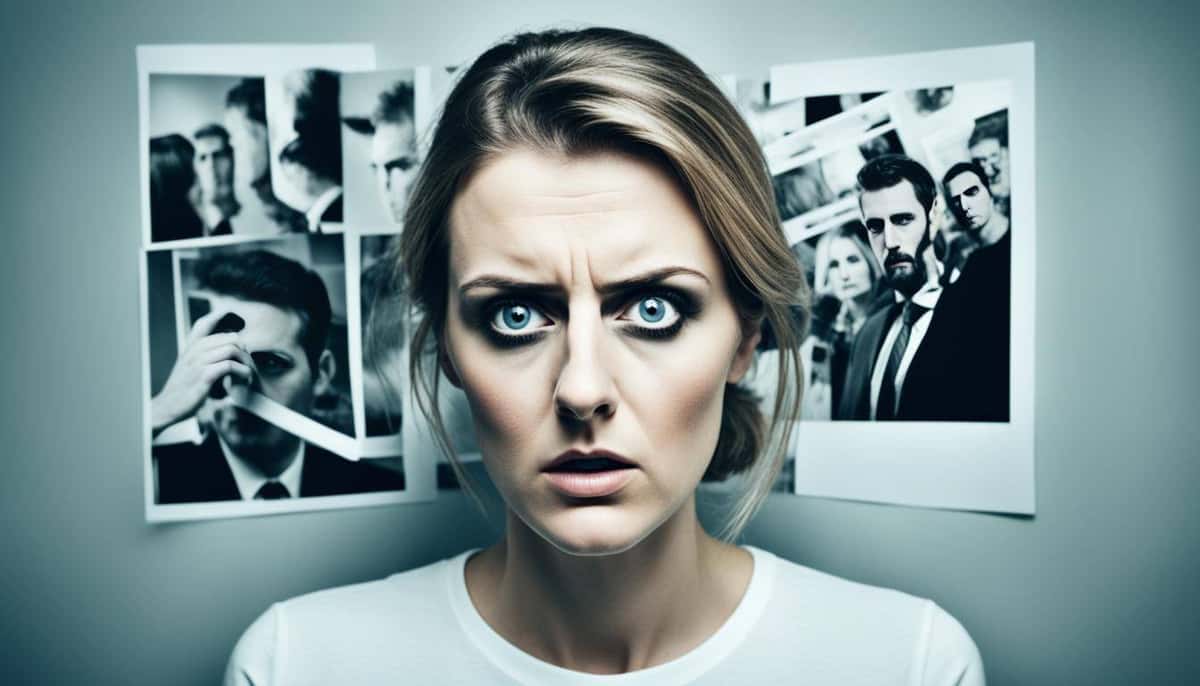

Have you ever wondered if the feeling of always being on alert is affecting your mental health ? Hypervigilance is a state of excessive alertness that affects many people. This can lead to anxiety and sleep problems, which can worsen over time.
According to the Pan American Health Organization (PAHO), more than 57 million people live with anxiety disorders in the Americas alone. The WHO noted a 25% increase in cases of depression and anxiety during the pandemic. Let's look at what hypervigilance is, its symptoms, and how to deal with it. This is important, especially in a world where online privacy is constantly threatened.
What is hypervigilance?
The definition of hypervigilance is a state of heightened alertness. We become very sensitive to what is happening around us. This constant monitoring can make us feel threatened, even if the threats aren't real. This can be a sign of disorders such as Post-Traumatic Stress Disorder and Anxiety.
When we are hypervigilant, we feel threatened, afraid, and worried all the time. This affects our mental health and how we interact with people. It can harm our relationships, causing distrust and difficulty connecting emotionally. This can lead us to become lonely. Strategies for coping with hypervigilance are important to overcome these challenges.
Hypervigilance doesn't originate from within. It stems from traumatic experiences and external factors, such as work. This condition can cause stress and career difficulties. It's important to understand and manage our emotions to have healthy and balanced relationships.
https://www.youtube.com/watch?v=wB4D6-kCalc
Symptoms of hypervigilance
Hypervigilance can manifest in various ways, affecting both the body and the mind. It can cause anxiety, fear, and panic in normal situations. Furthermore, it can lead to excessive worry and paranoia, affecting our well -being.
Sleep problems are common and can worsen anxiety, leaving us tired all the time This creates a vicious cycle, as lack of sleep increases hypervigilance. Difficulty connecting with other people is also a symptom, making social relationships more difficult.
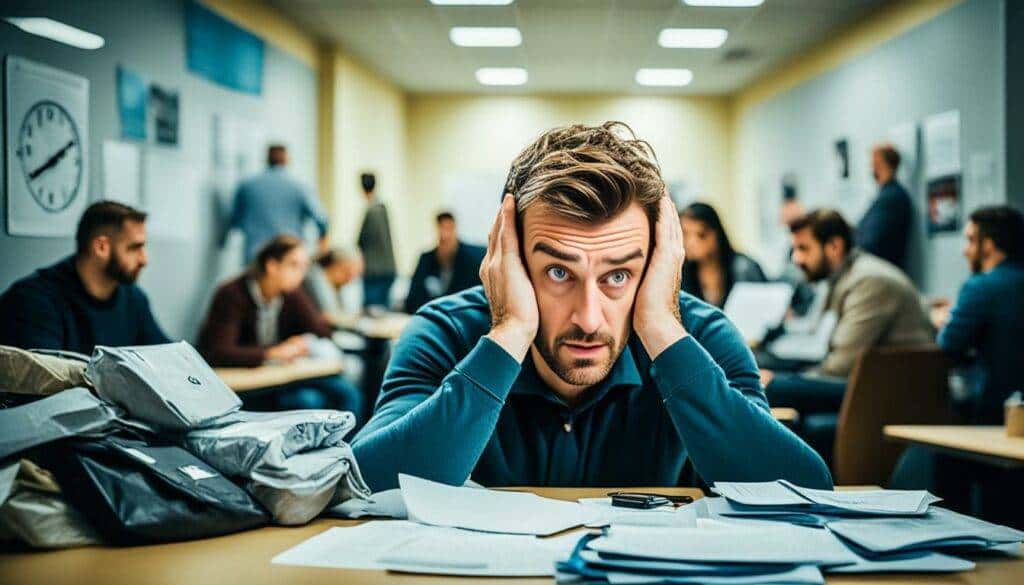
Understanding the symptoms of hypervigilance is the first step in seeking help. Therapies and treatments can help improve emotional response and address challenges.
Causes of hypervigilance
Hypervigilance can stem from various causes. It can be a sign of mental health disorders or everyday stress. Anxiety disorders, such as Post-Traumatic Stress Disorder (PTSD), cause people to be constantly on alert. This affects how we deal with fear and insecurity.<sup> </sup>
Traumatic experiences, such as abuse, can make people more vigilant. This is a way of protecting themselves. The relationship between hypervigilance and stress is complex. Stressful events can cause symptoms that affect emotional well-being, creating a vicious cycle.
Furthermore, not sleeping well is a common problem. The state of alertness prevents relaxation, causing insomnia. High-pressure professions — such as healthcare, education and technology — favour this state of constant alertness, because of shift work, emotional demands and tight deadlines.
https://www.youtube.com/watch?v=M9moG0MEYHo
The causes of hypervigilance stem from various psychological and situational factors. Understanding and addressing these factors is crucial to reducing their negative effects. For more information on anxiety and depression, see existing research. It helps to better understand mental health and daily life.
Common triggers of hypervigilance
Triggers for hypervigilance can arise in various everyday situations. Feeling trapped or abandoned can increase the sense of danger, leading to a heightened state of alertness.
Loud noises or chaotic environments can make you more aware of your surroundings. This can lead to exaggerated reactions to normal stimuli. In stressful situations, such as the expectation of pain or judgment, anxiety increases hypervigilance.
Other factors that trigger hypervigilance include memories of trauma and interactions with random behaviors of other people. This constant state of alertness is not just a matter of personality. It can be a reflection of past experiences that led to large reactions to small situations. Understanding the triggers and their consequences is important for dealing with hypervigilance and seeking treatment.

Hypervigilance is not limited to external conditions; often, each person's personal history shapes their response.
Understanding these patterns can help create strategies for dealing with hypervigilance. This can improve mental health. Knowing when and how hypervigilance increases helps us to be stronger in the face of challenges.
Impacts of hypervigilance on mental health
Hypervigilance can have severe impacts on mental health. It leads to chronic stress, emotional fatigue, and increased anxiety. Constant internal hypervigilance makes it difficult to focus on the present, making it hard to enjoy happy moments.
This condition negatively affects our relationships with other people It can be seen in disorders such as PTSD and anxiety disorder Lack of sleep increases paranoia, reinforcing hypervigilance.
Those who are hypervigilant may feel very mentally tired. This is because they maintain a constant state of attention and analysis of emotions and thoughts.
Over time, hypervigilance can cause physical problems, such as muscle tension and headaches Seeking professional help, such as from a psychologist, is important. Therapies like cognitive behavioral therapy can help overcome these challenges and improve life.
https://www.youtube.com/watch?v=qjSjL-Ly5Go
Treatment for hypervigilance
Treatment for hypervigilance needs to be carefully planned and personalized. It begins with identifying the causes. Many who experience hypervigilance have gone through traumatic events or stress.
Acute stress disorder can arise after a trauma. It brings symptoms such as hypervigilance, reliving the trauma, and anxiety.
Cognitive behavioral therapy ( CBT ) is a treatment option. It helps to change negative thoughts and learn to cope better with problems. Therapy is very important for those with hypervigilance and it may take time to see results.
In addition to therapy, medication can be used to alleviate anxiety and depression. It is important for a doctor to monitor the patient to adjust the treatment. The medical approach helps improve hypervigilance, using medication, therapies, and self-care practices.
| Treatment Options | Categories | Description |
|---|---|---|
| Cognitive Behavioral Therapy ( CBT ) | Therapy | Focus on restructuring thoughts and developing coping strategies. |
| Drug Intervention | Medical Approach | Use of antidepressants and anxiolytics to control symptoms. |
| Complementary Therapies | Therapy | Strategies such as yoga and mindfulness for stress reduction. |
| Medical Monitoring | Medical Approach | Continuous monitoring of progress and adjustment of treatments. |
Effective therapies for dealing with hypervigilance.
Hypervigilance can arise after traumatic experiences. Therefore, it is important to seek effective therapies. Cognitive Behavioral Therapy ( CBT ) helps to change negative thoughts and to see things more fairly.
Exposure therapy is also widely used. It helps people confront what scares them little by little. This reduces anxiety and creates a safe environment for dealing with strong emotions.
Post-traumatic stress disorder (PTSD) affects between 6% and 9% of people at some point in their lives, according to US epidemiological studies. Therapies that use coping and exposure techniques are very important. PTSD brings symptoms such as hypervigilance, reliving, and avoidance that last for more than a month after a trauma.
It is crucial to seek proper guidance before starting any therapy. Therapies for hypervigilance should be personalized for each individual. This can lead to significant results and improve patients' lives.

Medications and hypervigilance
Hypervigilance affects our mental and physical health. In severe cases, medication may be necessary. It is important that professional support is provided to prescribe and monitor medication. This way, treatment meets the needs of each individual.
The most commonly used medications include anxiolytics and antidepressants. They help control anxiety and stress. Hypervigilance can weaken the immune system and cause anxiety.
https://www.youtube.com/watch?v=IGrK7tq7wzQ
Therapy and medication together are a good combination. Treatment not only controls symptoms but also aids in therapy. It's important to talk to doctors so that treatment can be tailored to your needs.
Dealing with hypervigilance in everyday situations
To deal with hypervigilance, it's important to develop daily strategies. Practicing deep breathing techniques helps control emotions and reduce stress. Losing objects or waiting in lines can be stressful, but it's common in daily life.<sup>
It's crucial to recognize what makes us feel hypervigilant. Self-assessment before reacting is very helpful. It's also important to set boundaries in social interactions to maintain emotional well-being.

Self-help strategies for hypervigilance
Self-help strategies are essential for managing hypervigilance. We can adopt them in our daily practices. Healthy habits such as exercise, a balanced diet, and sleep are fundamental. They help reduce anxiety and prevent episodes of hypervigilance.
Regular physical exercise is great because it releases endorphins, improving well-being. Relaxation techniques, such as meditation and mindfulness, are also beneficial. They help to lower heart rate and adrenaline, a hormone linked to stress.

It is crucial to recognize and define our emotional boundaries. Avoiding stressful situations and behaviors that increase anxiety, such as alcohol and drugs, is important. </sup>
Psychoeducation is an important aspect of self-help. It helps us understand our disorders and the importance of proper treatment. Having emotional support from family and friends is also essential for well-being.
| Self-Help Strategies | Benefits |
|---|---|
| Physical Exercises | Stress reduction, increased well-being. |
| Balanced Diet | Improvement in physical and mental health. |
| Relaxation Techniques | Anxiety relief, stress management |
| Defining Emotional Boundaries | Prevention of hypervigilance crises |
| Psychoeducation | Better understanding of the disorder and adherence to treatment. |
With these daily practices and effective strategies, we can improve our control over hypervigilance. This helps us to have a calmer and more balanced mental state.
Online privacy and hypersurveillance
Online privacy is very important nowadays. This is because digital hyper-surveillance is becoming increasingly prevalent. Advanced technologies and the desire to monitor everything all the time create a sense of unease. This affects our online security and our daily lives.
After the September 11 attacks in the US, security became a priority. This led to greater control over our privacy. For example, in China, the credit system monitors people's behavior. This can limit access to important services.
The pandemic made things even worse. It brought social control measures that further reduced our privacy Now, there are more security cameras all over the world. It is estimated that millions of them are in operation.
Mental health experts say that responding quickly to messages and using social media too much can cause anxiety. Therefore, protecting our online privacy is crucial for our emotional health. It's important to find a balance between being connected and protecting our personal space.
Conclusion
Hypervigilance affects the mental health and lives of many people. It is especially common in people who live with anxiety or have been through trauma, and difficulty relaxing is one of the most frequent complaints. It is important to manage hypervigilance by identifying symptoms and causes for effective treatment.
Treatments vary, but cognitive behavioral therapy has strong scientific support for anxiety and PTSD. Seeking professional help and social support reduces symptoms consistently. Protecting our emotions helps us cope with the challenges of hypervigilance.
Raising awareness and educating about hypervigilance is crucial. This helps us understand and support those who suffer from it With the right practices, we can improve the mental health and quality of life for everyone.
FAQ
What is hypervigilance?
Hypervigilance is when you become overly alert and sensitive to your surroundings. This can lead you to perceive threats where there are none. This happens because you are always ready to react.
What are the symptoms of hypervigilance?
Symptoms include sweating, rapid heartbeat, and shallow breathing. Additionally, you may experience fatigue, panic, and trouble sleeping. This can also affect your relationships with others.
What are the main causes of hypervigilance?
The causes can be varied. Mental disorders such as PTSD and anxiety are common. In addition, stress can trigger this condition.
What are the triggers that can intensify hypervigilance?
Things like feeling trapped or abandoned can trigger hypervigilance. Loud noises and the expectation of pain can also increase sensitivity. Past traumas can also trigger this reaction.
How does hypervigilance affect mental health?
It can cause chronic stress and emotional fatigue. Being constantly on alert makes it difficult to focus on the present. This affects quality of life.
What treatments are available for hypervigilance?
Treatment aims to identify the causes. This may include therapy and, in severe cases, medication. Cognitive behavioral therapy is a common option.
What therapies are effective in dealing with hypervigilance?
Cognitive behavioral therapy and exposure therapy are good options. They help develop strategies for coping with anxiety.
How can medications help with hypervigilance?
In severe cases, medication can help control symptoms. It is important to have professional guidance to use these medications correctly.
What daily strategies can be adopted to manage hypervigilance?
Deep breathing and mindfulness techniques are helpful. It's also good to do self-assessments before reacting to stressful situations.
What are some self-help practices for hypervigilance?
Practicing exercise, eating well, meditating, and understanding your emotions and limitations are good practices. This can help manage hypervigilance.
How is online privacy related to hypersurveillance?
On the internet, hyper-surveillance can lead to concerns about privacy and online security. This can result in constant monitoring of personal information.
References
- Bandelow B, Michaelis S. Epidemiology of anxiety disorders in the 21st century. Dialogues in Clinical Neuroscience. 2015;17(3):327-335.
- American Psychiatric Association. Diagnostic and Statistical Manual of Mental Disorders, 5th edition, text revision (DSM-5-TR). 2022.
- World Health Organization. Mental Health and COVID-19: early evidence of the pandemic’s impact — Scientific brief. 2022.
🌟 Have you considered seeking a therapist to support your well-being journey?
If this article sparked reflections about positive changes in your life, perhaps now is the ideal time to take the next step. Do you know hypnosis as a therapeutic tool? This approach can be surprisingly effective for various personal challenges.
Special offer: Book a free 20-minute consultation with therapist Fabio Morus and discover how therapy can transform your life.
✨ No commitment — Completely free — 20 minutes that can make a difference
👉 Click here to book your free consultation
Don't postpone your well-being any longer. The first step to change is just one click away.