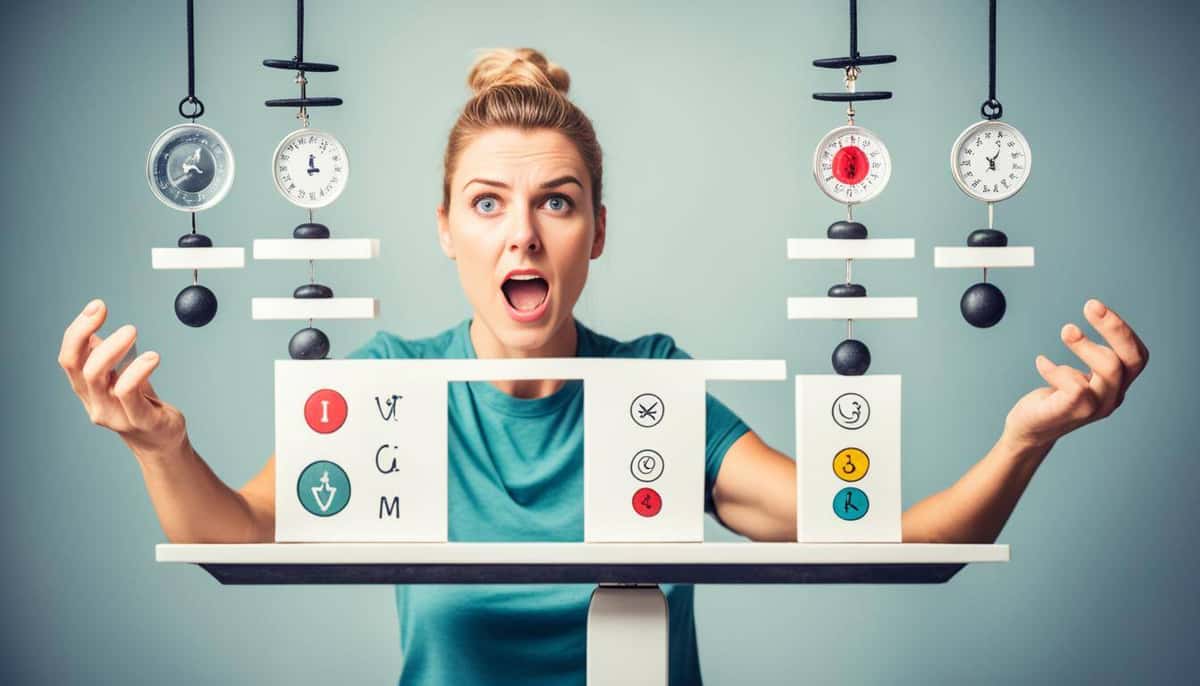

Have you ever wondered why some people control their emotions better than others? Self-control is essential for improving our lives and work. In this article, we'll learn how to develop this control in a practical way.
Studies indicate that emotional self-control is an important skill. To improve it, it is crucial to use self-control techniques . This helps us face challenges and be more productive, even in competitive exams.
Now let's look at what self-control is, how it's used, and why it's so important. Let's explore it together!
What is self-control?
Self-control is the ability to manage our emotions and actions. This helps us avoid impulsive reactions that can cause problems. The definition of self-control includes regulating our emotions and maintaining balance. This is important for avoiding hasty decisions and creating a harmonious environment at home and at work.
For leaders, entrepreneurs, and professionals, self-control is crucial. One study showed that self-discipline is a resource that needs to be recharged to avoid impulsive behavior.
Self-control goes beyond controlling emotions. It also includes listening to and understanding different points of view in difficult situations. Emotional intelligence is key to improving mental self-control. Techniques such as naming emotions, controlling breathing, and making plans help manage our emotional reactions.
https://www.youtube.com/watch?v=EXX9sSGfKLc
Self-control improves our performance in difficult situations and aids in self-awareness. This allows us to identify what triggers our emotions. Practice and persistence are fundamental to improving self-control, enabling appropriate responses in different situations.
What is the purpose of self-control?
Self-control is very important in our lives. It helps to control impulses and avoid problems. Without it, we may feel regret and frustration .
Developing self-control brings many benefits. It helps us to be disciplined, focused, and assertive . It also helps us maintain good relationships and develop healthy habits.
Self-control diminishes throughout the day, making it difficult to make the right decisions, especially when we are stressed . It is crucial for improving our emotional intelligence and managing anxiety. It also helps to set boundaries and avoid conflict in tense situations.
Practicing self-control is like training a muscle. The more we practice, the better we get. Understanding our emotions is fundamental to controlling them. Sleeping well and managing time also help to deal with stress .
It's important to recognize that we all make mistakes and to be tolerant of ourselves . This helps us monitor our progress and learn from obstacles. As a result, we become more emotionally balanced and resilient.

Benefits of developing self-control
Developing self-control brings many benefits to our lives. It helps us cope better with stress, improving our mental health and quality of life. It also helps us achieve our goals, whether in studies, work, or personal life, enabling us to make better decisions under pressure .
Self-control is very important, especially in difficult situations like tests or interviews. Anxiety can affect our performance . It helps us focus on tasks and improve our relationships with people, developing emotional skills. Thus , we can overcome negative emotions and achieve our goals.
Practices like meditation and mindfulness are good ways to develop self-control and reduce stress. Recognizing our limits is crucial to avoid being controlled by impulses or emotions . With this skill, we become more resilient and able to adapt to different situations.
https://www.youtube.com/watch?v=rOp26AR826o
How to have self-control
To learn how to control our emotions, it's important to start by identifying emotions and the triggers that cause us to react impulsively. Knowing what makes us feel certain emotions is an essential step. This helps us plan how to react and stay calm when we are tense. Emotional self-control is an important skill from an early age, as it helps to deal with stress in adulthood . These skills also improve our relationships and are crucial in competitive exams, such as university entrance exams.
Identifying emotions and triggers
Understanding our emotions requires attention and practice. It's important to recognize our feelings and what triggers them. This way, we can find healthier ways to manage our emotions. A practical approach is to keep an emotional journal, where we write down our feelings and the situations that affect us. This helps us analyze our emotions better.
Breathing techniques and emotional self-control
Adopting breathing techniques is an effective way to improve self-control . Diaphragmatic breathing, for example, can help control anxiety and bring calm. When we are nervous, our breathing becomes rapid and shallow, worsening the situation. Practicing deep breathing helps us feel more in control and have greater mental clarity, which is crucial for making better decisions and increasing productivity. For more information on how to deal with anxiety, see this link: how to control anxiety .

Tips to increase your self-control
To improve our self-control, it's important to adopt effective strategies. Creating routines and planning the day helps in making decisions more easily. This also reduces impulses.
Create routines and plan your day.
It's crucial to have well-defined routines to stay focused and disciplined. Setting schedules for daily activities reduces impulses. This helps with self-control exercises . Good planning helps us achieve long-term goals.
Simple exercises to practice
Practicing simple exercises strengthens our self-control. Setting daily goals helps us track our progress. Celebrating each victory is important. Self-monitoring keeps us accountable and committed. This approach improves our routines and promotes balanced development.
https://www.youtube.com/watch?v=eVBz7oEhlTs
| Strategy | Description | Benefit |
|---|---|---|
| Creating routines | Setting fixed schedules for activities | It reduces impulsive decision-making. |
| Daily goals | Setting short-term, achievable goals | It increases motivation and focus. |
| Self-monitoring | Record of progress and setbacks. | It helps maintain accountability and commitment. |
Self-control techniques in everyday life
Adopting self-control techniques is essential to improving our lives. Meditation and cognitive reappraisal are great options. They help us cope with the stress and strong emotions of everyday life.
Using meditation as a resource
Meditation improves our emotional control. It helps us focus better and reduce anxiety. With practice, it increases creativity, discipline, and focus.<sup> 4 </sup>
Furthermore, meditation helps to deal with stress and unstable emotions. This is crucial for success in various areas of life .
Cognitive reappraisal in stressful situations
Cognitive reappraisal helps us to view events more empathetically. This improves our decisions, especially when we are under pressure 2. It also helps to build healthy relationships and maintain good habits 4 .

| Technique | Description | Benefits |
|---|---|---|
| Meditation | Practice of focus and mindfulness. | It reduces anxiety and improves concentration. |
| Cognitive Reappraisal | To change the way we perceive stressful situations. | It improves empathy and facilitates decision-making. |
The importance of emotional self-control.
Emotional self-control is essential for our lives and growth. Without it, we may react impulsively, harming our relationships and how we handle conflicts. It is crucial in various areas, such as making wise decisions.
Studies indicate that companies value emotional self-control in their employees. Around 67% of them look for professionals with emotional intelligence. This shows the importance of self-control in the workplace.
Meditation helps control emotions, improving how we deal with impulses 12. Techniques such as deep breathing and relaxation are also effective for well-being 11. Good self-control improves quality of life, helping to deal with negative emotions.
Losing emotional control can be caused by traumatic events, leading to anxiety and depression . Recognizing and naming emotions is a step towards improving self -control. This not only improves relationships but also physical and mental health.
https://www.youtube.com/watch?v=xcdMlhYXbnk
| Aspects of Emotional Self-Control | Positive Impacts |
|---|---|
| Decision Making | It facilitates more thoughtful choices. |
| Relationships | It improves the quality of interpersonal relationships. |
| Work Environment | It increases team productivity and stability. |
| Mental health | It helps reduce anxiety and depression. |
| Well-being | It promotes physical health by preventing stress-related illnesses. |
Self-control exercises to practice
To improve self-control, it's important to practice and dedicate yourself. Starting by recognizing emotions is a good starting point. This helps to identify when we need to control our feelings. <sup>14</sup>
Keeping an emotional journal is a recommended practice. It allows us to reflect on our emotions and behaviors, thus improving our self-awareness.<sup> 14</sup>
Meditation is very beneficial for emotional self-control. Studies show that meditation greatly improves emotional control 14. In addition, mindfulness is an effective technique for controlling emotions 14 .
Physical activities also help improve self-control. They can increase decision-making power and prevent impulses 15. One study showed that many people improved their self-control after a two-month training program 15 .
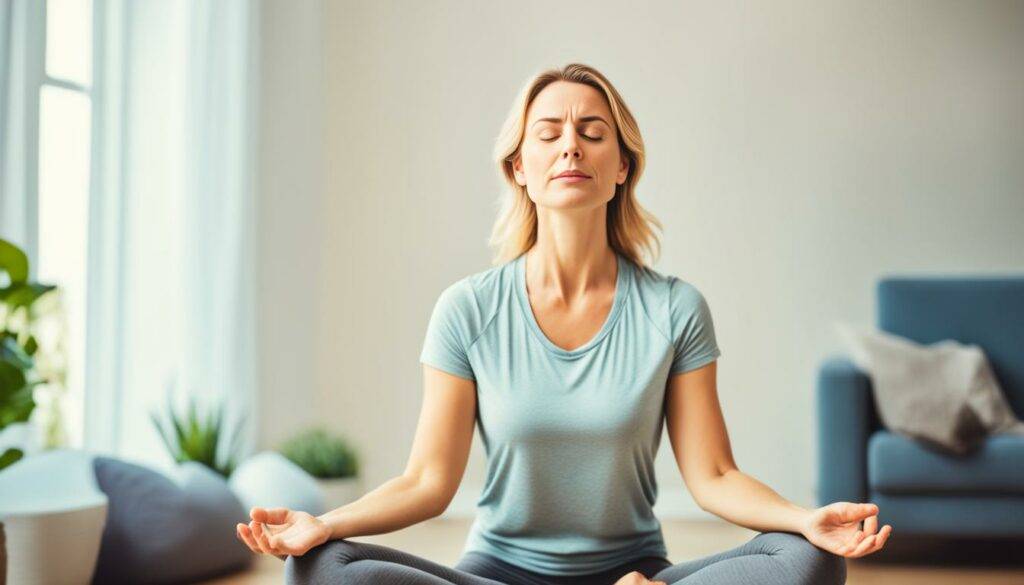
It is important to review our habits and have a positive attitude towards challenges. Empathy helps us understand people better. It is a technique widely used to control emotions. <sup>14</sup>
Practicing self-control is a way to grow personally and professionally. Through self-awareness, meditation, and physical activity, we can improve our behavior. This makes us more controlled and assertive.
Conclusion
This article has shown how self-control is very important and can be improved with effort and practice. We offer tips and techniques to strengthen this skill. This improves our behavior and how we interact with other people.
One important point is that self-control helps to avoid conflicts and improve our personal and professional relationships 16. In addition, it is linked to our life satisfaction and success in achieving our goals. People with good emotional control react better and have a better life 17 .
It's essential to know yourself and identify what affects you emotionally. This helps you stay focused on your goals.
Practicing techniques like meditation and setting long-term goals greatly helps with self-control. Choosing happiness instead of always wanting to be right helps us manage life better . Let's walk the path to becoming the best versions of ourselves, using what we've learned here.
FAQ
What is self-control?
Self-control is the ability to manage our emotions and actions. This helps us avoid impulsive reactions and better manage our feelings.
How can I develop my self-control?
To improve self-control, it's important to recognize your emotions and what triggers them. Practicing breathing techniques and establishing routines helps a lot.
What are the benefits of self-control?
Having self-control brings many benefits. It helps manage stress better, improves relationships with others, and increases the chances of achieving our goals.
How does self-control help in professional life?
At work, self-control helps us make more thoughtful decisions. It also keeps us focused on our goals and helps us cope with stress.
What exercises can I practice to improve my self-control?
Exercises like keeping an emotional journal and setting realistic goals are very helpful. Daily self-reflection also helps improve self-control.
What is emotional self-control?
Emotional self-control is the ability to manage our emotions. This allows us to make more thoughtful decisions and avoid impulsive reactions that can harm our relationships.
How can meditation help with self-control?
Meditation helps us relax our minds and increase concentration. This makes it easier to control our emotions and make better decisions.
Why is it important to identify emotional triggers?
Identifying what triggers strong emotions in us helps us plan our reactions. This prevents us from making hasty and impulsive decisions.
What are some tips for increasing self-control?
Creating routines and planning your day in advance are great strategies. Practicing simple exercises also greatly helps improve self-control.
🌟 Have you considered seeking a therapist to support your well-being journey?
If this article sparked reflections about positive changes in your life, perhaps now is the ideal time to take the next step. Do you know hypnosis as a therapeutic tool? This approach can be surprisingly effective for various personal challenges.
Special offer: Book a free 20-minute consultation with therapist Fabio Morus and discover how therapy can transform your life.
✨ No commitment — Completely free — 20 minutes that can make a difference
👉 Click here to book your free consultation
Don't postpone your well-being any longer. The first step to change is just one click away.