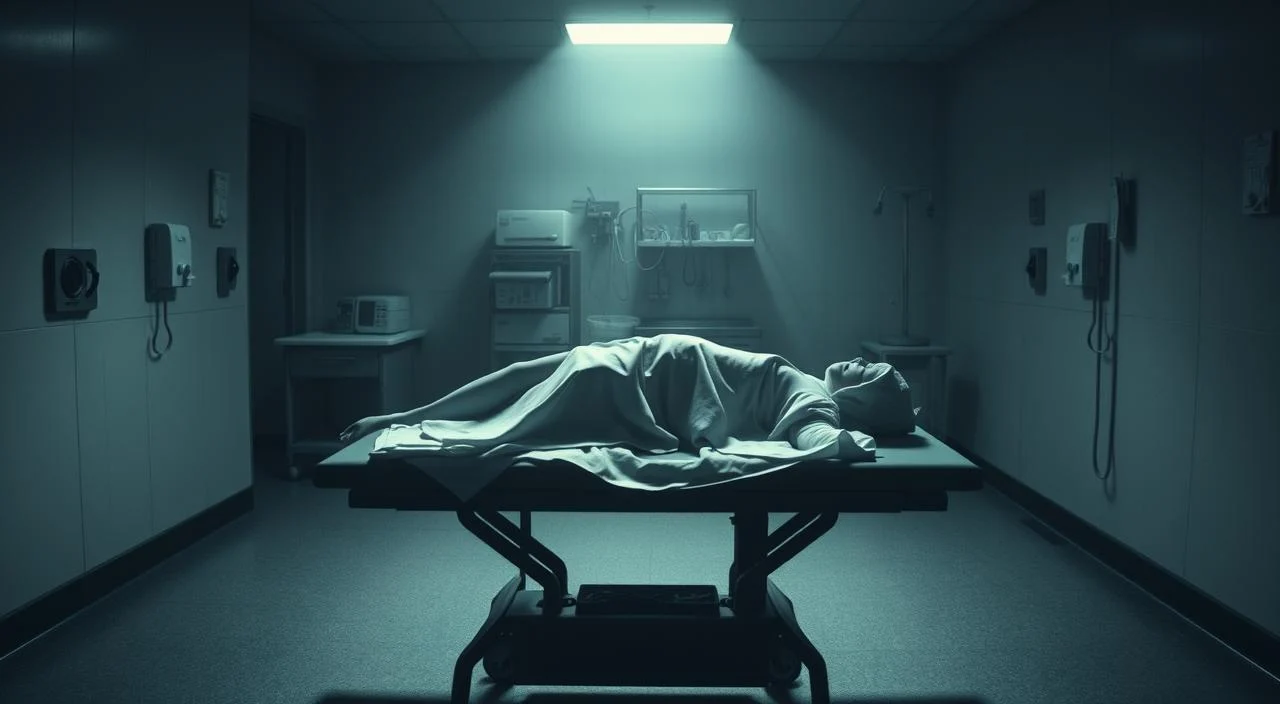

Have you ever felt paralyzed by the fear of corpses ? This fear, called thanatophobia or necrophobia , can be very strong. It can affect your daily life and your relationships with people.
The fear of corpses is a major emotional challenge. But, thankfully, it's possible to overcome it. Let's explore together how you can feel better and have a healthier relationship with death.
Understanding the Fear of Corpses and Its Effects
Thanatophobia , or fear of death , is a very strong fear. It can greatly affect people's lives. It's important to understand the causes and recognize the signs in order to cope with this fear.
What is Thanatophobia?
Thanatophobia is the pathological fear of death. For those who have it, thinking about death causes great fear and discomfort. This fear can affect daily life, relationships, and quality of life.
Common Causes of Fear of Corpses
There are several reasons for the fear of corpses . Losing a loved one can be one. Death being a taboo subject can also increase the fear. Genetics and personality also play a role.
Signs and Symptoms of Thanatophobia
The signs of thanatophobia vary. But they include:
- Anxiety when thinking about death or seeing corpses;
- Feelings of panic in situations related to death;
- Avoid funerals, cemeteries, or conversations about death;
- Feeling short of breath, having palpitations, or sweating when witnessing death.
It is essential to recognize these signs in order to seek help and confront the fear.
The Importance of Talking About Fear

Talking about fear helps break down stigmas surrounding death . Many people feel alone with their fears. This increases anxiety and discomfort.
Open dialogue eases these tensions. It also helps to understand that life is finite.
Breaking the Stigma
Stigmas surrounding death stem from culture and personal experience. Viewing death as taboo harms emotional health. By breaking down this stigma, people can share experiences and feelings.
Talking about fear demystifies topics that were previously considered unacceptable.
The Need for Dialogue
A dialogue about fear helps to demystify it. It also creates a safe space for sharing. By discussing fears, people find emotional support .
This sharing strengthens social bonds. It also helps to better understand mortality.
Support Resources
Support groups and therapy are very helpful. They offer a safe place to talk about fear of death. These spaces are welcoming and non-judgmental.
Mental health professionals are essential. They help facilitate these dialogues and offer emotional support .
Coping Techniques
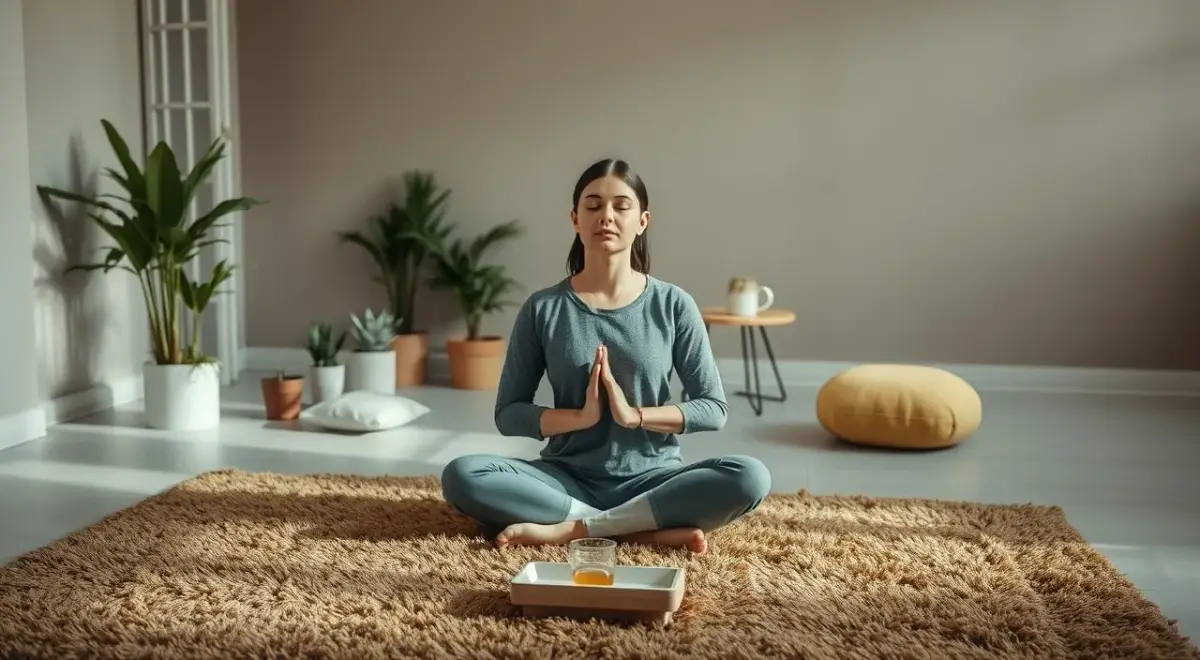
To overcome the fear of corpses , several strategies can help. Adding these techniques to our daily lives brings peace. Here are some practices that can alleviate this anxiety.
Conscious Breathing Practices
Conscious breathing calms the mind and body. Focusing on your breath brings control, reducing anxiety. In moments of stress, inhale through your nose, hold your breath for a moment, and exhale slowly.
This practice can be done anywhere. It increases well-being.
The Importance of Meditation
Meditation is a space to reflect on emotions related to death. When meditating, we observe thoughts without judgment. This helps with gradual acceptance.
Practicing meditation regularly improves the mind. It provides tools to face fears in a balanced way.
Visualization Exercises
Visualization exercises allow you to view death serenely. Imagine scenarios that bring peace, such as a sunset or a moment with loved ones. This technique transforms fear into understanding, helping you accept life.
Therapeutic Approaches
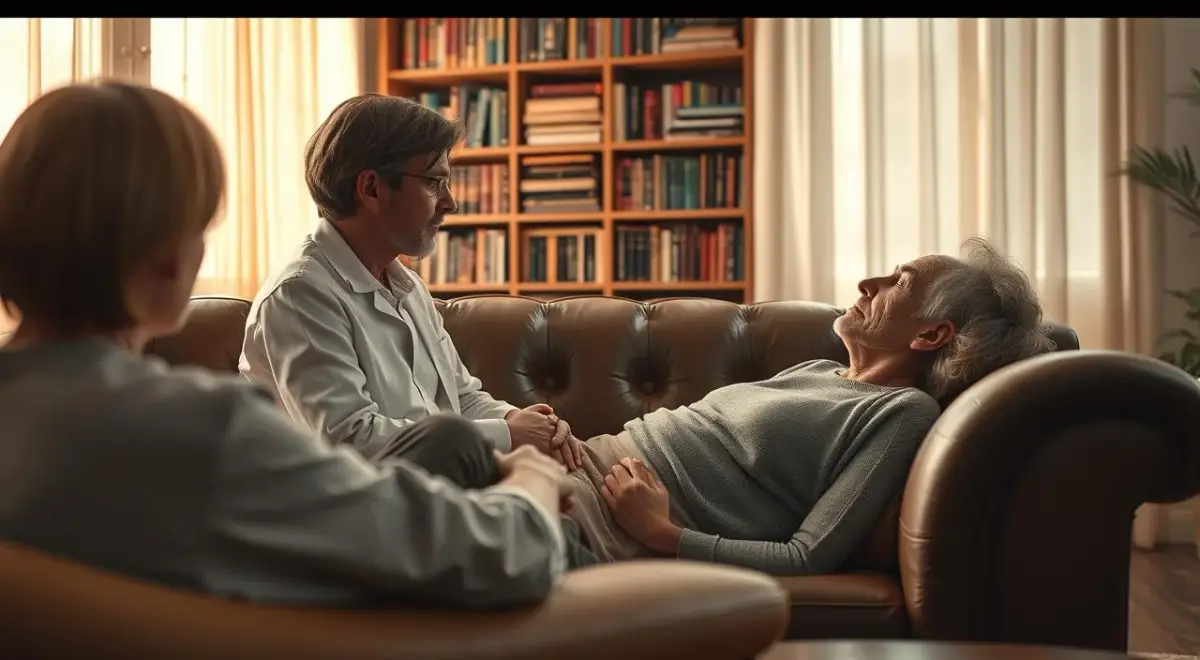
Finding techniques to deal with thanatophobia is crucial. Cognitive behavioral therapy helps to change negative thoughts. Exposure therapy is also effective, as it helps to confront the fear gradually.
Cognitive-Behavioral Psychotherapy
Cognitive behavioral therapy (CBT) focuses on thoughts, feelings, and behaviors. It helps to better understand death. This is very useful in treating thanatophobia, as it teaches how to restructure thoughts and become more emotionally resilient.
Exposure Therapy
Exposure therapy helps people confront their fear gradually. This creates a safe environment. Over time, people become more able to manage their emotions, decreasing anxiety about death and grief.
Other Types of Therapy
There are other therapies besides CBT and exposure therapy . Acceptance and commitment therapy, for example, helps to have a better relationship with death. It encourages accepting feelings of loss and living better. There are many options to find the right treatment for each person.
The Role of Informativeness
Learning about death helps people understand their emotions. Literature and film portray the fear of death in unique ways. They create a safe space for reflection and learning.
Education about death and the grieving process.
Understanding death is an important step in grieving. Education about death helps to view the topic more clearly. This allows people to confront their emotions more openly.
Literature and Films that Exemplify the Theme
Books and films about the fear of death offer a new perspective. They are not just for entertainment, but also for thinking about death. Books and films about loss can start important conversations.
Participation in Support Groups
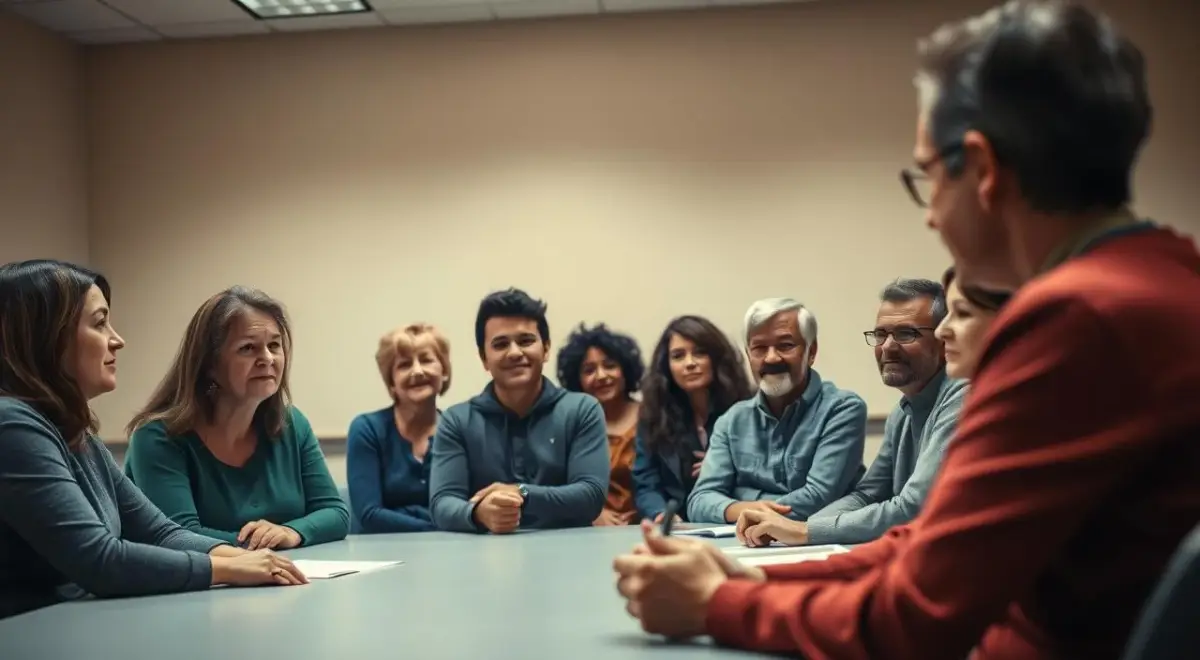
Support groups are very important for those dealing with grief. They offer a safe space to talk about their experiences. Mutual support strengthens emotional resilience and creates bonds.
Creating Healthy Connections with Death
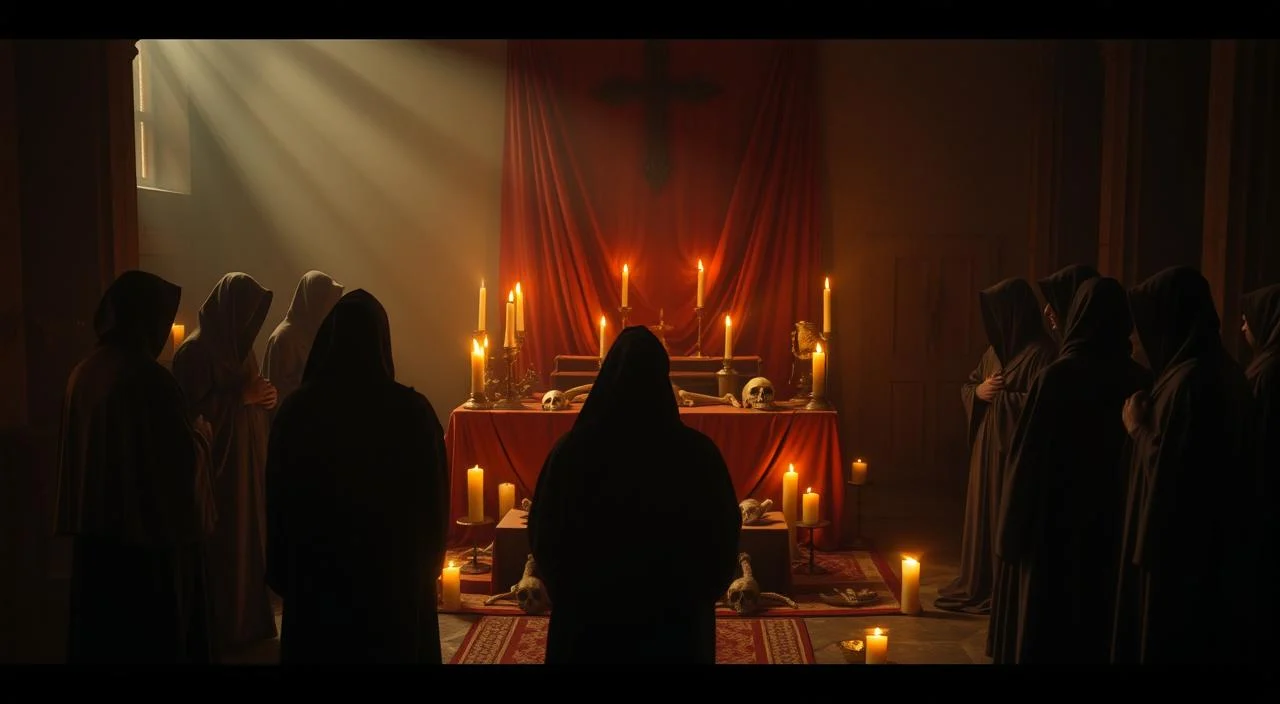
Performing rituals around death can be very enriching. These practices help to honor the departed and to understand death. They give new meaning to grief, keeping memories and legacies alive.
Rituals and Ceremonies
Rituals surrounding death vary greatly across cultures. It can be a funeral, a celebration of life , or something personal. These practices offer an opportunity to express feelings. They bring family and friends together, aiding in healing and reflection.
Celebrating Life
Celebrating life is essential. It's important to remember the happy moments with those who have passed away. Doing what they enjoyed, telling stories, and laughing keeps their memory alive. This creates a positive connection, honoring their legacy.
The Need for Acceptance
Accepting death is crucial for coping with grief. Knowing that death is part of life alleviates fear and sadness. This acceptance doesn't take away the pain, but it transforms it. Integrating acceptance of death into our lives helps us have a more balanced relationship with it.
The Cultural Relationship with Death

Different societies view death in unique ways. This reflects their values, beliefs, and traditions. Understanding *culture and death* helps us see how people cope with loss.
In some places, death is celebrated. In others, it's a sensitive subject. The way society views death varies greatly, influenced by norms and beliefs.
Cultural Differences in Dealing with Death
How death is dealt with varies greatly between cultures. For example:
- In African cultures, death is a transition. There are rituals to honor the deceased.
- In the West, death is a taboo topic. It is viewed with fear and discomfort.
- In indigenous traditions, the connection with ancestors is celebrated. This represents a cycle of life and death.
Representations of Death in the Media
The media and death have a complex relationship. How the media portrays death affects the public. Often, death is shown in a sensationalist way.
This can increase fear instead of helping to understand better. Television, movies, and news can reinforce stigmas about death . This can increase thanatophobia in society.
The Influence of Religious Beliefs
Religious beliefs about death offer comfort. They help people cope with loss and the uncertainty of what comes after. Each religion has a unique view on death.
- Christianity speaks of eternal life and resurrection.
- Hinduism speaks of reincarnation, viewing death as a cycle.
- Buddhism views death as a natural part of life, encouraging acceptance.
Tips for Mental Health Professionals

Working with a fear of corpses requires sensitivity. Mental health professionals are essential in providing help. They identify phobias such as thanatophobia, which greatly affects patients.
Knowing the best therapeutic tools is very helpful. This allows professionals to help patients face their fears in a positive way.
Identifying Fear in Patients
Identifying phobias is an important step. Professionals should pay attention to verbal and nonverbal cues. This helps to determine if the patient has a fear of corpses.
Good listening and understanding are essential. They create a safe environment for the patient to reveal their feelings. Questionnaires and interviews help to understand how scared the patient is.
Tools to Help Patients
Using specific therapeutic tools helps a lot. Cognitive-behavioral therapy and exposure therapy are good options. They allow the patient to get used to the fear in a controlled way.
Art and writing activities are also helpful. They help express emotions in a healthy way.
Importance of Awareness
Talking about death and fear is essential. Professionals should explain the realities of death clearly. This helps to demystify the subject.
Open dialogues are important. They allow patients to share their experiences and fears. This strengthens the relationship between therapist and patient, making treatment more effective.
Initiatives for Reducing Collective Fear
Awareness campaigns are very important. They help reduce the fear of death. By talking about death, we can change the way we see it.
These campaigns educate the public. They transform fear into open conversations. This helps people understand and accept death.
Awareness Campaigns
Well-designed campaigns draw attention to the fear of death. They can include:
- Educational lectures in schools.
- Workshops on palliative care.
- Informative materials in the communities.
Education in Schools and Communities
Education about death is crucial. It should be part of the curriculum. This way, children and teenagers learn about life.
Communities can also come together. They can organize events and discussions. This helps to better understand death.
Promoting Conversations About Death
Talking about death in families and groups is essential. It helps to normalize the subject. Discussing death allows people to express their fears.
These safe spaces are important. They help people cope with life's losses in a different way.
Personal Narratives and Testimonies
Personal stories are very important for overcoming the fear of death. They inspire and create an emotional connection. They show that it is possible to overcome great challenges.
Stories of Overcoming Adversity
These stories of fear show how people cope with their insecurities. Some have found support in faith, others in therapy. These stories offer hope to those who are still struggling.
The Impact of Sharing Experiences
Sharing experiences makes everyone feel less alone. Talking about fears and feelings makes the subject easier to discuss. This can motivate many people to seek help.
Lessons Learned and Reflections
Thinking about death changes the way we live. Many learn to value life more. The stories teach us to live in the present and accept death.
Resources and Recommended Readings
Learning about death helps to understand the fear of death. Various resources about death can be helpful. Books, documentaries, and online communities are good options for learning more.
Books about Death and Psychology
Books about death and its emotional effects are important. They help to understand the psychology of death. Here are some recommended readings :
- Death is a Day Worth Living - Nuno Cobra
- How to Deal with Death - Gonçalo Cadilhe
- The Five Stages of Grief - Elisabeth Kübler-Ross
Documentaries that address the topic.
Documentaries show death in different ways. They tell stories of people facing death. Here are some documentaries about thanatophobia :
- Before I Die - The process of accepting death .
- Defining Death - Exploring the boundaries between life and death.
- Griefwalker - The walk of someone who understands the pain of grief.
Support Sites and Communities
Connecting with others who have similar experiences is important. Online communities are a safe place to learn and share. Here are some platforms that can help:
- Crossing Borders (cruzandofronteiras.com) - Community about loss and grief.
- The Book of Death (olivrodamorte.com) - Resources and discussions about death.
- Local and online support groups - Important for sharing experiences and receiving support.
These resources provide a good foundation for understanding death. They help in dealing with the emotions it brings. Reading and watching this content can enrich your journey of self-discovery.
The Importance of Bereavement Support
Understanding emotional loss is crucial to helping those who are grieving. Each person reacts uniquely. Recognizing this helps to provide more sensitive and effective support.

What is Loss and what is its Impact?
Loss brings strong emotions, such as sadness and anger. It can change a person's life, affecting their relationships. It is a time that calls for understanding and patience.
Ways to Help Someone in Grief
There are several ways to help someone who is grieving. Here are a few suggestions:
- Offer a non-judgmental listening ear, allowing the person to express their emotions.
- Validate her feelings by showing her that her reactions are normal and understandable.
- Be present, creating opportunities for the person to talk or even just be silent with you.
Follow-up and Active Listening
Active listening is very important. This means truly listening to the person, showing interest. Ongoing follow-up helps with emotional recovery. It offers a safe space to share grief.
Cultural Practices and the Acceptance of Death
Cultures around the world have different ways of dealing with death. The symbolism of mourning helps people understand and accept loss. Knowing about these practices can lessen the fear of death.
The Symbolism of Mourning in Different Cultures
Each culture has its own symbols and rituals for mourning. For example, in the West, black symbolizes mourning. In the East, white represents death and purity. This diversity shows how each society experiences death in a unique way.
Rituals that Transform Fear into Celebration
The Day of the Dead in Mexico is one example. It transforms mourning into a celebration of life . These cultural practices help to see death as part of life, bringing emotional relief.
Death as a Natural Part of Life
Many philosophies and religions teach that death is natural. This helps people connect with their emotions. Understanding death as part of life reduces fear and anxiety.
Preparation and Planning in Life
Planning your life helps reduce anxiety about death. Knowing about wills and death preparations brings emotional balance. This gives a sense of control and security for the future.
Reflections on Wills and Final Plans
A will defines how you want your assets to be divided. Thinking about it brings peace of mind. You know your wishes will be respected.
With a will, you avoid family disputes and ensure your loved ones are well cared for.
The Importance of Advance Conversations
Talking about wills and final plans with family helps with preparation. These conversations create a safe space to express feelings. They transform fear into understanding and acceptance.
Models of Preparation for Death
Preparing for death involves both practical and emotional aspects. It includes:
- Wills and legal documents;
- Funeral and burial plans;
- Discussions about end-of-life care and personal wishes.
These preparations help the family cope with the loss. They create an environment of respect and remembrance, not confusion.
Conclusions and Final Reflections
We explore the complex relationship with death and its importance for emotional well-being. Accepting death as part of life is essential for emotional freedom . This acceptance demystifies the topic and gives us a new perspective on life.
Reaffirming the Need to Accept Death
Accepting death is crucial for living authentically. By accepting it, we can explore repressed feelings. This helps us heal emotionally and grow.
The Path to Emotional Freedom
To achieve emotional freedom , we must confront the fear of death. This journey challenges us to face our fears. In doing so, we find a new meaning to life.
Strengthening Resilience in the Face of Fear
Strengthening our resilience in the face of the fear of death is vital. Understanding that death is natural gives us the courage to live life to the fullest. Accepting death motivates us to live each day with joy.
🌟 Have you considered seeking a therapist to support your well-being journey?
If this article sparked reflections about positive changes in your life, perhaps now is the ideal time to take the next step. Do you know hypnosis as a therapeutic tool? This approach can be surprisingly effective for various personal challenges.
Special offer: Book a free 20-minute consultation with therapist Fabio Morus and discover how therapy can transform your life.
✨ No commitment — Completely free — 20 minutes that can make a difference
👉 Click here to book your free consultation
Don't postpone your well-being any longer. The first step to change is just one click away.