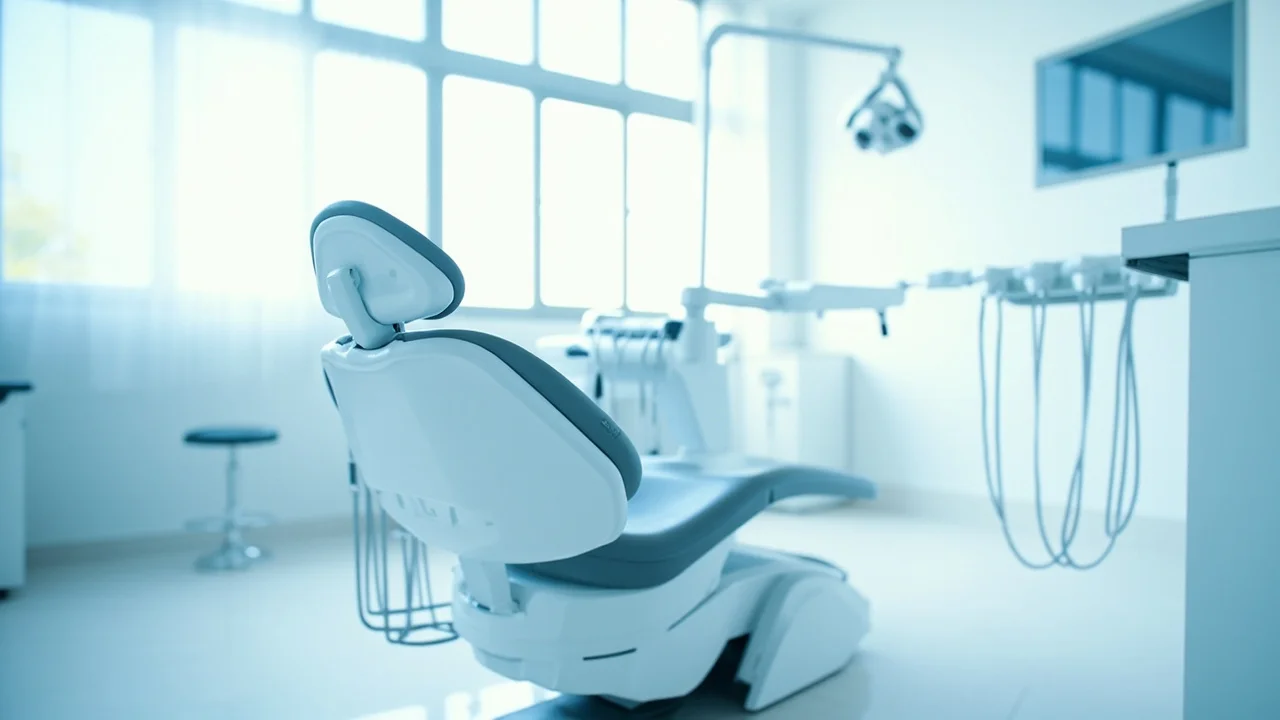

Feeling your stomach tighten at the mere thought of the dentist's chair is more common than it seems. Around 36% of US adults report some degree of fear of dental treatment, and 12% describe that fear as extreme, according to the Cleveland Clinic. As a hypnotherapist, I often see people who put off dental care for years despite pain. Pain is rarely the real reason. More often it is the anticipation of losing control, of embarrassment, of distress.
This fear has a name: dental phobia, or odontophobia. This guide explains what it is, where it comes from, and which techniques actually help reduce anxiety before and during dental treatment, without promising an instant cure or replacing a professional assessment.
Quick answer: fear of the dentist is not weakness. It can range from mild discomfort to dental phobia, where someone avoids appointments even with pain or a real need for treatment.
- According to the Cleveland Clinic, 36% of US adults report some degree of unease around dental treatment.
- Severe avoidance is much rarer: about 3% of adults in industrialised countries avoid dental appointments completely.
- Gradual exposure, CBT, relaxation, guided imagery and hypnotherapy are the management options the Cleveland Clinic and the NHS name most often.
- If there is severe pain, swelling, fever, bleeding or suspected infection, fear should not delay dental assessment.
What is fear of the dentist (dental phobia)?
Dental phobia is a persistent and disproportionate anxiety pattern around dental treatment, with avoidance even when care is needed. Around 3% of adults in industrialised countries avoid the dentist completely because of this pattern, the Cleveland Clinic estimates. Women are more affected than men: 5% versus 3%.
In Brazil, a literature review published in the Revista da Associação Paulista de Cirurgiões Dentistas (Barasuol et al., 2016) describes national studies where moderate to high dental anxiety ranged roughly from 8.2% to 20%, depending on the sample and measurement tool. Rarely is the fear about the dentist as such; it is usually about what the experience represents, such as loss of control, anticipated pain or an old memory that still carries weight.
What are the symptoms of fear of the dentist?
Signs can range from mild discomfort to intense physical reactions, often before a person even steps into the surgery. According to the Cleveland Clinic, common signs include chills, dizziness, palpitations, nausea, poor sleep the night before, and crying at just the thought of the appointment.
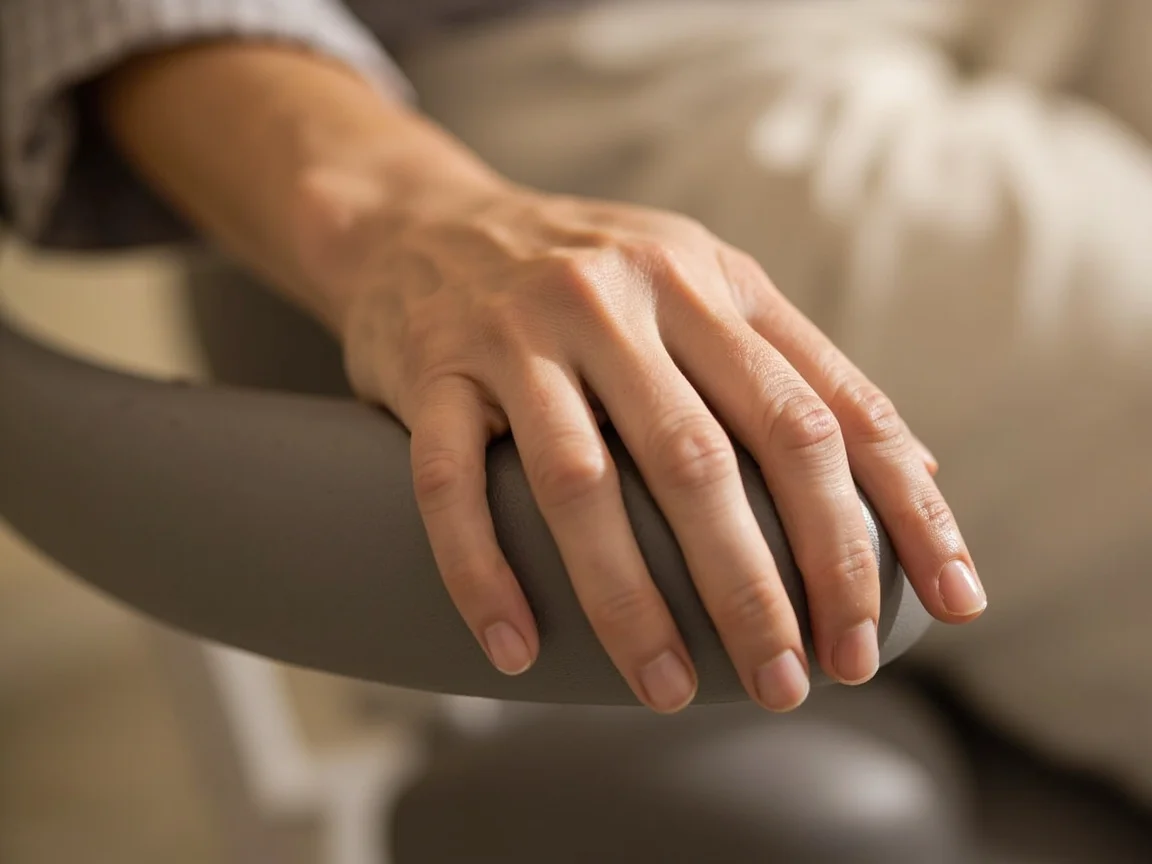
These symptoms typically start days before the scheduled appointment and get worse in the waiting room. I often see the fear tied to the drill sound or the feeling of losing control lying back, not pain itself. Naming that trigger already helps.
Most commonly reported physical signs
There is also shortness of breath, cold hands, a dry mouth and tension in the jaw and shoulders. They start days ahead and intensify the closer the appointment gets, a classic pattern of anticipatory anxiety. Reassuringly, they settle on their own once the appointment is over or cancelled, which helps tell them apart from a physical health problem. If the reaction is very intense, with a feeling of fainting or panic, note what happened and take it to the dentist and, if needed, a mental health professional. For a broader look at how anxiety shows up in the body outside the surgery, the complete guide to anxiety symptoms covers the same kind of reaction in other contexts.
Common triggers in the surgery
Most cited triggers are sensory: the drill sound, the smell of dental products, the reclined chair. Having your mouth held open with no way to speak, the bright light on your face and the closeness of the clinician add to it. Often it is not the procedure that frightens. Someone tolerates a simple clean and freezes at the sound of a handpiece. Knowing which stimulus sets off the reaction makes the plan concrete: you can agree pauses, headphones with music, or a walk-through of each step with the dentist in advance.
Why does fear of the dentist develop?
This fear usually stems from a combination of direct experience, observational learning and an individual predisposition to anxiety. Specific phobias in general, not limited to the dental surgery, affect 9.1% of US adults each year according to the NIMH, more common in women (12.2%) than men (5.8%).

A painful appointment in childhood, a frightening comment from a close adult, or even hearing someone else's account can plant the seed of fear years before it shows up clearly. Loss of control, negative experiences, observational learning and traumatic history also appear as possible pathways in the Cleveland Clinic material. In hypnotherapy, dental fear often traces back to an old memory, and working through that helps more than relaxation alone. That origin helps choose the focus: some people need to practise approaching the surgery in small steps; others first need to reduce the body response triggered by smell, sound or the chair position.
To understand the general mechanisms behind any specific phobia, such as direct conditioning and biological predisposition, it's worth reading the complete guide to phobias.
Is fear of the dentist the same as dental phobia?
Dental anxiety and dental phobia sit on a scale of intensity, and not everyone who feels anxious in the surgery has a diagnosable phobia. A systematic review published in the Journal of Dentistry (Silveira et al., 2021), drawing on data from 72,577 adults across 31 studies, found 15.3% with dental anxiety and fear, 12.4% with high fear, and 3.3% with severe dental fear and anxiety, a measure that does not by itself equal a clinical diagnosis. This high-fear figure uses a different scale from the Cleveland Clinic's 12% "extreme" figure cited in the introduction.
| Measured category | Prevalence | Typical impact | Approach |
|---|---|---|---|
| Dental fear and anxiety overall | 15.3% | Waiting-room discomfort, with variable intensity | Clear information and reassurance during care |
| High fear | 12.4% | Occasional postponement, noticeable physical tension | Relaxation techniques and open communication with the dentist |
| Severe fear | 3.3% | Prolonged avoidance, anticipatory panic | Structured approach: gradual exposure, CBT and complementary support when appropriate |
Prevalence figures: Silveira et al., 2021. Per-tier approaches are described in general terms by the Cleveland Clinic and the NHS, not as a fixed severity-to-treatment map.
Not every case needs specialist treatment. Mild dental anxiety often eases with nothing more than clear information and some reassurance in the chair. Severe fear is a different matter: rarer, more intense, and usually in need of a structured plan that pairs psychological techniques with real adjustments to how the dental care itself is delivered.
Techniques that actually help
Clinical sources most often cite gradual exposure, restructuring unhelpful thoughts and relaxation techniques for fear of the dentist. Exposure therapy is one of the main approaches pointed to by the Cleveland Clinic, complemented by CBT, distraction, guided imagery, hypnotherapy, relaxation and, in some cases, sedation during the procedure.

Among the treatment options for phobias, the NHS lists hypnotherapy alongside CBT and, in some cases, medication. I use anchoring and guided visualisation before a dental appointment, so the person goes in calmer. My suggested sequence is simple: before booking, talk about the fear; before going in, breathing and relaxation; in the chair, an agreed pause signal; afterwards, note what worked for next time.
Combining these techniques with open communication with the dentist, including agreeing on signals for pauses during the procedure, can reduce the feeling of losing control reported by people with fear of the dentist. Your first goal is concrete: get to the appointment, stay long enough to be assessed and leave with a next step that feels possible.
When should you seek professional help?
It's worth seeking professional support when the fear starts interfering with daily life, not just on appointment day. That threshold is plain in the NHS guidance: a phobia becomes clinically relevant when symptoms significantly affect a person's life.
Signs it's worth seeking help include putting off necessary treatment for years, feeling panic just booking the appointment, or having already cancelled appointments at the last minute more than once because of fear. If fear of the dentist appears alongside a fear of needles or injections, the guide to trypanophobia has strategies specific to that trigger, which adds to the surgery-related fear without being the same thing. A similar situational avoidance pattern shows up with fear of sleep: the trigger changes, but the gradual-exposure logic is the same.
Frequently asked questions
Is fear of the dentist considered an official phobia?
Only once it reaches the level of clinically significant dental phobia. The Cleveland Clinic estimates that around 3% of adults avoid the dentist altogether because of fear, while 36% report only some degree of discomfort with no serious functional impact.
What are the most common physical symptoms of fear of the dentist?
Chills, dizziness, palpitations, nausea and poor sleep the night before an appointment are the most reported signs, according to the Cleveland Clinic. Many people also cry or feel panic just thinking about the surgery, before any procedure has even started.
Does hypnotherapy actually help with fear of the dentist?
The NHS lists CBT, talking therapies and, in some cases, medication among options for phobias. Hypnotherapy also appears in the NHS and Cleveland Clinic material, but here it should be understood as complementary support within a clinical and dental plan, not as a replacement for gradual exposure, CBT or necessary dental treatment.
Can children be afraid of the dentist?
Yes. The fear can appear early and deserves attention when it leads to intense crying, escaping the appointment or delaying necessary care. For children and teenagers, it is best to speak with a paediatric dentist and move in small steps.
When does fear of the dentist stop being normal and become a serious problem?
According to the NHS, a phobia becomes clinically relevant once symptoms start affecting a person's life, for example leading to repeated postponement of necessary treatment. If that's already happening, it's worth seeking professional support.
Conclusion
This fear is common, measurable and, in most cases, possible to manage with the right tools. Those numbers trace a clear scale: 36% feel some discomfort, around 15% have relevant dental anxiety, and a smaller share, close to 3%, show severe fear or complete avoidance, according to the Cleveland Clinic and Journal of Dentistry data cited above.
There's no promise of a definitive cure here, but there is effective management: gradual exposure, CBT, relaxation techniques and, for those drawn to this approach, complementary hypnotherapy. If fear is already leading you to put off important treatment, it's worth talking to a professional. Book a free 20-minute initial session with hypnotherapist Fabio Morus to see whether this approach makes sense for you.
Important: if there is severe pain, swelling, fever, bleeding, trauma or suspected infection, seek dental or medical care urgently. Hypnotherapy can help with fear management, but it does not replace dental diagnosis or treatment.
Sources and references
- Cleveland Clinic. Dentophobia (Fear of Dentists). Updated 31 Mar. 2022. Available at: https://my.clevelandclinic.org/health/diseases/22594-dentophobia-fear-of-dentists. Accessed 10 Sept. 2026.
- NHS. Phobias: Overview. Reviewed 11 Mar. 2026. Available at: https://www.nhs.uk/mental-health/conditions/phobias/overview/. Accessed 10 Sept. 2026.
- National Institute of Mental Health (NIMH). Specific Phobia. Available at: https://www.nimh.nih.gov/health/statistics/specific-phobia. Accessed 10 Sept. 2026.
- Silveira ER, et al. (2021). Estimated prevalence of dental fear in adults: A systematic review and meta-analysis. Journal of Dentistry. Available at: https://research.sahmri.org.au/en/publications/estimated-prevalence-of-dental-fear-in-adults-a-systematic-review/. Accessed 10 Sept. 2026.
- Barasuol JC, et al. (2016). Abordagem de pacientes com ansiedade ao tratamento odontológico no ambiente clínico. Revista da Associação Paulista de Cirurgiões Dentistas. Available at: http://revodonto.bvsalud.org/scielo.php?script=sci_arttext&pid=S0004-52762016000100013. Accessed 10 Sept. 2026.