
Have you ever felt paralyzed by anxiety? Is there a way to deal with this condition effectively, even when we are alone? The answer is yes! In this article, we will explore 5 proven techniques that can help us overcome anxiety attacks and regain emotional control, even when facing these challenges alone. Let's discover together how we can manage anxiety in a practical and immediate way.
Anxiety arises when we anticipate a threat, real or imagined. It can be paralyzing and detrimental to our lives. Fortunately, there are proven techniques to combat anxiety in the moment. Fortunately, there are some proven techniques to combat anxiety the moment it "strikes" 1 .
In this article, you will learn 5 effective techniques to manage anxiety on your own. We will see how to deal with the symptoms and regain emotional control in a practical way. We will explore breathing strategies, meditation, thought management, and other approaches that can make all the difference.
What is anxiety and how does it affect our lives?
Anxiety is a feeling that arises in challenging or stressful situations. But when it becomes too strong and affects our daily lives, it can be an anxiety disorder .
Physical and psychological symptoms of anxiety
Symptoms of anxiety can be physical or psychological. When they are strong and long-lasting, they can affect our well-being and how we perform in various areas of life.
The impact of anxiety on daily life.
Chronic anxiety can affect our work, relationships with others, and quality of life.
https://www.youtube.com/watch?v=BVm4P6icaGI
"Anxiety can manifest with intense symptoms, characterizing an anxiety attack, affecting both physical and emotional health." 2
The importance of seeking professional help.
Seeking help from a psychologist or psychiatrist is very important . Brazil has a high incidence of anxiety, with 18.6 million people affected. This represents about 9.3% of the population . Therefore, it is crucial to seek professional help to treat anxiety .
Types of therapy for anxiety
Cognitive behavioral therapy helps to change thoughts and behaviors that cause anxiety . Psychological support improves symptoms and prevents future crises. It also helps to create strategies for managing anxiety in the future.
Benefits of psychological support
4. The right treatment can prevent anxiety from becoming a bigger problem. 5. The Marcelo Parazzi Clinic offers various therapies, including CBT and treatments with psychiatrists and psychologists. 5 .
" Psychological support offers benefits such as symptom improvement, prevention of future crises, and the development of personalized strategies for long-term anxiety management."
Progressive Muscle Relaxation Technique
Progressive muscle relaxation was created by Edmund Jacobson in the 1930s. It is an effective technique for combating anxiety . It consists of contracting and relaxing specific muscle groups in the body. This helps to focus on the present moment and increases awareness of physical sensations.
This technique also helps to combat stress . Chronic anxiety can cause muscle contractions 7. The exercises include contracting and relaxing muscles in the feet, legs, abdomen, shoulders, and neck. They are accompanied by calm and slow breathing 6 .
Breathing and relaxation exercises
- Breathe in deeply through your nose, feeling your abdomen expand.
- Exhale slowly through your mouth, noticing your abdomen contract.
- Repeat this breathing cycle for a few minutes.
- Focus on relaxing each muscle group in your body, one by one.
Progressive muscle relaxation can help reduce anxiety, improve sleep, and alleviate various stress-related health conditions. 7
https://www.youtube.com/watch?v=vgxwvDEBW8o
" Progressive muscle relaxation has been shown in studies to help relieve anxiety and stress, as well as facilitate sleep for highly stressed patients." 8
Diaphragmatic breathing: an ally against anxiety.
Diaphragmatic breathing is an ally against anxiety. It involves the movement of the abdomen. Unlike shallow breathing, which worsens anxiety, abdominal breathing calms the nervous system.
How to do abdominal breathing correctly.
To breathe correctly, sit with your spine straight. Place one hand on your abdomen and the other on your chest. Inhale slowly, filling your belly with air, and exhale, emptying it without moving your chest. This technique can be very useful against anxiety.
Studies show that breathing correctly can combat stress and anxiety . It can also alleviate depression.9 Deep breathing increases oxygen, leaving the body energized and the mind relaxed.9
Breathing through alternate nostrils for five minutes can relax and balance the body. It's good before meditation . This technique is effective against stress and anxiety .
Proper breathing can remove up to 80% of toxins from the body 10. It also strengthens the respiratory muscles, lowers blood pressure and reduces the risk of heart attack 10 .
So, diaphragmatic breathing is a simple and effective technique for combating anxiety. It brings many benefits to physical and mental health.
"Breathing is one of the best ways to calm the mind and body during moments of anxiety." - Mental Health Specialist
The CALM DOWN strategy for dealing with crises.
Psychologist Bernard Rangé created the CALM DOWN strategy . It uses mindfulness to deal with anxiety when it arises . It helps to focus on the present moment, accept anxiety, and relax body and mind.
The "CALM DOWN" program has eight steps to deal with anxiety crises or panic attacks . They are:
- Accept your anxiety - Accept that anxiety is normal and don't fight against it.
- Observe the things around you - Focus on your surroundings and notice the details.
- Manage your anxiety – Act normally, as if you weren't anxious.
- Clear the air from your lungs - Inhale through your nose and exhale through your mouth 11 .
- Keep following the previous steps - Repeat the steps until the anxiety decreases.
- Examine your thoughts - Observe your thoughts without judging them and rationalize your worries .
- Smile, you did it - Congratulate yourself for overcoming crisis 12 .
- Expect the best - Wait calmly, knowing that anxiety is normal 11 .
This mindfulness technique strategy is very useful for dealing with anxiety attacks and managing anxiety symptoms . By focusing on the present moment and relaxing, it is possible to overcome crises effectively.
https://www.youtube.com/watch?v=qfj3ZhxwOWY
How to control an anxiety attack on your own
In addition to the CALM DOWN strategy , there are other mindfulness and attention techniques for managing anxiety on your own . These approaches focus on observing the present moment. This helps to avoid negative thoughts about the future .
Mindfulness Exercises
Exercises such as observing the environment and mentally describing what you see can calm the mind. They also help reduce the symptoms of anxiety attacks 13 .
- Pay close attention to the details of the environment, such as colors, shapes, and textures.
- Mentally describe what you see, hear, and feel in the present moment.
- Let thoughts come and go without clinging to them or judging them.
These mindfulness techniques help to focus on the present. This avoids future worries and helps in controlling anxiety attacks 13 .
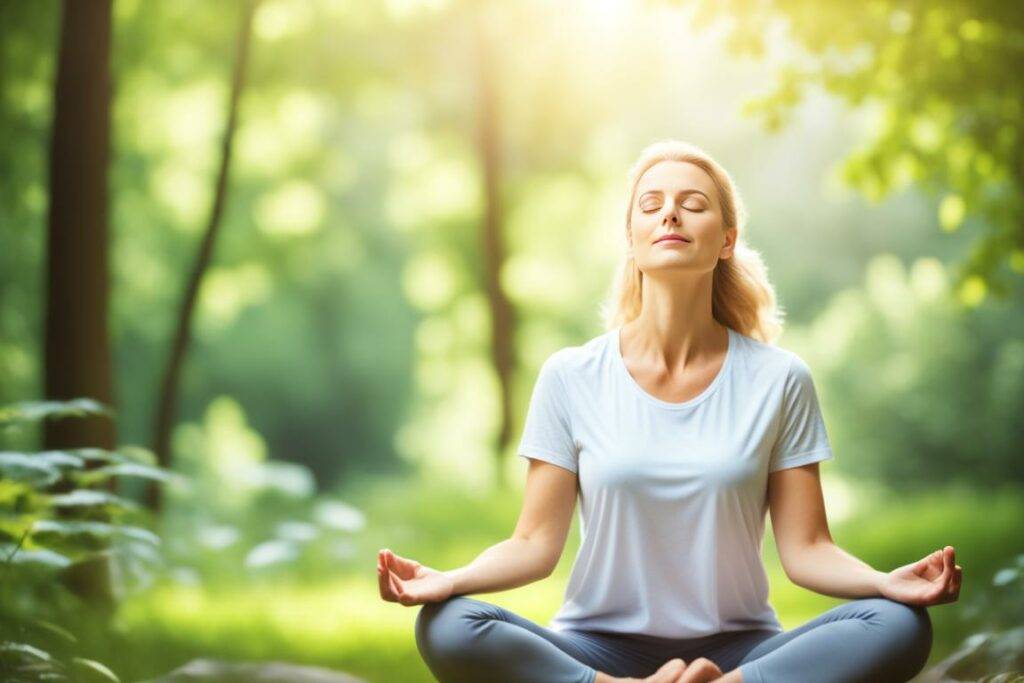
"The practice of mindfulness can be transformative, allowing you to become an observer of your own thoughts and emotions, instead of being controlled by them."
With regular practice of mindfulness techniques , you can improve in managing anxiety attacks . This prevents them from becoming overwhelming. 13 14
Physical activities and meditation to reduce anxiety.
Practicing physical activities and meditation helps to reduce anxiety 15. Exercises such as walking and running release hormones that are beneficial 16. Regular physical activity can alleviate chronic anxiety in up to 40% of cases 16. In just three weeks, you may notice an improvement in your mood 16 .
Meditation and yoga focus on the present, reducing negative thoughts 17. They improve concentration and reduce stress 17. These practices calm the nervous system and improve mood 15 .
- 17. Start with 5-minute meditations per day and increase as needed.
- 17 There are various meditation techniques, such as mindfulness and guided meditation.
- 17. Progressive muscle relaxation is divided into three stages to relax the body.
- 17 Breathing exercises , such as counting to seven seconds, help to calm the mind.
- 17 Yoga brings benefits to mind and body, such as better sleep and a strengthened immune system.
- 17. Stretching the body relaxes the mind and relieves anxiety and muscle tension.
Combining exercise and meditation can greatly improve anxiety 15. A study from the University of New Jersey showed that meditation and physical activity reduced depressive symptoms in 52 people 15. Physical activity also improves sleep in 70% of people 16 and reduces stress by up to 50% in people with chronic anxiety 16 .
https://www.youtube.com/watch?v=gPBMx8ncRxg
Adding physical activity and meditation practices to your daily routine helps combat anxiety . 85% of experts recommend activities like cycling and meditation to cope with anxiety . Dedicating 30 minutes a day to these activities can reduce the risk of psychological disorders by 20%.
Avoid stimulants.
Substances like caffeine, nicotine, and energy drinks can worsen anxiety . They activate the sympathetic nervous system, increasing anxiety symptoms . Avoiding or reducing consumption of these substances helps control anxiety . Opting for more calming foods and drinks can soothe the body.
Caffeine, nicotine, and other harmful substances.
Reducing or stopping the consumption of caffeine and other stimulants helps control anxiety 19. They stimulate the nervous system, worsening anxiety symptoms 18. Avoiding energy drinks is essential for mental health 18 .
Excessive nicotine use also worsens anxiety, creating a cycle of relief and relapse 18. Relaxing foods and drinks, such as herbal teas, can soothe and reduce anxiety 18 .
It is crucial to be aware of the effects of stimulant substances on mental well-being 18. Avoiding or reducing their consumption is fundamental to taking care of mental health 18 .
"The practice of physical activity is crucial for the treatment of anxiety, releasing substances that promote well-being and helping to control symptoms." 20
Organization and time management
Having an organized routine helps control anxiety . Making a to-do list and prioritizing tasks is important . This helps us deal with challenges more calmly. It's crucial not to overload your schedule and to do what you can to avoid feeling unwell . This way, we feel more in control and it reduces anxiety.
Creating a Balanced Routine
Having a balanced routine is fundamental to being productive and happy . Start by listing your daily activities, separating them by priority and setting a realistic time for each one. Don't forget to include time for rest and fun, to recharge and face challenges with more energy.
- Create a daily schedule with priority tasks.
- Establish realistic schedules for each activity.
- Plan moments of rest and leisure throughout the day.
- Be flexible, adjusting your routine as needed.
Organizing your routine helps you feel more in control, which can reduce anxiety 21 .
https://www.youtube.com/watch?v=NXyWfUjXtSU
"Routine gives us a sense of security and control, which is essential for dealing with anxiety."
Time management improves with practice . Be patient and make adjustments when necessary. This way, you create a routine that benefits your mental health.
Sleep hygiene: the importance of a good night's rest.
Sleep is essential for our physical and mental health. A good night's sleep not only restores our brain functions but also plays a crucial role in reducing anxiety 22. Sleep hygiene involves creating an environment conducive to relaxation, such as a dark bedroom and avoiding the use of screens before bed 23 .
Furthermore, activities such as reading a book or listening to calming music can help induce sleep 23. This is because deep sleep restores brain functions, contributing to mental and physical recovery 22. Therefore, prioritizing sleep quality is an essential strategy for managing anxiety.
- Establish a consistent and regular sleep routine , as it is crucial for good quality rest 23 .
- Practice relaxation techniques , such as meditation, reading, or listening to music, to help reduce anxiety and promote restful sleep 23 .
- Avoid heavy and stimulating foods before bed, opting instead for a light dinner and relaxing tea 23 .
- Try the 4-second breathing technique to control anxiety before bed 23 .
| Statistic | Reference |
|---|---|
| Insomnia is one of the most common symptoms of anxiety disorders, demonstrating the close relationship between anxiety and sleep patterns. | 22 |
| Mental hyperarousal caused by anxiety is a determining factor in difficulty falling asleep or staying asleep. | 22 |
| Anxiety disorders can affect emotional, psychological, and physical functions, impairing daily activities, productivity, and relationships. | 22 |
| Anxiety at bedtime can affect sleep quality, interfering with adequate rest. | 22 |
| The practice of therapy, whether for occasional anxiety or anxiety disorders, can contribute to strategies that ease the mind and improve sleep quality. | 22 |
| A "detox" from social media can lead to reduced stress, improved mood and sleep, and decreased anxiety. | 22 |
| According to experts, anxiety can affect sleep quality, leading to restless nights and compromising rest. | 23 |
| It is recommended to avoid exposure to bright screens that emit blue light from LEDs at least 30 minutes before bedtime, as this can impair the production of melatonin, the sleep hormone. | 23 |
| Listening to calming music or nature sounds for about 30 minutes is enough to relax and relieve anxiety before bed. | 23 |
| Meditation has proven effective in managing anxiety and improving sleep quality, and can be further enhanced by apps or podcasts with guided meditations. | 23 |
| Having a regular bedtime and wake-up routine is essential for regulating sleep; however, forcing yourself to shut down before your body is ready can increase anxiety. | 23 |
| If difficulty falling asleep and anxiety are frequent, it is recommended to seek medical help for more specific treatment. | 23 |
| 40-92% of insomnia cases occur in the context of a psychiatric disorder. | 24 |
| The prevalence of anxiety disorders in patients with insomnia is estimated at 25-30%. | 24 |
| At the start of the study, insomnia was present in 10% of the subjects, and subjects with insomnia were more likely to have an anxiety disorder than subjects without sleep complaints (23.9% vs 10%). | 24 |
| Neuroimaging studies indicate that total sleep loss amplifies activity within the "fear network," correlating with increased clinical anxiety scores. | 24 |
| A night of total sleep loss can increase vulnerability to anxiety in individuals who otherwise do not experience anxiety. | 24 |
| Insomnia is a central feature of anxiety disorders, and these disorders often worsen sleep quality, indicating a negative cycle involving sleep and anxiety. | 24 |
| Insomnia as a comorbidity of anxiety is an indicator of increased morbidity and poor response to treatment. | 24 |
"A restful night's sleep is essential for physical and mental health, especially in the prevention and treatment of anxiety."
Aromatherapy and complementary therapies
Anxiety affects many people in Brazil . However, there are natural techniques that can help. Aromatherapy is one of them.
Use essential oils to calm mind and body 25. They stimulate the brain, releasing substances that relax 25. Oils like lavender, chamomile and bergamot are good for anxiety 26 .
Benefits of Essential Oils
Complementary therapies also help against anxiety 26. Oils such as lavender and eucalyptus have properties that balance emotions and improve concentration 25. Tea tree and peppermint are also good for the body 25 .
Aromatherapy helps manage stress and promote relaxation 25. Meditation and physical exercise are also good strategies against anxiety 26 .
Taking care of emotional health is crucial in times of stress 25. Aromatherapy and other complementary therapies can help maintain calm and resilience 26 .
"Aromatherapy is a practical and accessible option for managing anxiety, with scientifically proven benefits." 26
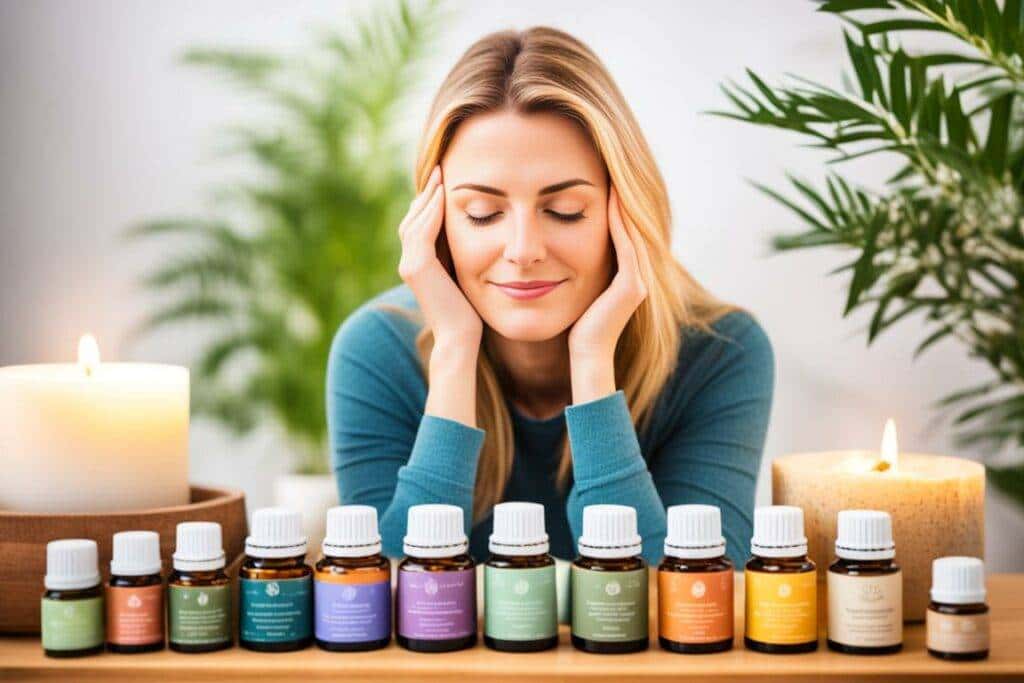
To begin with, products like diffusers and essential oils are affordably priced 25. doTerra's Lavender Essential Oil starts at R$55 25. Thus, we can use aromatherapy in our routine to manage anxiety.
Conclusion
Controlling anxiety alone isn't easy, but there are techniques that can help. Breathing exercises , muscle relaxation, mindfulness, and physical activity are good options. It's also important to have a healthy routine and use complementary therapies . <sup>27</sup>
For those with severe anxiety, seeking professional help is crucial. This aids in the treatment and prevention of future crises. 27 28 With effort and support, it is possible to overcome anxiety and improve life.
Although it's difficult, it's possible to learn to control anxiety. Using exercises, stress management strategies, and, if necessary, professional help, we can improve our mental health. This allows us to live a more balanced and happy life.
FAQ
What is anxiety and what are its symptoms?
Anxiety is a feeling that arises when there is anticipation of a threat, whether real or imagined. Symptoms include shortness of breath, muscle tension, irritability, difficulty concentrating, and recurring negative thoughts.
How can anxiety affect daily life?
Chronic anxiety can impair performance at work, personal relationships, and quality of life.
Why is it important to seek professional help to deal with anxiety?
Seeking professional help is crucial. Psychologists and psychiatrists can use therapies such as cognitive behavioral therapy to help change thoughts and behaviors that cause anxiety.
What are the main relaxation techniques to combat anxiety?
Muscle relaxation training and diaphragmatic breathing are effective. They help to focus on the present and reduce anxiety.
How can the CALM DOWN strategy help in dealing with anxiety crises?
The CALM DOWN strategy uses mindfulness techniques to focus on the present. It helps to accept anxiety and relax.
What other activities can be beneficial for reducing anxiety?
Physical activity and meditation are very effective. Aerobic exercise releases feel-good hormones. Meditation and yoga promote focus on the present moment.
What substances should be avoided to control anxiety?
Stimulants like caffeine, nicotine, and energy drinks worsen anxiety. Avoiding or reducing their consumption is important.
How can an organized routine help reduce anxiety?
An organized routine helps to overcome challenges calmly. It contributes to reducing anxiety.
Why is a good night's sleep important for controlling anxiety?
Deep sleep restores brain function. This contributes to mental and physical recovery, reducing anxiety.
How can aromatherapy help alleviate anxiety symptoms?
Aromatherapy uses essential oils to calm the mind and body. The aromas stimulate the release of substances that promote relaxation.
🌟 Have you considered seeking a therapist to support your well-being journey?
If this article sparked reflections about positive changes in your life, perhaps now is the ideal time to take the next step. Do you know hypnosis as a therapeutic tool? This approach can be surprisingly effective for various personal challenges.
Special offer: Book a free 20-minute consultation with therapist Fabio Morus and discover how therapy can transform your life.
✨ No commitment — Completely free — 20 minutes that can make a difference
👉 Click here to book your free consultation
Don't postpone your well-being any longer. The first step to change is just one click away.