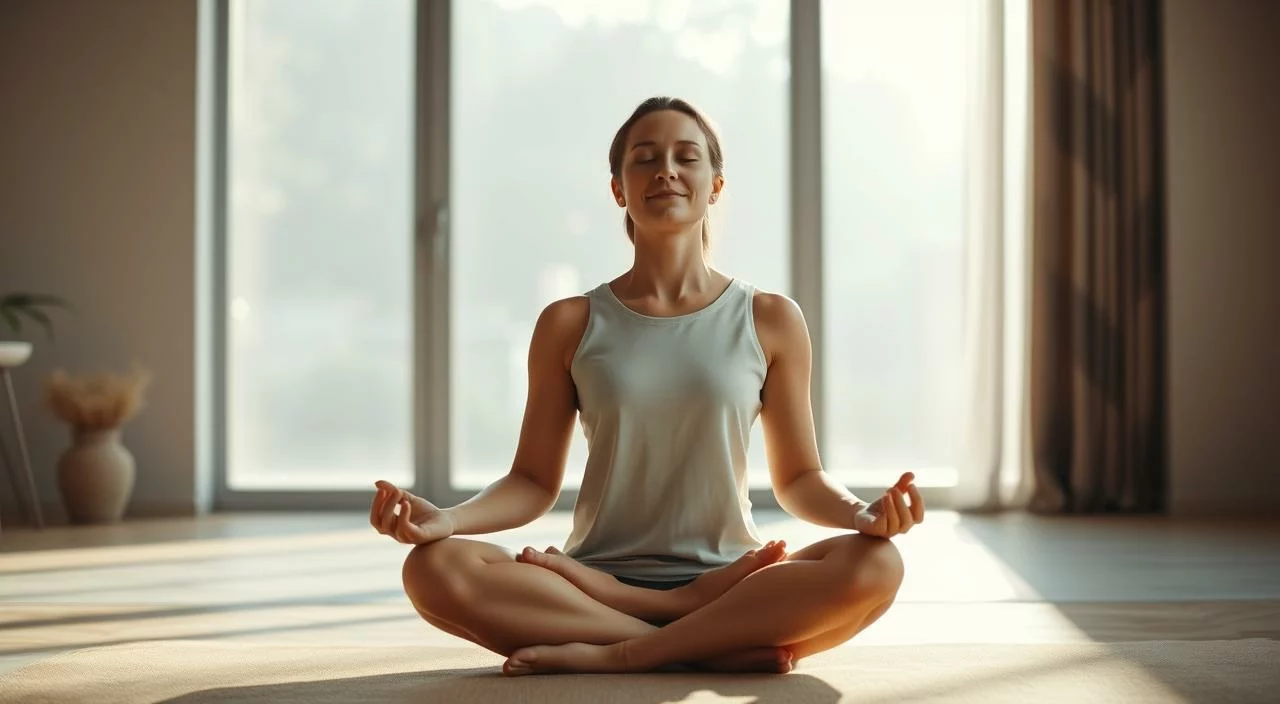

Have you ever thought about how self-control can change your life? In a world full of distractions and impulses , learning self-control is very important. It can help you control impulses , such as irritation and procrastination, and make better decisions.
This article will show effective strategies for improving self-control . This skill is crucial for emotional and professional life. We will learn how to develop self-control and improve our decisions and relationships.
What is self-control?
Self-control is an important skill that helps us manage our emotions and impulses . This is especially useful when we are stressed or anxious. It helps us avoid impulsive reactions and think about the consequences of our actions.
In psychology, emotional self-control is linked to emotional intelligence. It is crucial for coping well at work and in personal relationships. One study shows that self-control helps us manage our impulses and emotions in a mature way. This allows us to make better and more focused decisions.
Having self-control brings many benefits. It helps us make the right decisions and maintain emotional calm. Therefore, both students and professionals should understand the importance of self-control to achieve their goals and overcome the challenges of daily life.<sup> 2 3 </sup>
https://www.youtube.com/watch?v=EXX9sSGfKLc
To improve self-control, it's important to identify what irritates us and face challenges. Practices like meditation and breathing exercises help reduce stress. They also improve our emotional control . <sup>4 3 </sup>
Understanding self-control is essential for our emotional well-being and for achieving our personal and professional goals.
What is the purpose of self-control?
Self-control is very important for our emotional management . It helps us control our emotions and make better decisions. This is very useful at work, where pressure can lead to bad reactions.
A study shows that self-control is a key skill of emotional intelligence. It is very important in our daily lives. It also helps us avoid addictions and focus on our long-term goals instead of following immediate desires.
To regain self-control, practices such as self-affirmations and breathing techniques are good ideas. They help to deal with emotions such as frustration and anxiety 6. Knowing how our emotions affect us allows us to create strategies to improve our impulse control and work environment 5 .
An environment that values dialogue also helps improve self-control among colleagues. This reduces conflict and increases productivity . Therefore, self-control benefits not only ourselves but also everyone around us.

In summary, self-control is essential for a balanced emotional life. It requires practice and self -knowledge.
Benefits of developing self-control
Developing self-control brings many benefits to personal and professional life. Professionals with self-control can better manage impulses and make sound decisions. This helps to perform tasks effectively, even in difficult situations.
This emotional control is essential for academic success. It improves communication, concentration, and discipline. This results in better grades and well-being for students .
Having positive self-control means making rational and consistent choices. This helps you excel at work and have better relationships . Techniques such as meditation and mindful breathing also help improve self- control .
https://www.youtube.com/watch?v=rOp26AR826o
Therefore, it is important to seek ways to improve self-control . The benefits include a more balanced and successful life. Understanding one's own feelings and being open to change are important steps to improving self-control and achieving success .
How to seek self-control
The quest for self-control begins with self-awareness and mindfulness practices. It's important to understand our emotional triggers and recognize our reactions. Many people see self-control as a weak strength. Therefore, it's good to set small, realistic goals.
Maintaining an exercise routine and taking care of your diet and sleep are effective strategies 11. With practice, we can improve our self-control 12. It's like learning to ride a bicycle.
Organizing our environment also helps strengthen self-control 11. This minimizes distractions and makes it easier to achieve our goals. Recognizing our personal limits helps us avoid impulsive reactions 12. Taking a break when experiencing intense emotions can help us respond better.

Strategies for developing self-control
Developing strategies to improve self-control is crucial for dealing with daily challenges. Meditation is an effective technique. It brings calm and concentration, allowing for more thoughtful choices.
https://www.youtube.com/watch?v=lodBCO-qBac
Breathing exercises are also very useful. They are linked to emotions. Controlling your breathing oxygenates the body and brain, improving reasoning and reducing anxiety 13 .
Setting personal boundaries is essential. An organized environment helps in making healthy decisions. Recording daily experiences and reflections helps identify patterns and improve self-control. <sup>14</sup>
Adopting healthy habits, such as eating well and exercising, improves emotional self-control . This positively impacts our daily lives.14 If there are difficulties, seeking professional help can be a good choice, especially for those with anxiety.15
These tips are important for controlling emotions and actions. They ensure a more balanced and productive daily life.
Tips for self-control in difficult situations.
Maintaining emotional control during times of crisis is crucial. Using self-control tips in difficult situations can be very helpful. Some practices are very effective for dealing with stress and pressure.
The mindfulness technique helps maintain calm and focus. This allows us to react positively. Deep breathing is essential for relieving emotional tension and improving stress management .

Avoiding impulsive reactions is important to prevent things from getting worse. We should seek solutions to difficult situations. Some helpful tips include:
- Practicing mindfulness daily is beneficial for those with anxiety; awareness of the present moment can calm the mind.
- Establish regular breaks to process emotions and allow time before making decisions.
- Define clear goals that guide our reactions and behaviors.
- Seeking social support when the emotional burden becomes intense, sharing reduces the pressure.
- Avoid triggering situations that we know can lead to unwanted impulses.
These strategies improve emotional control during crises and promote a more balanced lifestyle. Using these suggestions every day better prepares us to face challenges.
By following these guidelines, we can improve our self-control. This will allow us to face difficult times more effectively. Practicing these tips helps us manage adverse situations with calmness and clarity. <sup>16 17 18 </sup>
Exercises for self-control
To improve self-control, we can use various exercises in our daily lives. A good example is journaling , or writing in a diary to reflect on our emotions. Guided meditation and breathing exercises also help to increase our emotional awareness.
Another good idea is to create daily challenges to train self-control. For example, resisting the urge to buy unnecessary things or being patient in lines improves our emotional training . Andrew Huberman says that impulse control can be improved with mindful practices 19 .
| Exercise | Description |
|---|---|
| Journaling | Writing about your emotions helps you better understand your feelings and reactions. |
| Guided meditation | Practice meditation that focuses on breathing and reduces frantic thoughts. |
| Daily challenges | Set small goals, such as not checking social media for an hour. |
| Snack control | Delaying meals by a few minutes to strengthen self-control 19 . |
https://www.youtube.com/watch?v=eVBz7oEhlTs
These practices can be adapted to meet our needs. They improve not only professional life, but also relationships . Having more emotional control increases productivity and helps in making better decisions, bringing benefits to all aspects of life.
Self-control techniques
Developing self-control techniques is essential for success in various areas of life. An important strategy is identifying emotional triggers. This helps us understand which situations can lead to impulsive reactions. Using positive affirmations also helps, as they improve our mental state and help us control our impulses.
Practicing daily meditation is very beneficial for personal development . It helps us to better understand our feelings and thoughts. This improves our emotional intelligence. Physical activity is also good, as it releases neurotransmitters that improve our mental health.
It's important to have moments of leisure and rest. This helps prevent illness and control impulses . Keeping a diary can reveal a lot about our behaviors and what triggers them . Talking to friends about our emotions also provides relief and offers helpful advice .
If we are unable to control our attitudes on our own, seeking specialized help is a good step towards personal development . Medical or psychotherapeutic support can be crucial to improving our quality of life. <sup>21</sup>
Practicing mindfulness and yoga can increase our awareness of the present moment. This helps us manage our emotions better. Using a reward system is also a good idea. This acknowledges our efforts and reinforces positive behaviors. <sup>22</sup>
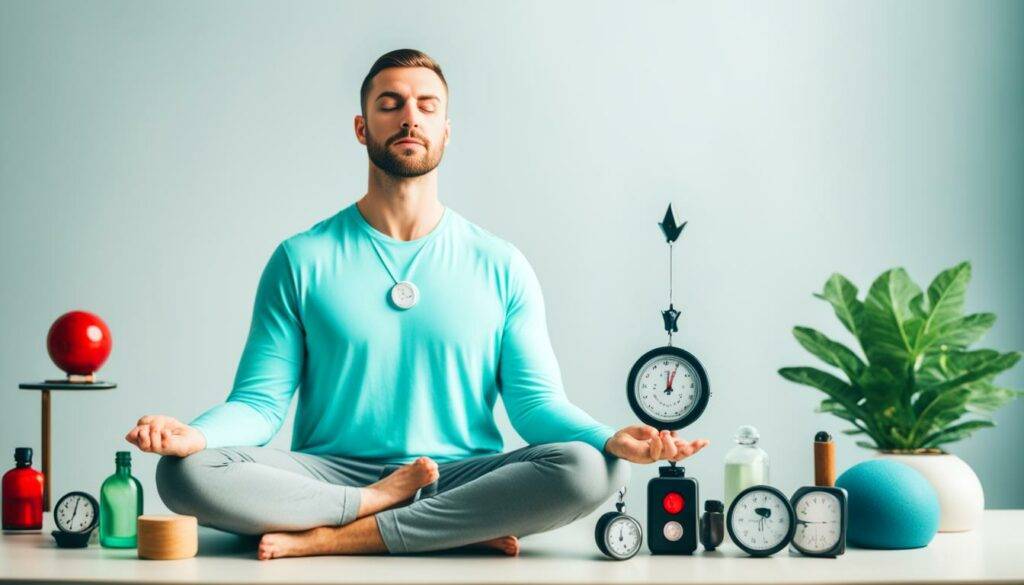
The importance of self-control in daily life.
Everyday self-control is very important. It helps manage our emotions and reactions in various situations. Having good emotional self-control is essential for achieving personal and professional goals.
When we are stressed or under pressure, controlling our impulses is crucial . This influences the decisions we make.
At work, self-control improves relationships and the work environment. It is vital in fields such as technology, where the pressure is high 24. Developing emotional skills , such as self-control, helps us to better cope with challenges 9 .

Daily practices, such as meditation and sports, help improve self-control. They reduce stress and keep us centered 24/7 . As a result, our decisions are more balanced and conscious, leading to success in all areas of life.
| Emotional Skills | Impacts on Daily Life |
|---|---|
| Self-control | Improved decision-making, greater focus and discipline. |
| Empathy | Strengthening interpersonal relationships |
| Resilience | Ability to handle pressure and challenges |
| Mindfulness | Promoting emotional balance and reducing stress. |
Conclusion
In our quest for self-control, we've seen that it's crucial for emotional balance and success. It helps us stay calm and make better decisions. This improves our well-being and personal growth.
Using the strategies we've discussed can improve our emotional resilience . Practicing exercises and techniques helps avoid bad impulses, such as procrastinating or impulsive buying. This makes us more effective at achieving our goals with discipline.
It's important to have a self-controlled mindset and remember the importance of taking breaks and reflecting. By applying these lessons to our daily lives, we improve our self-awareness and develop a foundation for facing life 's challenges.
FAQ
How does one seek self-control?
To begin, it's good to practice self-awareness and mindfulness. This helps to identify what makes us react emotionally. Then, it's important to set small, achievable goals to improve little by little.
What is self-control?
Self-control is the ability to manage our emotions and impulses. This helps us make better decisions and avoid impulsive reactions when we are stressed or anxious.
What is the purpose of self-control?
It is essential for managing our emotions and making more thoughtful decisions. It also helps to avoid behaviors that could harm our mental health and relationships with others.
What are the benefits of developing self-control?
Developing self-control improves how we deal with stress. It also helps us achieve our goals, become more emotionally resilient, and have better relationships with people.
What strategies can be used to develop self-control?
To improve, it's good to practice meditation, breathing exercises, and to record our experiences in a journal. Mindfulness is also very helpful.
What tips can be applied in difficult situations to maintain self-control?
In difficult situations, it's good to practice mindfulness and use breathing techniques. It's also important to focus on finding positive solutions instead of reacting impulsively.
What exercises are recommended for training self-control?
Exercises like journaling, breathing exercises, and guided meditation are great for training self-control. In addition, small daily challenges are also very helpful.
What are some self-control techniques we can use in our daily lives?
Techniques such as identifying what triggers us emotionally, using positive affirmations, and controlling our environment are very useful. They help us make better decisions.
How important is self-control in everyday life?
Self-control is crucial for doing everyday things, interacting with people, and making conscious decisions. It directly influences how we deal with daily challenges.
🌟 Have you considered seeking a therapist to support your well-being journey?
If this article sparked reflections about positive changes in your life, perhaps now is the ideal time to take the next step. Do you know hypnosis as a therapeutic tool? This approach can be surprisingly effective for various personal challenges.
Special offer: Book a free 20-minute consultation with therapist Fabio Morus and discover how therapy can transform your life.
✨ No commitment — Completely free — 20 minutes that can make a difference
👉 Click here to book your free consultation
Don't postpone your well-being any longer. The first step to change is just one click away.