

Have you ever wondered what a therapy session is like? The real life of therapy is full of unique details and issues. It can change lives, bringing new discoveries for both patient and therapist . Have you ever thought about improving your life with therapy ?
Psychotherapy , or simply " therapy ," helps relieve emotional stress. It seeks to understand the causes of mental health problems and shows new ways of coping with life . A psychology professional guides the patient, examining choices and difficulties.
So, what is a therapy session like? What happens in this meeting with the psychologist? Let's explore the behind-the-scenes aspects of this journey towards self-knowledge , emotional well-being , and personal development .
What is a Therapy Session?
Definition of a Therapy Session
Therapy sessions are meetings between a psychologist and a patient. The goal is to improve the patient 's life. They use various methods and are conducted by various professionals. The patient and therapist work together to see improvements.
Objectives and Benefits of Therapy
Therapies have many things in common, but they also have differences. They can be cognitive or psychodynamic, for example 3. The success of therapy comes from factors such as empathy and a good relationship between the therapist and the patient 3 .
Therapy helps improve mood and self-awareness . It also helps overcome phobias and improve social skills. Therefore, choosing the right type of therapy depends on the patient's specific case.
https://www.youtube.com/watch?v=eUCoO6avoyQ
"Therapy has demonstrated benefits such as improved mood, increased self-awareness , progress in cases of phobias, development of interpersonal skills, among others." 2
How to Prepare for a Therapy Session
Before starting therapy, it's essential to prepare well. First, reach out to friends or family, or use the internet, to find a psychologist who is accessible to you in every aspect . <sup>4</sup>
After researching, the next step is to find a therapist we feel comfortable with . Therapy can be difficult. But choose a therapist who respects our individuality, opinions, and personality .
Trust is key. We must trust our therapist 100% . If we don't trust them, we won't be able to be honest or share important information.
"Honesty is fundamental in therapy, providing a safe space where patients can express their concerns, with the guarantee of confidentiality from the psychologist." 5
With proper preparation, we will get more out of therapy sessions. In this way, we will build a healthy and productive therapeutic relationship .

What Happens in the First Therapy Session
The first therapy session is very important at the beginning of therapy. It's a chance for the patient and therapist to get to know each other and build trust . Many people don't know much about therapy and what a psychologist does.
Getting to Know the Therapist
In the first session, the patient talks about who they are and what brought them to therapy . They may talk about their life and what motivated them to seek help . Each therapist has their own way of conducting the session, which shows the diversity of approaches .
Sharing Your Concerns
The patient should feel welcome to talk about their problems 6. Talking about difficult things can be hard, but it's an important step 7. The first consultation is more about getting to know the patient than about treating problems 7 .
The first consultation is easier than many people think 6. The therapist wants to understand why the patient came to therapy and what they expect 7 .
https://www.youtube.com/watch?v=YFLobNBTHc4
The goal of the first session is for the patient to feel comfortable and familiar with the therapist .
"Therapy is a very personal journey for each individual. You should talk to your therapist about what you feel comfortable discussing, regardless of the topic." 7
Step-by-Step Therapy Session
Typical Session Structure
The therapy session is an important moment. It shows how the relationship between therapist and patient develops. For 50 to 60 minutes , they talk and listen to each other. These conversations can bring out feelings, support, and even emotions of anger or frustration.
In the structure of the session, the therapist checks the patient's mood and defines the topics to be discussed. They also create an action plan 8. This plan is made based on the data collected, aiming to transform goals into specific objectives for effective treatment 8 .
Techniques and Approaches Used
The therapist uses various techniques and approaches during the session. This may include verbal mediation and nonverbal techniques to promote change and understanding.8 The therapist needs to intervene directly or indirectly to help the patient.
Cognitive-behavioral therapy is suitable for all ages . It uses playful resources to teach about cognitive distortions and how to combat them . An example is the game "How am I? How do I see myself?", by psychologist Ariádny Abbud .
After the session, the therapist provides feedback on what was learned and any discomfort experienced. They also summarize the action plan developed. This record is crucial for monitoring the progress of the treatment .
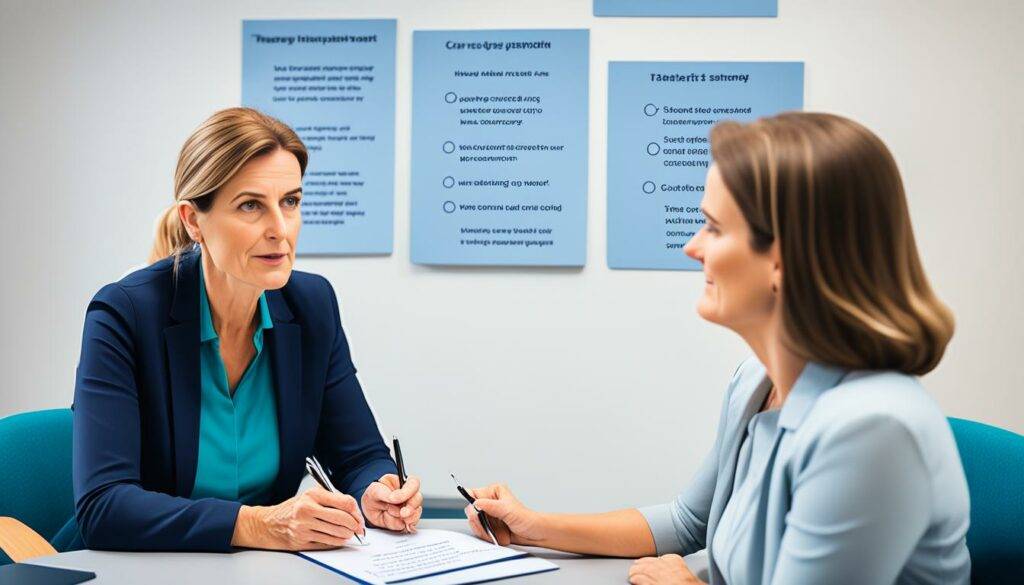
Sessions with a psychologist last approximately 50 to 60 minutes . Generally, more than one session is needed to resolve psychological issues. Confidentiality of sessions is guaranteed, except in cases of danger to oneself or others .
Therapy is a valuable space for developing the therapist-patient relationship . It is important for the patient to participate actively in order to obtain the best results.
Building a Healthy Therapeutic Relationship
The relationship between therapist and patient is crucial for therapy. This therapeutic relationship is what brings about positive change. However, it needs to be built on trust in the therapist . The patient becomes vulnerable, sharing their problems and concerns.
A good therapeutic relationship involves empathy, respect, and professionalism . The therapist should listen attentively and show genuine interest. It is also important that they maintain professional boundaries , avoiding feelings outside the context of therapy.
Studies indicate that the therapeutic relationship is key to the success of therapy 12. A healthy connection between therapist and patient makes therapy easier. This helps to open the heart and share important information.
https://www.youtube.com/watch?v=jQTpmnPElCY
Therefore, it is essential to create a therapeutic relationship based on trust and respect. This makes therapy effective and beneficial for the patient. This connection is the foundation of therapy.
Duration and Frequency of Therapy Sessions
The duration and frequency of therapy sessions vary greatly. This depends on several factors. Typically, they are weekly or bi-weekly . But they can change as treatment progresses and according to the patient's needs. <sup>13 </sup>
Sometimes, the psychologist may request more sessions per week at the beginning. This helps to progress faster in treatment 13. Then, as the patient improves, the sessions can be spaced further apart. This helps to maintain progress in the long term 13 .
Cognitive behavioral therapy can last from 12 to 24 sessions 14. But the time can vary greatly depending on the problem and the complexity of the case 14. Some problems, such as personality disorders or substance abuse, may take longer 14 .
The patient's progress and how well they follow the therapist's tasks are very important. Those who follow the instructions improve faster 14 .
In summary, the frequency and duration of therapy sessions are adjusted for each person. This takes into account what each individual needs and how they are progressing. Talking to the professional is crucial to adjust the treatment as needed 13 14 .

"Therapy is a unique and personalized process, and its duration and frequency reflect each individual's journey in pursuit of well-being."
Cost and Investment in Therapy
The cost of therapy varies greatly depending on several factors. This includes the practitioner's experience, the region, and whether it is in-person or online 15. Prices can be adjusted according to what the client can afford, charging by the hour or session 15 .
In individual therapy, prices vary, with an average of R$242.54 per session 15. Some professionals offer lower prices, called "social clinic," between R$60.00 and R$150.00 per session or R$240.00 and R$600.00 per month 15 .
Choosing online therapy can be cheaper, as it reduces office costs 15. Some professionals adjust prices according to what the patient can afford, using an income analysis questionnaire 15 .
When choosing a therapist, think about more than just the price. Consider their experience, therapeutic approach , and whether you feel comfortable with the professional. Although the investment in therapy may seem high, the benefits to your life are invaluable. <sup>16 </sup>
Accessibility is crucial when choosing a therapist. It's important to research, compare prices, and understand the costs of the service . This way, you'll find a therapy that fits your budget and your needs.
https://www.youtube.com/watch?v=VCM20brsfCI
" Investing in therapy is one of the best investments you can make in yourself."
Therapy Session
Benefits of a Therapy Session
Therapy goes beyond a simple meeting between patient and therapist. It is a process that brings many benefits to your mental health and self-knowledge . During the sessions, the therapist listens attentively, helping to connect past and present events. They won't tell you what to do, but they will help you find your own solutions to problems .
Therapy can teach you to act independently and to understand your strengths and weaknesses. It can also help you set realistic goals and better understand the challenges and opportunities to achieve them. Furthermore, therapy can improve healthy relationships , helping you deal with issues such as insecurity, jealousy, and lack of empathy. Remember, mental health is linked to physical health, and therapy can improve both. <sup>17</sup>
Myths and Prejudices about Therapy
Many myths and prejudices still circulate about therapy. Some people think that therapy is only for crazy people, or that it is a sign of weakness. These misconceptions cause many people not to seek the psychological support they need .
The truth is that therapy isn't just for people with mental illnesses. Everyone can benefit from psychological support . Therapy helps you get to know yourself better and build a healthier life. <sup>18</sup>

"The first therapy session is described as an encounter with oneself, offering the opportunity for self-knowledge and personal discovery." 18
It is important to dispel these myths about therapy. To understand that it is a valuable tool for achieving mental health , self-knowledge and healthy relationships 18 .
Conclusion
We have reached the end of this journey of self-discovery and understanding about therapy sessions. The TV series "Therapy Session " showed how the therapeutic process can be intimate and engaging. It addressed themes such as fear of relationships, guilt, and the search for acceptance and redemption .
We understand that therapy is very important for our self -knowledge and personal growth. It can help us understand our feelings and set realistic goals. Furthermore, therapy helps us create healthier relationships and become the best version of ourselves .
Let's not allow myths and prejudices to stop us from trying therapy. It's important to take care of our mental health . This experience can change our lives for the better. Therapy is a valuable path to achieving self-knowledge, emotional balance , and well-being.
FAQ
What is a therapy session?
A therapy session is a meeting between a patient and a psychology professional. The goal is to improve the patient's life. Together, they identify and resolve emotional and relationship problems.
What are the goals and benefits of therapy?
The goals of therapy include relieving emotional stress and helping to find solutions to mental health problems. Benefits include improved self-awareness, setting realistic goals, and building healthy relationships .
How do I prepare for a therapy session?
First, research and choose a psychologist you feel comfortable with. It's important to build a trusting relationship with your therapist. In the first session, you don't need to organize what you're going to say.
What happens in the first therapy session?
In the first session, the goal is to get to know each other. The patient talks about their life and what they wish to address. The therapist seeks to understand the person and their context.
What is the typical structure of a therapy session?
The therapist uses various techniques to help the patient gain insights and make changes. The session is a space to express emotions and receive support.
How is a healthy therapeutic relationship built?
Trust and empathy are fundamental in therapy. The therapist must be an attentive listener and respect professional boundaries .
What is the typical duration and frequency of therapy sessions?
Sessions can be weekly or bi-weekly, depending on the patient. The duration of treatment varies according to needs and progress.
How much does a therapy session cost?
The price varies depending on the professional's experience and the region. You can find psychologists with prices between R$0.00 and R$0.00 per session. Also consider the therapeutic approach and the connection with the therapist.
What are the main benefits of therapy?
The benefits include self-awareness, setting realistic goals, and developing skills. Therapy also improves emotional and physical health and helps build healthy relationships .
🌟 Have you considered seeking a therapist to support your well-being journey?
If this article sparked reflections about positive changes in your life, perhaps now is the ideal time to take the next step. Do you know hypnosis as a therapeutic tool? This approach can be surprisingly effective for various personal challenges.
Special offer: Book a free 20-minute consultation with therapist Fabio Morus and discover how therapy can transform your life.
✨ No commitment — Completely free — 20 minutes that can make a difference
👉 Click here to book your free consultation
Don't postpone your well-being any longer. The first step to change is just one click away.