
Have you ever wondered why some images scare us so much? Hole phobia , or trypophobia , affects many people. About 15% feel discomfort with these images. Although it is not an official mental disorder, it can greatly affect people's lives.
This article will discuss trypophobia . We will look at its causes and when it is important to seek help. This is helpful for those who have a phobia of holes .
What is trypophobia?
Trypophobia is an irrational fear of objects with holes or irregular patterns. This can include honeycombs, clusters of holes in the skin, or sponges . Although many people are familiar with it, trypophobia is not officially recognized by the American Psychiatric Association.
Its emergence occurred in 2009 in internet forums, without a scientific basis. But, quickly, many reported feeling discomfort with patterns resembling holes 4 .
Some symptoms of trypophobia include nausea, tremors, sweating, or panic attacks 3. The condition is due to an unconscious association of these patterns with danger, causing strong emotional reactions 2 .
It is estimated that up to 15% of the population may have trypophobia. However, more studies are needed to better understand the subject.<sup> 4 </sup>
https://www.youtube.com/watch?v=-zPak8IavuUCharacteristics of Hole Phobia
Trypophobia is an aversion to patterns that show holes or cavities. It is not officially a mental disorder, but it is seen as a specific phobia. When people see these patterns, they experience chills, sweating , and visual discomfort.
It is estimated that 15% of the world's population has this phobia 6. Tests show that those with trypophobia experience an increase in heart rate when viewing disturbing images 6. This may be an evolutionary response to patterns that indicate danger, such as those of venomous animals 6 .
Causes of Hole Phobia
The causes of trypophobia are complex and vary from person to person. Often, it is linked to an evolutionary response. This aversion to holes may have arisen to protect us from dangers, such as venomous animals or diseases.
Studies show that trypophobia can have both psychological and social causes. Research has found that those with trypophobia react strongly to irregular patterns. This can cause itching, tremors, and panic attacks. This reaction may be because these patterns resemble dangerous creatures, making us want to protect ourselves.
Although trypophobia is recognized as a disorder, it is not listed in the Diagnostic and Statistical Manual of Mental Disorders (DSM). This creates questions about how to treat and validate the condition.<sup> 4 </sup> The term "trypophobia" emerged in online discussions, showing that it is both a social phenomenon and an individual psychological disorder.<sup> 4</sup>
https://www.youtube.com/watch?v=TOTujHUvdTkWhat are the symptoms of trypophobia?
Trypophobia brings with it several symptoms , which can be severe. People who see images with holes or protrusions may feel unwell and anxious. About 15% of the population dislikes these images, and this increases the fear .
Symptoms include palpitations, excessive sweating, and in severe cases, fainting or panic attacks may occur. This is similar to the symptoms of anxiety 7 8 .
This phobia causes even the mere thought of honeycombs to trigger fear. The reactions go beyond discomfort. People may feel nauseous, itchy, and even tremble when seeing these images. The signs of hole phobia can greatly affect daily life.
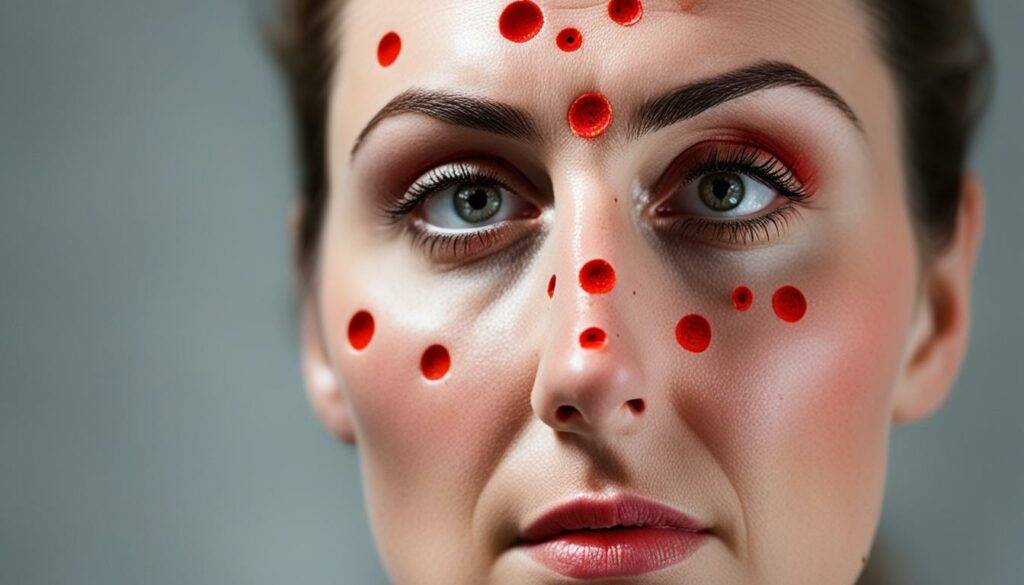
It is very important to seek professional help to understand and treat what trypophobia symptoms are . A psychologist or psychiatrist can help you find ways to cope with the fear .
Why is Hole Fear Underrecognized?
Trypophobia, or fear of holes , is not yet well regarded by science. It is not included in the Diagnostic and Statistical Manual of Mental Disorders (DSM-V) of the American Psychiatric Association. This means that many people are unaware of it.
A study from the University of Essex showed that 16% of people have an aversion to repetitive patterns. However, many see this as something normal and not pathological .
Studies on trypophobia are progressing. They show that the aversion to holes may be an evolutionary adaptation. Research from the University of Kent has also found a connection between this phobia and ancient diseases such as smallpox and measles .
People with a fear of holes may experience tremors, nausea, and panic attacks. These symptoms can resemble anxiety attacks. This greatly affects the lives of those who suffer from it .
Although trypophobia is not seen as a traditional phobia, its recognition is growing. This is happening as more studies are done and society changes its perception of it 11 .
How does Psychology View the Fear of Holes?
Psychology considers hole phobia to be an anxiety disorder. It causes strong reactions, even without being officially recognized. Therapists observe that 89% of people with trypophobia experience symptoms such as nausea, tremors, and increased heart rate when they see images that trigger the phobia.
Symptoms of hole phobia include chills, sweating, and nausea. Phobias are anxiety disorders that cause unrealistic or disproportionate fear . Exposure therapy is used to change how people react to phobic stimuli.
In addition, using medications such as beta-blockers and relaxation techniques helps in treatment 2. Even without official treatment, therapeutic approaches can prevent conditions such as generalized anxiety and depression 5 .
https://www.youtube.com/watch?v=ZJlIAz1pxGkTreatment for Hole Phobia
Trypophobia is an irrational fear of holes or irregular patterns, such as honeycombs and lotus seeds. Treatment should be carried out by qualified professionals. They offer options tailored to the symptoms. Cognitive-behavioral therapy is a common approach. It helps patients gradually confront their anxieties using exposure therapy .
Overcoming a fear of holes requires practice and constant support. Medications, such as anxiolytics and antidepressants, may be used in severe cases. In addition, physical activity and yoga help to reduce anxiety .
Symptoms of trypophobia include nausea, tremors, and increased heart rate. In severe cases, panic attacks may occur. Therefore, treatment should be personalized to improve the patient 's quality of life.

| Treatment Options | Description |
|---|---|
| Cognitive-Behavioral Therapy | It helps patients identify and modify dysfunctional thought patterns related to phobia. |
| Exposure Therapy | Gradual exposure to the object or situation that causes fear, in a controlled environment. |
| Medication | Use of anxiolytics or antidepressants to control anxiety and depressive symptoms. |
| Wellness Practices | Activities such as yoga and physical exercise promote relaxation and mental health. |
Exposure Therapy: How Does it Work?
Trypophobia exposure therapy helps those with a phobia of holes . It uses images or objects that cause fear, starting with things that aren't so bad. In this way, patients learn to cope with emotions and reactions.
Therapists use relaxation techniques, such as diaphragmatic breathing and Jacobson's progressive relaxation . This helps to reduce symptoms. About 15% of people experience discomfort with holes. This phobia is not officially recognized, but it causes a lot of anxiety and physical reactions.<sup> 1 5 </sup>
Studies show that exposure therapy is important in treating hole phobia . It helps to reduce aversion and anxiety. The goal is for patients to see the patterns without feeling fear. This can greatly improve their lives.<sup> 1 5 </sup>
So, trypophobia exposure therapy not only offers more options, but also gives hope. To learn more about anxiety, see this article on breathing techniques and emotional support.
https://www.youtube.com/watch?v=p53hN3W018UTreatment Alternatives for Trypophobia
Trypophobia is a complex and poorly understood issue.12 Exposure therapy is a common option, but there are alternative treatments for trypophobia to alleviate symptoms. They can improve emotional well-being.
Relaxation practices, such as meditation and yoga, are effective unconventional options . They help reduce anxiety. These techniques can be part of the routine for those with a fear of holes .
| Treatment Techniques | Description | Benefits |
|---|---|---|
| Meditation | A practice that focuses on mindfulness. | Reduces anxiety and improves focus. |
| Yoga | Combination of physical postures and breathing techniques | Promotes relaxation and increases flexibility. |
| Holistic Therapies | Treatments aimed at balancing the body and mind. | Improves overall health and well-being. |
| Changes in Diet | Reducing caffeine and processed foods | It contributes to greater emotional stability. |
| Physical Exercises | Activities that stimulate the release of endorphins. | It improves mood and reduces stress. |
It's important to choose a treatment that meets each person's needs. Talking to specialists can provide valuable advice. They can help find unconventional options for dealing with hole phobia.

Tips for Dealing with Hole Fear
To overcome the fear of holes, there are several tips for dealing with trypophobia that we can use every day. Deep breathing helps to calm the mind and reduce anxiety. It is important to have a self-care routine to balance emotions and strengthen resistance to fear.
Avoiding situations that bother us can be a strategy while we seek professional help. Talking about our fears with friends and family can bring relief. Research shows that phobias , such as trypophobia, bring strong physical and emotional symptoms. Understanding that these feelings are normal is an important step.

When we acknowledge our fears, we begin to have more control over the phobia. This journey requires patience, as it can take time to understand our difficulties . For those who are afraid of making decisions, remembering that even simple choices can be challenging is crucial. With the support and understanding of others, we find ways to overcome the phobia, such as cognitive behavioral therapy.
When should you seek professional help?
It's very important to seek professional help if a fear of holes significantly affects your life. Assess whether the anxiety and panic are too intense. If so, it's time to seek help.
Consultations with psychologists cost around R$350. Teleconsultations are cheaper, starting at R$ 200 . It's good to talk to psychologists and psychiatrists to have complete treatment.
Cognitive behavioral therapy (CBT) is the best option for phobias, such as trypophobia 16. Techniques like gradual exposure can be very helpful 15. If symptoms are strong and persistent, seek professional help.
Conclusion
Hole phobia, or trypophobia, affects many people, even though it is not recognized as a mental health condition. Studies show that 11% of men and 18% of women feel discomfort with images of holes . This phobia is more common than many think, with information about it being shared mainly on social media and blogs.
It is crucial to seek professional help for those who have trypophobia. Behavioral therapies can help reduce symptoms and increase confidence to face the fear 17. Psychotherapy and relaxation techniques are good options for those who want to overcome the phobia 9 .
In short, trypophobia is a condition that deserves attention and compassion. If you or someone close to you has symptoms of trypophobia, seek help and start treatment to improve your daily life.
FAQ
What is hole phobia?
Hole phobia, or trypophobia, is an intense fear of patterns with holes or irregularities. Many people feel discomfort or anxiety when they see these images.
What are the symptoms of trypophobia?
Symptoms include anxiety, nausea, increased heart rate, and chills. Some may experience panic attacks. These reactions affect daily life.
What causes hole phobia?
It is believed that the aversion to holes stems from evolutionary mechanisms. It may have developed to protect against diseases and venomous animals.
How can we overcome the fear of holes?
Cognitive behavioral therapy and exposure techniques help overcome fear. Meditation and exercise also improve emotional well-being.
When should we seek professional help for hole phobia?
Seeking help is important when a phobia interferes with daily life. Psychologists or psychiatrists can offer support and treatment.
What treatment methods are available for trypophobia?
Treatment includes exposure therapy and relaxation techniques. In severe cases, medication may be used. Treatment should be personalized.
Is the fear of holes a real phobia?
Trypophobia is not recognized in the DSM-V, but the experiences of discomfort and anxiety are real. They deserve attention.
🌟 Have you considered seeking a therapist to support your well-being journey?
If this article sparked reflections about positive changes in your life, perhaps now is the ideal time to take the next step. Do you know hypnosis as a therapeutic tool? This approach can be surprisingly effective for various personal challenges.
Special offer: Book a free 20-minute consultation with therapist Fabio Morus and discover how therapy can transform your life.
✨ No commitment — Completely free — 20 minutes that can make a difference
👉 Click here to book your free consultation
Don't postpone your well-being any longer. The first step to change is just one click away.