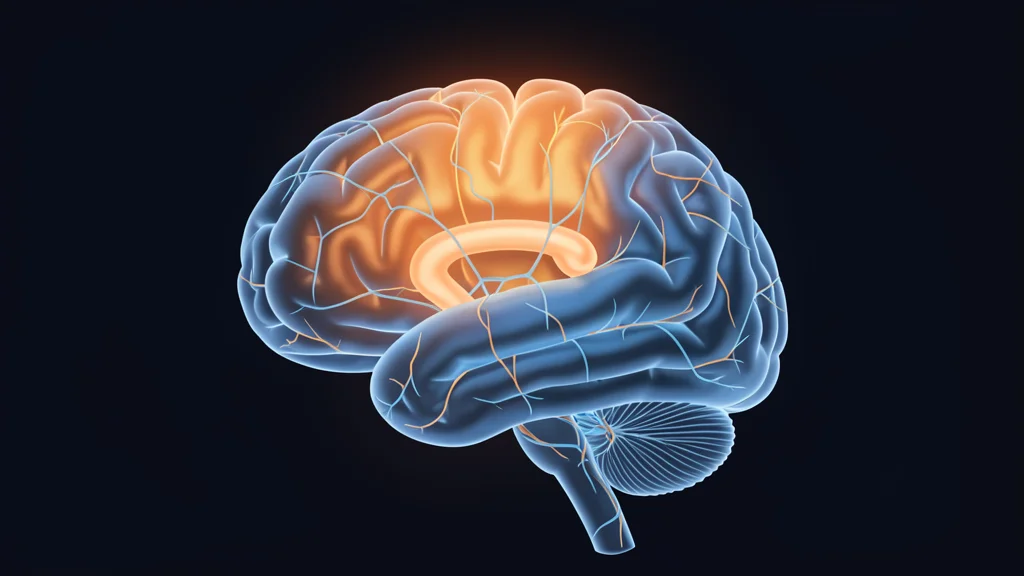
If you have been diagnosed with Functional Neurological Disorder (FND), you know the specific frustration that comes with it. Your symptoms are undeniably real—tremors, weakness, seizures, or walking difficulties—yet your MRI and CT scans come back “normal.”
It feels like having a computer with a perfect screen, keyboard, and hard drive, but the software is constantly crashing. The problem isn’t your body. It’s the signal. In Jersey, finding a specialist who understands this “software malfunction” is the first step toward reclaiming your life.
What is Functional Neurological Disorder (FND)?
Functional Neurological Disorder is a condition where there is a problem with how the brain sends and receives signals. It is one of the most common reasons for people to see a neurologist, yet it remains widely misunderstood.
The Brain’s Software Malfunction
Think of your nervous system as hardware and your brain’s processing as software. In FND, the hardware (the nerves and brain structure) is intact. However, the software—the way the brain controls the body—is experiencing glitches. These glitches can be triggered by stress, trauma, or even a physical injury that the brain “remembers” too vividly.
Common Symptoms: From Tremors to Seizures
FND symptoms can vary wildly from person to person. You might experience:
- Functional seizures (dissociative seizures)
- Limb weakness or paralysis
- Chronic pain or fatigue
- Tremors and gait disturbances
- Cognitive “brain fog”
Because these symptoms are “functional,” they are potentially reversible. Your brain can learn to send the right signals again.
Finding an FND Therapist in Jersey: What are Your Options?

Living in Jersey provides unique advantages and challenges for FND recovery. While we have excellent multidisciplinary teams like CNS Neuro that focus on neurological physiotherapy and occupational therapy, FND often requires an approach that addresses the mind-body connection directly.
Many patients in the Channel Islands find that a combination of physical rehabilitation and psychological intervention provides the best results. The key is to find a therapist who doesn’t just see the symptom, but understands the neural pathways creating it. Whether you are in St. Helier or looking for FND therapy online, the approach remains the same. Understanding how to explain FND to family is also a crucial part of the journey.
Why Hypnotherapy is a Leading Treatment for FND

Recent clinical evidence highlights hypnotherapy as a powerful tool for FND. A 2024 systematic review showed that over 85% of patients demonstrated clinically significant improvements after hypnotherapy, with many experiencing a total resolution of symptoms. You might wonder, is hypnotherapy permanent? For many FND patients, the changes in neural processing achieved during sessions are lasting because the brain learns a new way of functioning.
How Suggestion “Rewires” the Signals
Hypnosis is not “magic.” It is a state of focused attention where the brain becomes more receptive to new information. During clinical hypnosis, we can:
- Bypass the “glitch”: Use suggestions to access motor pathways that the conscious mind feels are blocked.
- Calm the Autonomic Nervous System: Reduce the underlying “high-alert” state that often drives functional symptoms.
- Process Triggers: Address the emotional or physical stressors that originally signaled the brain to create the symptom as a protective mechanism.
Beyond Physiotherapy: The Power of Clinical Hypnosis
While physiotherapy helps retrain the muscles, clinical hypnotherapy retrains the source of the movement. For many, FND is a form of “conversion”—the brain converting internal stress or conflict into physical symptoms.
By working with the subconscious mind, we can find the “off switch” for the tremor or the “on switch” for the limb weakness. It’s about teaching the brain that it is safe to function normally again.
FAQ: Frequently Asked Questions about FND Treatment in Jersey
Is FND curable?
Yes. Because FND is a functional problem rather than structural damage, many people achieve full or near-full recovery. The goal is to retrain the brain to process signals correctly.
How many sessions are needed?
Every case is different. Some people notice significant changes in 3 to 6 sessions, while others benefit from longer-term support to address deeper triggers.
Can I combine hypnotherapy with physiotherapy?
Absolutely. In fact, this is the gold standard. Physiotherapy builds strength and mobility, while hypnotherapy addresses the neural processing that governs those movements.

Conclusion: Your Path to Recovery in Jersey
You don’t have to navigate FND alone. Whether you are dealing with functional seizures or mobility issues, there is a way to update your brain’s “software” and return to a life of independence.
If you want a simple first step, download the free ANXIETY ZERO ebook. And if you feel you need more direct support, get in touch with Fabio Morus.