Fear of the dark is not only a childhood issue. In adults, it can show up as unease when the lights go off, needing the television on to sleep, repeatedly checking the house, or feeling anxious when walking through a dark hallway. The useful question is not whether the fear is “reasonable”. It is how much of your life it controls.
When the fear is intense, lasts for months, and changes how you sleep, move around, or feel safe, it may be working like a specific phobia. The NHS describes phobias as an anxiety condition linked to a particular object or situation, and includes darkness among environmental fears that can affect daily life (NHS).
Key points
- Fear of the dark in adults may be a phobia when it is out of proportion to the risk and interferes with daily life.
- Avoidance brings short-term relief, but it can keep the brain treating darkness as dangerous.
- The aim is not to force yourself to be brave overnight. It is to train your nervous system to tolerate darkness in small steps.
- If the fear causes panic, sleep loss, or major restrictions, professional support is worth considering.
On this page
- When fear of the dark becomes a phobia
- Why it gets worse at night
- How to start reducing avoidance
- How therapy can help
- Frequently asked questions
- About the author
When fear of the dark becomes a phobia
Fear becomes clinically relevant when it stops being ordinary caution and starts running your routine. Mind describes a phobia as an extreme fear that is out of proportion to the actual risk, lasts for at least 6 months, and has a significant effect on daily life (Mind).
With fear of the dark, that impact can be quiet. You avoid staying overnight away from home. You can only switch the light off if someone else is nearby. You check doors, windows, or noises more than once. You feel embarrassed, so you reshape your life around the fear without telling anyone.
The physical symptoms can feel like anxiety: racing heart, chest tightness, shaking, nausea, dizziness, sweating, shortness of breath, or a feeling that you might lose control. The NHS lists these as common phobia symptoms, though each person experiences them differently (NHS).
One detail matters: you can know rationally that you are safe and still feel afraid. A phobia is not a lack of intelligence. It is a threat response that has become attached to a trigger.
Why it gets worse at night
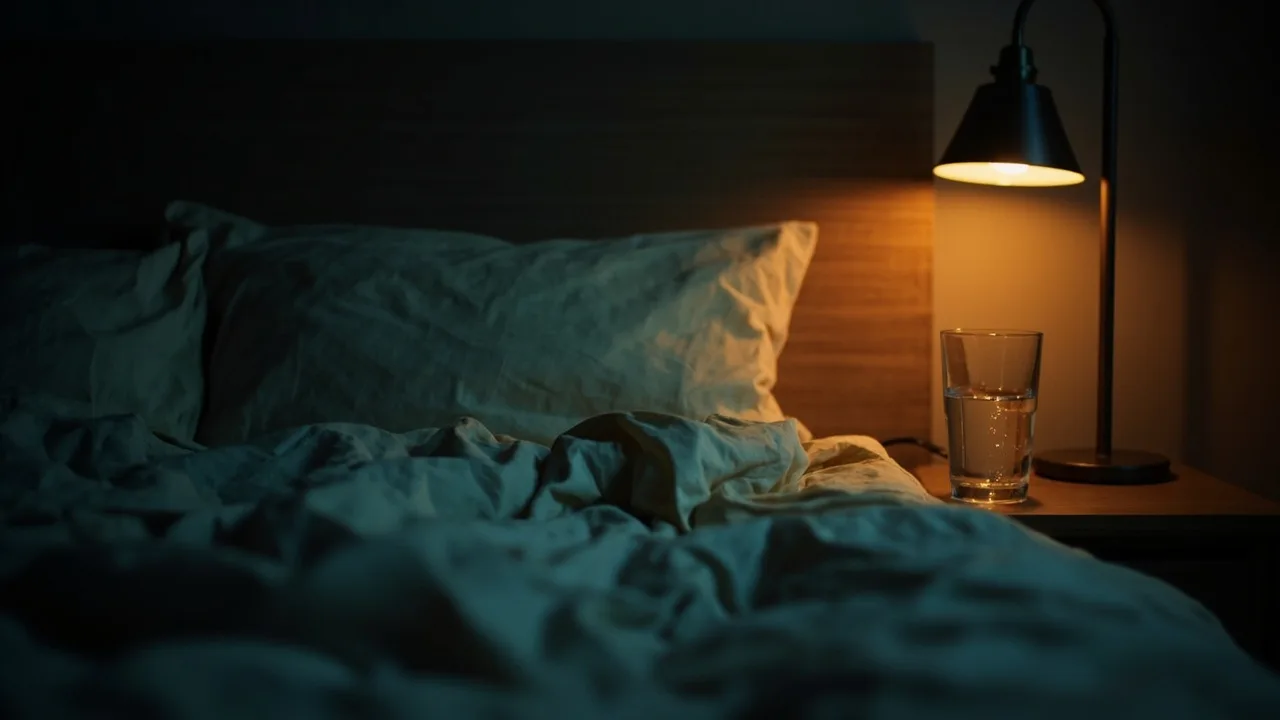
At night, the brain has less visual information and fewer distractions. An ordinary noise can feel louder. A shadow can look like a shape. If you are tired, anxious, or under stress, your body may read that uncertainty as danger.
Sleep and anxiety also feed each other. Sleep Foundation describes a two-way relationship: anxiety can make it harder to fall asleep and sleep well, while poor sleep can worsen anxiety symptoms the next day (Sleep Foundation).
That is why fear of the dark can become stronger during insomnia, burnout, grief, trauma, moving home, or periods when you already feel unsafe. Darkness is not always the root cause. Sometimes it is the setting where an alert nervous system becomes obvious.
Past experience can also matter. A frightening childhood event, a break-in, illness at night, films or stories that stayed with you, or growing up around very anxious adults can teach the body to link darkness with threat. There is not always a clear origin. The fear can still be treated.
How to start reducing avoidance
The common mistake is trying to solve it with willpower: turn off every light, lie down, and force yourself through it. For many people, that only teaches the body that the situation is unbearable. A gradual route is usually kinder and more effective.
Start by mapping the pattern. What exactly triggers the fear? Switching off the light? Being alone? Silence? Hallways? Sleeping in a hotel? Then notice what you do for relief: lights, checking, videos, alcohol, asking for company, leaving the television on. These strategies may help tonight, but some of them keep the fear going.
Try reducing one safety behaviour at a time rather than cutting everything at once:
- If you sleep with a bright light, move to a dimmer light.
- If you check the door five times, agree on two checks and stop there.
- If you use television, try calm audio without a screen.
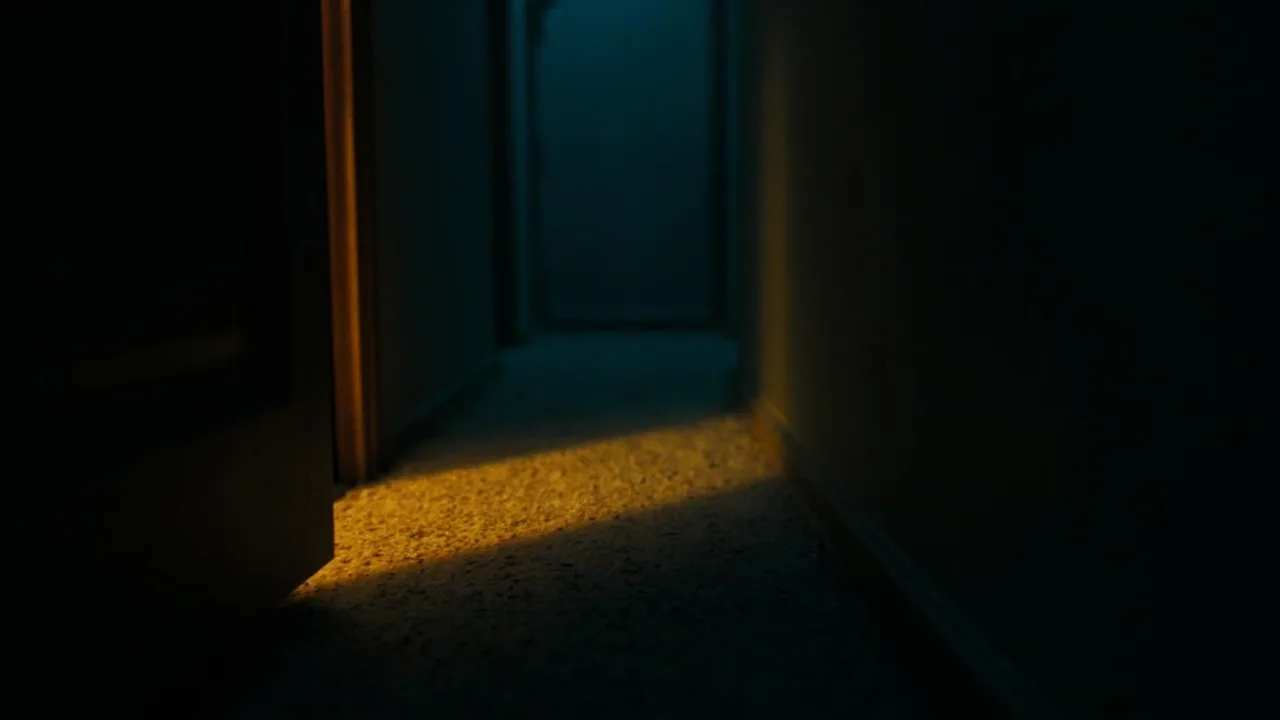
- If you avoid dark hallways, practise with partial light before full darkness.
- If your body surges, use slow breathing before deciding to leave.
The aim is to stay long enough for your body to learn: “I can feel afraid and still be safe.” You do not have to enjoy the feeling. You just have to stop escaping it immediately every time.
How therapy can help
Phobias often respond well to structured approaches because the problem involves learned fear. The NHS lists talking therapies, including CBT, hypnotherapy, and sometimes medication among treatments used for phobias (NHS). For a closer look at avoidance patterns, see our guide on anxiety symptoms, causes and treatment and the broader specific phobias framework. The same avoidance pattern shows up in other common specific phobias, fear of driving and fear of the dentist.
In practice, therapy usually works on three areas. First, it maps the cycle: trigger, interpretation, body sensation, avoidance, and relief. Second, it teaches regulation so the body does not jump straight into panic. Third, it uses gradual exposure, safely paced, so the brain can update its prediction of danger. That last point also shows up in work with fear of sleep, which shares several roots with fear of the dark.
In hypnotherapy, the work may focus on the body’s automatic response: mental imagery, felt safety, linked memories, and rehearsing situations that used to feel impossible. This does not replace medical assessment when symptoms are severe, but it can be useful when the fear is connected with anxiety, sleep, or older experiences.
Seek support if fear of the dark is taking away your sleep, stopping travel, making you dependent on other people, causing panic attacks, or leading you to use alcohol or sedatives to sleep. Those signs suggest the fear has moved from discomfort into limitation. In the UK, you can self-refer to an NHS talking therapies service without seeing a GP first; Mind also runs an information line for guidance. For local support in Jersey or online in English or Portuguese, see anxiety therapy in Jersey.
Frequently asked questions
Is fear of the dark normal in adults?
It can happen. The point is not to judge whether it is “normal”, but to look at impact. If you feel mild discomfort and can continue your routine, it may not be a problem. If you avoid situations, lose sleep, or panic, it deserves attention.
Is nyctophobia the same as fear of the dark?
Nyctophobia is the term often used for an intense fear of the dark or night. Not every fear of the dark needs the label. The term is more useful when the fear is persistent, out of proportion, and interferes with life.
Does sleeping with the light on make fear worse?
Not automatically, but it can maintain dependence if it is the only way you can sleep. A more useful strategy is often to reduce light gradually while training your body to tolerate more darkness without panic.
Can fear of the dark be linked to trauma?
It can be, but it does not have to be. Some people connect darkness with frightening experiences, insecurity, or old memories. Others cannot identify a clear origin. In both cases, the focus is the current pattern and how the body reacts now.
Can hypnotherapy help fear of the dark?
It may help some people, especially when the fear appears as an automatic body response. The work is usually safer when it includes regulation, gradual exposure, and a clear explanation of the anxiety cycle, without promising a quick cure.
About the author
Fabio Morus is a therapist in Jersey trained in Neuro-Systemic Hypnotherapy, CBT, and EMDR. His clinical work focuses on anxiety, phobias, sleep, trauma, and functional symptoms, with sessions in English and Portuguese.