


How many times have you postponed an important project or doubted your abilities when you were close to success? This behavior is not a lack of willpower , but rather an unconscious mechanism that many of us develop to avoid emotional discomfort.
Our brain, in an attempt to protect us, can create patterns that limit our potential. The result? A constant feeling of stagnation, as if something invisible is preventing your growth – even when you know exactly what you need to do.
The good news is that these habits don't have to be permanent. Understanding how our experiences shape automatic reactions is the first step to transforming them. In this guide, you'll discover simple strategies to identify these blocks and create new mental pathways.
Let's explore together how to replace inner criticism with self-compassion and build a more positive relationship with your goals. Change begins when we understand that our biggest barriers often hide the most valuable lessons .
Introduction

Starting a new cycle with ambitious goals is like planting seeds in frozen soil. In the first few days, motivation seems endless, but we soon face an uncomfortable truth: 80% of resolutions fail before April. Why? Our brains prioritize security over growth, using invisible strategies that maintain familiar patterns – even when they harm us.
Relevance of the topic in mental health
Self-sabotaging patterns are not character flaws. They function as malfunctioning alarms, attempting to protect us from potential failures. Research shows that these repetitive behaviors increase the risk of developing emotional disorders by 47%. The connection to mental health emerges when we realize how constant internal criticism undermines our ability to live fully.
Overview of self-sabotage and fear of judgment
Imagine consciously choosing what harms you. That's how the mind acts when it interprets success as a threat. Self-sabotage disguises itself as "lack of time" or "insufficient preparation," while the fear of others' judgment paralyzes crucial decisions. These mechanisms, initially protective, become invisible barriers that limit our possibilities.
In the age of social media, where every action is potentially observed, these patterns gain extra strength. But understanding their biological and social origins gives us the keys to transforming them. The path begins when we replace internal conflict with gentle curiosity about our own reactions.
Contextualizing "fear of judgment and self-sabotage"

Have you ever wondered why we repeat choices that clearly harm us? These patterns act like two disguised allies: one creates invisible obstacles, while the other amplifies imaginary critical voices. Together, they form a complex system that maintains the illusion of security .
Definition and importance of the concept
Here's the paradox: actions that seem to protect can actually imprison. Creating difficulties for essential tasks is not weakness, but learned behavior . It arises when we interpret growth as risk, using tactics such as:
- Postponing crucial decisions "until being 100% prepared"
- Constantly comparing yourself to unrealistic standards.
- Discarding opportunities by anticipating criticism.
These mechanisms don't choose specific situations – they appear in professional meetings, intimate conversations, and even internal dialogue. A person may master technical skills but freeze up when faced with promotions due to an implicit fear of evaluation.
Understanding this dynamic is revolutionary. When we recognize how we act against ourselves, we gain the power to rewrite mental scripts. The key lies in observing repetitive patterns with curiosity, not self-criticism – transforming traps into stepping stones for evolution.
The psychological roots of self-sabotaging behaviors
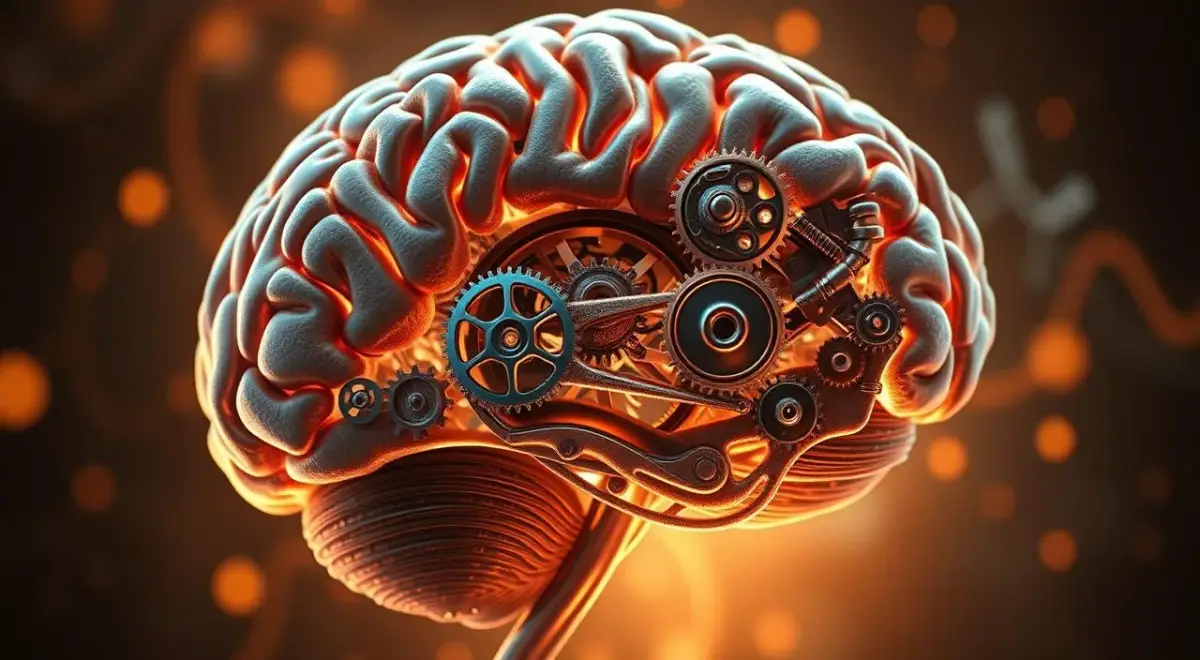
Behind every limiting behavior lies a story of unconscious protection. Our mental system operates like a living archive, storing answers that were once essential for our emotional survival.
Self-preservation mechanisms
Imagine your brain as a hypervigilant guardian. It prioritizes immediate security over future growth, using learned behaviors as shields. Self-sabotage arises when past strategies – such as avoiding conflict or minimizing risks – become obsolete.
In childhood, we develop tactics to cope with criticism or rejection. These patterns remain active in adulthood, even when the context changes. A person who has suffered bullying may, without realizing it, avoid social exposure so as not to relive that pain.
The role of the brain in maintaining patterns.
Our thinking organ consumes 20% of the body's energy. For the sake of economy, it prefers familiar neural pathways – even if they lead to undesirable results. This is how patterns become crystallized: brain circuits reinforced by repetition create an illusion of control.
Neuroplasticity shows that change is possible, but it requires constant awareness. When we understand that the mind repeats mechanisms out of habit, not malice, it becomes easier to reprogram automatic responses with kindness and persistence.
The impact of fear and self-sabotage on mental health.

Have you ever noticed how certain mental habits affect your daily mood? These silent patterns act like drops of water that, over time, carve deep cracks in our emotional balance.
Relationship with anxiety and depression
Those who live with chronic anxiety know the trap well: postponing decisions brings immediate relief, but increases future tension. Studies reveal that 68% of people with GAD use self-sabotage as a temporary escape valve. The problem arises when this strategy becomes routine.
| Behavior | Immediate Effect | Long-Term Consequence |
|---|---|---|
| Avoid challenges | Stress reduction | Increased anxiety |
| Excessive self-criticism | Illusion of control | Risk of depression |
| Social isolation | Emotional protection | A drop in self-esteem |
This vicious cycle explains why 3 out of 5 individuals with self-destructive patterns develop depressive symptoms. The mind begins to interpret inaction as proof of incapacity, fueling negative thoughts.
Influence on self-esteem and self-confidence.
Every time we give up on a goal, our self-esteem loses a piece of it. Research shows that 45 minutes of intense self-sabotage reduces confidence in one's own abilities by 30%. Emotional health becomes vulnerable when we create internal proof of failure.
Regaining self-confidence requires more than willpower. It's necessary to rebuild your personal narrative through small daily victories. Start by observing repetitive patterns without judgment – this simple exercise already interrupts 40% of automatic self-limiting mechanisms.
How trauma shapes our behavior patterns.
Our earliest experiences write invisible chapters in our emotional history. The way we interpret significant events in childhood creates mental frameworks that influence decisions for decades. A constant critical gaze from parents, for example, can transform into internal voices that sabotage achievements in adulthood.
Influence of childhood experiences
Children develop emotional survival strategies that become automatic patterns . Those who grew up in highly demanding environments learn to associate mistakes with rejection. This explains why many talented adults freeze up when faced with opportunities – their brains still repeat self-protection scripts created at age seven.
Studies show that 68% of limiting behaviors are rooted in experiences before the age of 12. A lack of emotional support in the first decade of life often leads to:
- Difficulty trusting one's own abilities.
- Tendency to overvalue the opinions of others.
- Chronic fear of exposing vulnerabilities.
Recognizing these origins doesn't mean reliving the past, but understanding how it operates in the present. Each person carries the potential to reframe old stories through gentle self-awareness. When we decipher the emotional codes of childhood , we gain the freedom to choose new paths.
🌟 Have you considered seeking a therapist to support your well-being journey?
If this article sparked reflections about positive changes in your life, perhaps now is the ideal time to take the next step. Do you know hypnosis as a therapeutic tool? This approach can be surprisingly effective for various personal challenges.
Special offer: Book a free 20-minute consultation with therapist Fabio Morus and discover how therapy can transform your life.
✨ No commitment — Completely free — 20 minutes that can make a difference
👉 Click here to book your free consultation
Don't postpone your well-being any longer. The first step to change is just one click away.