

Have you ever wondered why some people handle emotions better than others? Emotional intelligence is very important for improving our lives and relationships. It helps to deal with stress and anxiety, which affect many people in Brazil 1 .
This article will show how emotional intelligence emerged, what it means, and how to improve it. We will use tips from experts like Daniel Goleman to help you get to know yourself better and improve.
History of Emotional Intelligence
The study of emotional intelligence began several decades ago. In 1920, Robert L. Thorndike spoke about "social intelligence." He said that it is important to understand and motivate people .
In 1985, Wayne Payne used the term "emotional intelligence" in his thesis. But Hanskare Leuner had already mentioned it in 1966 2 .
The 1990s were a crucial decade for emotional intelligence. Daniel Goleman's book "Emotional Intelligence" was a huge success. Time magazine also discussed the topic in 1990, further increasing its popularity.
Goleman said that emotional intelligence is knowing how to understand and control one's own and others ' emotions. In 1998, he explained that it is important to recognize one's own and others' feelings, to motivate oneself, and to manage emotions .
In 2000, Peter Salovey and John Mayer expanded the definition. They said that it is important to perceive, express, assimilate , and regulate emotions . Since then, many tests have been created to measure emotional intelligence.
Today, emotional intelligence is seen as crucial for personal and professional success. It is important for interacting well with people.<sup> 4</sup>
https://www.youtube.com/watch?v=pvQsIMwUEyE
What does it mean to be emotionally intelligent?
Being emotionally intelligent means knowing how to recognize and manage our own emotions and those of others. This definition of emotional intelligence is very important nowadays. It helps to have better and more effective social relationships.
Those who are emotionally intelligent cope better with stress and relate better to people. They are better in 7 out of 10 situations than those with high intelligence (5% ). This helps them resolve conflicts and make better decisions.
Daniel Goleman, a renowned scholar, says that emotional intelligence has five parts: self-awareness , self-regulation , self-motivation, empathy , and social skills . Each part is important for how we interact with others.
Practicing self-reflection is a good way to improve emotional intelligence. This helps us to better understand our feelings and why we react the way we do.7 It's also good to have supportive friends and to seek professional help when needed.

The 5 pillars of emotional intelligence
The pillars of emotional intelligence are essential for our personal and professional growth. Daniel Goleman, the "father of Emotional Intelligence," identified five important pillars. They help us deal with emotions and social relationships.
Self-awareness
Self-awareness helps us recognize and understand our emotions. It is crucial for making balanced and assertive decisions. Knowing how to react in different situations is fundamental .
Self-regulation
Self-regulation allows us to control our emotions. This helps us deal with negative feelings, such as anger or sadness. Therefore, we can act in a more conscious and calm way.<sup> 8</sup>
Social skills
Social skills are essential for interacting well with others. They allow us to communicate clearly and empathetically. This helps build healthy relationships and reduce stress .
Empathy
Empathy allows us to understand the emotions of others. This skill strengthens connections and promotes a collaborative environment. Furthermore, it increases harmony in relationships and reduces unnecessary arguments.<sup> 9 </sup>
Motivation
Motivation is the driving force that leads us to achieve our goals. It is vital for keeping us committed and achieving success in all areas . Aligning these pillars helps us develop better emotionally.
https://www.youtube.com/watch?v=JB3fkSo8wS0
How to develop emotional intelligence
Developing emotional intelligence is very important for our daily lives. This means knowing how to recognize, understand, and control our emotions. It's also important to understand the emotions of other people. To do this, we use practical strategies such as meditation and an emotional journal.
Practical strategies
To develop emotional intelligence , it's good to practice meditation and keep an emotional journal. This helps us understand our reactions. Accepting constructive criticism makes us stronger and better at managing our emotions.
Active listening is also very important. It creates an environment of empathy , which is good both at home and at work.
The importance of self-knowledge.
Self-awareness is key to improving our emotional intelligence. Knowing our feelings and how they affect our actions is crucial. This prepares us to face emotional challenges.
Leaders and professionals with good emotional intelligence do a better job. They also create more cohesive and empathetic teams. Research shows that 90% of successful professionals have high emotional intelligence.<sup> 10</sup>
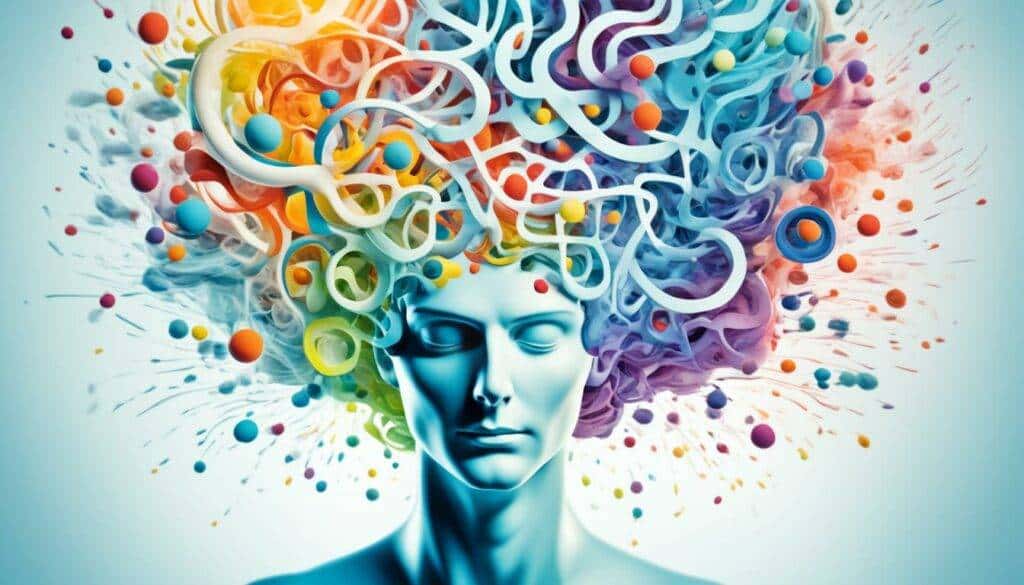
Benefits of emotional intelligence at work
Emotional intelligence at work improves productivity and helps create strong bonds. Research from the University of Vale do Paraíba shows that it can be a differentiator in the market . Those who have emotional control are more careful and make better decisions .
Working in environments that value emotional intelligence reduces stress. This helps to better cope with pressures and challenges .
Having greater emotional intelligence makes professionals more motivated and less affected by stress . This improves relationships and helps the team bond . Companies that invest in emotional intelligence training have more united and productive teams.
Organizations that value emotional intelligence attract more talent and reduce complaints. This increases employee motivation and engagement. <sup>11</sup>
Emotional intelligence increases productivity at work. Companies with emotionally intelligent people have fewer mental health problems. Having emotionally intelligent colleagues helps maintain concentration and avoid emotional problems .
Investing in emotional intelligence increases employee motivation. Understanding one's talents improves connection to work . Understanding and managing one's own and others' emotions is essential for improving workplace relationships.
https://www.youtube.com/watch?v=AyktTCrYHWE
Emotional intelligence in personal relationships
Emotional intelligence is very important for strengthening our bonds with people. It helps us to be more empathetic and to communicate clearly and respectfully. This greatly improves our relationships.
How to improve interpersonal relationships
To improve our relationships, it's crucial to understand and accept everyone's emotions. This creates a safe environment for open and helpful conversations. As a result, people feel more valued and understood.
Using emotional intelligence can reduce conflicts and find solutions that please everyone. A study with teachers showed that there was a small increase in the quality of relationships between them and students after using emotional intelligence strategies.13 This shows how emotional skills improve the dynamics between people.
Emotional intelligence also helps create new habits and brings harmony to various types of relationships. It improves not only social bonds, but also professional and affective ones . Understanding how to use these skills is crucial for creating stronger and more meaningful connections.

Exercises to develop emotional intelligence
It is very important to do exercises to develop emotional intelligence . This helps us to better manage emotions and interact with people. Some practices, such as reflective writing and mindfulness, help us to better understand our emotions. Research shows that emotional intelligence can be up to 80% responsible for success in life, as Daniel Goleman says 15 .
A good way to improve is to identify our weaknesses and recognize emotional patterns. It is also important to understand how emotions affect us and others. This improves our relationships. The University of Maryland states that 58% of professional success comes from good emotional intelligence. <sup>16</sup>
Here are some techniques and exercises to improve emotional intelligence:
| Technique | Description |
|---|---|
| Self-control | This exercise involves pausing and evaluating our emotional responses before acting. |
| Enhancing positive emotions | Techniques for identifying and enhancing positive emotional experiences throughout the day. |
| Pattern Recognition | Identifying emotional and behavioral patterns in stressful situations. |
| Role-Playing | Simulation exercises to practice conflict management effectively. |
| Group Dynamics | Group activities that promote interaction and mutual empathy . |
These self-awareness techniques help us to better understand our own emotions and to respect those of others. With improved emotional skills, we can grow personally and professionally. Emotionally intelligent leaders can increase profits by up to 20% 17 .
https://www.youtube.com/watch?v=OjdzCJVaaQc
Books about emotional intelligence
Books on emotional intelligence are essential for anyone who wants to improve their emotional skills. They help you understand yourself and others better. Titles like Emotional Intelligence , by Daniel Goleman, are highly recommended.18 19 Goleman shows that emotional intelligence is crucial for success in many areas of life.18
Other books, such as Emotional Agility and Emotional Intelligence 2.0 , give tips on using emotional intelligence at work 19. Nonviolent Communication , by Marshall Rosenberg, teaches how to improve communication with people 19 .
Reading books like The Courage to Be Imperfect and Calm Down, For Christ's Sake! can reduce stress and improve emotional skills 18 19. They are important for personal and professional life 20 .

| Book Title | Author | Description |
|---|---|---|
| Emotional Intelligence | Daniel Goleman | Explore the importance of emotional intelligence and how it affects success in personal and professional life. |
| Emotional Agility | Susan David | It offers practices for developing emotional resilience during times of uncertainty. |
| Nonviolent Communication | Marshall Rosenberg | It focuses on interactive and non-violent communication to improve relationships . |
| The Courage to Be Imperfect | Brené Brown | It discusses accepting vulnerability and the power of authenticity. |
| Hold on a minute, damn it! | Sarah Knight | It helps in managing emotions and controlling anxiety. |
Emotional intelligence courses
Today, many people are looking for courses in emotional intelligence . This is because knowing how to manage emotions is important for being happy and successful. Many schools, such as Awari and Escola Virtual, offer these courses. They teach theory and practice to improve emotional skills.
A course called "Emotional Intelligence and Resilience" is very popular. It lasts 30 hours, spread over 7 weeks. It starts on July 25, 2024, and costs R$ 997.60 in cash or by credit card. This helps professionals improve at work .
The Virtual School has free courses. This helps more people learn about emotions. Students have 60 days to complete them and need to pass 70% of the assessment to receive the certificate .
The Emotional Intelligence course from Unova Cursos has 60 hours of content. It includes video lessons and readings. The certificate is valid throughout the country and costs R$39.90 23 .
These courses are very important for anyone who wants to improve their emotional skills. They help improve communication and relationships with people. Thus, by taking an emotional intelligence course , we are improving our personal and professional lives.
Conclusion
Emotional intelligence is very important for improving our personal and professional lives. It helps us understand and control our emotions, which is crucial for a balanced life 24. This can reduce stress and improve our relationships with others 25 .
It is very important to improve our emotional intelligence, especially in a world full of change. People with good emotional intelligence create a better work environment, which improves their performance and relationships. <sup>26</sup>
Understanding the importance of emotional intelligence helps us improve our well-being and be better in our environment. Developing this skill is essential for a future with more empathy and respect, creating a healthier society.
FAQ
What is emotional intelligence?
Emotional intelligence is the ability to understand and control our own emotions and those of others.
What are the benefits of emotional intelligence?
It improves our relationships and communication. It also helps reduce stress and increase productivity.
How can we develop emotional intelligence?
Developing emotional intelligence requires self-awareness , accepting criticism, and practices such as meditation. An emotional journal is also helpful.
How important is emotional intelligence in the workplace?
At work, it improves communication and team morale. This creates a positive and productive environment.
What are the pillars of emotional intelligence?
The pillars are self-awareness , self-regulation , social skills , empathy, and motivation.
Are there any recommended books on emotional intelligence?
Yes, we recommend "Emotional Intelligence" by Daniel Goleman and "The Emotional Mind" by Mário Sérgio Cortella.
What types of exercises can help develop emotional intelligence?
Exercises such as mindfulness, breathing exercises, reflective writing, role-playing, and group dynamics are helpful.
Where can I find courses on emotional intelligence?
Courses are available on platforms like Awari and at educational institutions, both online and in person.
How does emotional intelligence affect personal relationships?
It improves communication and helps resolve conflicts. This strengthens the bonds between people.
What are some practical strategies for applying emotional intelligence in everyday life?
Strategies include self-awareness , listening to the emotions of others, and managing emotional stress.
🌟 Have you considered seeking a therapist to support your well-being journey?
If this article sparked reflections about positive changes in your life, perhaps now is the ideal time to take the next step. Do you know hypnosis as a therapeutic tool? This approach can be surprisingly effective for various personal challenges.
Special offer: Book a free 20-minute consultation with therapist Fabio Morus and discover how therapy can transform your life.
✨ No commitment — Completely free — 20 minutes that can make a difference
👉 Click here to book your free consultation
Don't postpone your well-being any longer. The first step to change is just one click away.