

Anxiety can paralyze us and affect our mental health. Many have felt this, but don’t know what causes it. This creates a cycle of suffering that affects our lives and relationships. How to deal with anxiety effectively? Let’s look at the symptoms of anxiety , its emotional causes, and treatment tips. This will help you regain control and live better.
What is anguish?
Anxiety is an important issue in mental health. It is a strong emotional state, full of suffering and restlessness. It can arise from daily stresses or past traumas . This emotion weighs heavily on the mind. It goes beyond sadness, bringing hopelessness and feelings of helplessness.Definition and psychological context
Psychologically, anguish is a reaction to situations of insecurity. Often, the cause of this feeling is unknown. Recognizing the definition of anguish helps to better understand emotions. This understanding can be the first step in seeking help. It can help to begin treatment or to find ways to cope with the emotion.Difference between distress and anxiety
Anxiety and distress are often confused, but they have important differences. Anxiety usually stems from a specific situation. Distress, on the other hand, is a broader feeling. Someone can feel distress without a clear reason. Knowing this difference helps in finding the best way to deal with each emotion.Symptoms of distress
 The symptoms of distress can vary from person to person. They generally fall into two groups: physical and emotional. Knowing how to identify these signs helps in seeking help.
Common physical symptoms
The physical symptoms are numerous. Some of the most common are:- Shortness of breathe
- Heart palpitations
- Recurring headaches
- Muscle tension
- Excessive sweating
Emotional and behavioral symptoms
Emotional symptoms are also important. They include:- Deep sadness
- Despair regarding the future
- Difficulty enjoying daily activities
- Irritability or apathy
Differences between mild and severe symptoms
The intensity of symptoms can vary greatly. In mild cases, a person may feel somewhat uncomfortable, but can still carry out daily activities. In severe cases, the symptoms are very strong and can prevent a person from doing everyday things. It is crucial to know the difference in order to seek the right treatment.Causes of distress
 Anxiety can come from many places. It appears in different situations in life. Knowing what causes this anxiety helps us better understand what is happening within us. The reasons for feeling anxiety include psychological factors , the environment around us, and past traumas .
Psychological factors
Psychological factors have a major impact on distress. Stress, emotional conflicts, and mental health problems can increase feelings of distress. Understanding our thoughts and behaviors helps us see why we feel distress.Environmental influences
The environment around us is very important. Family pressures, work demands, and relationship problems affect our emotions. These factors create a climate of instability and discomfort.Impacts of past traumas
Past traumas can greatly affect our emotional lives. Even without an immediate trigger, distress can return. Working through these feelings and understanding how they connect to the present is essential for healing and strengthening emotionally.Diagnosis of distress
 Understanding distress is the first step in treating it. A mental health professional conducts a clinical assessment . This helps to better understand the symptoms and severity of the distress.
Clinical assessment
Clinical assessment is a detailed process. The professional analyzes the patient’s history and symptoms. They also look at the patient’s life circumstances. This analysis seeks to understand the distress and what worsens it. It is crucial that the patient and professional communicate openly.Diagnostic tools
Diagnostic tools help measure distress. They include questionnaires and rating scales. They capture information about symptoms and potential problems such as anxiety or depression. Using these tools correctly is essential. This allows for the creation of an effective treatment plan for the patient.The effects of anxiety on daily life.
 Anxiety greatly affects daily life. It can change personal relationships and professional life . People experiencing anxiety change their behavior and interactions. This can make it difficult to maintain healthy relationships.
Impact on personal relationships
The effects of distress can cause people to isolate themselves. They may withdraw from friends and family. This creates emotional barriers. This isolation can increase feelings of loneliness. This harms personal relationships. Communicating and expressing emotions becomes difficult. Relationships between partners can also suffer. This can cause misunderstandings and conflicts.Effects on professional life
Anxiety causes problems at work. It affects focus and productivity. This leads to missed deadlines and low-quality work. People experiencing anxiety have difficulty concentrating. They also feel low motivation. In some cases, they may become more absent. This situation can create a vicious cycle. Job dissatisfaction fuels anxiety. This affects overall well-being.Coping strategies
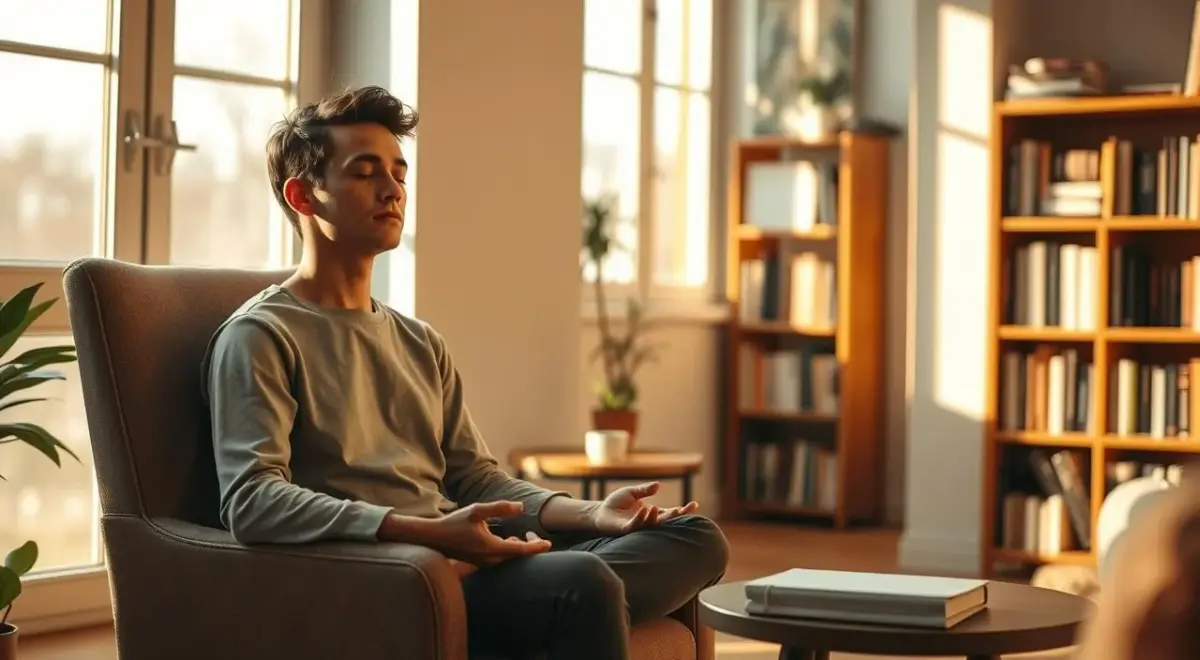 It’s very important to know how to deal with anxiety in order to stay calm. There are several ways to do this, such as breathing techniques and exercises. These practices not only relieve anxiety but also make you feel better.
Breathing techniques
Breathing techniques are very effective in reducing tension. Diaphragmatic breathing, for example, helps you breathe more deeply. This brings relaxation and calm. Practicing this technique every day helps a lot.Physical exercise and its effectiveness
Regular exercise is very helpful in combating anxiety. Physical activity releases endorphins, which make you feel happy. Including walking, running, or yoga in your routine greatly improves your life.Recommended therapies for anxiety
To treat anxiety, several therapies are very effective. Cognitive-behavioral therapy and mindfulness therapy are the most recommended. They are very helpful in dealing with the emotional problems of anxiety.Cognitive-behavioral therapy
Cognitive behavioral therapy helps to change negative thoughts. Often, distress stems from thinking incorrectly. CBT teaches how to replace these thoughts with more positive ones.Mindfulness-based therapy
Mindfulness therapy teaches you to be attentive to the present moment. It’s very good for anxiety because it helps you avoid judging your thoughts and emotions. It teaches you to observe everything without judgment, helping you control your emotions.Medications for anxiety
 Anxiety can be difficult to cope with. Often, treatment involves medication to help. These medications aim to improve mood and alleviate symptoms. Antidepressants and anxiolytics are the most commonly used. Each has its own characteristics. This helps in choosing the best one for each person, depending on their symptoms.
Types of common medications
- Antidepressants : They treat depression and some forms of anxiety. Examples include fluoxetine and sertraline.
- Anxiolytics : Used to treat acute anxiety. Diazepam and lorazepam are popular examples.
- Beta-blockers : Although commonly used for heart problems, they can help control the physical symptoms of anxiety, such as tachycardia.
Side effects to consider
Medications for anxiety can have side effects . It’s important to keep an eye on them. They can change the decision about treatment.- Drowsiness
- Weight gain
- Dependence, especially in the case of anxiolytics.
- Dry mouth and constipation
- Difficulty concentrating
The importance of social support
 Social support is very helpful in combating anxiety. Having close family and friends is essential. They offer comfort and validate our experiences, reducing isolation.
How can family and friends help?
Family and friends are very important in providing social support . They can listen and offer emotional support . Small gestures make a big difference. It’s important to talk openly about our feelings. This helps us feel safer.Support groups and their advantages
Support groups are great for finding like-minded people. They are a safe place to share stories and challenges. This makes us feel like we belong and gives us new ideas for coping with distress.Recognizing the warning signs
It’s very important to know when we need professional help to deal with distress. If symptoms start to interfere with our daily lives, such as mood swings, insomnia, or changes in appetite, it’s a sign that we need help. These signs can be difficult to notice, but recognizing them can prevent the situation from worsening.When to seek professional help
If you are experiencing strong feelings that you can’t control, it’s time to seek help. If distress is affecting your daily life, it’s a sign that you need a therapist, psychologist, or psychiatrist. They can help you find ways to cope with these problems.Signs of worsening condition
The worsening of the condition can be signaled in several ways. It is crucial to keep an eye on:- Difficulty in performing everyday tasks.
- Increased irritability or discouragement.
- Significant changes in sleep and eating habits.
- Feelings of hopelessness or helplessness.
Preventing distress
Preventing anxiety involves healthy habits and emotional education . Living a balanced life helps maintain a healthy mind. This prepares us to face the challenges of daily life.Healthy habits for mental well-being
There are important habits to avoid anxiety. For example:- Eat well, with plenty of nutrients;
- Exercise regularly;
- Sleep well to restore your mind;
- Practice relaxation and meditation.
The role of emotional education
Emotional education helps us understand our emotions. This allows us to:- To become more resilient;
- To identify when we are emotionally vulnerable;
- Seek help when needed.
Anxiety in children and adolescents
Anxiety in young people is an important issue. It affects children and adolescents in specific ways. Parents and educators should be attentive and provide the right emotional support .Specific symptoms in this age group
Symptoms can vary. But some common signs are:- Frequent irritability
- Difficulty concentrating on schoolwork.
- Sleep problems, such as insomnia or nightmares
- Intense emotional reactions to everyday situations.
Support strategies for young people
To help young people experiencing distress, emotional support is essential. Some helpful strategies include:- Establish open dialogues about feelings and emotions.
- To provide a safe and welcoming environment.
- Seek out activities that promote relaxation and well-being, such as yoga and meditation.
- Consider consulting mental health professionals if symptoms persist.
Cultural differences in the perception of distress
The way we view distress varies greatly across cultures. In some places, talking about emotions is encouraged, while in others it may seem weak. These cultural differences change how we express distress and reflect how we approach culture and mental health .How culture influences the expression of distress.
Culture dictates how we should express our emotions. In some places, showing weakness is frowned upon. This causes many people to hide their feelings. But in places that value empathy, talking about distress is a step towards seeking help.Comparisons between Brazil and other countries
In Brazil, talking about anxiety is common in family settings and therapy. This shows a climate that values discussing emotions. In Japan and other Asian cultures, however, talking about mental health is rarer. This difference illustrates how different cultures view mental health.| Culture | An approach to emotional expressions | Mental health support |
|---|---|---|
| Brazil | Encouraging dialogue and expression. | Therapies discussed openly |
| Japan | Respect for emotional privacy | Seeking help is often done in secret. |
| USA | Valuing expression as a form of healing. | Extensive access to therapies and support groups. |
Studies and research on distress
Studies on distress have advanced significantly in recent years. They have provided important insights into distress and how to treat it. Today, mental health is more valued, and distress is viewed more broadly. The relationship between lifestyle and distress is a key point in research. This highlights the importance of living a healthy lifestyle to avoid distress.Key recent findings
Recent studies show that stress and lack of social support increase anxiety. Poor diet and lack of exercise are also important factors. These habits can lead to the development of anxiety. Society is beginning to understand mental health better. This is causing more people to seek treatment for anxiety. This change is positive for the issue.What does science say about the treatment?
Science is searching for effective treatments for anxiety. Therapies such as cognitive behavioral therapy show good results. They help to deal with anxiety effectively. Treatments for anxiety are becoming more accessible. They are personalized for each person, considering their unique needs. This approach greatly improves the effectiveness of treatments.Useful resources and tools
To better understand distress, there are many helpful resources available. Books and podcasts are great for learning more. They offer insights and strategies for coping with distress.Recommended books and podcasts
In literature, some books stand out. Authors like Paulo Vieira and Brené Brown talk about anxiety. They help us better understand our emotions. In addition, there are podcasts like “Coffee with Psychology” and “Unshakeable Mind.” They are easy to understand and practical. They help manage anxiety while you do other things.Apps for emotional management
In the digital world, there are apps that are very helpful. “Calm” and “Headspace” offer meditation and relaxation. They help manage anxiety easily. These apps make self-care more accessible. They allow you to have moments of self-care every day.🌟 Have you considered seeking a therapist to support your well-being journey?
If this article sparked reflections about positive changes in your life, perhaps now is the ideal time to take the next step. Do you know hypnosis as a therapeutic tool? This approach can be surprisingly effective for various personal challenges.
Special offer: Book a free 20-minute consultation with therapist Fabio Morus and discover how therapy can transform your life.
✨ No commitment — Completely free — 20 minutes that can make a difference
👉 Click here to book your free consultation
Don't postpone your well-being any longer. The first step to change is just one click away.