

Anxiety has become a significant part of modern life, impacting millions of people worldwide. In the United States, for example, more than 40 million people experience some type of anxiety disorder each year. The good news? Anxiety is highly manageable with the right tools and support. This guide explores everything you need to know about anxiety in 2024, from understanding its causes and symptoms to learning effective coping and treatment strategies. Whether you're experiencing occasional stress or dealing with a more persistent anxiety disorder, this comprehensive guide can help you find your way to a calmer, more balanced life.
What is anxiety?
At its core, anxiety is a natural response to stress—a heightened state of alertness that helps us respond to potential threats. However, when anxiety becomes chronic or disproportionate to actual threats, it can interfere with daily life. Anxiety disorders, which include conditions such as generalized anxiety disorder (GAD), social anxiety disorder, and panic disorder, go beyond ordinary stress. These disorders can generate persistent feelings of fear, worry, or discomfort that affect a person's well-being.
Understanding anxiety is the first step to managing it effectively. Recognizing that anxiety is more than just "excessive worry" helps to eliminate some of the stigma surrounding it, creating a pathway for open discussions and appropriate treatment.
Causes of Anxiety
Anxiety has complex origins, often resulting from a combination of genetic, environmental, and psychological factors. Some of the main causes include:
- Genetics: Research indicates that anxiety may be hereditary, suggesting a genetic component.
- Brain Chemistry: Neurotransmitters such as serotonin and dopamine influence mood regulation, and imbalances can contribute to anxiety.
- Trauma and Life Events: Experiences such as traumatic events, sudden losses, or major life changes can trigger anxiety.
- Chronic Stress: Constant stress, whether at work, in relationships, or financially, can intensify anxiety and lead to long-term effects on mental health.
Understanding these causes can help people seek appropriate support and develop effective coping mechanisms.

Symptoms of Anxiety
Anxiety manifests itself in both physical and mental symptoms, making it a comprehensive challenge. Here are some common symptoms:
- Physical Symptoms: Rapid heartbeat, sweating, nausea, tremors, and dizziness.
- Mental Symptoms: Constant worry, irritability, difficulty concentrating, and a feeling of being overwhelmed.
- Behavioral Symptoms: Avoiding certain places or situations, difficulty sleeping, and excessive nervous habits (such as nail biting and pacing).
Symptoms vary depending on the type of anxiety disorder, and understanding your unique experience with anxiety can guide you to the right resources and treatments.
Types of Anxiety Disorders
There are several specific types of anxiety disorders, each with unique characteristics. Some of the most common types include:
- Generalized Anxiety Disorder (GAD): Characterized by excessive worry about various aspects of daily life.
- Social Anxiety Disorder: Intense fear of social situations and of potential judgment or embarrassment.
- Panic Disorder: Sudden and repeated episodes of intense fear, often accompanied by physical symptoms such as a racing heart.
- Obsessive-Compulsive Disorder (OCD): Unwanted and repetitive thoughts (obsessions) and behaviors (compulsions) to relieve anxiety.
- Post-traumatic stress disorder (PTSD): Triggered by traumatic events, leading to flashbacks, severe anxiety, and nightmares.
Identifying the specific anxiety disorder you may be experiencing makes it easier to find effective treatment options.
Anxiety Diagnosis
A proper diagnosis is essential for the effective treatment of anxiety. Healthcare professionals may use questionnaires, psychological assessments, and physical examinations to rule out other medical conditions. Common screening tools include the Generalized Anxiety Disorder-7 (GAD-7) and the Social Phobia Inventory (SPIN) , which help quantify the severity of symptoms. An accurate diagnosis not only clarifies treatment options but also provides a clear path for managing anxiety.
Coping Strategies for Anxiety
Managing anxiety begins with understanding personal triggers and developing strategies to stay calm. Here are some proven coping mechanisms:
- Mindfulness and Meditation: Practicing mindfulness can help maintain focus on the present moment, reducing racing thoughts.
- Breathing Exercises: Techniques such as deep breathing and the "4-7-8" method help reduce the physical symptoms of anxiety by calming the nervous system.
- Regular Physical Activity: Exercise has been shown to improve mood, promote sleep, and reduce anxiety.
- Creative Outlets: Writing, making art, or listening to music can serve as outlets for expression, helping to process emotions and reduce anxiety.
These techniques are practical, accessible, and effective for short-term anxiety relief.
Treatments for Anxiety
For more persistent or severe anxiety, professional treatment may be necessary. Several options are available, and a combined approach is often the most effective.
- Therapy: Cognitive Behavioral Therapy (CBT) is highly effective in treating anxiety, helping people challenge negative thought patterns. Exposure therapy is another approach to addressing specific fears.
- Medication: Selective serotonin reuptake inhibitors (SSRIs) are common for anxiety, helping to balance neurotransmitters in the brain. Other medications, such as benzodiazepines, may be used for short-term relief.
- Alternative Treatments: Techniques such as acupuncture, herbal supplements (e.g., chamomile, valerian), and dietary adjustments can complement traditional treatments.
Choosing the right treatment plan is a personal decision, and discussing the options with a mental health professional can provide the support needed to begin managing anxiety effectively.
Managing Anxiety in Daily Life
Creating a balanced life that reduces stressors is essential for long-term anxiety management. Here are some daily practices to consider:
- Set Realistic Goals: Prioritize tasks to avoid feeling overwhelmed.
- Structure and Routine: Establish a daily routine to create a sense of control.
- Practice self-compassion: Treat yourself with kindness, especially on difficult days.
- Limit Stimulants: Reduce your consumption of caffeine and alcohol, as they can increase anxiety symptoms.
By implementing these daily practices, you can create an environment that fosters calm and stability.
Tips for Supporting Someone with Anxiety
Supporting someone with anxiety can make a huge difference in their journey. Here are some ways to help:
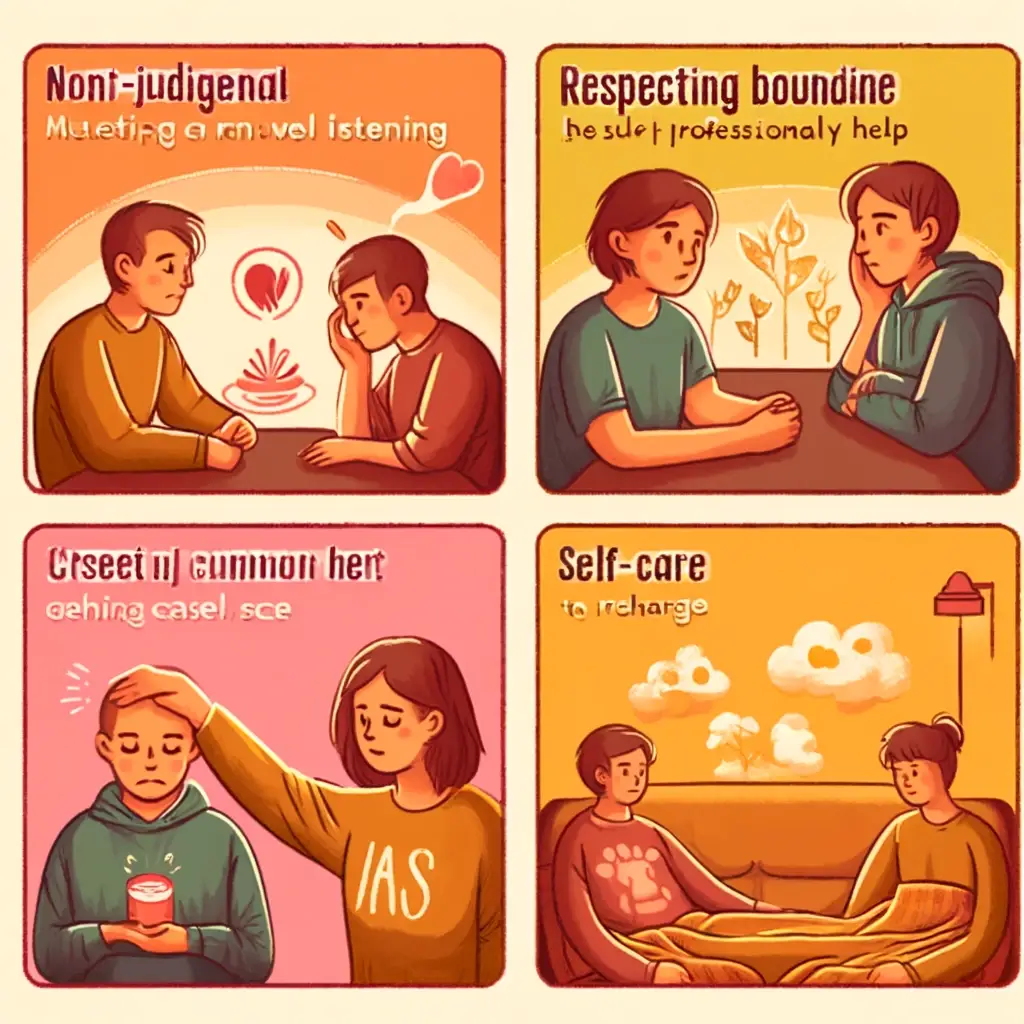
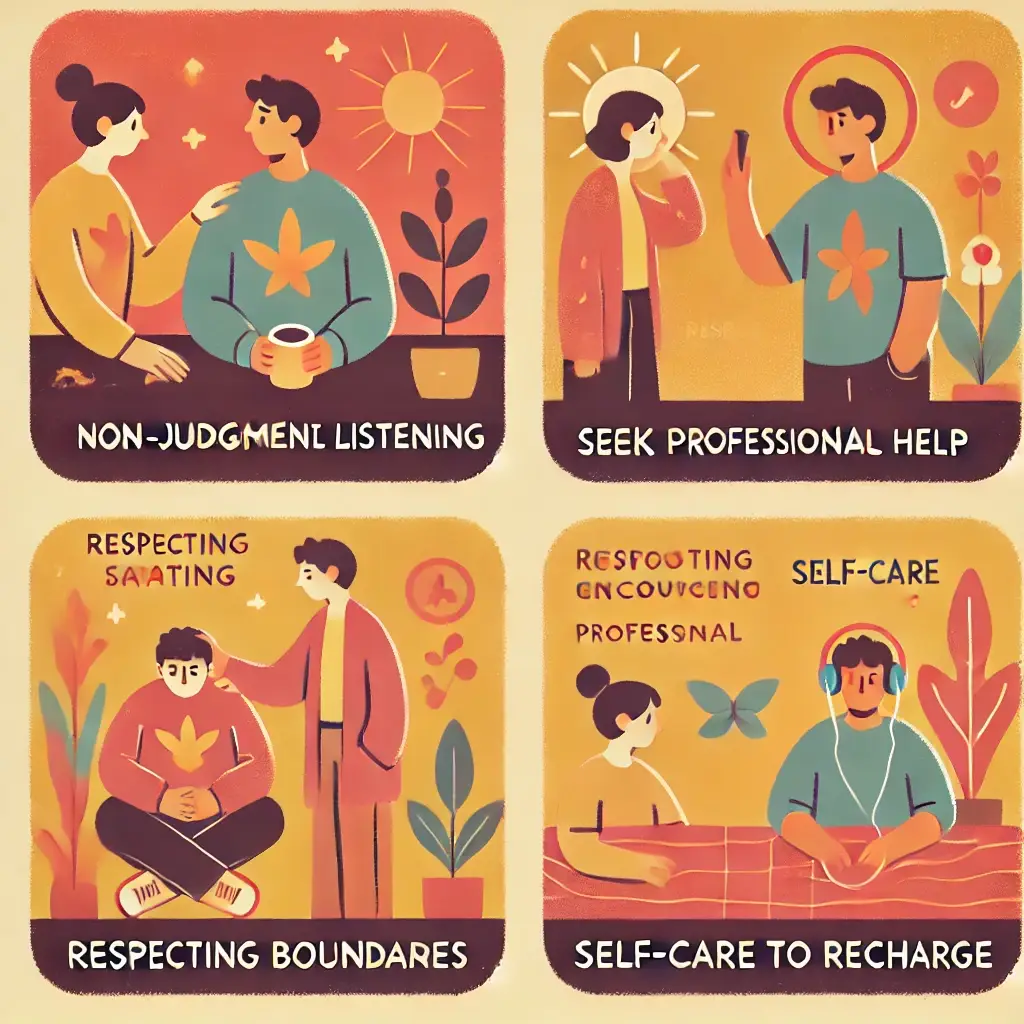
- Listen without judging: Allow the person to express their feelings without offering immediate solutions.
- Encourage Seeking Professional Help: Suggest that the person speak with a mental health professional.
- Respect Limits: Understand that anxiety can sometimes limit what a person feels comfortable doing.
- Take care of yourself as a supporter: Supporting someone with anxiety can be challenging, so make sure you're taking care of yourself too.
Empathy, patience, and understanding are essential for supporting loved ones with anxiety.
Myths and Misconceptions About Anxiety
Misconceptions about anxiety often create unnecessary stigma. Let's debunk some myths:
- Myth: Anxiety is simply "overthinking".
The reality is that anxiety is a mental health condition that can have serious physical and mental impacts. - Myth: "Just calm down" is good advice.
The reality is that telling someone to calm down is rarely effective and can make them feel disregarded. - Myth: Medication is a crutch.
Reality: For many, medication is a valuable tool that makes anxiety manageable.
Debunking these myths helps create a more welcoming environment for those dealing with anxiety.
Resources for Anxiety
Seeking support is essential, and there are several resources available for managing anxiety:
- Apps: Applications like Headspace and Calm offer guided meditations and relaxation exercises.
- Support Groups: Online and in-person support groups, such as those offered by the Anxiety and Depression Association of America (ADAA) , provide community and connection.
- Books and Podcasts: Resources such as "The Anxiety and Phobia Workbook" or podcasts like "The Calm Collective" provide insights and guidance.
Using these resources can empower you to make positive changes in your journey with anxiety.
Conclusion
Anxiety can be challenging, but remember it's manageable. With the right support, strategies, and lifestyle adjustments, you can regain control and live a balanced and fulfilling life. Start by exploring some of the tips and treatments in this guide, and seek help if needed. You are not alone , and every step you take to manage your anxiety is a step toward a healthier and happier life.
🌟 Have you considered seeking a therapist to support your well-being journey?
If this article sparked reflections about positive changes in your life, perhaps now is the ideal time to take the next step. Do you know hypnosis as a therapeutic tool? This approach can be surprisingly effective for various personal challenges.
Special offer: Book a free 20-minute consultation with therapist Fabio Morus and discover how therapy can transform your life.
✨ No commitment — Completely free — 20 minutes that can make a difference
👉 Click here to book your free consultation
Don't postpone your well-being any longer. The first step to change is just one click away.