
Have you ever considered whether your anxiety is more than just a passing feeling? Anxiety attacks can greatly affect our lives. Let's look at what it's like to face an anxiety attack , how to identify it, and what its symptoms and triggers are. We'll also discuss practical strategies for dealing with these episodes and seeking the right treatment.
The World Health Organization (WHO) stated that Brazil was the most anxious country in the world in 2020, with a 25% increase in anxiety . It's important to know that anxiety attacks can be linked to mental health problems such as anxiety and depression . Therefore, understanding and managing these attacks is crucial for our health.
What is an anxiety attack?
An anxiety attack is a moment of intense fear or discomfort that arises without warning. It is becoming more common in Brazil, where approximately 20 million people experience some type of anxiety . It is important to understand how anxiety, as a natural emotion, can become a disorder.
Understanding anxiety as a natural emotion
Anxiety is an emotion we all feel when we are stressed. It helps us react to challenges, preparing the body to fight or flee. But when it becomes too intense, it can cause an anxiety attack, affecting our well-being and productivity.
Anxiety crisis versus anxiety disorder
It's important to know the difference between an anxiety attack and an anxiety disorder . An attack is an isolated event, while a disorder is a condition that lasts longer and may require professional help. Brazil has the highest rate of people with anxiety disorders in the world, with 9.3 % of the population affected. Approximately 70% of anxiety attacks are linked to depression . Therefore, it is crucial to recognize and seek treatment for these conditions.
https://www.youtube.com/watch?v=a1C8PxeLlGo
How to identify an anxiety attack
To identify an anxiety attack, it's important to recognize the signs of an anxiety attack . These signs can be physical or emotional and affect daily life. As anxiety increases, understanding its symptoms is essential.
Physical and emotional signs of the crisis.
Symptoms of an anxiety attack include:
- Gasping for breath
- Shortness of breathe
- Palpitations
- Tremors
- Muscle tension
- Feeling dizzy
- Constant fear and irritability
During a crisis, a person may feel like they are losing control. This can be very distressing. Consulting reliable sources helps in understanding the symptoms and causes.
Difference between anxiety crisis and panic attacks
It is crucial to know the difference between an anxiety crisis and a panic attack . Anxiety crises are prolonged and less intense. Panic attacks are episodes of intense fear, with symptoms such as chest pain and a feeling of impending death. Understanding this difference helps in seeking the right treatment and understanding the severity .
Symptoms of anxiety and their implications.
Anxiety can affect both the body and the mind. It's important to recognize the signs in order to deal with them, thus preventing them from intensifying in our daily lives.
Identifying the most common symptoms
The most common symptoms of anxiety include:
- Constant agitation or restlessness;
- Difficulty concentrating;
- Sleep problems, such as insomnia;
- Intrusive thoughts and excessive worries.
Nearly 264 million people worldwide suffer from anxiety, according to the WHO 7. Symptoms can be physical, such as shortness of breath, or psychological, such as irritability 8. Recognizing these signs is crucial in order to seek help.
Consequences in daily life
Anxiety can affect many areas of life, such as relationships and work. During the pandemic, anxiety and depression increased by 25% 8. More than 70% of Brazilians experienced sleep problems 8. This shows how anxiety can change people's routines and well-being.
https://www.youtube.com/watch?v=Pmh9No4Mdts
Common triggers for anxiety attacks
Understanding the triggers for anxiety attacks is essential for managing and preventing episodes. Some stressful situations can trigger attacks. Identifying these situations is an important step in taking care of yourself.
Stressful situations that can trigger crises.
Stress at work and in personal situations can cause crises. Interacting at parties or meetings can cause anxiety in those with social anxiety disorder . Health problems, such as cancer, can also increase anxiety . Caffeine and alcohol consumption can worsen anxiety.
The impact of the pandemic on mental health.
The pandemic has had a major impact on mental health, increasing anxiety. Uncertainty about COVID-19 is a trigger for many. This has led to more anxiety attacks 10. During the pandemic, symptoms such as muscle tension and insomnia have become common 11 .
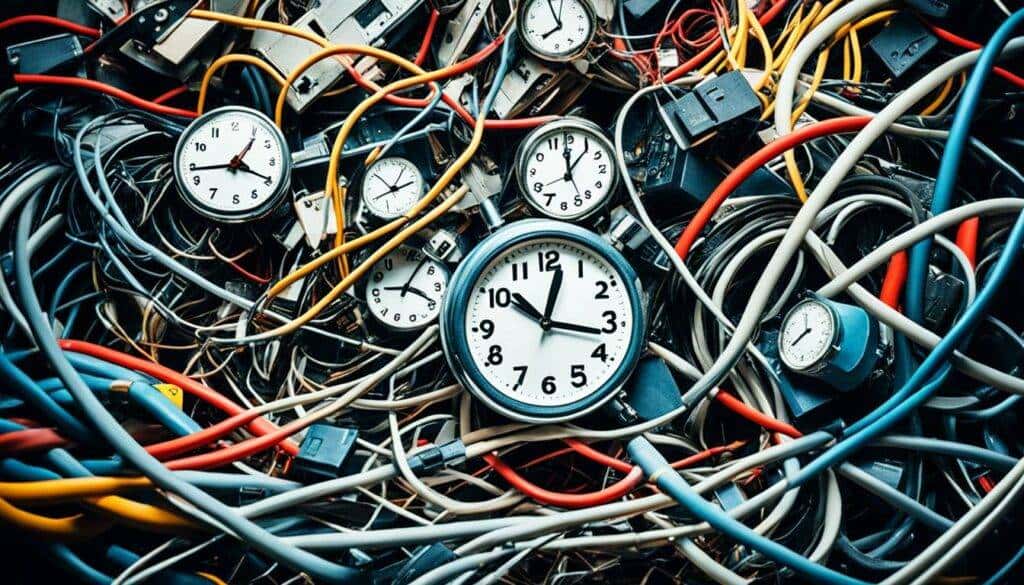
| Common Triggers | Potential Consequences |
|---|---|
| Stress at work | Increased anxiety, insomnia |
| Social interactions | Muscle tension, fear of judgment |
| Health problems | Negative beliefs, worsening of symptoms 9 |
| Substance use | Worsening anxiety control 9 |
| Unexpected events | Emotional dysregulation, crises |
How to deal with an anxiety attack
During times of anxiety, using techniques and strategies is essential to regain control. Here are some helpful tips for dealing with these difficult situations.
Breathing control techniques
Breathing techniques are very important when anxiety takes over. Deep breathing helps to calm the body and mind. Inhale slowly through your nose, hold your breath for a few seconds, and exhale through your mouth. This can reduce symptoms and improve control.
Distraction and focus shifting strategies
Using distraction strategies is also crucial. This can be done with activities that distract us, such as reading, listening to music, or doing light exercise. These actions help to reduce anxiety and forget the difficult moment.
Muscle relaxation to relieve tension.
Muscle relaxation is a technique that combines well with breathing. Tense and relax each muscle group in your body, starting from your feet and working your way up to your head. This helps reduce tension and brings a feeling of well-being.
https://www.youtube.com/watch?v=W7FMDCoOLEc
These practices, along with awareness of the present moment, can change the experience of those who have anxiety attacks. Using these techniques can be a big step towards overcoming the challenges of daily life. For more effective treatment, it is important to consult a psychologist. They can offer professional support and guidance. <sup>12 13 </sup>
The importance of psychological help for anxiety.
Seeking psychological help is essential for dealing with anxiety. When to seek help for anxiety is a common question. Recognizing the signs that we need help is the first step to overcoming it.
When to seek professional help
It is important to contact a psychologist when anxiety affects our daily activities. Anxiety disorders, such as Generalized Anxiety Disorder , are marked by excessive worry. They can lead to physical and psychological symptoms that cause distress and affect our ability to function normally.<sup> 14</sup>
The intensity of anxiety can affect our cognitive performance and overall health. Therefore, seeking help is vital.
Types of therapy for treating anxiety
Cognitive Behavioral Therapy (CBT) is effective against anxiety. It addresses the dysfunctional thoughts that fuel fear and worry.15 Behavioral Therapy helps to learn new behaviors to cope with anxiety.14
During the pandemic, the demand for psychological interventions increased significantly. This shows the importance of this support for managing our feelings. <sup>16</sup>

Treatment for anxiety: approaches and resources
To deal with anxiety , it is important to combine medication and therapy. Medication helps control symptoms and supports mental health. Approximately 18.6 million Brazilians suffer from anxiety, highlighting the need for effective treatments. <sup>17</sup>
Traditional methods: medication and therapy
Medication can be crucial in some cases, helping to maintain mental balance 17. Therapy, especially cognitive-behavioral therapy, is vital for understanding and managing anxiety . Treatment should be adjusted according to the severity of symptoms and the patient's history 18 .
Complementary techniques: yoga and meditation
In addition to traditional methods, many find relief in yoga and meditation . These practices reduce anxiety, promoting well-being and helping to manage stress. Practicing yoga and meditation regularly improves mental health and quality of life. <sup>19</sup>
https://www.youtube.com/watch?v=kxN6Va4etLw
How to manage anxiety in daily life.
Controlling anxiety requires effort and practical strategies. For an environment conducive to anxiety management , a balanced routine is crucial. Including activities that reduce stress is fundamental. Physical activities are essential, as they improve both physical and mental health.
Practices for a more balanced routine
Organizing daily activities helps to avoid stress. Listing tasks by priority is a good start. Replacing coffee with relaxing teas can help control anxiety . It's also important to take care of your sleep, as a good night's rest is vital for mental health.
The importance of physical activity for mental health.
Physical activities, such as walking and running, release hormones that bring happiness and emotional stability, such as serotonin 21. They improve mental health and reduce anxiety. Therefore, exercise should be a priority in your routine. Many people face anxiety crises nowadays 22 .

| Practices | Benefits |
|---|---|
| Regular physical activity | Stress reduction and release of feel-good hormones. |
| Task organization | It prevents clutter and helps control anxiety. |
| Replace coffee with relaxing teas. | It contributes to a calmer and less anxious state. |
| Sleep well | Essential for overall well-being and emotional control. |
Attitudes to avoid during an anxiety attack.
When anxiety arises, it's crucial to know which words and actions to use. Incorrect behaviors can worsen the situation, making it more difficult. Let's look at which actions we should avoid to help control anxiety.
Unhelpful words: what to avoid saying
Words that diminish a person's experience are not good. For example, saying "Relax" or "It's nothing" can be seen as a lack of empathy. It's better to listen attentively and allow the person to talk about their feelings.
Behaviors that can worsen the situation
Some behaviors can worsen anxiety. Among the attitudes to avoid are:
- Making optimistic comments that ignore the person's pain.
- Forcing someone to leave their home or to face situations they dislike.
- Avoid topics the person dislikes, changing the subject quickly.
It's important to show understanding and support. Knowing which behaviors to avoid can create a safe environment for someone who is anxious. This makes communication more effective and respectful.

| Attitudes to Avoid | Why avoid it? |
|---|---|
| Minimize the situation | Ignoring the crisis can cause even more pain. |
| Press to "overcome" | This can increase feelings of inadequacy and guilt. |
| Just giving advice | Advice without understanding can be frustrating. |
These practices are essential for being empathetic in times of crisis. Being mindful of what we say and do greatly impacts the other person's experience. Being respectful and open is crucial for providing strong support. <sup>23 24 25 </sup>
How to support someone experiencing an anxiety attack.
Supporting someone experiencing anxiety requires care and sensitivity. It's important to recognize the person's signs and needs so you can offer the necessary support.
Tips for providing effective emotional support
To offer support to someone experiencing an anxiety attack , follow these tips:
- Create a safe and welcoming environment. This helps the person feel more comfortable.
- Use breathing techniques to help control anxiety.
- Maintaining eye contact and actively listening shows that you are truly listening.
- Provide activities that the person enjoys to relieve tension.
- Encourage seeking professional help. This can prevent bigger problems 26 27 .
The importance of empathy and active listening.
Showing empathy during an anxiety crisis is crucial. It's important to be objective and avoid condescending phrases. Active listening makes the person feel heard and not alone.
Prevention of anxiety attacks
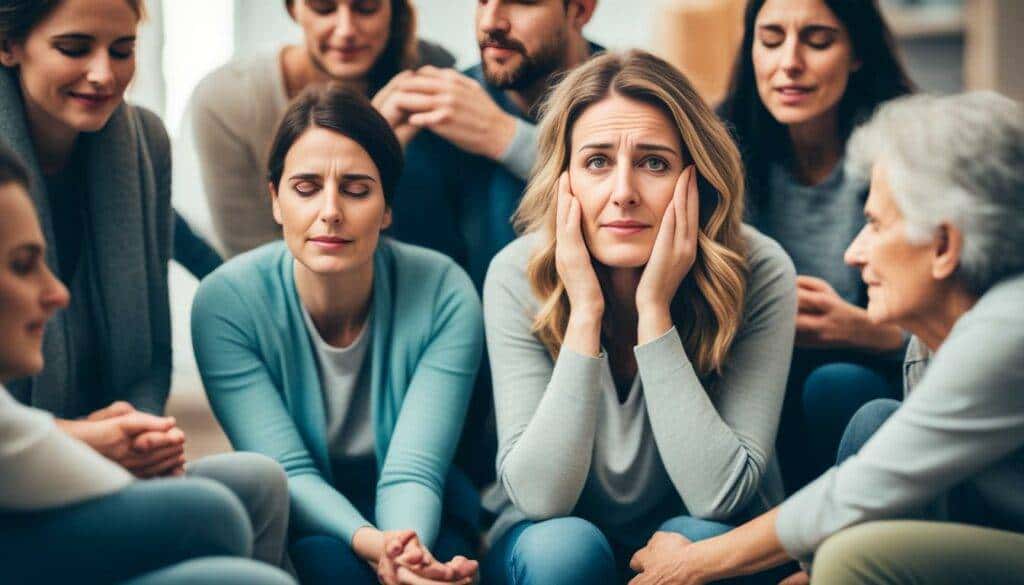
Preventing anxiety attacks starts with identifying bad patterns and habits in our routine. It's crucial to understand how our daily actions affect our mental health. Simple practices can help us live more calmly and reduce attacks.
Identifying harmful patterns and habits
Anxiety is linked to stress and bad habits. Observing our thought and behavior patterns, such as procrastination or being sedentary, is essential. Everyone should see how these habits affect their emotional health.
Self-care and stress management techniques
Self-care for anxiety is very effective. Regular physical exercise can decrease the chance of attacks by up to 60% 28. Breathing correctly also helps control attacks 28. Having a calm environment at home helps maintain peace.
Adding moments of relaxation, such as meditating or practicing mindfulness, can change our lives.
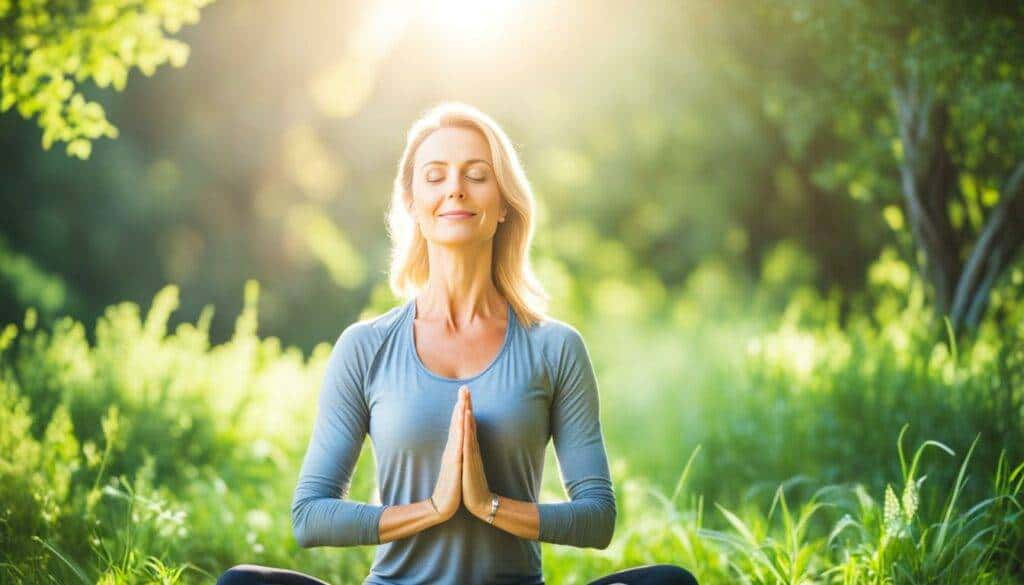
Being aware of our habits and taking care of ourselves allows us to create a safe environment. This helps to reduce the anxiety that plagues us. <sup>29</sup>
Conclusion
Dealing with anxiety attacks is challenging, but it can be transformative. Recognizing the signs and seeking professional help gives us clear directions. Physical activity, a balanced diet, and self-care improve our lives and prevent anxiety .
Anxiety disorders affect 9% to 15% of adults 31. Psychotherapy is crucial for understanding and managing emotions. Interventions should be personalized, considering each person and their history 32 .
Self-improvement practices, such as meditation and organization, help us face challenges. Let's work together to find strategies for a more balanced and healthy life. This way, we will have less anxiety and more well-being.
FAQ
What is an anxiety attack?
An anxiety attack is a moment of intense anxiety. It can bring symptoms such as tachycardia and tremors. This is different from anxiety disorders, which are conditions that last longer.
What are the symptoms of an anxiety attack?
Symptoms include rapid heartbeat and sweating. There may also be tremors, difficulty focusing, and intense fear. Recognizing these signs is important in order to seek help.
How can I identify my anxiety triggers?
To identify triggers, think about situations that make you feel anxious. This could be at work or related to personal problems. A feelings journal can help you see patterns and points of stress.
What strategies can be used to deal with an anxiety attack?
Controlled breathing techniques and distraction with activities you enjoy can help. Muscle relaxation is also a good option. These strategies can reduce symptoms and bring calm.
When is the right time to seek psychological help for anxiety?
Seeking help is important when anxiety significantly interferes with your life. This includes when it causes considerable discomfort or prevents you from doing normal things.
What types of treatment are available for anxiety?
Treatment may involve medication, therapy such as CBT, and techniques like yoga. These approaches help to reduce anxiety symptoms.
How can physical activity help control anxiety?
Physical activity releases endorphins, which improve mood. They also reduce stress and anxiety, improving mental health.
What should be avoided when supporting someone experiencing an anxiety attack?
Avoid saying the situation isn't serious or using optimistic phrases that could be misinterpreted. Better support involves listening and showing empathy, creating a safe environment.
How to prevent anxiety attacks?
Prevention involves identifying bad behavior patterns and using self-care techniques. This can include managing stress and practicing healthy habits, thus reducing flare-ups.
🌟 Have you considered seeking a therapist to support your well-being journey?
If this article sparked reflections about positive changes in your life, perhaps now is the ideal time to take the next step. Do you know hypnosis as a therapeutic tool? This approach can be surprisingly effective for various personal challenges.
Special offer: Book a free 20-minute consultation with therapist Fabio Morus and discover how therapy can transform your life.
✨ No commitment — Completely free — 20 minutes that can make a difference
👉 Click here to book your free consultation
Don't postpone your well-being any longer. The first step to change is just one click away.