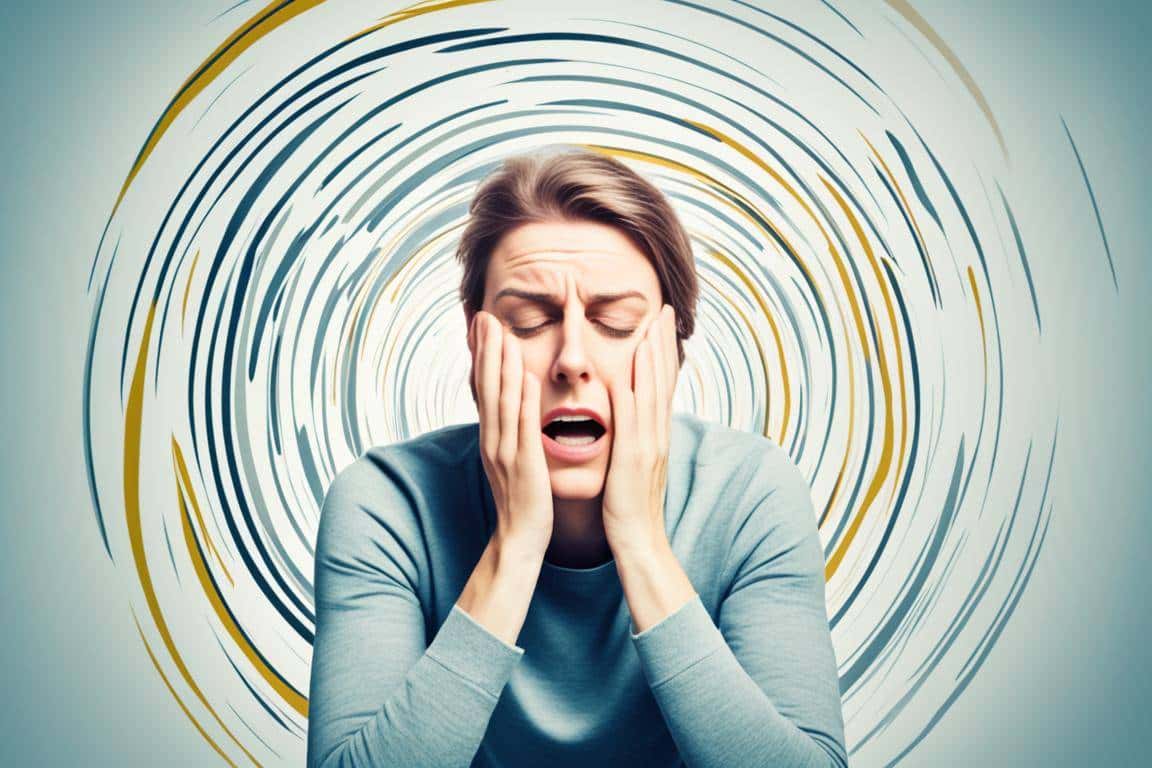
Have you ever felt dizzy or unbalanced? Anxiety could be the cause. This is more common nowadays, thanks to the pandemic. Experts see this as a secondary , impacting mental health .
Anxiety is natural when we face danger or uncertainty. But when it's excessive, it can harm our health .
This article will show you how to relieve dizziness caused by anxiety. We want to improve the lives of those who suffer from this. Let's learn how to control anxiety and find balance again.
Anxiety and Its Impacts
Anxiety is a natural bodily reaction, but it can be detrimental to mental and physical health. Symptoms such as dizziness are common in those with anxiety disorders , but anxiety is not always the primary cause. Chronic stress , anxiety , and increased emotional demands can worsen dizziness. This occurs in chronic conditions such as Persistent Paroxysmal Positional Vertigo (PPPV) and Ménière 's disease.
It is important to investigate dizziness and its relationship with anxiety . This helps to understand its causes and not ignore problems that affect quality of life . The investigation should be carried out by a specialist. The relationship between dizziness and anxiety is recognized, but each case requires an individual analysis for accurate diagnosis and treatment.
The Role of Professionals
4. Almost 90% of professionals recommend seeking a specialist in cases of anxiety with dizziness. 4. More than 70% of commenters say they do not dwell on stressful thoughts and seek professional help for anxiety . 4. About 60% of participants suggest seeing a doctor to rule out physical problems and a psychologist for anxiety . 4. Around 40% of professionals highlight therapy as an effective way to deal with anxiety and its physical symptoms . 4. Only about 10% mention the importance of considering other causes besides anxiety for symptoms such as dizziness, emphasizing the need for medical evaluation. 4 .
https://www.youtube.com/watch?v=Fj_2uwtOF-Y
"The relationship between dizziness and anxiety is complex and requires a comprehensive approach for accurate understanding and effective treatment." - Mental Health Specialist
Symptoms and Types of Anxiety
There are several anxiety disorders that affect mental and physical health . Some of the main types include Generalized Anxiety Disorder (GAD), Panic Disorder, Specific Phobias, Social Phobia, Obsessive-Compulsive Disorder (OCD), and Post-Traumatic Stress Disorder 5 .
Generalized Anxiety Disorder (GAD) is characterized by excessive worry about daily life. Panic Disorder involves episodes of intense fear and terror. Specific phobias are exaggerated fears of objects or situations. Social phobia is an intense fear of social interactions. Obsessive -compulsive disorder (OCD) involves obsessive thoughts that disrupt daily routines. PTSD occurs after traumatic events.
These types of anxiety disorders bring symptoms such as tachycardia, shortness of breath, and dizziness. They also cause excessive worry and constant fear. This affects mental health and quality of life . <sup>5</sup>

"Dizziness can be associated with anxiety, both causing the dizziness and being triggered by it." 5
The sensation of dizziness due to anxiety can be described as lightheadedness and nausea. People may feel as if they are spinning or swaying, even when standing still . Places like markets and shopping malls can trigger imbalance in those with anxiety .
Symptoms of anxiety and their relationship to dizziness are studied. Gradual exposure strategies may help control anxiety and its physical effects 5. Diagnosis and treatment of anxiety , with psychological counseling and therapy, are important for improving mental health 5 .
Anxiety Causes Dizziness
Dizziness is a common symptom in people with anxiety . Excessive anxiety can cause dizziness, vertigo , and imbalance. This greatly affects daily activities and quality of life .
Anxiety affects the nervous and vestibular systems, which are responsible for balance and movement . This can lead to dizziness upon standing, vasovagal syncope, and dizziness for no reason.
Impact of Anxiety on Dizziness
Anxiety and dizziness have a complex and reciprocal relationship. Anxiety can cause dizziness and imbalance, and these symptoms can increase anxiety. This forms a vicious cycle.
Stress, dehydration, and low blood sugar can also cause dizziness 7. In addition, high blood pressure can lead to dizziness, tinnitus, and other symptoms 7 .
If dizziness lasts for weeks, it could be a sign of a serious condition. In that case, it's important to seek medical help.

Understanding the relationship between anxiety and dizziness helps in finding ways to alleviate symptoms. Click here for more information on how to cope with anxiety .
Strategies to Relieve Dizziness Caused by Anxiety
Anxiety can cause dizziness, vertigo, and imbalance. This can affect daily life. But there are ways to alleviate these symptoms.
If you feel dizzy, it's good to lie down or sit up right away 8. Breathing deeply and keeping your eyes open also helps you feel better 8 .
Avoid drinking coffee, alcohol, and certain foods, as they can worsen dizziness . Exercising, such as walking for 30 to 40 minutes a day, can help improve dizziness .
If dizziness is frequent or accompanied by other symptoms, see a doctor 8. A specialist can perform tests and provide treatment 9 .
With these strategies, it's possible to reduce dizziness caused by anxiety. This brings peace of mind and a better quality of life.

Physical Exercise and Relaxation
Practicing exercises like walking, yoga, and tai chi helps improve dizziness caused by anxiety . These activities strengthen the vestibular system and improve balance. This reduces vertigo and imbalance . Relaxation techniques , such as meditation and deep breathing, are also effective in reducing anxiety and dizziness .
Studies show that physical exercise can reduce anxiety in adults 11. Exercise physiology helps to understand its effects on different body systems 11. Research indicates that exercise is an effective treatment for anxiety in adults 11 .
Benefits of Exercise and Relaxation
- Regular aerobic exercise can have anxiolytic and antidepressant effects 10 .
- Aerobic and anaerobic exercise have been tested for their effectiveness in reducing anxiety symptoms in adults 11 .
- Regular physical exercise can lead to positive adaptations in physical ability scores 11 .
- Relaxation techniques , such as meditation and deep breathing, can also be beneficial for calming the mind and body, reducing anxiety symptoms that can trigger dizziness 10 .
Including exercise and relaxation in daily routines can improve the lives of those who experience dizziness due to anxiety . Investing in mental health and strengthening the vestibular system helps alleviate dizziness.

| Benefit | Description |
|---|---|
| Anxiolytic and Antidepressant Effects | Regular aerobic exercise can help reduce symptoms of anxiety and depression 10 . |
| Improved Balance | Exercises such as yoga and tai chi help strengthen the vestibular system , reducing episodes of dizziness and vertigo 10 . |
| Positive Physiological Adaptations | Regular physical exercise can lead to improvements in physical fitness and the regulation of organ systems 11 . |
| Mental Relaxation | Relaxation techniques , such as meditation and deep breathing, help to calm the mind and body, reducing symptoms of anxiety 10 . |
"Regular physical exercise, combined with relaxation techniques, can be an effective approach to relieving dizziness caused by anxiety."
Lifestyle Adjustments
Simple lifestyle modifications can be key to managing dizziness and anxiety symptoms. A healthy diet , rich in essential nutrients like magnesium and vitamin B6, can help maintain neurological and vestibular system functions, improving balance . Furthermore, adequate hydration is vital, as dehydration can worsen dizziness symptoms.
Effective stressor management also plays an important role. Avoiding situations and environments that may exacerbate anxiety and, consequently, dizziness, can bring significant improvements in quality of life 13. These small lifestyle adjustments can make a big difference in managing the challenges faced.
Nutrition and Hydration
A balanced diet , with nutrient-rich foods, can help maintain neurological functions and the vestibular system, improving balance 12. In addition, adequate hydration is essential, as dehydration can worsen dizziness symptoms 12 .
Stress Management
Effective stressor management is fundamental to controlling anxiety and, consequently, dizziness. Avoiding situations and environments that may exacerbate anxiety can bring significant improvements in quality of life 13 .

"Simple lifestyle changes can make a big difference in managing symptoms of anxiety and dizziness."
In summary, adopting healthy habits, such as a balanced diet , adequate hydration , and stress management , can help alleviate dizziness and anxiety symptoms in daily life, significantly improving quality of life 12 13 .
Home Adaptations
Creating a safe and comfortable environment at home is crucial for those who experience dizziness due to anxiety . Small changes at home can greatly improve their lives.
Safety Precautions to Prevent Falls
Installing handrails in hallways and stairwells helps prevent falls 14. Keeping the home organized is also very important for safety.
Proper Lighting for Greater Visual Clarity
Having good lighting in areas like bathrooms and kitchens helps improve visibility and prevent accidents 14. This makes the environment safer and more comfortable for those who experience dizziness.
Home Organization to Facilitate Movement
Keeping your home organized and free of objects on the floor helps prevent trips and falls. This brings more safety and peace of mind to those who experience dizziness due to anxiety .
"Small changes in the home environment can make a big difference in the quality of life for those suffering from dizziness related to anxiety."
Adapting the home with handrails, good lighting , and organization helps those who experience dizziness due to anxiety.14 These simple changes prevent falls and improve the lives of these individuals.
Medical Treatments
If self-management techniques don't work, there are medical treatments for dizziness and anxiety 15. Anti-vertigo medications , such as antidepressants and benzodiazepines, can relieve vertigo and imbalance 16. Vestibular rehabilitation helps the body adapt to balance problems 17. Specific exercises strengthen muscles and improve coordination.
These treatments need to be prescribed by healthcare professionals, such as doctors and physiotherapists 15. The Regenerati Clinic has a team of neurologists, cardiologists and psychiatrists to treat different types of dizziness.
"Dizziness is a common problem in doctors' offices. It can be caused by several conditions, such as labyrinthitis and diabetes." 17
It is crucial that these treatments be prescribed by qualified professionals to ensure safety and effectiveness 15. The Regenerati Clinic offers online neurology care, making care more accessible 15 .
Seek Professional Help
Self-management strategies can help against anxiety and dizziness. But it is crucial to seek professional help when symptoms are frequent or severe . Approximately 264 million people worldwide have anxiety disorders , according to the WHO . Women are twice as likely to have anxiety as men .
Psychologists and psychiatrists can perform a complete evaluation. They diagnose the disorder and provide the most appropriate treatment . Follow-up may include therapy , medication , and personalized approaches. This helps not only to alleviate symptoms but also to improve long-term quality of life .
Symptoms of anxiety disorder include shortness of breath and palpitations. Agitation, insomnia, and migraines may also occur. Anxiety attacks can cause feelings of distress and nervousness .
Don't be afraid to seek specialized help to take care of your mental health . Dizziness affects up to 35% of the population at some point in their lives . It's important to know the difference between dizziness and vertigo for proper treatment.
Seeking help is the first step to improving your life. Don't be afraid to talk about your symptoms. Professionals are there to help and offer support.
Conclusion
Dealing with anxiety and dizziness requires changes in lifestyle and home environment. Seeking medical treatment may also be necessary. Approximately 30% of Brazilians suffer from chronic dizziness, with women being more affected due to hormonal factors .
Exercise, relaxation, a healthy diet , and stress management help alleviate dizziness . A safe and organized environment is also crucial to prevent accidents.
If these measures don't help, medical treatment may be necessary . Diagnosis of chronic dizziness requires medical attention to rule out serious causes. Fatty foods, fasting, sugar, caffeine, and stress can worsen dizziness .
A holistic approach and professional help can improve quality of life 22. In 2020, more than 76 million cases of anxiety were recorded, an increase of 28% 22. Proper treatment is crucial to prevent worsening and improve mental health 22 .
FAQ
What is anxiety and what are its main symptoms?
Anxiety is a reaction of our body to dangerous or uncertain situations. It can cause tachycardia, palpitations, shortness of breath, and tremors. In addition, it can lead to nausea, dizziness, and headaches.
Psychological symptoms include excessive worry and constant fear. Anxious people may have difficulty concentrating, become irritable, and prefer to be alone.
What are the main types of anxiety disorders?
The main types of anxiety are Generalized Anxiety Disorder (GAD), Panic Disorder, and Specific Phobias. They also include Social Phobia, Obsessive-Compulsive Disorder (OCD), and Post-Traumatic Stress Disorder (PTSD).
How can anxiety cause dizziness?
Excessive anxiety can cause dizziness and vertigo. This happens because anxiety affects the nervous system and the vestibular system. These systems are important for balance and movement control.
What strategies can help relieve dizziness caused by anxiety?
Physical exercises, such as walking, yoga, and tai chi, can improve balance. Relaxation techniques, such as meditation and deep breathing, also help to calm the mind and body.
How can lifestyle and home environment adjustments help manage anxiety-related dizziness?
A balanced diet and hydration are important for the vestibular system. Environmental adaptations, such as handrails and good lighting , can increase safety and comfort.
When are medical treatments necessary to control dizziness related to anxiety?
If self-management strategies are ineffective, anti-vertigo medication may be necessary. Vestibular rehabilitation can also help stabilize symptoms.
Why is it important to seek professional help to deal with anxiety and its symptoms?
Seeking professional help is crucial when anxiety interferes with daily life. Psychologists and psychiatrists can diagnose and treat anxiety disorders. They aim to improve long-term quality of life.
🌟 Have you considered seeking a therapist to support your well-being journey?
If this article sparked reflections about positive changes in your life, perhaps now is the ideal time to take the next step. Do you know hypnosis as a therapeutic tool? This approach can be surprisingly effective for various personal challenges.
Special offer: Book a free 20-minute consultation with therapist Fabio Morus and discover how therapy can transform your life.
✨ No commitment — Completely free — 20 minutes that can make a difference
👉 Click here to book your free consultation
Don't postpone your well-being any longer. The first step to change is just one click away.