

Anxiety and breathing are closely linked. This creates a difficult cycle for many people in Brazil. Shortness of breath due to anxiety makes the world seem smaller, bringing fear and discomfort.
Shortness of breath and anxiety seem to form an emotional barrier that is difficult to break through.
Imagine being able to control your anxiety, breathe deeply, and find peace. Hypnosis and hypnotherapy are powerful tools to change that. They offer hope and strategies for those who suffer from these problems.
In this article, you will learn how these techniques can help. They can connect body and mind, bringing emotional well-being.
What is anxiety and how does it affect breathing?
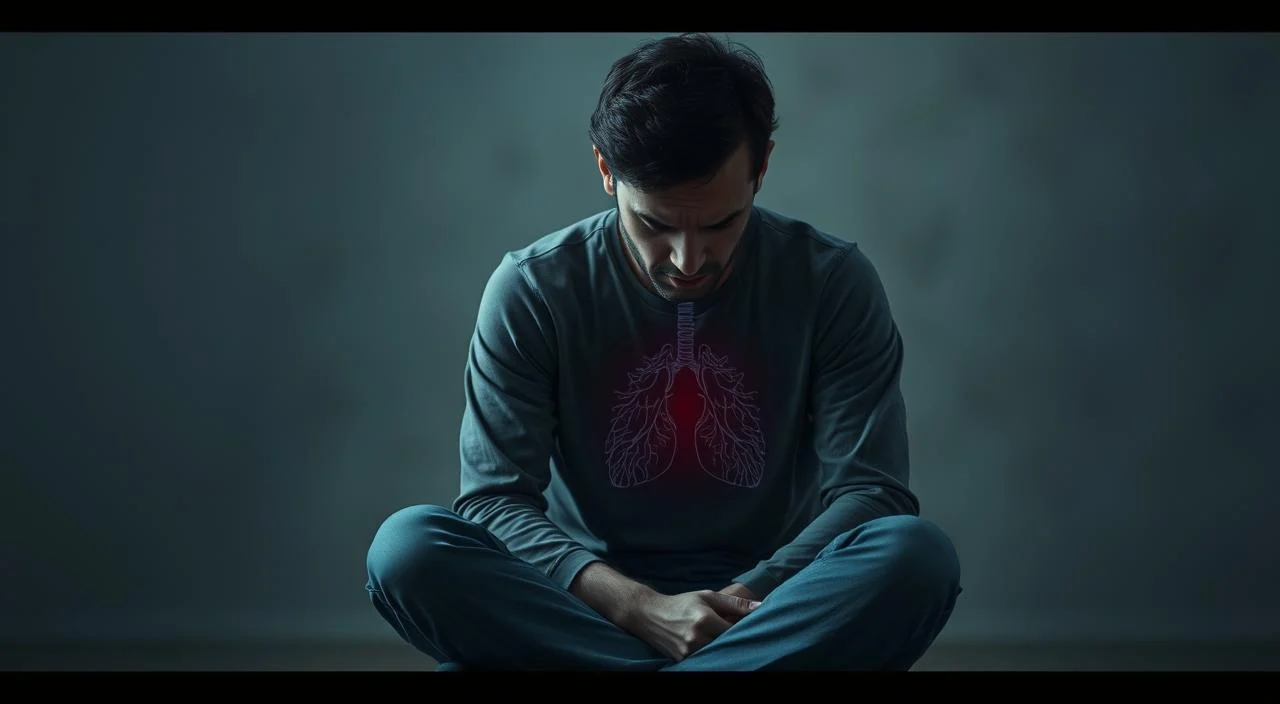
Anxiety is a complex emotional state. It can greatly alter our physical and mental experience. It arises when the body reacts to stressful or threatening situations.
Definition of anxiety
Anxiety is a state of emotional tension. It is characterized by worry, fear, and apprehension. It can stem from work pressures, personal challenges, or trauma.
Symptoms related to breathing
The respiratory symptoms of anxiety are uncomfortable. They include rapid and shallow breathing, shortness of breath, chest tightness, and hyperventilation.
These breathing techniques for anxiety can cause physical discomfort. This fuels a cycle of stress and tension.
Physical and emotional impacts
Anxiety affects not only breathing but also the body. Activation of the sympathetic nervous system can increase heart rate and sweating. It can also cause tremors.
Understanding these mechanisms helps manage anxiety. This allows people to regain balance and tranquility.
The relationship between breathing and emotional state.

Our breathing reveals a lot about our emotional state. It connects our body and mind, showing our balance.
Practicing deep breathing greatly helps with emotional control . It helps us connect with our bodies and calm our minds.
How breathing influences our emotions
Breathing directly affects our nervous system. Shallow breathing makes our body alert and anxious. On the other hand, breathing slowly and deeply:
- It lowers cortisol.
- Reduces heart rate.
- Relax your muscles.
Effects of shallow breathing
Shallow breathing keeps our bodies constantly stressed. This can cause:
- Muscle tension
- High anxiety
- Difficulty focusing
Breathing techniques for anxiety control
There are simple techniques for controlling anxiety:
| Technique | Benefits |
|---|---|
| Diaphragmatic breathing | Reduces stress and relaxes. |
| 4-7-8 Technique | Calms the nervous system quickly. |
| Square breathing | Balances emotions and improves focus. |
Regularly practicing deep breathing exercises is life-changing. They greatly help with emotional control , making daily life easier.
Hypnosis: concept and applications
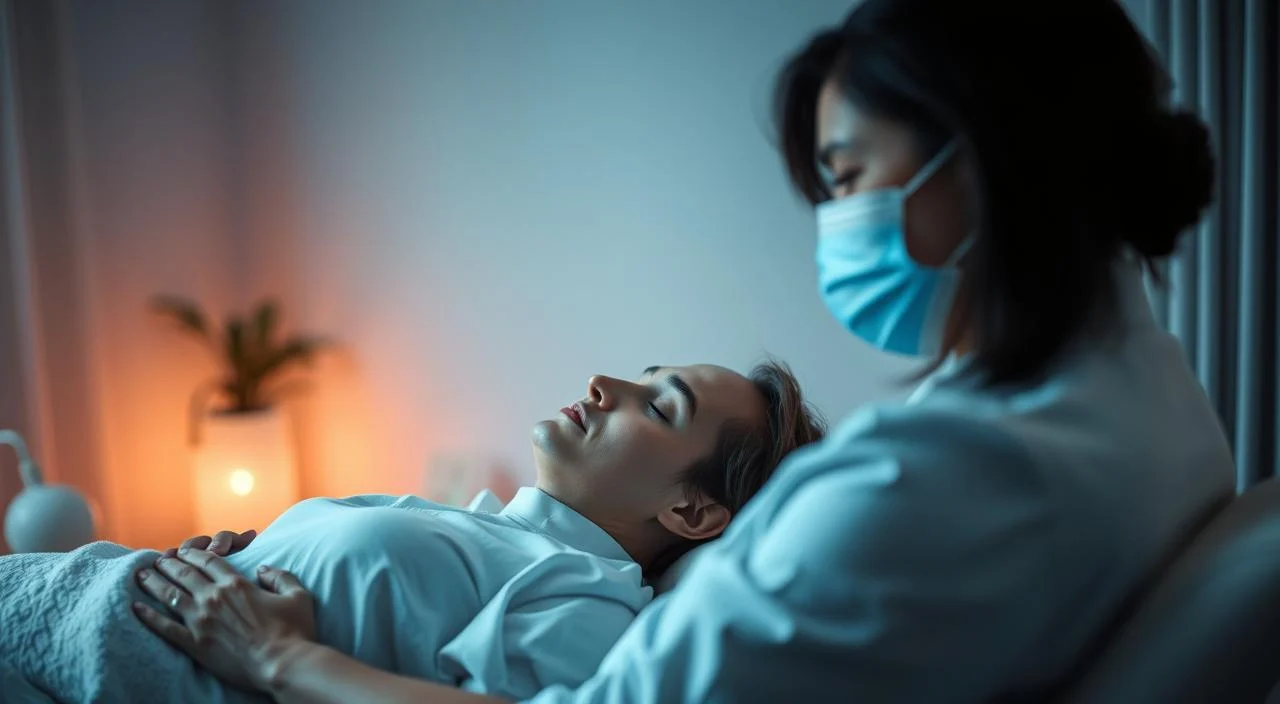
Clinical hypnosis is a therapeutic technique that explores the human mind. It has been developed through decades of research. This approach helps to understand and treat emotional challenges.
History of hypnosis
Hypnosis has its roots in ancient healing practices. It has evolved significantly since the 18th century. It began with skepticism, but gained scientific credibility through rigorous studies.
- 18th Century: First observations on altered states of consciousness
- 19th Century: Development of formal hypnosis techniques
- 20th Century: Scientific Validation and Therapeutic Applications
How is hypnosis used in therapy?
Hypnosis induces deep relaxation. This makes the mind more receptive to positive suggestions. Professionals use techniques to access the subconscious and change behaviors.
Benefits of hypnosis in the treatment of anxiety.
Hypnosis is very helpful for people with anxiety. It reprograms negative thoughts. This reduces symptoms, decreases amygdala activity, and helps people cope with emotions.
- Reducing anxiety symptoms
- Improved emotional regulation
- Increased psychological resilience
Hypnotherapy for anxiety is not a magic solution. It is a powerful therapeutic tool. When used correctly, it can significantly change the emotional lives of patients.
Hypnotherapy: what it is and how it works

Hypnotherapy is a therapy that combines hypnosis and psychology. It helps to change the subconscious to treat anxiety.
Hypnotherapy is not just hypnosis. It also uses cognitive-behavioral therapy . This makes the therapy more complete. It helps to change ingrained mental patterns.
Differences between hypnosis and hypnotherapy
In integrative psychotherapy , hypnotherapy is unique:
- They focus on consciously changing mental patterns.
- They use techniques that work on the subconscious.
- They are personalized for each person.
Common therapeutic approaches
The techniques of hypnotherapy are:
- Guided visualization
- Cognitive restructuring
- Desensitization of traumatic memories
- Reprogramming limiting beliefs
Expected results of hypnotherapy
The benefits of hypnotherapy are numerous. They include:
Reduction of anxiety symptoms , improved self-esteem, and strategies for coping with emotions.
Breathing techniques to control anxiety
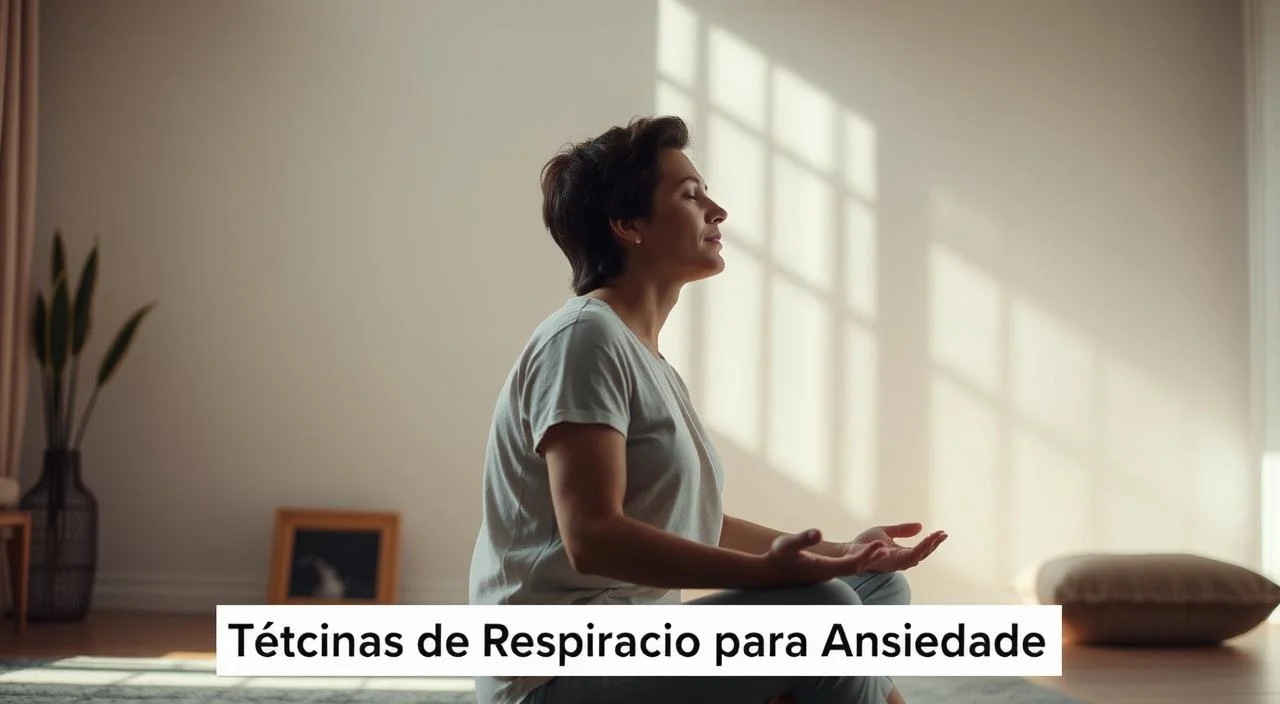
Dealing with anxiety can be difficult. But there are breathing techniques that help calm the mind. They also reduce stress. Practicing deep breathing exercises is a powerful strategy.
Let's look at three effective techniques to change your relationship with anxiety:
Diaphragmatic Breathing
Diaphragmatic breathing is essential for dealing with anxiety. This method involves:
- Breathe deeply through your nose.
- Expand the abdomen completely.
- Release the air slowly through your mouth.
4-7-8 Technique
Dr. Andrew Weil created the 4-7-8 technique. It's a deep breathing exercise to calm the nervous system.
- Inhale for 4 seconds.
- Hold your breath for 7 seconds.
- Exhale completely for 8 seconds
Conscious Breathing Exercises
Conscious breathing combines mindfulness with breathing techniques. Pay attention to each inhale and exhale . Observe how the air enters and leaves your body. This practice helps you stay in the present moment, reducing anxiety.
Practice these breathing techniques for anxiety frequently. This will help you gain more emotional control and resilience in the face of stress.
How to integrate hypnosis and breathwork into therapy.
Hypnosis with breathing is a powerful way to treat anxiety. It helps control emotions, allowing people to feel calmer and more balanced.
The importance of breathing in hypnosis.
Breathing is essential in hypnosis. It helps to:
- Reduce the activity of the sympathetic nervous system.
- Reduce stress levels
- Preparing the mind for a state of greater receptivity.
Combined methods
There are several techniques that combine hypnosis and breathing. They improve emotional control .
- Diaphragmatic breathing during hypnotic induction
- Anchoring states of calm through breathing patterns.
- Guided visualization synchronized with conscious breathing.
Success stories
Studies from Harvard Medical School show that hypnosis decreases activity in the amygdala. This is the part of the brain that controls fear. Patients who use hypnosis and breathing techniques experience significant improvement in their anxiety.
These techniques are natural and effective. They help those seeking to control their emotions. They are a powerful tool in the treatment of anxiety.
Advantages of hypnosis for anxiety control
Clinical hypnosis is a powerful way to change your life. It helps people relax deeply and change how they feel and act.
Reducing Anxiety Symptoms
During hypnosis, anxiety symptoms are greatly reduced. The benefits include:
- Reducing muscle tension
- Reduction of palpitations
- Minimizing recurring negative thoughts
- Stabilization of the nervous system
Improvement in Quality of Life
Hypnosis greatly improves people's lives. They feel better in:
- Sleep patterns
- Interpersonal relationships
- Professional productivity
- General well-being
Increased Self-Confidence
Clinical hypnosis helps to change the subconscious. It strengthens self-esteem. This makes people feel more confident and resilient.
Debunking myths about hypnosis
Clinical hypnosis is a very intriguing field, surrounded by misconceptions. Many people have misconceptions about it, which can prevent them from exploring the benefits of hypnotherapy for anxiety .
Is Hypnosis Safe?
Clinical hypnosis is safe when performed by qualified professionals. Some important facts about its safety include:
- You retain full control during the session.
- You cannot be forced to do something against your will.
- The hypnotherapist acts only as a guide.
Common Myths about Hypnosis
There are many myths about hypnotherapy for anxiety . Let's clarify some of the most frequent ones:
- Myth: I completely lose consciousness.
Reality: You remain conscious and can interrupt the session at any time.
- Myth: Only weak people can be hypnotized.
Reality: The ability to enter a hypnotic state is not related to willpower.

The Role of the Hypnotherapist in Practice
A hypnotherapist doesn't control your mind. They help with self-discovery and transformation. Their role is to create a safe environment to explore your inner resources.
Clinical hypnosis is a powerful tool. It respects your autonomy. It allows you to access your inner potential for healing and well-being.
Seeking qualified professionals
Finding the right professional for hypnotherapy is essential. It greatly helps in the treatment of anxiety. The right choice can change everything in the therapy process.
How to Choose a Competent Hypnotherapist
To choose a hypnotherapist, consider these important points:
- Academic background in psychology or related fields.
- Specific certifications in hypnotherapy
- Proven experience in treating anxiety.
- Registration with recognized professional associations
Important Certifications and Qualifications
A hypnotherapist's credibility comes from their training. Check it out:
- Bachelor's degree in mental health
- Hypnotherapy certifications for anxiety
- Specialized training in cognitive-behavioral therapy
- Participation in conferences and professional development programs.
The Importance of Professional Experience
An experienced professional offers advantages. They can provide more personalized and effective treatments. Look for a therapist with a proven track record of success in treating anxiety.
Connection and trust with the therapist are crucial. Don't be afraid to ask questions and seek references before starting treatment.
Testimonials from people who have used hypnosis.
Hypnotherapy for anxiety has changed the lives of many people. They seek greater emotional control. Real stories demonstrate the power of this technique in overcoming emotional challenges.
Stories of Overcoming Anxiety
Isabela Silvestre de Freitas is a robotics teacher in Santana do Parnaíba. She was skeptical about hypnosis, but found it to be a powerful tool. It helped her manage her anxiety during a difficult pregnancy.
- It significantly reduced anxiety symptoms.
- She learned effective emotional control techniques.
- Developed greater self-awareness.
Transformative Experiences
Reports show that hypnotherapy for anxiety does more than treat symptoms. Many patients experience profound changes. This includes:
- Improvement in personal relationships
- Increased professional productivity
- Regaining self-confidence
The Professionals' Perspective
Hypnotherapists say that emotional control is essential. Each session is tailored to each individual. This allows for a comprehensive approach to dealing with anxiety.
Care and precautions when seeking treatment
When considering clinical hypnosis for anxiety, it's essential to know the necessary precautions. This ensures a safe and effective treatment.
Limitations and contraindications of hypnosis

Hypnosis is not for everyone. There are situations where it should not be used:
- People with severe psychiatric disorders
- Individuals with a history of psychosis
- Patients with uncontrolled epilepsy
- People with active substance abuse
Complementary approaches
Clinical hypnosis is most effective when combined with other therapies. Some approaches include:
- Cognitive-behavioral therapy
- Meditation
- Breathing techniques
- Mindfulness practice
When to see a doctor
It's important to speak with a doctor before starting hypnosis. This is especially true if you:
- It presents symptoms of severe anxiety.
- Does he/she have pre-existing medical conditions?
- Are you taking psychotropic medications?
- Has a history of psychological trauma.
Choosing a qualified clinical hypnosis professional is crucial. Always look for a certified therapist with proven experience.
The future of hypnosis and breathwork in the treatment of anxiety.
Hypnotherapy for anxiety is changing rapidly. New technologies and methods are being tested. This helps to treat chronic stress in a better way.
Mindfulness apps and digital platforms are making the techniques more accessible. They help people better manage their emotions. This includes managing panic attacks more effectively.
Research centers, such as the Neuroscience Institute at the Federal University of São Paulo, are studying hypnosis. They want to understand how it works in the brain. This could lead to new non-invasive treatments for psychological disorders.
Virtual reality and artificial intelligence are changing hypnotherapy. They create immersive experiences tailored to each patient. These technologies can make treatment more effective and accessible.
🌟 Have you considered seeking a therapist to support your well-being journey?
If this article sparked reflections about positive changes in your life, perhaps now is the ideal time to take the next step. Do you know hypnosis as a therapeutic tool? This approach can be surprisingly effective for various personal challenges.
Special offer: Book a free 20-minute consultation with therapist Fabio Morus and discover how therapy can transform your life.
✨ No commitment — Completely free — 20 minutes that can make a difference
👉 Click here to book your free consultation
Don't postpone your well-being any longer. The first step to change is just one click away.