

Have you ever felt intense fear when approaching water? Hydrophobia, or extreme fear of water , is more complex than it seems. Many people suffer in silence, unaware that they are facing a significant psychological challenge.
Being hydrophobic isn't just about disliking swimming. It's a very deep fear that can severely limit your life experiences. In this article, we'll show you the 7 main signs of hydrophobia. We'll also give you practical tips to overcome this fear.
Hydrophobia can manifest in various ways. It can range from mild discomfort to outright panic around water. Recognizing these signs is the first step in seeking help and feeling free again.
Prepare yourself for a journey of self-discovery. Let's see how this condition affects your life and how to overcome it.
Understanding Hydrophobia: Causes and Definitions
Hydrophobia is not just a fear of water. It's a disorder that greatly affects people's lives. They have a very strong and irrational fear of water.
Characteristics of a Hydrophobic Person
Those with hydrophobic behavior react in a specific way to water. They may have:
- Extreme anxiety in aquatic environments
- Panic at the thought of water.
- Avoid situations involving water.
- Physical reactions such as tremors and sweating.
Differences Between Common Fear and Phobia of Water
Hydrophobia is more profound than ordinary fear. It involves complex psychological mechanisms. While ordinary fear is fleeting, a phobia is a state of constant terror.
| Common Fear | Hydrophobia |
|---|---|
| Momentary response | prolonged state of anxiety |
| Controllable | It interferes with the routine. |
| Present rationality | Irrational reactions |
Psychological Factors Involved
Psychological factors in hydrophobia include previous traumatic experiences . Accidents or near-drowning situations can be causes. Childhood trauma is also common.
Impact of Hydrophobia on Everyday Life
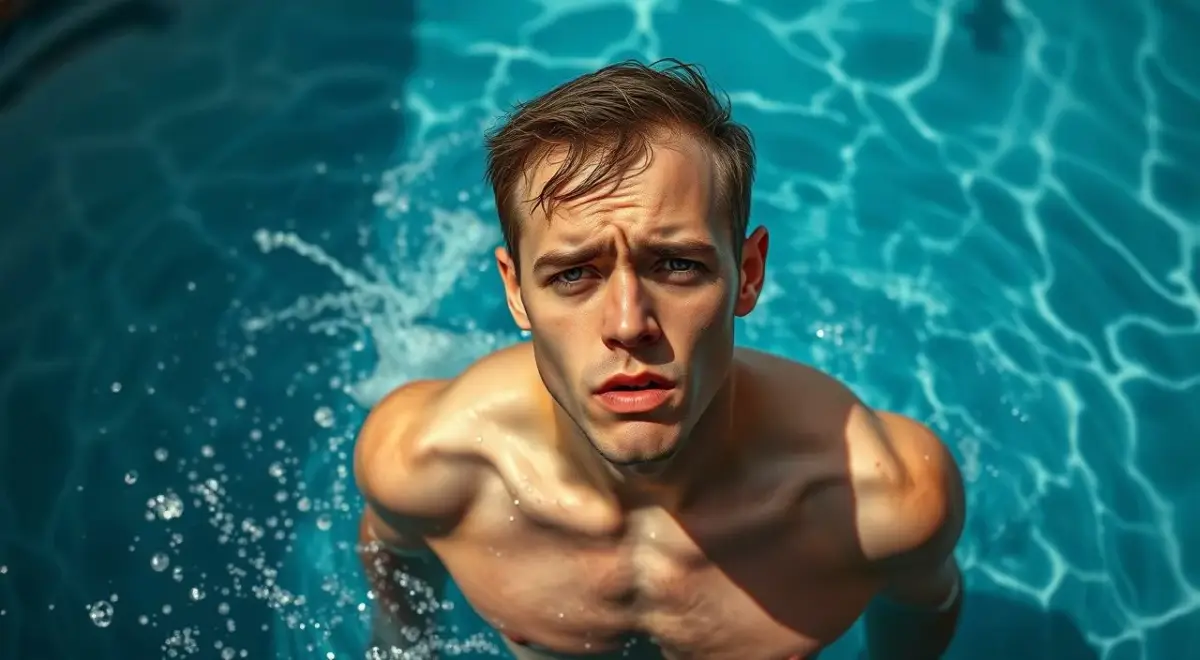
Hydrophobia is a major challenge for those who suffer from it. It greatly affects personal and social life, creating barriers in daily activities.
The symptoms of hydrophobia vary widely. They can significantly affect quality of life. Some common situations include:
- Avoid swimming or doing water activities.
- Difficulty with personal hygiene involving water.
- Extreme anxiety when seeing or touching water.
- Limitations on travel or excursions near aquatic environments.
Fear of water can limit many personal and professional experiences . It prevents a person from engaging in normal activities and interacting with others in aquatic environments.
| Affected Area | Impact |
|---|---|
| Leisure | Inability to participate in water sports |
| Work | Restrictions on jobs that require proximity to water. |
| Health | Difficulties with hygiene and medical procedures |
| Social | Limitations on group activities and travel. |
These limitations can cause frustration and isolation. But it's crucial to remember that there are effective ways to cope with these symptoms. And it's possible to overcome this fear gradually.
Physical Manifestations in Hydrophobic Individuals
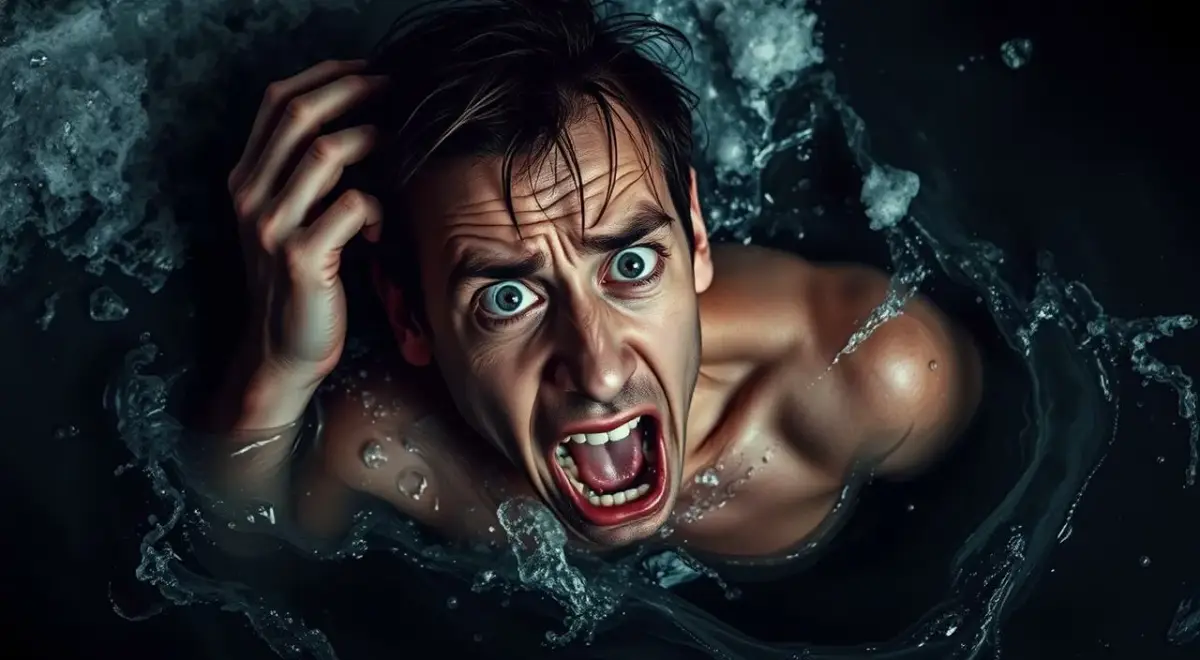
Hydrophobia is not just discomfort with water. It can cause strong and complex symptoms. It greatly affects both the body and mind of the person.
Bodily Reactions to Contact with Water
When someone with hydrophobia sees water, their body reacts in several ways:
- Increased heart rate
- Excessive sweating
- Tremors in the hands and body
- Gasping and shallow breathing
Related Anxiety Symptoms
Hydrophobia brings more than just physical reactions. It also causes great anxiety:
- Irrational panic in the face of water.
- Feeling of loss of control
- Catastrophic thoughts about accidents
Common Physiological Responses
The body's responses vary, but generally include:
| Physiological Response | Description |
|---|---|
| Hyperactivation of the nervous system | Release of adrenaline and cortisol |
| Escape reflex | Immediate impulse to move away from the water. |
| Muscle block | Body rigidity as a defense mechanism |
Understanding these symptoms helps in seeking professional help. It also helps in finding ways to cope with them.
How the Brain Processes Fear of Water

Fear of water is a complex phenomenon. It involves several processes in the brain. Our minds create mechanisms to protect us, making water a trigger for anxiety in those who are afraid of it.
Scientists have discovered three important brain processes involved in the fear of water:
- Activation of the amygdala , which processes fear emotions.
- Response of the sympathetic nervous system
- Traumatic memories stored in the hippocampus
The reaction to the fear of water happens quickly. It triggers an involuntary survival response. The brain sees water as a threat, causing symptoms such as:
- Heart rate acceleration
- Intense sweating
- Tremors
- Gasping for breath
To understand better, consider the main neural mechanisms:
| Brain Region | Function in the Fear of Water |
|---|---|
| Amygdala | It processes the emotion of fear and activates an emergency response. |
| Prefrontal Cortex | Try to rationalize and control the fear reaction. |
| Hippocampus | It stores memories associated with traumatic experiences. |
Neuroscience shows that fear of water is not a choice. It's a deeply ingrained brain response aimed at protection.
Typical Behaviors of Hydrophobic Animals

Hydrophobic behavior indicates a very strong fear of water. People with this condition greatly avoid contact with liquids. They use strategies to avoid water.
Avoidance Patterns
People with hydrophobic behavior seek to stay away from water. They do various things to avoid water, such as:
- Refusing invitations to beaches, swimming pools, or water activities.
- Choose routes that avoid passing near rivers or lakes.
- Changing the subject when the topic involves water.
- Feeling extreme anxiety when seeing large bodies of water.
Escape Strategies
When water appears, people with hydrophobic behavior want to flee quickly. They do various things to escape, such as:
- Making excuses to avoid participating in activities.
- Discreetly leaving areas with water.
- Create psychological protective barriers.
- Showing visible signs of panic
Compensatory Behaviors
To feel safer, they develop behaviors. This helps to control fear, such as:
- Plan routes meticulously to avoid water.
- Excessive research into locations without risks of water contact
- Wear clothing that minimizes potential contact.
- Create mental safety rituals.
Understanding these patterns helps in seeking professional help. This makes it possible to overcome the fear of water.
Professional Diagnosis and Assessment
Discovering hydrophobia is an important step. Experts use methods to understand the symptoms of each individual.
To evaluate, they look at:
- The patient's emotional history
- What situations involving water cause fear?
- How strong is fear?
- How the body reacts to fear.
To make a diagnosis, professionals use various techniques. For example:
- Interviews to understand fear.
- Psychological tests to measure fear
- Observe how the patient behaves.
- See how the patient reacts emotionally.
This assessment seeks to understand the fear, not just the symptoms.
| Evaluation Method | Main Objective |
|---|---|
| Clinical Interview | Mapping the origins of fear |
| Psychological Test | Measuring the intensity of the phobia |
| Behavioral Observation | Identify reaction patterns |
An accurate diagnosis helps create a treatment plan. This gives a chance to overcome the fear safely.
Treatments and Therapies Available
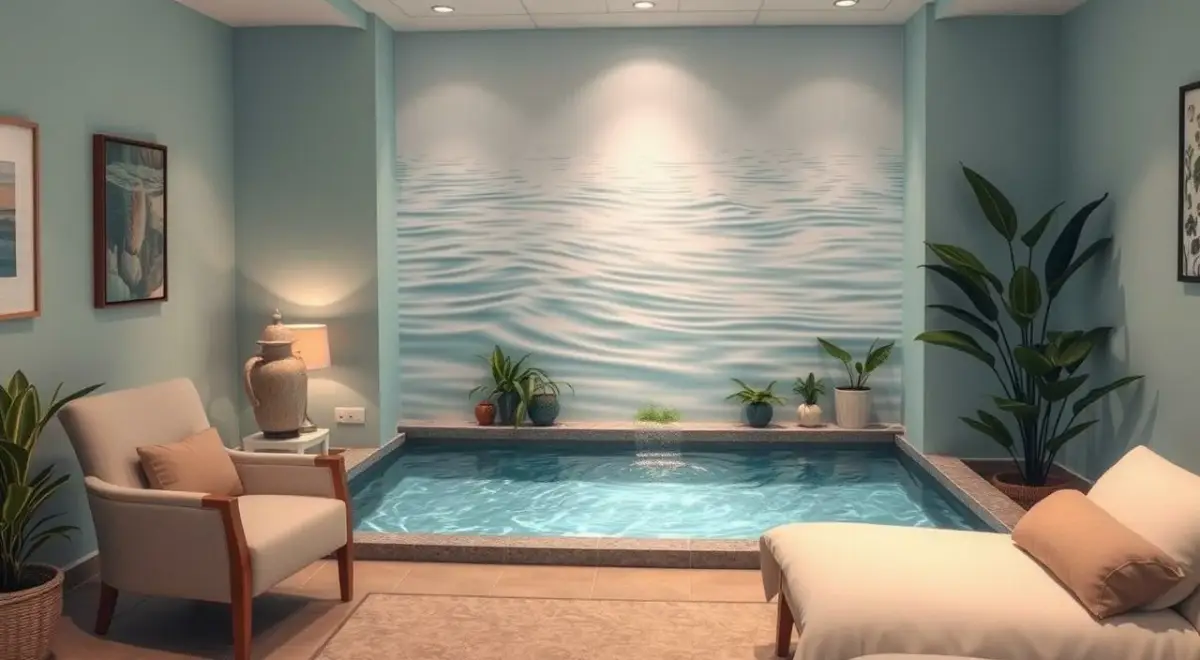
There are several ways to help those who are afraid of water. Each method has its own way of confronting the fear of water. This brings hope and the chance to recover.
Treatments for hydrophobia utilize various therapeutic techniques. These techniques are tailored to each individual.
Hypnotherapy to Overcome Fears
Hypnotherapy is a new way to treat the fear of water. It works with the subconscious. This helps to change ingrained fears.
- It allows access to memories and traumas related to water.
- Develop new positive mental associations.
- Reduces anxiety gradually and safely.
Cognitive-Behavioral Therapy
Cognitive behavioral therapy is commonly used to treat fear of water. It helps to change negative thoughts and behaviors.
Gradual Exposure Techniques
This technique uses gradual exposure to water. This helps build confidence and reduce fear.
| Treatment | Benefits | Average Duration |
|---|---|---|
| Hypnotherapy | Subconscious reprogramming | 3-6 months |
| Cognitive-Behavioral Therapy | Modification of mental patterns | 4-8 months |
| Gradual Exposure | Building trust | 6-12 months |
The choice of treatment depends on many factors. It's important to make this decision with a mental health professional.
Self-Help and Management Techniques
Managing hydrophobia requires practical strategies. These help to reduce anxiety and confront fear. The use of hypnosis is a powerful tool for dealing with specific fears.
Several techniques can help with emotional control and reducing symptoms of fear of water:
- Deep breathing exercises
- Mindfulness practices
- Positive visualization techniques
- Targeted self-hypnosis
Self-hypnosis is very effective in controlling phobias. It allows you to change your mental response to the stimulus that causes fear.
| Technique | Benefit | Practice Time |
|---|---|---|
| Controlled Breathing | Reducing Anxiety | 5-10 minutes daily |
| Positive Visualization | Reinterpreting Fear | 10-15 minutes daily |
| Self-Hypnosis | Mental Reprogramming | 15-20 minutes daily |
Each person has their own journey of overcoming challenges. Controlling phobias with hypnosis is not a quick process. It's a gradual process of personal transformation.
Overcoming Fear Step by Step
Overcoming hydrophobia takes time, courage, and specific strategies. Anyone can conquer their fear of water with hypnosis. This helps to gain freedom.
Breathing Exercises
Breathing exercises are very helpful against the anxiety associated with hydrophobia. Practicing breathing can calm the nervous system, thus reducing panic.
- Deep diaphragmatic breathing
- Square breathing technique
- Controlled breathing with counting
Relaxation Practices
Muscle relaxation helps to reduce the tension associated with fear of water. Hypnosis enhances these techniques. It creates a calmer mental state.
Systematic Desensitization
This technique uses gradual exposure to water. It helps build confidence and reduce fear.
- Visualization of aquatic environments
- Gradual approach to surfaces with water
- Controlled contact in safe environments
Try Hypnotherapy
Hypnotherapy is a new way to treat hydrophobia. This technique reprograms responses to the fear of water . It helps to develop a better relationship with water.
Using these strategies, it is possible to overcome fear. Thus, hydrophobia becomes an opportunity for personal growth.
How to deal with hydrophobia?
Dealing with hydrophobia requires care and strategy. Hypnosis can be a powerful tool. Each person has a unique fear, so a personalized approach is needed.
Some practical strategies include:
- Practice hypnosis techniques for fear of water with a specialized therapist.
- Develop breathing techniques to control anxiety.
- Gradually exposing oneself to environments with water.
- Seek support from mental health professionals.
Hypnosis helps to change responses to fear. It creates new thought patterns. During the sessions, the therapist helps to understand the fear and find ways to confront it.
Some important tips include:
- Start with short sessions of water exposure.
- Practice relaxation exercises.
- Use positive visualizations
- Keep a progress journal.
Overcoming hydrophobia is a gradual process. Every small step is important. They can bring about big changes in your relationship with water.
Prevention of Crises and Risk Situations
Managing hydrophobia requires specific strategies. Controlling phobias with hypnosis is very helpful. It teaches the person how to protect themselves and calm down.
To avoid risky situations, it is essential to:
- Identify what triggers anxiety related to water.
- Practice deep breathing
- Having your own action plan
- Using hypnosis to control phobias
A prepared mind is essential. Hypnotherapy can change how we react to trauma . It creates new ways of experiencing emotions with water.
It's vital to have a gradual exposure plan. Respecting each person's limits is crucial. Seeking professional help is also important. The goal is to learn to cope with fear, not eliminate it.
Conclusion
Overcoming hydrophobia isn't something you can do alone. Hypnotherapy is very helpful on this path. It offers a personalized way to deal with the fear.
Being hydrophobic doesn't define who you are. Everyone can overcome their fears. Seeking help is the first step towards change.
Hypnotherapy is an effective strategy against the fear of water. It helps to alleviate anxiety.
Overcoming hydrophobia takes time, but it is possible. You need patience and support. Recognizing that it can be treated opens doors to new experiences.
The road to recovery is full of hope. You have the potential to achieve great things.
Source Links
| Title | URL |
|---|---|
| Hydrophobia - Fear of Water - InfoEscola | https://www.infoescola.com/psicologia/hidrofobia/ |
| Discover how to overcome your fear of water and conquer aquaphobia! | https://antesdemorrer.com.br/descubra-como-superar-o-medo-da-agua-e-vencer-a-aquafobia/ |
| Phobia of Water (Aquaphobia): causes, symptoms, treatments | https://www.psicanaliseclinica.com/fobia-de-agua/ |
| Hydrophobia: fear of water - Inpa Online | https://inpaonline.com.br/hidrofobia/ |
| Hydrophobia - Brazil School - UOL | https://brasilescola.uol.com.br/psicologia/hidrofobia.htm |
🌟 Have you considered seeking a therapist to support your well-being journey?
If this article sparked reflections about positive changes in your life, perhaps now is the ideal time to take the next step. Do you know hypnosis as a therapeutic tool? This approach can be surprisingly effective for various personal challenges.
Special offer: Book a free 20-minute consultation with therapist Fabio Morus and discover how therapy can transform your life.
✨ No commitment — Completely free — 20 minutes that can make a difference
👉 Click here to book your free consultation
Don't postpone your well-being any longer. The first step to change is just one click away.