

Emotional health is essential for feeling good. It directly impacts professional performance, personal life, and even physical health. Understanding how to manage emotional health in daily life is the first step towards better coping with stress, anxiety, and depression—factors that can seriously affect productivity and well-being.
Implementing simple practices such as self-care, physical activity, mindfulness, and setting healthy boundaries can transform how you deal with your emotions.
Key Points
- Emotional health is crucial for performance and quality of life.
- Lack of organization at work is one of the main sources of stress.
- Healthy interpersonal relationships are fundamental to well-being.
- Regular exercise and a healthy diet can have a positive impact on emotional health.
- Seeking professional help can be an important step in promoting mental health .
What is Emotional Health?

Emotional health is very important for our well-being. It helps to balance emotions. This improves relationships and the decisions we make.
Hypnotherapy for emotional health helps maintain emotional balance .
Definition of Emotional Health
Emotional health is about knowing how to deal with emotions in a healthy way. This allows us to live in harmony with our abilities and goals. Managing stress and anxiety is part of that.
Developing relaxation techniques helps to maintain calm.
The Importance of Emotional Health
Emotional health is essential for our well-being. It affects not only us, but also the people around us. Positive or negative relationships depend on it.
Emotional self-care is crucial for maintaining balance. This allows one to face life's challenges in a healthy way.
Some Signs of Unbalanced Emotional Health
Some signs of emotional imbalance include irritability and anxiety. Depression and difficulty concentrating are also signs. If these symptoms persist, it's time to seek help.
Hypnotherapy for emotional health and relaxation techniques can be very helpful. They improve quality of life.
Strategy 1: Mindfulness Practice
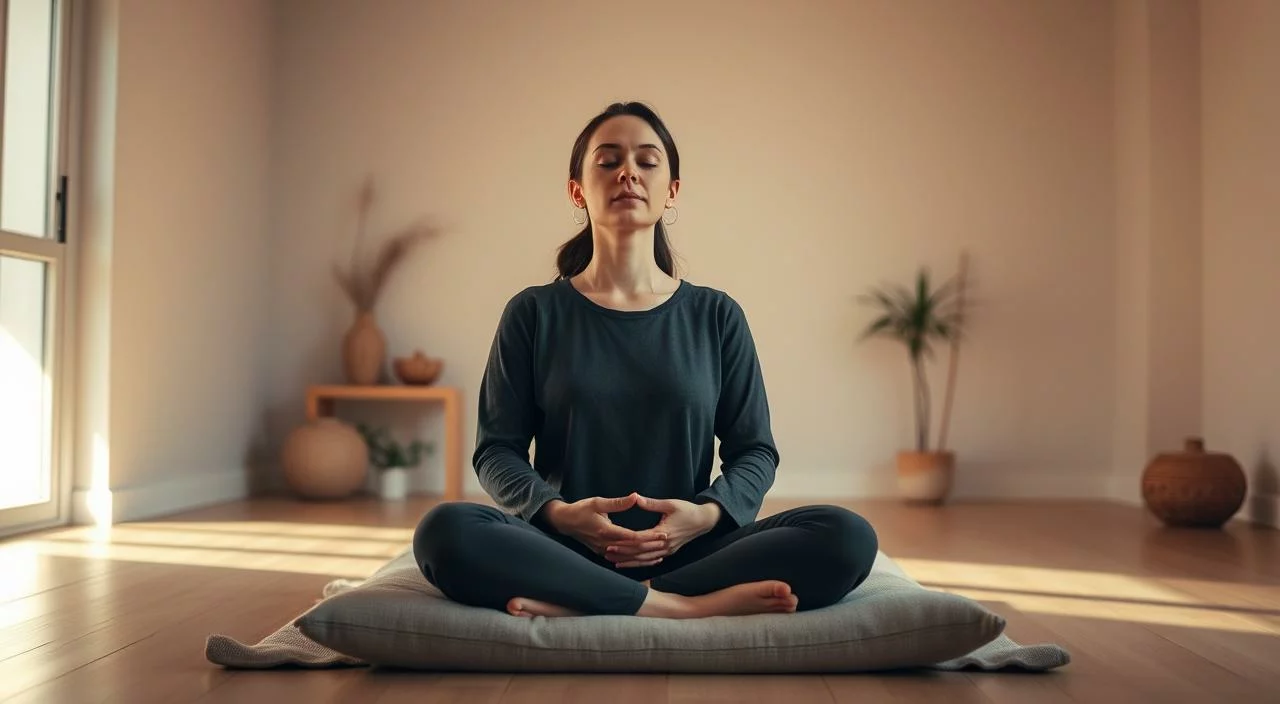
The practice of mindfulness improves emotional health. It focuses on the present, avoiding thoughts of the past or future. Guided meditation helps to reduce stress and anxiety.
Psychotherapy is also important for emotional health. It helps to understand and cope with negative emotions. Practices such as yoga and martial arts are useful alternative treatments.
To begin practicing mindfulness, it's good to start small. Here are some tips:
- Practice meditation for 10 minutes a day.
- Take a meditative walk daily.
- Enjoy a contemplative meal in silence.
With regular mindfulness, you improve your concentration. This helps in various areas of life. It also improves sleep and reduces insomnia.
Strategy 2: Regular Physical Exercise

Regular exercise greatly helps in managing stress . It also improves mental well-being . This is because exercise improves both physical and emotional health.
Studies show that not exercising can cause health problems. This includes obesity, diabetes, and heart disease. But doing aerobic and resistance exercises helps reduce depression.
The Relationship Between Exercise and Emotional Health
The relationship between exercise and emotional health is complex. Exercising can improve mood and reduce anxiety. But not exercising can lead to mental health problems.
Recommended Types of Exercises
There are several exercises that help with emotional health. For example:
- Aerobic exercises, such as walking or running.
- Resistance exercises, such as weight training or yoga.
- Flexibility exercises, such as stretching or Pilates.
Creating an Exercise Routine
To have an effective exercise routine, it's important to consider your preferences. Here are some tips:
- Set realistic and achievable goals.
- Choose activities that are enjoyable and fun.
- Find a workout partner or a support group.
Practicing self-hypnosis also helps manage stress. By combining exercise with self-hypnosis , you feel calmer and more relaxed.
Strategy 3: Healthy Eating
Healthy food greatly contributes to emotional self-care . A diet full of essential nutrients reduces stress and anxiety, significantly improving mental health . Mindfulness practices can make eating a more pleasant and conscious experience.
Some foods are great for emotional health. Fish like tuna and salmon are high in omega-3 fatty acids. This helps reduce inflammation and improves mood. Fruits and vegetables are also very important, as they provide vitamins and minerals for the mind.
To eat well, follow these tips:
- Eat 5 servings of fruits and vegetables daily.
- Consume 2 to 3 servings of oily fish per week.
- Choose whole grains, such as rice and oats.
- Choose dairy products, such as natural yogurt.
It's good to avoid processed foods and saturated fats. They can negatively affect mental health. By eating healthily and mindfully, you take better care of your emotional health. This helps prevent mental health problems.
Strategy 4: Maintain Social Connections

Maintaining social connections is essential for emotional health. Emotional reinterpretation happens through interaction with other people. This improves mental health . In Brazil, 86% of the population faces mental disorders such as depression and anxiety.
To maintain these connections, it's crucial to strengthen ties with friends and family. Doing activities together helps a lot. It's also important to make new friends to broaden your support network.
The Importance of Personal Relationships
Personal relationships are fundamental to emotional health. They offer support, love, and acceptance. This improves mental health . Furthermore, these relationships can be a form of therapy, such as group or family therapy.
How to Strengthen Your Bonds
To strengthen bonds, it is necessary to invest time and effort. This can be done in several ways:
- Open and honest communication
- Common activities
- Emotional support
Tips for Making New Friends
To make new friends, it's important to be open and receptive. It's also crucial to be patient and not give up. Some tips include:
- Participate in interest groups or clubs.
- Volunteering for social causes
- Using social media to connect with other people.
Strategy 5: Practice Self-Compassion

Self-compassion greatly contributes to emotional health. It allows us to treat ourselves with kindness and understanding. This is very good, even when things get difficult.
Those who practice self-compassion experience less stress and anxiety. They are also less likely to become depressed or anxious.
To have self-compassion, it's important to know who we are. This means understanding our thoughts and feelings without judgment. Guided meditation and psychotherapy can be very helpful in this. They help us to better understand ourselves and to control our emotions.
- Reducing stress and anxiety
- Strengthening emotional resilience
- Promoting a more positive self-image
- Cultivating a deeper acceptance of ourselves.
Practicing self-compassion makes us more compassionate towards ourselves. This greatly improves our psychological well-being. And it also makes our relationships healthier and more meaningful.
Strategy 6: Establish Healthy Boundaries

Setting healthy boundaries is crucial for emotional health. This means knowing what to accept and what not to accept. It's also important to talk about these boundaries clearly and respectfully.
Hypnotherapy for emotional health is very helpful in this regard. It helps to see and change limiting thoughts and behaviors.
Practicing relaxation techniques like meditation and yoga also helps. They reduce stress and anxiety. This makes it much easier to maintain healthy boundaries.
Emotional self-care is also very important. This includes reflecting on oneself, being grateful, and having compassion.
- Identify what is important to you.
- Communicate your boundaries clearly and respectfully.
- Establish consequences for when limits are exceeded.
- Practice self-reflection and self-compassion.
Establishing healthy boundaries takes time and practice. But it's essential for feeling good emotionally. With hypnotherapy, relaxation techniques , and self-care , you can create healthy boundaries. This greatly improves your life.
Strategy 7: Seek Professional Help

Seeking professional help is very important for emotional health. In Brazil, 86% of the population suffers from mental disorders. It's essential to know when we need help.
Self-hypnosis can help manage stress. But sometimes we need a professional to overcome bigger challenges.
There are several mental health professionals who can help. Psychologists, psychiatrists, and therapists are some examples. It's important to choose someone who understands our needs.
When we seek help, we know what to expect. There will be an initial assessment and a treatment plan tailored to us. We will also have regular therapy sessions. With the right support, we can greatly improve our mental well-being and learn to cope with stress.
Conclusion: Integrating Strategies into Daily Life
When you start taking care of your emotional health, it's essential to integrate the strategies into your daily life. Creating a personal action plan helps you know which practices to do regularly. This helps you adapt them to your challenges and needs.
Monitoring your progress is crucial to seeing the benefits of emotional self-care . Pay attention to how you feel and what positive changes are happening. This helps you make adjustments when necessary.
Seeking emotional balance is a never-ending process. Different moments in life may call for changes in your practices. Pay attention to these changes and adjust your routine as needed.
Integrative Therapy: A Journey of Inner Transformation
Many people wonder how to achieve emotional healing in a natural and lasting way. The answer lies in the integration of therapeutic methods and spiritual practices such as meditation and hypnosis, and in connecting with one's life purpose.
✅ Schedule a free 20-minute consultation with Therapist Fabio Morus today ! Discover how hypnotherapy can transform your life, help you better understand your current situation, and develop an action plan with professional and empathetic support.
🌟 Have you considered seeking a therapist to support your well-being journey?
If this article sparked reflections about positive changes in your life, perhaps now is the ideal time to take the next step. Do you know hypnosis as a therapeutic tool? This approach can be surprisingly effective for various personal challenges.
Special offer: Book a free 20-minute consultation with therapist Fabio Morus and discover how therapy can transform your life.
✨ No commitment — Completely free — 20 minutes that can make a difference
👉 Click here to book your free consultation
Don't postpone your well-being any longer. The first step to change is just one click away.