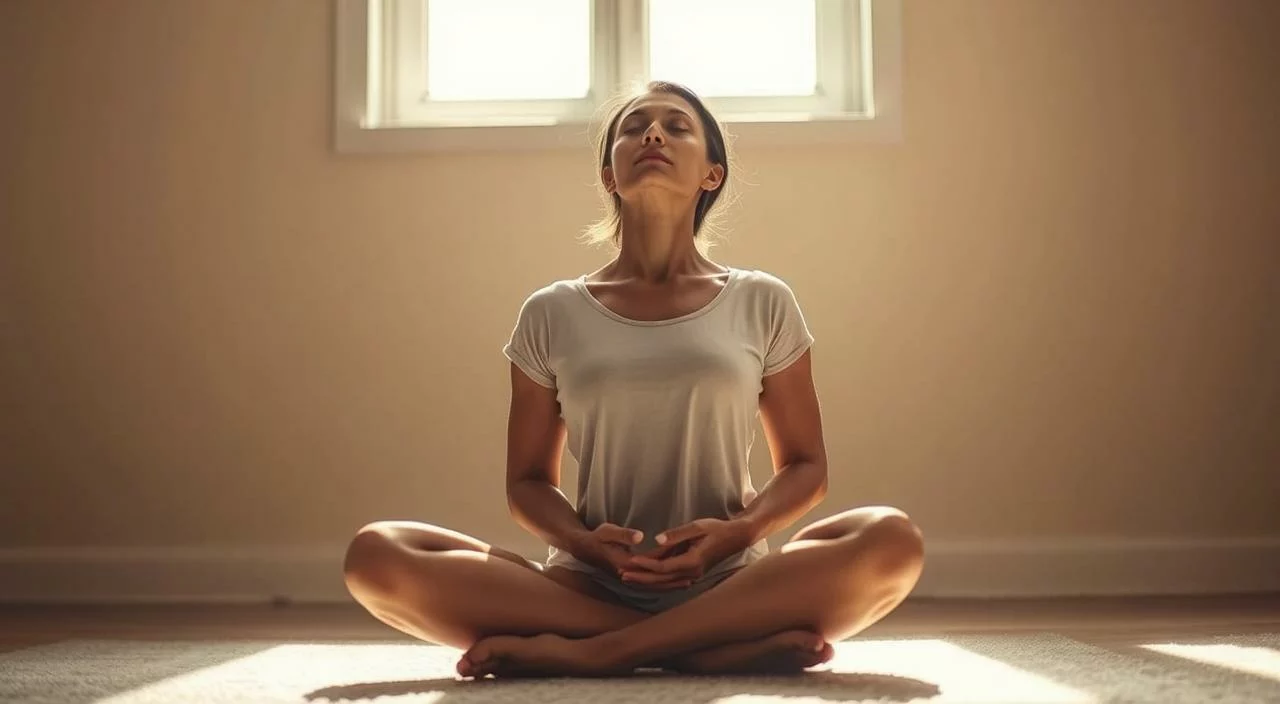
Over 18 million Brazilians suffer from anxiety. Finding ways to relax quickly is essential. Meditation and proper breathing techniques are very helpful.
Key Points
- Anxiety is a common mental health problem that affects millions of people worldwide.
- Relaxation techniques , such as breathing exercises , can help calm anxiety.
- Daily meditation is an effective way to reduce anxiety and promote well-being.
- Physical activity , especially aerobic exercise, helps release hormones that promote a feeling of well-being.
- Good sleep hygiene is essential for mental health, especially for people with anxiety disorders.
- Cognitive-behavioral therapy is indicated for milder cases of anxiety disorder.
- What calms anxiety includes relaxation techniques and breathing exercises .
What is anxiety and how does it affect us?

Anxiety is a natural feeling. But if left unchecked, it can become a major problem. More than 58 million people worldwide have anxiety disorders, according to the World Health Organization.
When we talk about what anxiety is , we're talking about the body's response to stress. This can happen for many reasons, such as tight deadlines or urgent tasks. But if anxiety becomes chronic, it can change someone's life.
Some common symptoms of anxiety are:
- Muscle tension
- Tachycardia or palpitations
- Chest pain
- Excessive sweating
- Headache
Anxiety has a significant impact on daily life . It can affect relationships, work, and daily activities. Seeking professional help to manage anxiety and improve your life is very important.
Breathing techniques to calm anxiety
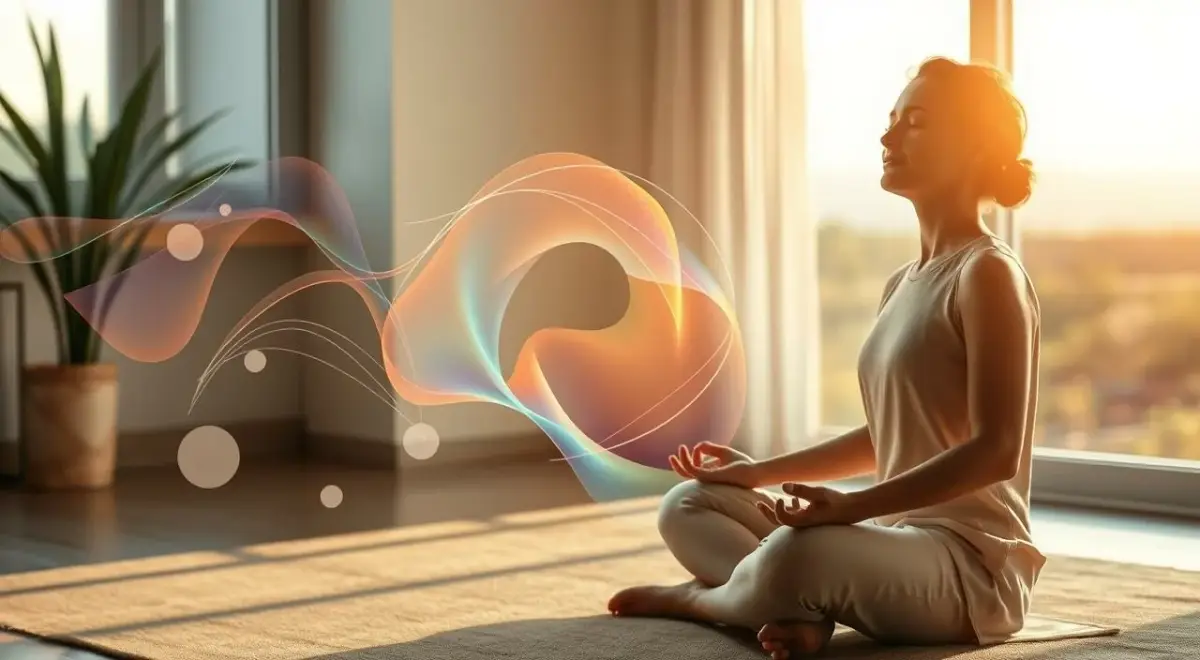
Anxiety can greatly disrupt our lives. But there are breathing techniques that can help calm us down. Breathing techniques such as diaphragmatic breathing and the 4-7-8 technique are very useful.
Benefits of diaphragmatic breathing
Diaphragmatic breathing involves inhaling deeply through the nose. This causes the diaphragm to expand and the lungs to fill. This technique helps to reduce anxiety and promote relaxation.
How to practice mindful breathing
The 4-7-8 technique involves inhaling for 4 counts, holding for 7, and exhaling for 8. This technique can be done anywhere, anytime. It's great for managing anxiety.
To begin with breathing techniques , follow these tips:
- Find a quiet place to practice.
- Sit or lie down comfortably.
- Close your eyes and focus on your breathing.
- Practice the 4-7-8 technique or diaphragmatic breathing.
Mindfulness and its role in relieving anxiety.
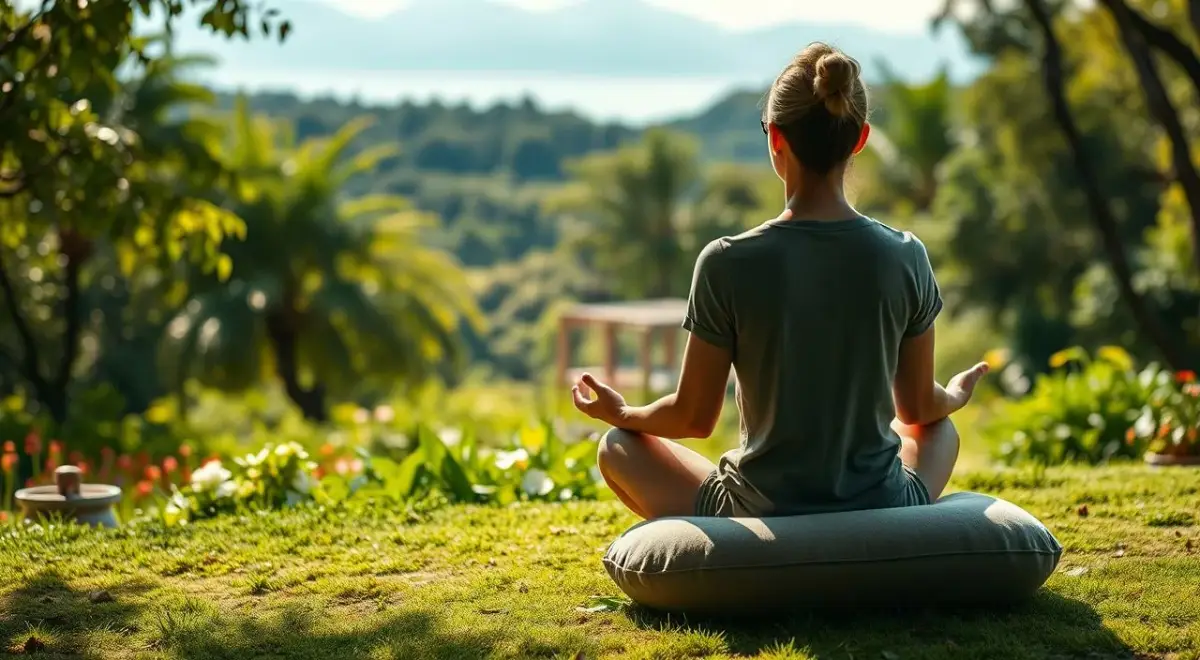
The practice of mindfulness is very helpful against anxiety. Benefits of the practice include fewer anxiety symptoms. It also improves sleep and increases mental flexibility.
Studies show that mindfulness can reduce anxiety by up to 30%. It also brings physical benefits, such as helping with weight loss and controlling blood pressure. Furthermore, it reduces chronic pain.
To begin with mindfulness , there are simple exercises you can do every day. For example, mindful meditation and deep breathing. These exercises can be done anywhere and anytime, making mindfulness easy to start.
A major advantage of mindfulness is that it has no contraindications. This makes it a safe and effective option for combating anxiety and promoting relaxation.
The importance of physical activity
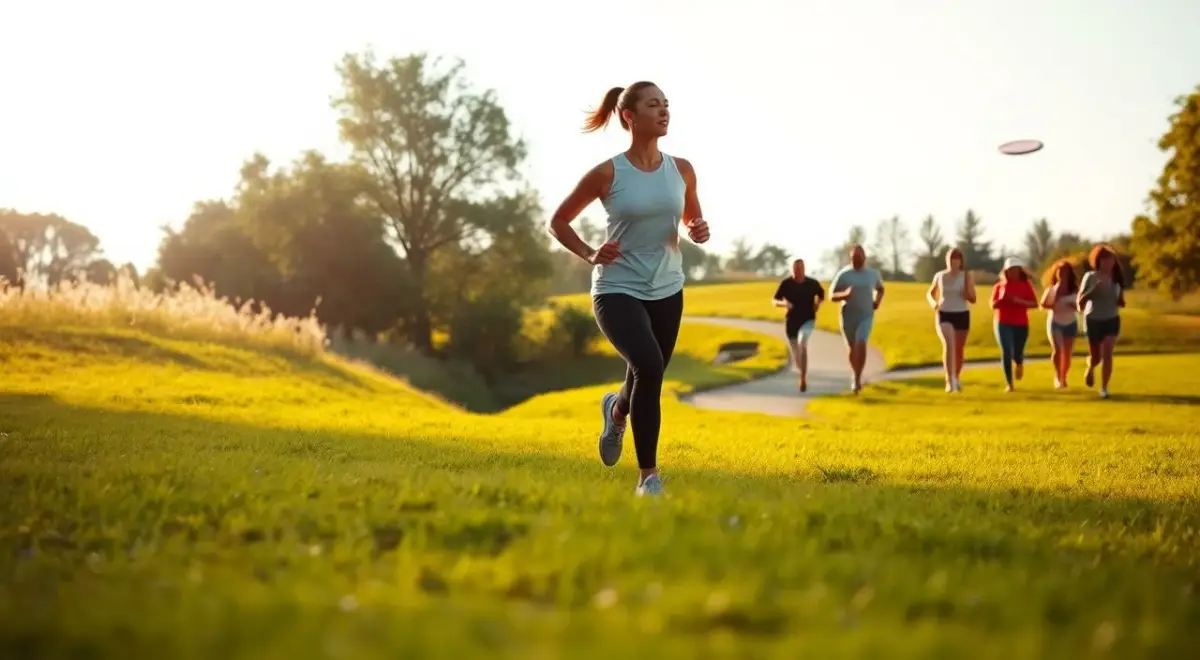
Physical activity greatly benefits mental health. It can reduce anxiety and improve quality of life. It also increases energy and makes the day more productive.
Exercise is good for the brain. It increases hormones that make you feel good. This helps reduce stress and improves your quality of life.
There are several good exercises for people with anxiety. For example:
- Aerobic exercises, such as walking or running.
- Strength training exercises, such as weightlifting or yoga.
- Flexibility exercises, such as stretching or Pilates.
To begin, it's good to start slowly. Find activities you enjoy. Having a partner or group helps maintain motivation.
Exercise helps combat insomnia, a common problem associated with anxiety. It also improves self-confidence and self-esteem, which anxiety can affect.
Muscle relaxation techniques
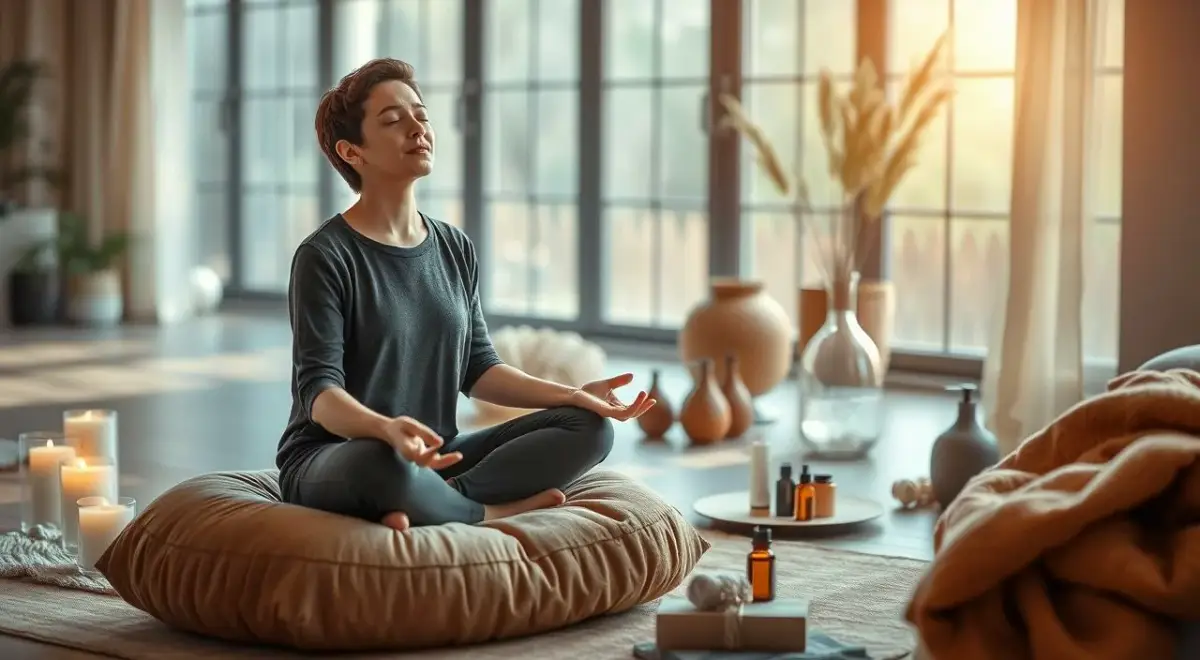
Incorporating muscle relaxation techniques is essential for reducing anxiety. Progressive muscle relaxation is one of them. It is recognized by the Spanish Ministry of Health as effective against anxiety and emotional disorders.
This technique involves systematically contracting and relaxing the muscles. It starts at the head and goes down to the feet. It can be done in five to ten minutes, making it easy for anyone.
The benefits include less anxiety and stress. It also improves sleep and increases well-being. Regular practice improves the relationship with daily life and the connection with thoughts and feelings.
To begin, do daily sessions for a week. Afterward, practice several times a week. These techniques help to achieve calmness and reduce anxiety effectively.
Aromatherapy as an ally in anxiety.
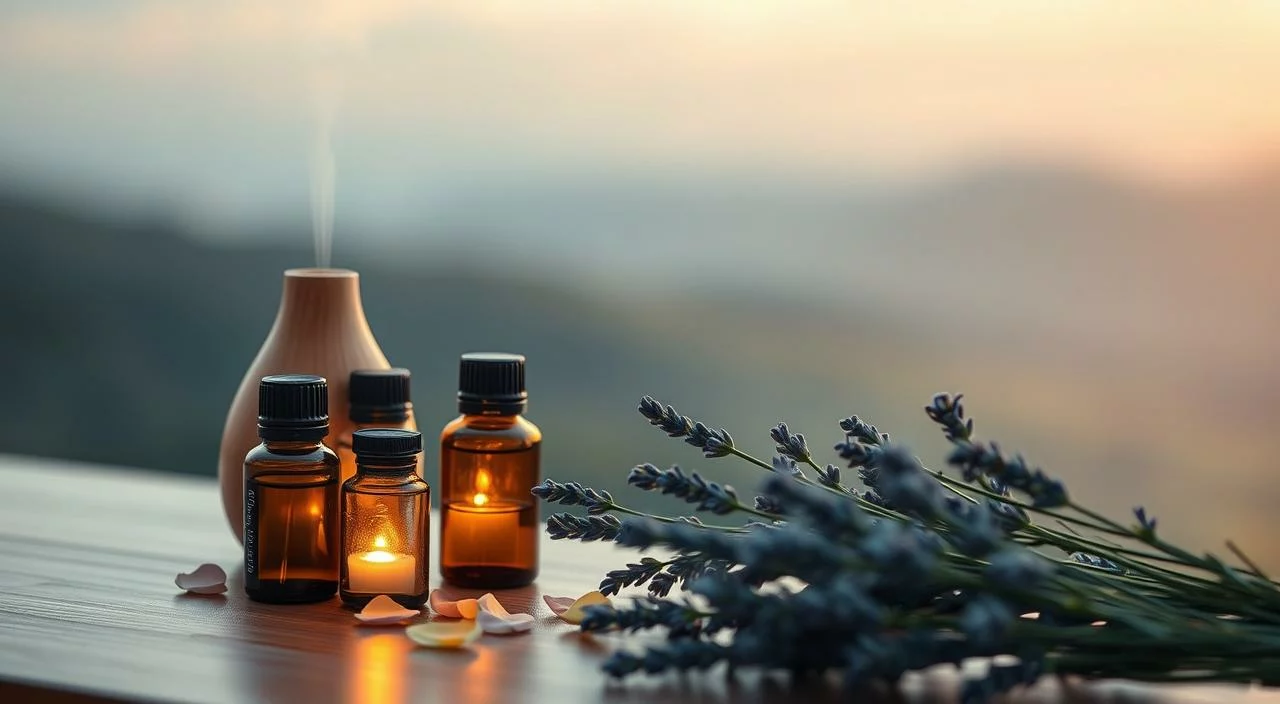
Aromatherapy uses essential oils to improve well-being. Inhaling these aromas or applying them to the skin acts on the brain. This helps with emotions.
This practice does not replace medical treatment. But it can be an extra help against anxiety.
Essential oils that are good for anxiety include:
- Lavender essential oil, which helps reduce stress and improve sleep.
- Chamomile essential oil, which calms and helps reduce mental agitation.
- Bergamot essential oil, which improves mood and reduces anxiety.
Aromas can bring great relief. They improve mood and help with concentration. You can use essential oils in diffusers, massages, baths, or compresses.
Aromatherapy is recognized by the WHO as a complementary therapy. It is one of the practices listed in the Brazilian Unified Health System (SUS). With proper use, aromatherapy can be very helpful in managing anxiety.
Music as therapy for anxiety.
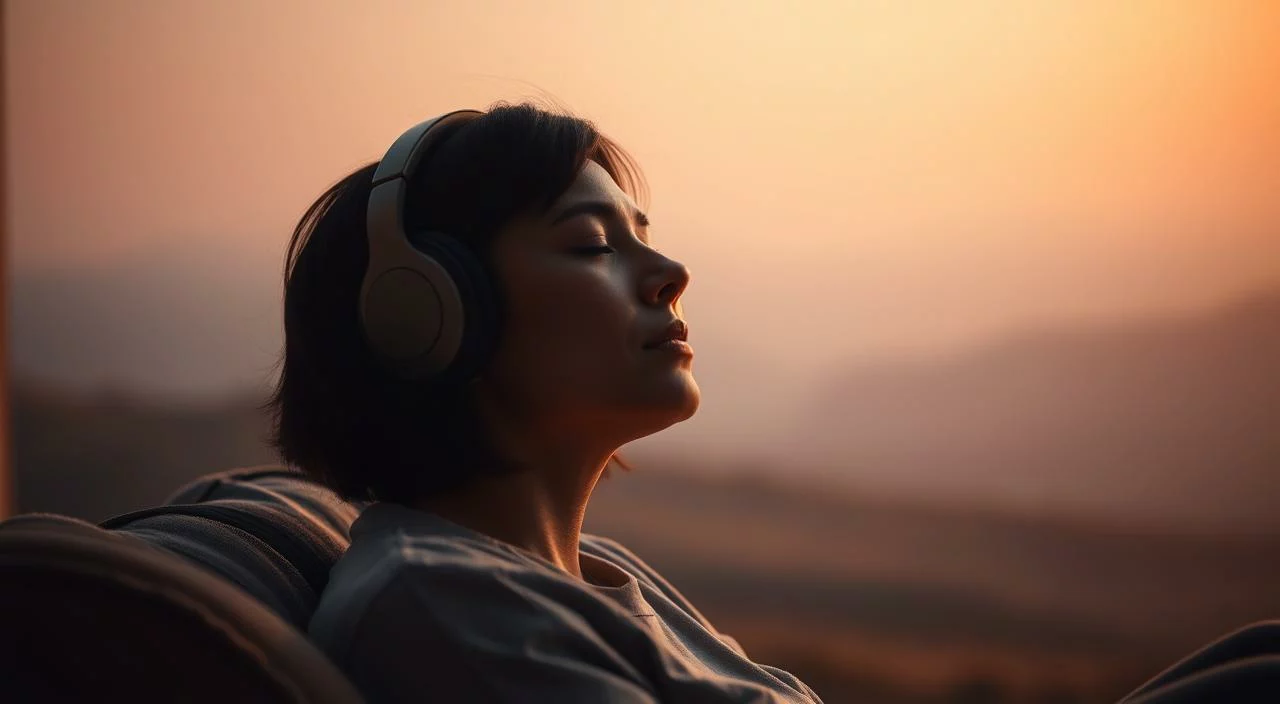
Music brings comfort and strength to many people. It can lower blood pressure and muscle tension. It also improves self-esteem and memory.
Since 1945, sound therapy has been used by the United States War Department. In Brazil, the PNPIC (National Policy on Integrative and Complementary Practices) recognizes its effectiveness.
The effects of music on the brain are significant. It improves the perception of emotions and thoughts. It also helps with communication and social skills.
For relaxing playlists, choose calm and pleasant music. Music can be used in conjunction with medication and lifestyle changes to treat anxiety.
In short, music is very useful against anxiety. It reduces blood pressure and muscle tension. It also improves self-esteem and memory.
With relaxing playlists and recommended music genres , enjoy the benefits of music for anxiety.
The importance of sleep in managing anxiety.
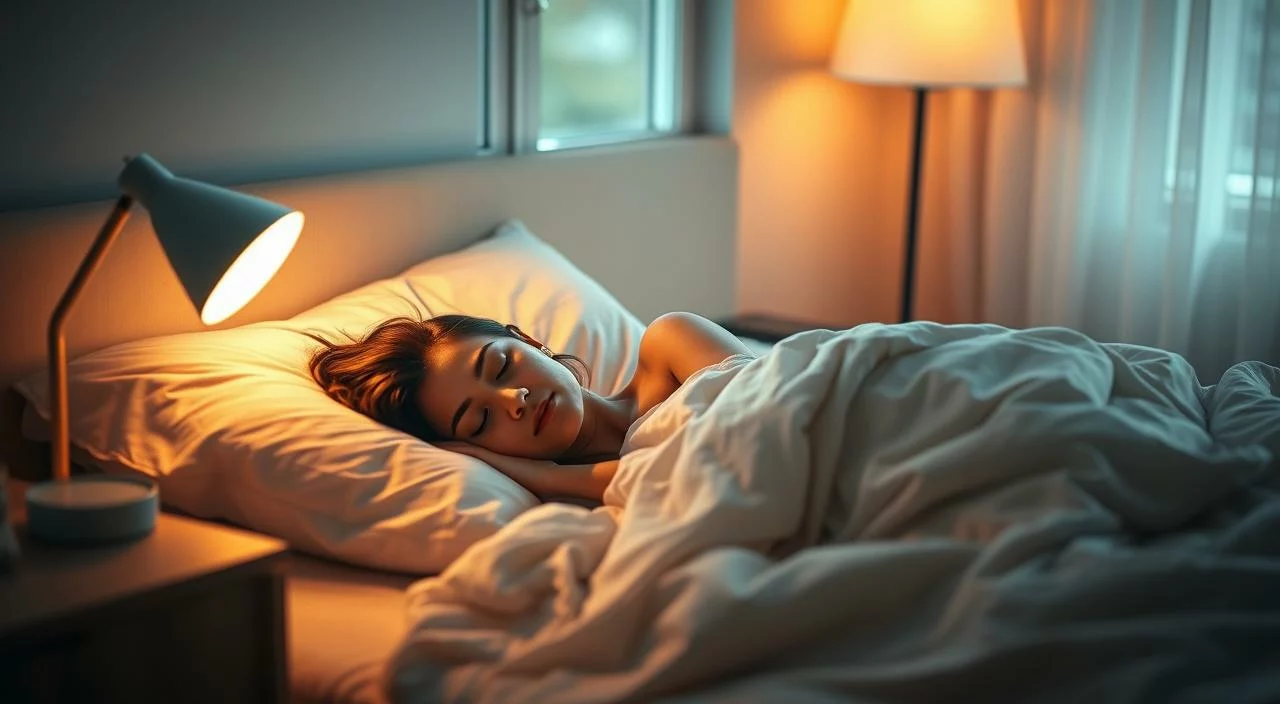
Sleep is essential for mental health. It helps reduce anxiety. Studies show that lack of sleep activates areas of the brain that sense threats. This releases hormones that cause feelings of anxiety.
Lack of sleep can increase anxiety. People with anxiety have difficulty sleeping. This is due to excessive worry and distress.
The relationship between sleep and anxiety.
Insomnia and daytime sleepiness are common sleep-related problems. Using caffeine can worsen anxiety.
Tips for a good night's sleep
Maintaining a regular sleep schedule helps a lot. Avoiding distractions and not using screens before bed are also good tips. This creates an environment conducive to better sleep.
- Establish a regular sleep schedule.
- Create a relaxing sleep environment.
- Avoid exposure to blue light from electronic screens before bed.
Relaxation techniques , such as meditation and deep breathing, also help. They prepare the body for sleep and reduce anxiety.
Healthy eating to reduce anxiety
The food we eat greatly affects anxiety. Nutrient-rich foods help combat anxiety. Diets low in nutrients, on the other hand, can worsen the problem. It's crucial to know which nutrients help and which foods should be avoided.
Nutrients that combat anxiety
- Omega-3, found in fish and nuts, helps reduce inflammation and promote mental health.
- Magnesium, found in oats and bananas, helps regulate stress and anxiety.
- Tryptophan, an amino acid that helps in the production of serotonin, is found in meats, fish, and dark chocolate.
Foods to avoid
- Sugar and sugary drinks, which can cause energy spikes and increase anxiety.
- Ultra-processed foods, which are low in nutrients and high in chemicals that can worsen anxiety.
- Caffeine and alcoholic beverages, which can interfere with sleep and increase anxiety.
In summary, eating well is essential to combat anxiety. We should include helpful nutrients and avoid harmful foods. This way, we can better care for our mental health and reduce anxiety.
Seeking professional psychological support
It's very important to know when we need professional psychological support to deal with anxiety. Anxiety can be common, but in some cases, it can be very intense. This can greatly affect our work and cause us to be absent for longer periods.
There are several types of therapy available to help manage anxiety. For example, cognitive behavioral therapy (CBT) and acceptance and commitment therapy (ACT). It is also helpful to practice relaxation techniques, such as meditation and deep breathing.
To know when to seek help , keep an eye out for signs of anxiety. These include rapid heartbeat, excessive breathing, headaches, and tremors. If anxiety is significantly impacting your life, it's time to seek professional psychological support . This way, you can learn to manage your anxiety and improve your life.
With the help of a professional, you can learn to manage anxiety. Remember, anxiety is normal, but it doesn't have to be a major problem. Seeking professional psychological support is the first step towards a happier and more peaceful life.
Conclusion: Integrating practices into daily life
We've reached the end of this journey. Integrating self-care practices into our daily lives is crucial. Creating a self-care routine greatly helps maintain mental health .
Techniques such as diaphragmatic breathing , meditation , and muscle relaxation calm the mind and body. Physical activity , a good night's sleep , and a healthy diet are also essential for emotional balance.
Anxiety affects millions in Brazil. But it's possible to learn how to manage it and promote long-term well-being . Seeking professional psychological support greatly helps in developing effective strategies.
Do you want to find out exactly what you do to calm yourself down in your case?
Schedule a free 20-minute consultation with me now and discover, in a personalized way, how to achieve more emotional balance in your daily life.
Just access and choose the best time for you. This could be the first step towards the inner peace you deserve.
Source Links
- 7 Techniques to Control Anxiety • Estadão Health Summit - https://summitsaude.estadao.com.br/saude-humanizada/7-tecnicas-para-controlar-a-ansiedade/
- Anxiety relief: 7 treatments based on scientific evidence - https://yinflow.life/post/alivio-da-ansiedade-7-tratamentos-baseados-em-evidencias-cientificas
- Controlling anxiety: Techniques to reduce mood swings and regain emotional well-being - https://oglobo.globo.com/saude/bem-estar/noticia/2024/10/30/controlar-a-ansiedade-tecnicas-para-reduzir-mudancas-de-humor-e-recuperar-o-bem-estar-emocional.ghtml
- Anxiety: what it is, how to control it, and main symptoms | CNN Brazil - https://www.cnnbrasil.com.br/saude/ansiedade/
- Anxiety: Learn the main signs and how to control it | Healthy Living - Einstein - https://vidasaudavel.einstein.br/ansiedade/
- 4 breathing techniques to reduce anxiety and stress - https://hospital.mackenzie.br/huem/noticias/arquivo?tx_news_pi1[action]=detail&tx_news_pi1[controller]=News&tx_news_pi1[news]=34614&cHash=59e893ddf9f9ac1f585fa70769d402ea
- 3 breathing techniques to relieve anxiety - https://nav.dasa.com.br/blog/tecnicas-de-respiracao-para-ansiedade
- 4-7-8 Breathing Technique: How to Use it to Sleep or Reduce Anxiety | CNN Brazil - https://www.cnnbrasil.com.br/saude/respiracao-4-7-8-como-usar-a-tecnica-para-dormir-ou-reduzir-a-ansiedade/
- Advantages of mindfulness and a step-by-step guide to practicing it - https://vidasaudavel.einstein.br/5-vantagens-do-mindfulness-e-um-passo-a-passo-para-pratica-lo/
- Mindfulness: Practice can be as effective as anxiety medication - https://vidasaudavel.einstein.br/mindfulness-pratica-pode-ser-tao-eficaz-quanto-remedio-de-ansiedade/
- What is the importance of physical exercise for anxiety? - https://vidasaudavel.einstein.br/entenda-a-importancia-dos-exercicios-fisicos-para-a-ansiedade/
- Learn about the importance of physical exercise in treating anxiety - https://novadiagnostico.com.br/2022/09/02/conheca-a-importancia-dos-exercicios-fisicos-para-o-tratamento-da-ansiedade/
- Anxiety disorders and physical exercise - https://www.scielo.br/j/rbp/a/fLNhMjCxYWyzQLDYWFYNBCs/
- Five relaxation techniques at your fingertips to combat stress and anxiety - https://brasil.elpais.com/brasil/2019/08/14/estilo/1565783185_939413.html
- Just 10 minutes: see how to practice progressive muscle relaxation and relieve tension | CNN Brazil - https://www.cnnbrasil.com.br/saude/so-10-minutos-veja-como-praticar-o-relaxamento-muscular-progressivo-e-aliviar-a-tensao/
- Relaxation Techniques: Discover the 8 Most Effective! - https://iptc.net.br/tecnicas-de-relaxamento/
- Aromatherapy for anxiety: discover how to enjoy the benefits - https://www.gazetadopovo.com.br/conteudo-publicitario/vivenso/aromaterapia-para-ansiedade/
- Pro Aqua - Blog, Essential Oils for Anxiety - https://www.pro-aqua.com.br/conteudo/oleos-essenciais-para-ansiedade/134?srsltid=AfmBOopd8RcD-ImS4HKR4qBpwbszEuOpv7sOw6heDoUz-aVyJG9q4A81
- See how music can help relieve anxiety - https://sanjulian.org.br/sem-categoria/veja-como-musica-pode-ajudar-a-aliviar-a-ansiedade/
- Effects of music therapy on symptoms of anxiety and depression in adults diagnosed with mental disorders: a systematic review - https://www.scielo.br/j/ape/a/xRT56hdPydcZCM4BJXVN8HK/
- What is the relationship between sleep and anxiety disorders? - Sleep Institute - https://institutodosono.com/artigos-noticias/qual-ea-relacao-entre-sono-e-transtorno-de-ansiedade/
- How Sleep Quality Influences Anxiety and Well-being - https://draanabeatriz.com.br/como-a-qualidade-do-sono-influencia-a-ansiedade-eo-bem-estar/
- What foods can help reduce anxiety? - Drauzio Varella Portal - https://drauziovarella.uol.com.br/alimentacao/quais-alimentos-podem-ajudar-a-diminuir-a-ansiedade/
- Foods that combat anxiety and stress - https://www.tuasaude.com/alimentos-contra-a-ansiedade/
- Anxiety and work: how to deal with anxiety in your professional life? - https://www.psicologo.com.br/blog/ansiedade-e-trabalho-como-lidar/
- How to calm down: 11 coping techniques for anxiety - https://pill.com.br/blogs/artigos/11tecnicas-enfrentar-ansiedade?srsltid=AfmBOooKE2BbZSaFB60wW46_IfUYCysZmaHaJ9bquMTvYWJvcyMY3ybR
- How to Relieve Anxiety: 7 Practical Steps | Psitto - https://www.psitto.com.br/blog/como-aliviar-ansiedade/
- Everyday Anxiety: How Cognitive Behavioral Therapy Can Help - https://clinicatesser.com.br/ansiedade-do-dia-a-dia-como-a-terapia-cognitivo-comportamental-pode-ajudar/
- Proven Strategies to Reduce Stress and Anxiety - POP Pharmacy - https://drogariapop.com.br/strategias-para-reduzir-estresse-e-ansiedade/
🌟 Have you considered seeking a therapist to support your well-being journey?
If this article sparked reflections about positive changes in your life, perhaps now is the ideal time to take the next step. Do you know hypnosis as a therapeutic tool? This approach can be surprisingly effective for various personal challenges.
Special offer: Book a free 20-minute consultation with therapist Fabio Morus and discover how therapy can transform your life.
✨ No commitment — Completely free — 20 minutes that can make a difference
👉 Click here to book your free consultation
Don't postpone your well-being any longer. The first step to change is just one click away.