
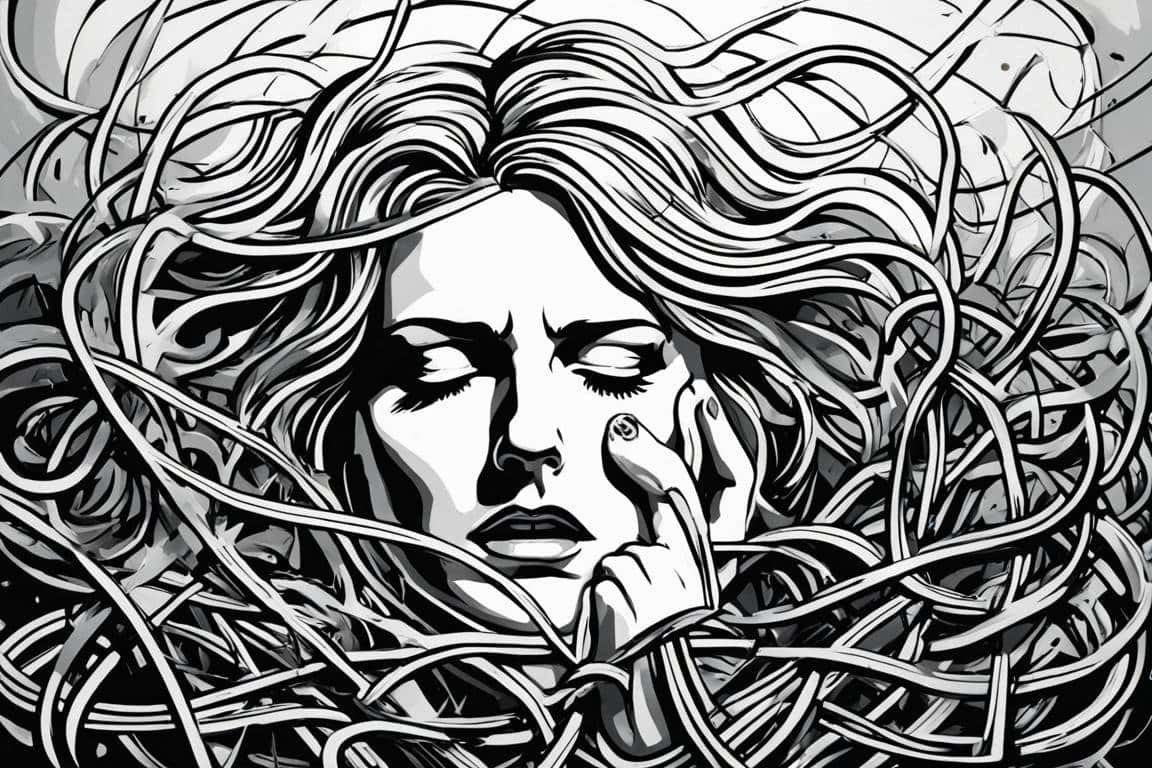
Brazil has the highest number of people with anxiety, with over 18 million cases, according to the WHO . Anxiety is natural, but it can disrupt our daily lives. We will show you 7 techniques to control anxiety and improve our lives.
We will explore everything from physical exercise to strengthening social bonds and psychological therapy. These approaches help manage anxiety in a healthy way. We will learn how to control anxiety in everyday life.
What is anxiety?
Anxiety is a natural feeling that everyone experiences from time to time. This can happen before an interview or an important presentation. But if anxiety becomes frequent and affects daily life, it may be a sign of an anxiety disorder.
Several factors can cause anxiety, such as specific triggers, traumas, physical illnesses, and hormonal imbalances. Work-related stress can also contribute to it .
Understanding the Symptoms of Anxiety
Anxiety can cause various physical and psychological symptoms. Physical symptoms include rapid breathing, rapid heartbeat, muscle tension, headache, and dizziness. Psychological symptoms include irritability, excessive worry, feelings of derealization or depersonalization, difficulty concentrating, and frequent nervousness .
Difference between Anxiety and Anxiety Disorder
Natural anxiety is temporary and doesn't significantly affect daily life. Anxiety disorder, on the other hand, is constant and prevents people from performing routine activities. This disorder can lead to other mental health problems, such as panic disorder and OCD .
Generalized anxiety can manifest in everyday situations, such as interviews or studying. It can affect daily life. Symptoms include tachycardia, tremors, sweating, stuttering, nervousness, and negative thoughts. This can lead to conditions such as Panic Disorder and OCD .
https://www.youtube.com/watch?v=8YG8HABY25w
"According to PAHO estimates, more than 58 million people worldwide suffer from anxiety disorders 2. During the pandemic, cases of depression and anxiety increased by 25%, according to WHO 2. "
Deep Breathing and Meditation
Deep breathing is great for combating anxiety . Inhaling through the nose and exhaling through the mouth helps the brain relax. This reduces the reaction of the autonomic nervous system. Practicing deep breathing and meditation brings benefits such as physical and emotional relaxation. Dedicate a few minutes a day and see the results.
How to Practice Deep Breathing
One recommended technique is the 4-7-8 breathing method. Inhale for 4 counts, hold your breath for 7, and exhale for 8. This technique can reduce anxiety, depression, and insomnia . One study showed that it improved heart rate and blood pressure.
Other techniques, such as abdominal breathing, help relieve anxiety and improve sleep 6. Square breathing and prolonged exhalation are also good options for managing stress 6 .
Daily five-minute breathing exercises improve mood and reduce anxiety , according to a Stanford University study 7. Slower exhalation is the most effective 7 .
"Slow, deep breathing exercises are described in ancient yoga texts as a technique for achieving a calmer mental state, modulating the autonomic nervous system and stimulating a relaxation response." 7
With just five minutes a day, you can improve your emotional health 7 .
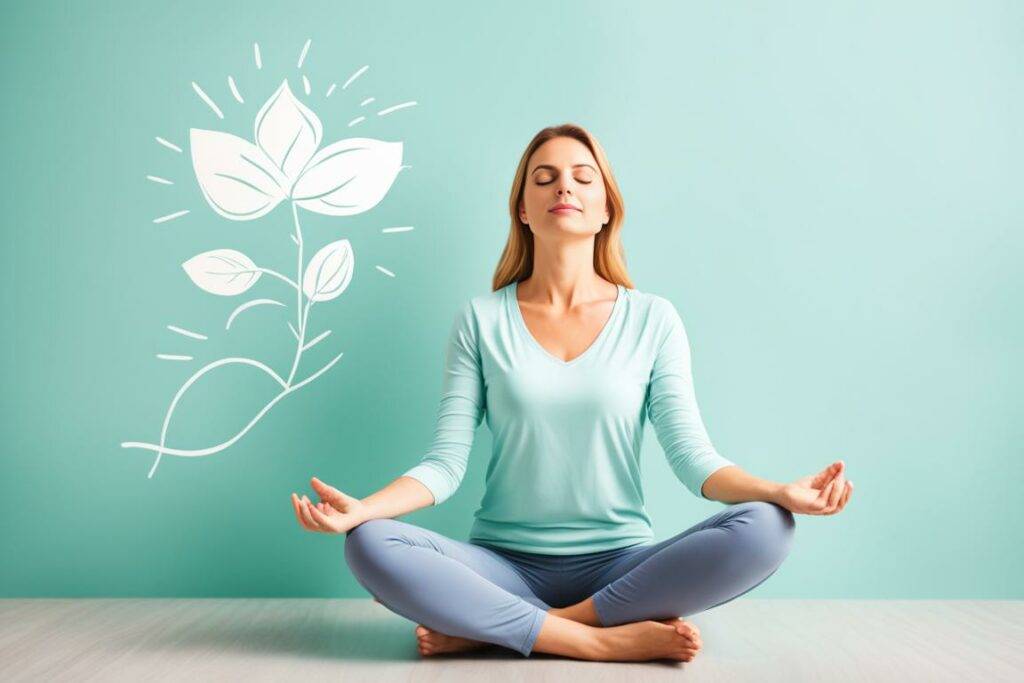
Therefore, deep breathing and meditation are great for controlling anxiety . With a few minutes a day, you improve your well-being 5 6 7 .
Physical Exercise and Enjoyable Activities
Regular physical exercise is very helpful in combating anxiety. The World Health Organization (WHO) says that nearly 19 million Brazilians have suffered from anxiety since 2017.8 Exercises such as walking, running, and cycling are great because they release serotonin and endorphins, which make us feel good.9
Physical activity also balances hormones, improves sleep, and reduces stress. This greatly affects mental health. Research shows that meditating and exercising for 30 minutes twice a week can alleviate depression .
It's also important to do things you enjoy, like hobbies and taking care of yourself. This distracts the mind and relieves emotional stress. Mindfulness , or full attention, is great for managing anxiety .
https://www.youtube.com/watch?v=JoZL2X7dy_I
There is no single formula. Try various activities, from exercise to hobbies, and see what helps most . Maintaining a healthy routine is crucial for managing anxiety .
"Regular physical exercise, such as running, walking, cycling, yoga, swimming, Pilates, dancing, Body Combat, and Zumba, can combat anxiety and stress, contributing to the production of neurotransmitters of pleasure and well-being in the body." 8
Healthy Eating and Quality Sleep
A balanced diet and restful sleep are essential to combat anxiety. Foods rich in tryptophan and omega-3, such as lean fish, help improve mood.11 A healthy sleep routine is also vital for emotional well-being.
Foods that Help Control Anxiety
Fish like salmon and tuna are great for those with anxiety. They contain omega-3, which helps produce serotonin, the happiness hormone . Foods like Brazil nuts, bananas, and dark chocolate are also good for anxiety . Saffron, in turn, is an antioxidant that can help reduce anxiety .
Healthy Sleep Routine
Quality sleep is crucial for those struggling with anxiety . To get a good night's sleep, it's important to turn off electronic devices before bed. Opt for relaxing activities, such as reading or meditating . Foods like kiwi, nuts, and bananas can also improve sleep .

"A good diet and quality sleep are powerful tools for controlling anxiety. By adopting these healthy habits, you will be taking the first steps towards a more peaceful and balanced life."
how to control anxiety
In addition to deep breathing and meditation, there are other relaxation techniques for managing anxiety that can be effective. The practice of yoga, tai chi, and massage, for example, promotes the relief of muscle tension and connection with the present moment. <sup>13</sup>
Another important strategy is cognitive restructuring for anxiety , which consists of identifying and replacing negative thoughts with a more positive and realistic view of situations. By recognizing catastrophic thoughts and replacing them with a more balanced perspective, the person can better cope with anxiety-inducing situations, preventing it from intensifying. <sup>14 </sup>
Relaxation Techniques
- Yoga, Tai Chi and Massage Practice
- Relief of muscle tension
- Connection with the present moment
Cognitive Restructuring
- Identifying negative thoughts
- Replace it with a more positive and realistic view.
- Coping better with anxiety-inducing situations
Studies indicate that engaging in volunteer activities, practicing gratitude and optimism, and engaging in activities that generate absorption and positive emotions promote health and significantly reduce the effects of problems such as anxiety. 13
"The need for increased investment in psychological support services is highlighted due to the higher incidence of symptoms of depression and anxiety in various countries." 13
https://www.youtube.com/watch?v=ZVAIlyuWVUA
Therefore, in addition to the techniques already mentioned, it is important to adopt a comprehensive approach to controlling anxiety , including regular physical exercise, quality sleep, healthy eating and strengthening social ties 14 15 .
| Technique | Benefits |
|---|---|
| Deep breathing | It reduces heart rate and muscle tension. |
| Meditation | It improves concentration and awareness of the present moment. |
| Physical exercises | It releases endorphins and improves mood. |
| Adequate sleep | It provides energy and a good mood. |
Remember: controlling anxiety is a gradual process that requires persistence and patience. But with the right techniques and the help of professionals, it's possible to learn to cope better with this challenge. 15 13 14 .
Organization and Planning
Having an organized routine helps reduce anxiety. Knowing what to do each day increases control and decreases anxiety.16 Cluttered environments, on the other hand, increase stress and procrastination.16
To better organize yourself, make a to-do list and set priorities. Don't overexert yourself with unforeseen events, which are common 17. Doing tasks one at a time can reduce anxiety 16 .
Planning the next day helps to deal with unforeseen events and to reduce anxiety about the fear of the future 17. Writing down thoughts and dividing objectives into achievable goals also helps to organize emotions 17 .
Organization is very effective against anxiety, improving mental well-being 16. An organized environment makes the mind clearer and more productive 18 .
Therefore, investing in organization and planning can improve life.18 But if organization doesn't help, seek professional help.17
"Organization is the key to mental peace. When everything is in its proper place, anxiety decreases and productivity increases." - Mental Health Specialist
Avoid Stimulants
Avoiding excessive consumption of stimulants such as caffeine and nicotine is crucial for controlling anxiety. These substances can increase feelings of alertness, worsening anxiety.19 Opting for relaxing teas is a good alternative for dealing with anxiety.
The Harmful Effects of Caffeine and Nicotine
Consuming caffeine and nicotine can worsen anxiety symptoms 19 20. They increase heart rate and blood pressure, leading to a state of hyperactivity. This can cause agitation and difficulty concentrating, exacerbating anxiety.
Furthermore, excessive use of these substances can impair sleep . Sleep is essential for mental health and anxiety management. Therefore, it is important to avoid or consume these substances in moderation, opting for healthier alternatives.
"The consumption of stimulants, such as caffeine and nicotine, can significantly worsen anxiety symptoms . These stimuli increase the activity of the nervous system, exacerbating feelings of agitation and nervousness."
To control anxiety, it is essential to avoid or limit the consumption of stimulants such as caffeine and nicotine 19 20. A healthy lifestyle , with relaxing activities and an organized routine, helps to minimize the effects of anxiety in daily life.
Strengthening Social Ties
Having a support network is crucial for dealing with anxiety . Talking to friends or family helps you relax and improve your mood . It's good to avoid very anxious people, as they can worsen your emotional state.
Having good friends can reduce anxiety and stress . Support groups offer emotional support and tips for dealing with anxiety . People with many friends are more emotionally resilient.
On the other hand, digital technology can cause anxiety because of comparisons and the need to always be up-to-date 21. Interacting too much online can weaken personal relationships 21. Volunteering can give a sense of purpose and help reduce anxiety 21 .
"Communities and support networks can provide a sense of belonging and emotional security, helping to reduce anxiety." 21

Strengthening social ties is a good way to manage anxiety 22. Having friends and maintaining healthy relationships greatly helps mental health 22 .
Positive Thinking and Optimism
Anxiety often brings a pessimistic outlook. Focusing on the negative can be a problem. But positive thinking and optimism help control anxiety and improve life. <sup>23</sup>
Studies show that positive thinking reduces stress 23. Optimists have better health, stronger relationships, and more productivity 23. They are also more courageous and resilient to failure 23 .
Adopting a positive mindset can make life less stressful and increase success . Optimism can be learned and can change your internal dialogue. Taking a self-test of optimism and using positive affirmations can help change your thinking .
During the pandemic, depression and anxiety increased significantly in Brazil . Positive psychology suggests that being compassionate with yourself can prevent burnout .
Connecting with other people, even online, is good for mental health 24. Positive emotions, such as hope, improve the brain 24. Being too afraid can cause stress 24. Being grateful can make you see the world in a more positive way 24 .
A 2021 study showed that positive thinking helped reduce anxiety in dialysis patients 25. This improved quality of life 25. Thinking positively can prevent mental health problems 25. It can also increase creativity and reduce stress in students 25 .
https://www.youtube.com/watch?v=_en39F1i4jI
In conclusion, positive thinking and optimism are essential for dealing with anxiety and improving mental health. They help us face life's challenges and live better.
Psychological Therapy
Psychological therapy , especially cognitive-behavioral therapy , is essential for dealing with anxiety . It helps to identify and change thoughts and behaviors that cause anxiety . This gives the patient tools to better cope with the symptoms . In addition, it prevents other mental health problems and helps with self-awareness.
Benefits of Cognitive-Behavioral Therapy
Therapy for anxiety is very effective, affecting millions of people worldwide . Treatment is personalized, taking into account the symptoms and their intensity . It is crucial that it be done by a qualified professional. Psychotherapy is one of the main ways to treat anxiety, helping to understand and cope with the problem .
In addition to therapy, healthy practices such as exercise and meditation help control anxiety 26 .
Therapy for anxiety helps to understand the mechanism of anxiety and to deal with it . It teaches control techniques and how to cope with difficult situations. Cognitive-behavioral therapy is important for identifying negative thoughts and improving self -awareness.
"Brief focal psychotherapy aims to improve quality of life in a short period of time, allowing patients to feel better within a few weeks." 27
Analytical-behavioral treatment is effective in controlling emotions and attitudes that cause anxiety 27. Jungian therapy helps to find the root of anxiety problems 27 .
Therapy is essential, along with medication, to treat anxiety 27 .
| Therapeutic Technique | Focus | Benefits |
|---|---|---|
| Cognitive Behavioral Therapy (CBT) | Identify and modify patterns of thought and behavior. | Provides tools for managing symptoms; Assists in self-awareness. |
| Brief Focal Therapy | Improving quality of life in the short term. | It allows patients to feel better within a few weeks. |
| Analytical-Behavioral Therapy | Investigate and change behaviors that affect daily life. | Identifies and manages emotions and attitudes that lead to anxiety. |
| Jungian Therapy | Self-knowledge and the use of dreams as a therapeutic tool. | Find the root of anxiety problems. |
Studies show that having plants at home can increase productivity by 15% and reduce anxiety 27. The practice of mindfulness helps to deal with daily anxiety 27. Meditation is a healthy practice against stress and anxiety 27 .
Conclusion
To deal with anxiety every day, it's important to use several effective techniques . This includes deep breathing, meditation, exercise, and having fun. It's also crucial to eat healthily, sleep well, and use relaxation techniques.
In addition, organizing your routine, having close friends, and thinking positively also helps a lot 28 .
Drinking water before exams can improve grades because it reduces anxiety 28. Doing yoga or breathing exercises every day helps fight anxiety 28 .
In Brazil, approximately 18.6 million people suffer from serious anxiety, representing 9.3% of the population . The pandemic exacerbated this, with 56% of students experiencing stress and anxiety . Therefore, psychological therapy, especially cognitive-behavioral therapy, is essential for treating anxiety.
FAQ
What is anxiety and what are its symptoms?
Anxiety is a natural feeling that everyone experiences from time to time. But when it's frequent and affects daily life, it can be a sign of a bigger problem. Symptoms include rapid breathing, racing heart, tense muscles, irritability, and excessive worry.
What are the differences between anxiety and anxiety disorder?
Occasional anxiety is fleeting and doesn't significantly affect daily life. Anxiety disorder, on the other hand, is constant and prevents one from doing simple things. It can also cause other mental health problems.
How can deep breathing and meditation help control anxiety?
Deep breathing, inhaling through the nose and exhaling through the mouth, signals to the brain that it's time to relax. This reduces reactions in the nervous system. Practicing deep breathing and meditating daily can bring physical and emotional relaxation.
What types of physical exercise and enjoyable activities can help control anxiety?
Aerobic exercises, such as walking or running, release hormones that make us feel good. Activities we enjoy, like hobbies, also take our minds off anxious thoughts.
How can a healthy diet and quality sleep contribute to controlling anxiety?
Eating foods rich in omega-3 fatty acids, such as fish and dark chocolate, helps produce serotonin, the happiness hormone. Getting a good night's sleep, without screens before bed, helps maintain emotional balance.
What other techniques can be used to control anxiety?
In addition to deep breathing and meditation, techniques such as yoga, tai chi, and massage also help. Restructuring negative thoughts into positive ones is also an effective strategy.
How can organization and planning help control anxiety?
Having an organized routine and planning your day helps reduce anxiety. Knowing what to do brings more control and less anxiety.
Which stimulants should be avoided to control anxiety?
Avoiding excessive consumption of caffeine, nicotine, guarana, and chocolate is important. These substances can worsen anxiety by increasing feelings of alertness.
Why is it important to strengthen social bonds to manage anxiety?
Being with loved ones, whether in person or online, relieves tension and improves mood. It's good to distance yourself from people who are very anxious or negative.
How can positive thinking and optimism help control anxiety?
Thinking positively and being optimistic combats pessimism. When your mind focuses on bad scenarios, shift to something more positive and constructive.
How important is psychological therapy, especially cognitive-behavioral therapy, for the treatment of anxiety?
Psychological therapy, such as cognitive-behavioral therapy, is essential for treating anxiety. It helps to change thoughts and behaviors that cause anxiety, offering tools to cope with the symptoms.
🌟 Have you considered seeking a therapist to support your well-being journey?
If this article sparked reflections about positive changes in your life, perhaps now is the ideal time to take the next step. Do you know hypnosis as a therapeutic tool? This approach can be surprisingly effective for various personal challenges.
Special offer: Book a free 20-minute consultation with therapist Fabio Morus and discover how therapy can transform your life.
✨ No commitment — Completely free — 20 minutes that can make a difference
👉 Click here to book your free consultation
Don't postpone your well-being any longer. The first step to change is just one click away.