

Many people in Brazil suffer from chronic pain, which directly impacts their quality of life. The good news is that hypnosis can help control pain , reducing its intensity and providing relief without the excessive use of medication.
Key Points
- ✔️ Hypnosis can reduce chronic pain by up to 50% in some patients.
✔️ It can be used as a complementary or alternative therapy to conventional treatments.
✔️ Increases self-esteem and self-control in up to 40% of people who have regular sessions.
✔️ Hypnosis is safe when performed by qualified professionals.
✔️ Patients can practice self-hypnosis to maintain the benefits in their daily lives.
What is hypnosis?

Hypnosis is a technique that helps with relaxation and concentration. It has been used for centuries to treat various conditions, including pain, anxiety, and depression.
To understand hypnosis, it's helpful to know what it is. It creates an altered state of consciousness. In this state, the person focuses more and is less aware of their surroundings.
The history of hypnosis is long. It comes from various cultures and civilizations. It includes traditional Chinese medicine and modern hypnosis.
There are myths about hypnosis that are wrong. One is that it controls the mind. Another is that hypnotized people have no control over their actions.
In fact, hypnosis is safe and very helpful. It can treat various conditions. This includes chronic pain , anxiety, and depression.
Studies show that hypnosis relieves pain. A 2007 study demonstrated this. 15 minutes of hypnosis before breast cancer surgery reduced pain, nausea, and fatigue.
How hypnosis works on the brain.
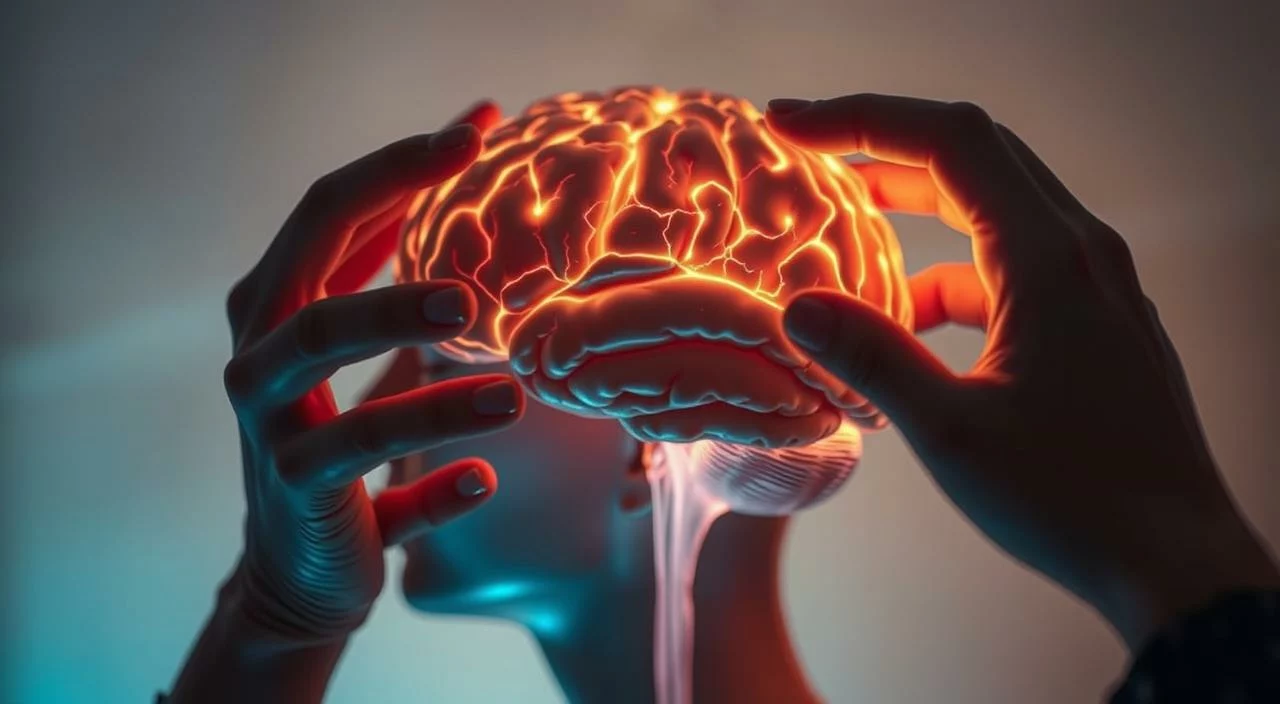
Hypnosis is a natural state of mind. It can change how we experience pain and improve our well-being. Studies show that it activates parts of the brain that relax and reduce stress. This can lead to experiencing less pain.
The mechanisms of action of hypnosis are complex. They involve the neuroscience of hypnosis , which studies how hypnosis affects the brain and behavior. The neuroscience of hypnosis shows that hypnosis can change how we process pain. This can decrease the intensity and frequency of pain.
Some of the main benefits of hypnosis include:
✅ Altered perception of pain
✅ Reduces stress and anxiety
✅ Improved quality of life
Altering pain perception is a major benefit of hypnosis. It can decrease the intensity and frequency of pain, improving patients' lives.
Types of pain that can be relieved by hypnosis.

Hypnosis helps with various types of pain. This includes chronic pain , acute pain , and psychological pain . Chronic pain is pain that lasts a long time. It can be caused by arthritis or fibromyalgia.
Acute pain is pain that doesn't last long. It can result from injuries or surgery. Psychological pain comes from mental health issues, such as anxiety or depression.
- Reduce the perception of pain.
- Reduce the need for medication.
- Helps manage withdrawal symptoms.
It's crucial to remember that hypnosis is not a substitute for medical treatment. However, it can be an extra help in managing pain.
Benefits of hypnosis in pain management

Hypnosis is a natural and safe alternative for pain relief. Its main benefits include:
✔️ Reduction of pain and discomfort
✔️ Improved sleep and relaxation
✔️ Reduced use of medication
✔️ Increased energy and well-being
Imagine a life with less pain and more quality! Hypnosis can make that possible.
Improved quality of life
Hypnosis improves patients' lives. They can do everyday things more easily. This includes:
- Reduction of pain and discomfort
- Improved sleep
- Increased energy and vitality
Reducing the use of medications
Hypnosis reduces the use of medication. This reduces side effects and improves health. It can be used in conjunction with other therapies, such as cognitive behavioral therapy.
Increased self-efficacy
Hypnosis increases patients' self-efficacy. They can better manage pain and improve their lives. This happens through learning self-hypnosis techniques and regular practice.
Hypnosis techniques used in pain management

Hypnosis is a powerful tool for managing pain. It uses techniques such as hypnotic suggestion , deep relaxation , and creative visualization . These techniques help to reduce pain and improve quality of life.
Some hypnosis techniques for pain management include:
- Hypnotic suggestion : uses positive suggestions to relax and focus.
- Deep relaxation : uses breathing exercises and muscle relaxation to unwind.
- Creative visualization: uses mental images to see positive outcomes.
These techniques can be used in conjunction with other forms of treatment, such as physiotherapy and medication. Hypnosis does not cure pain, but it can alleviate it. It helps to understand the body and control pain.
Studies and research on hypnosis and pain.

Hypnosis is being studied for its potential to treat pain. Studies on hypnosis and pain show that it can be effective. It improves the lives of those who suffer from chronic or acute pain.
Suzana, 46, had fibromyalgia. She hadn't been able to work as a seamstress for two years. After seven hypnosis sessions, she felt a great improvement.
Recent research results show that hypnosis changes the experience of pain. It creates new feelings and meanings. Documented success stories prove that hypnosis reduces pain.
Hypnosis is a process that changes the experience of pain. Research doesn't provide numbers, but it shows the importance of the therapeutic relationship and personal experience in pain.
How to find a qualified hypnosis professional.

It is essential to find a qualified hypnosis professional . This ensures the safety and success of the treatment. A qualified hypnosis professional should have training in hypnosis and experience with patients in pain.
Seeking a hypnotherapist who is a member of a professional organization is important. Having a good reputation is also crucial. Certifications and credentials demonstrate that the professional possesses the necessary skills.
To find a qualified hypnosis professional , consider the following points:
- Check the professional's certifications and credentials .
- Research the professional's experience with patients experiencing pain.
- Read reviews and testimonials from previous patients.
Considering these factors, you will find a qualified hypnosis professional . They will meet your needs and help you achieve your desired results. Remember, what you look for in a hypnotherapist is crucial for the safety and effectiveness of the treatment.
Tips for practicing self-hypnosis
Self-hypnosis helps improve concentration. It can be used to reduce pain and aid in weight loss. To begin, choose a quiet and comfortable place. Use self-hypnosis exercises and positive mantras and affirmations to reduce pain.
Some tips for practicing self-hypnosis include:
- Find a quiet and comfortable place.
- Use self-hypnosis exercises and positive mantras and affirmations.
- Practice self-hypnosis in the morning, after a good night's sleep.
- Keep a pain diary to track your progress.
Self-hypnosis has no contraindications. It can be used by anyone. With regular practice, you can experience less pain and improve your life.
Myths and truths about the use of hypnosis.
Is hypnosis mind control? ❌ Myth! You always remain in control.
Is hypnosis like sleeping? ❌ Myth! You remain conscious and focused.
⚕️ Is hypnosis recognized by healthcare professionals? ✅ True! Many doctors and psychologists use it.
Hypnosis helps you enter a state of deep relaxation . It does not control the mind. Demystifying hypnosis is essential for using this technique safely.
Demystifying hypnosis
Hypnosis helps in the treatment of many mental and physical problems. It is recognized by healthcare professionals.
What really happens during hypnosis?
In hypnosis, the person is fully awake. This disproves the idea that they are asleep.
How culture influences the perception of hypnosis.
Culture may change how we view hypnosis. But it's crucial to understand the myths and truths about hypnosis to have a clear understanding.
- Hypnosis can be used in various areas, such as pain management and stress reduction.
- Clinical hypnosis is safe when performed by qualified professionals.
- Hypnosis can be used as anesthesia, a process called hypnotic analgesia.
Conclusion: Transform your health with hypnosis!
Hypnosis can be a game-changer for those suffering from pain. It reduces medication use, improves well-being, and allows for a higher quality of life.
How about giving it a try?
Schedule a consultation with a hypnotherapist or start practicing self-hypnosis today!
If you want to live with less pain and a better quality of life, hypnosis may be the solution!
Source Links
- 5 Benefits of Hypnosis for Health Backed by Science - https://www.hipnose.com.br/blog/hipnose/beneficios-da-hipnose/
- Hypnosis as an Ally in Pain Relief – ISSN 1678-0817 Qualis B2 - https://revistaft.com.br/explorando-as-profundezas-da-mente-hipnose-como-aliada-no-alivio-da-dor/
- Pain management through hypnosis - https://super.abril.com.br/especiais/o-controle-da-dor-por-meio-da-hipnose
- Chronic headache and hypnosis: What does science say about it? | Head & Neck - https://www.headeneckfisioterapia.com.br/dor-de-cabeca-cronica-e-hipnose-o-que-a-ciencia-diz-sobre-isso/
- Hypnosis is linked to pain reduction and smoking cessation, but there are no miracle cures - https://www.uol.com.br/vivabem/noticias/redacao/2022/06/07/hipnose-pode-controlar-dor-e-ate-tabagismo-mas-nao-ha-curas-milagrosas.htm
- Experts tell you everything you need to know about hypnosis - https://g1.globo.com/fantastico/interatividade/noticia/2020/03/06/especialistas-contam-tudo-o-que-voce-precisa-saber-sobre-hipnose.ghtml
- The medicinal power of hypnosis - BBC News Brazil - https://www.bbc.com/portuguese/vert-fut-61762406
- Does hypnosis really alter brain function? - https://super.abril.com.br/especiais/a-hipnose-realmente-altera-o-funcionamento-do-cerebro
- Opioids: Understanding Their Effects, Risks, and Impact on Public Health - https://www.hipnose.com.br/blog/saude-fisica/medicamentos/opioides/
- PDF - https://www.aped-dor.org/images/revista_dor/pdf/2002_01.pdf
- Hypnosis helps with anxiety and chronic pain, but requires effort from the patient - https://www1.folha.uol.com.br/equilibrio/2023/02/hipnose-auxilia-na-ansiedade-e-dor-cronica-mas-exige-esforco-do-paciente.shtml
- 'Hypnosis Can Help Treat Anxiety and Control Fears and Pain' - Summus Publishing Group - https://www.gruposummus.com.br/blog/hipnose-pode-ajudar-a-tratar-ansiedade-ea-controlar-medos-e-dores/?srsltid=AfmBOopvvLOEFTiJ3Y8m8O5g4lHTfSBIHfoCdseERPuesUBCM6tm_OHT
- Hypnosis for Chronic Pain: Relief Without Medication! - https://lp.adolfoderner.com/blog/hipnose-para-dor-cronica-alivio-sem-medicamentos/
- Crefito5 - https://crefito5.org.br/noticia/hipnose-e-fisioterapia-aliadas-no-tratamento-da-dor
- Clinical hypnosis in the treatment of chronic pain - https://leilaauler.com.br/hipnose-clinica-no-tratamento-das-dores-cronicas/
- Self-hypnosis for pain management - https://www.hipnose.com.br/blog/hipnose/auto-hipnose-para-dor/
- Proposal for a clinical and qualitative study methodology - http://pepsic.bvsalud.org/scielo.php?script=sci_arttext&pid=S1413-82712009000200009
- Hypnosis and pain: a proposed clinical and qualitative study methodology - https://www.scielo.br/j/pusf/a/Cjgq6j6bhydqC7JvNRvsWBf/?lang=pt
- Hypnosis: How it can help your life - https://super.abril.com.br/saude/hipnose-como-ela-pode-ajudar-na-sua-vida
- Everything You Need to Know About Hypnotherapy - https://www.clinicaquartzo.com.br/hipnoterapia-tudo-que-voce-precisa-saber-sobre-hipnoterapia
- Self-Hypnosis – A Practical Guide to Entering a Trance Alone - https://super.abril.com.br/especiais/auto-hipnose-guia-pratico
- Can hypnosis help control pain? - https://institutohipnoserp.com/a-hipnose-pode-ajudar-no-controle-da-dor/
- Myths and Truths about Hypnosis: Unveiling the Unexplored - https://www.hipnose.com.br/blog/hipnose/mitos-e-verdades-sobre-hipnose/
- Does hypnosis work or is it a trick? Understand what it is, its benefits and risks - https://www.uol.com.br/vivabem/noticias/redacao/2022/09/08/o-que-e-mito-ou-verdade-sobre-a-hipnose.htm
- SBPNL | Neuro-Linguistic Programming Courses and Training - https://pnl.com.br/hipnose-mitos-verdades-e-como-essa-tecnica-pode-te-ajudar/
- Pain Management: Discover the Best Options and Solutions - https://www.hipnose.com.br/blog/saude-fisica/tratamentos/tratamento-da-dor/
- Hypnosis can be an ally against pain and psychosomatic illnesses - https://www.em.com.br/app/noticia/bem-viver/2019/11/01/interna_bem_viver,1096953/hipnose-pode-ser-aliada-contra-dores-e-doencas-psicossomaticas.shtml
🌟 Have you considered seeking a therapist to support your well-being journey?
If this article sparked reflections about positive changes in your life, perhaps now is the ideal time to take the next step. Do you know hypnosis as a therapeutic tool? This approach can be surprisingly effective for various personal challenges.
Special offer: Book a free 20-minute consultation with therapist Fabio Morus and discover how therapy can transform your life.
✨ No commitment — Completely free — 20 minutes that can make a difference
👉 Click here to book your free consultation
Don't postpone your well-being any longer. The first step to change is just one click away.