

Have you ever felt your heart race at the first clap of thunder? For many people, this sound is not just a natural phenomenon, but a trigger for intense anxiety . Aversion to storms can transform ordinary days into moments of tension, limiting activities and affecting quality of life.
Anyone who experiences this condition knows how panic arises even when rain is forecast. The mind anticipates the discomfort, the body reacts with sweating or trembling, and the urge is to hide. But what if you discovered strategies to reduce these reactions and regain tranquility?
In this guide, I will share practical methods that can help you cope with these moments. You will understand how anxiety manifests itself, learn to identify physical and emotional signs, and discover techniques to create a sense of security—even when the sky seems to be falling.
Introduction to the Fear of Thunder (Phobia)

Have you ever noticed how your body reacts even before the first lightning strike? Sweaty palms, tense muscles, and an urgent need to find shelter—these are common responses for those facing this specific type of anxiety. The intensity varies, but in extreme cases, even a simple weather forecast can trigger crises that completely disrupt daily life.
When imagined danger becomes real.
In critical situations—such as being isolated during severe storms—the brain activates primitive defense mechanisms. The table below shows how common reactions are amplified:
| Situation | Normal Reaction | Intense Reaction |
|---|---|---|
| Night storm | Temporary discomfort | Insomnia and panic attacks |
| Driving in the rain | Drive carefully | Paralysis and the need to stop the vehicle. |
| Weather forecast | Routine planning | Cancellation of appointments |
The invisible cost of constant fear.
Reports show that 62% of patients with this condition avoid travel or social events during rainy seasons. Progressive isolation can lead to emotional exhaustion—many develop extreme strategies, such as using sleeping pills during storms.
Recognizing these patterns is crucial. When protection becomes a limitation, seeking specialized support becomes key to regaining autonomy and rediscovering the lightness in the small things of everyday life.
What is the fear of thunder phobia?

Did you know that the fear during storms has a scientific name? Astraphobia — the technical term for this condition — is recognized as a specific anxiety disorder. Unlike the common fright caused by loud noises, here the body enters a state of maximum alert even without real danger.
Definition and main characteristics
This type of anxiety manifests itself through intense physical and emotional responses. The nervous system interprets thunder as immediate threats, releasing excess adrenaline. Common symptoms include:
- Rapid heartbeat
- Sweating in the hands and feet
- Difficulty in thinking clearly.
Severe cases can lead to full-blown panic attacks, where the person seeks immediate refuge — even in safe situations inside their home.
Differences compared to other phobias
While social or animal fears arise in various contexts, this condition is directly linked to weather phenomena. A unique characteristic is anxious anticipation : many patients obsessively monitor weather forecasts, altering routines for days before any rain.
Another distinctive aspect is the immediate physical response to specific sounds — such as the rumble of thunder — which does not occur with the same intensity in other disorders.
Causes and Contributing Factors
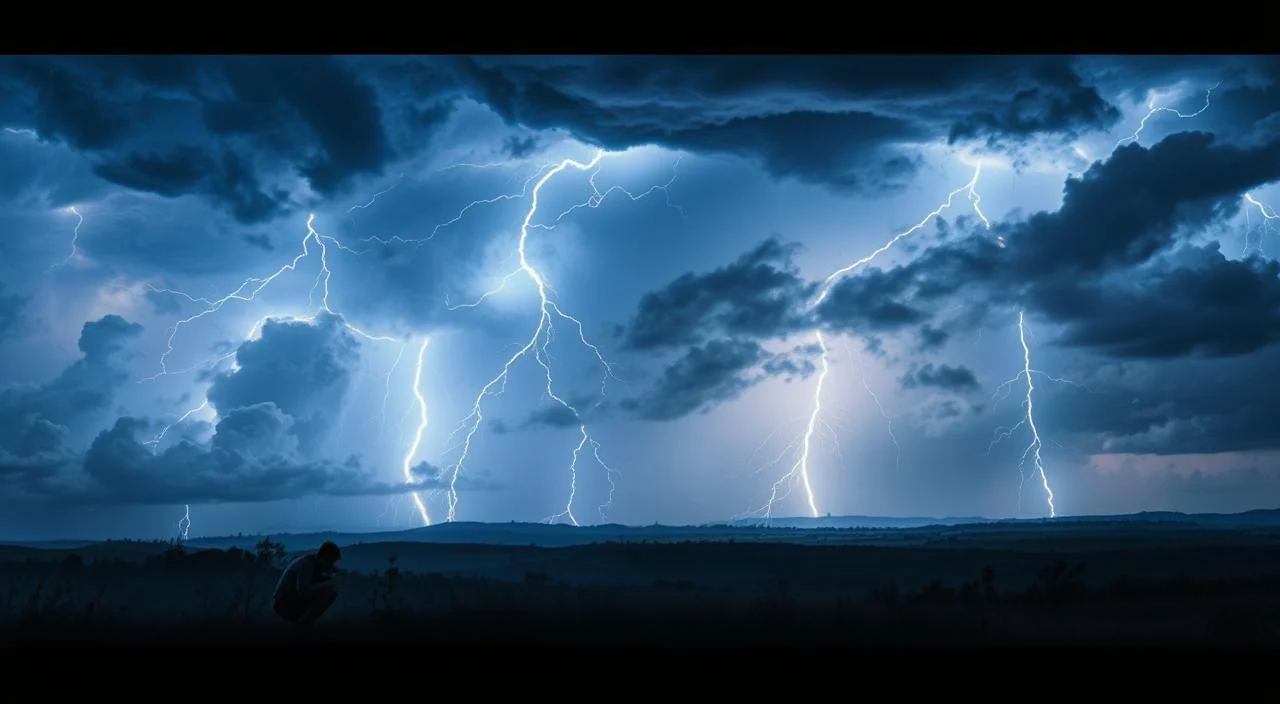
Have you ever wondered why some people react so intensely to the sounds of storms? The origins of this condition are like pieces of a puzzle—each individual experience and characteristic helps to form the complete picture.
DNA and the environment in action.
Studies indicate that 40% of cases are linked to hereditary predispositions. If close relatives have generalized anxiety, the likelihood of developing intense reactions increases. But genes are not destiny: the social context shapes how these tendencies manifest.
| Factor | Degree of Influence | Common Manifestations |
|---|---|---|
| Genetics | Moderate to High | Neurological sensitivity to noise |
| Childhood experiences | High | Memories of traumatic events |
| Family environment | Critical | Modeling anxious behaviors |
Marks that time cannot erase.
Reports show that 68% of adults with this condition had critical experiences before the age of 12. A simple scare during a storm—such as being without power for hours—can create mental connections between thunderstorms and imminent danger.
Children who have witnessed property damage or heard dramatic stories about lightning tend to develop exaggerated responses. The limbic system registers these events as real threats, activating defense mechanisms even decades later.
Symptoms and Impact on Daily Life

Have you ever wondered how your body and mind react when the sky darkens? The symptoms go beyond momentary discomfort—they create a chain of reactions that alter routines and relationships. Understanding this process is the first step in breaking limiting patterns.
Physical and emotional reactions during storms
The body goes into high alert mode as soon as the first lightning strike appears. A racing heart and trembling hands are common, but there are other effects:
| Physical Symptom | Emotional Symptom | Average Duration |
|---|---|---|
| Gasping for breath | Intense panic | 20-40 minutes |
| Excessive sweating | Feeling of being out of control | Up to 2 hours |
| Muscle tension | Fear of imminent harm | Variable |
These responses create a cycle: the more one anticipates the next storm, the greater the intensity of the symptoms . Many report nausea or dizziness even in safe environments, such as rooms with closed windows.
Social and well-being consequences
The impact goes beyond the critical moment. See how this is reflected in everyday life:
| Affected Area | Practical Example | Frequency |
|---|---|---|
| Social life | Cancel appointments 3 days before rain. | 78% of cases |
| Professional | Difficulty concentrating at work | 62% |
| Relationships | Discussions due to differing perceptions. | 54% |
Isolation and family tensions are frequent. The feeling of being misunderstood worsens when others fail to recognize the seriousness of the reactions. Many even avoid short trips, limiting important experiences and connections.
Strategies for Coping with Anxiety During Storms
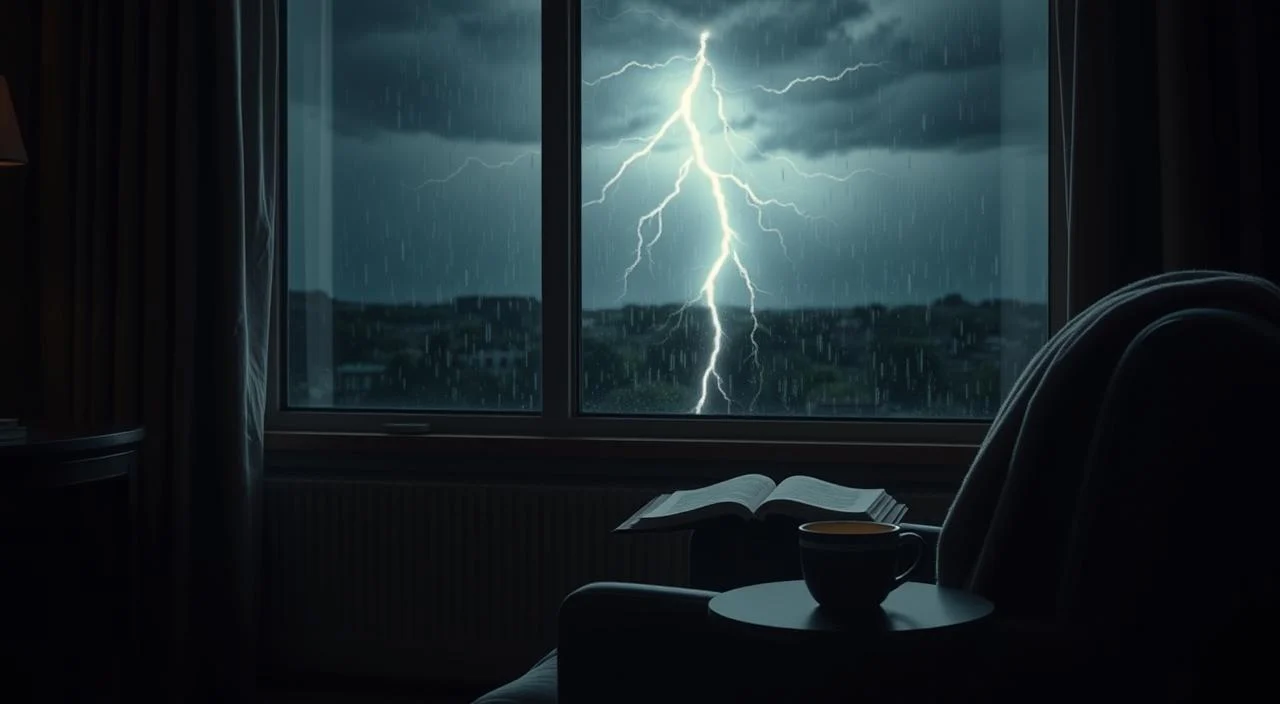
How can you transform moments of tension into opportunities for self-control? The key lies in combining practical preparation with adaptable techniques . Let's explore methods that create physical and emotional security, even when the storm seems uncontrollable.
Identifying the triggers of fear
Each person reacts differently to the elements of storms. Observe the patterns:
| Common Trigger | Physical Signal | Neutralizing Action |
|---|---|---|
| Sound of thunder | Trembling hands | Noise-canceling headphones |
| Flashes of lightning | Rapid breathing | Blackout curtains |
| Weather forecast | Previous insomnia | Check limit (2x/day) |
Tips for managing anxiety
Create a personalized emotional toolbox . Include:
- Playlist with calming sounds
- 4-7-8 Breathing Exercises
- List of quick manual activities
These resources can help break the panic cycle. Try different combinations on calm days to identify what works best for you.
Practical examples from everyday life.
Transform your space into a strategic retreat:
| Moment | Action | Result |
|---|---|---|
| Pre-storm | Prepare a distraction kit. | Reducing anticipatory anxiety |
| During lightning | Focus on counting blue objects. | Redirecting attention |
| Post-temporal | Emotional journal entry | Progress monitoring |
These coping strategies create a predictable structure. With consistent practice, the body learns to respond more calmly, even in extreme situations.
Relaxation and Deep Breathing Techniques
Imagine finding calm even during an intense storm. Emotional control techniques transform automatic reactions into conscious choices. With regular practice, it's possible to reprogram physical responses and create anchors of internal safety.
Connecting body and mind
Begin with grounding exercises: press your feet into the ground while inhaling for 4 seconds. Hold your breath for 7 seconds and exhale slowly for 8. This deep breathing activates the parasympathetic nervous system, reducing heart rate by 30% according to studies.
For critical moments, try the 5-3-2 technique:
- 5 things you see
- 3 sounds you hear
- 2 physical sensations
Turning theory into action
Incorporate relaxation techniques into your daily routine. Use apps with natural sounds while showering or do gentle stretches when you wake up. These habits prepare the body to react with more balance in challenging situations.
Here's a practical tip: record short audio clips with breathing instructions. Listening to them during stressful events helps maintain focus on the present, preventing spirals of anxiety.
🌟 Have you considered seeking a therapist to support your well-being journey?
If this article sparked reflections about positive changes in your life, perhaps now is the ideal time to take the next step. Do you know hypnosis as a therapeutic tool? This approach can be surprisingly effective for various personal challenges.
Special offer: Book a free 20-minute consultation with therapist Fabio Morus and discover how therapy can transform your life.
✨ No commitment — Completely free — 20 minutes that can make a difference
👉 Click here to book your free consultation
Don't postpone your well-being any longer. The first step to change is just one click away.