
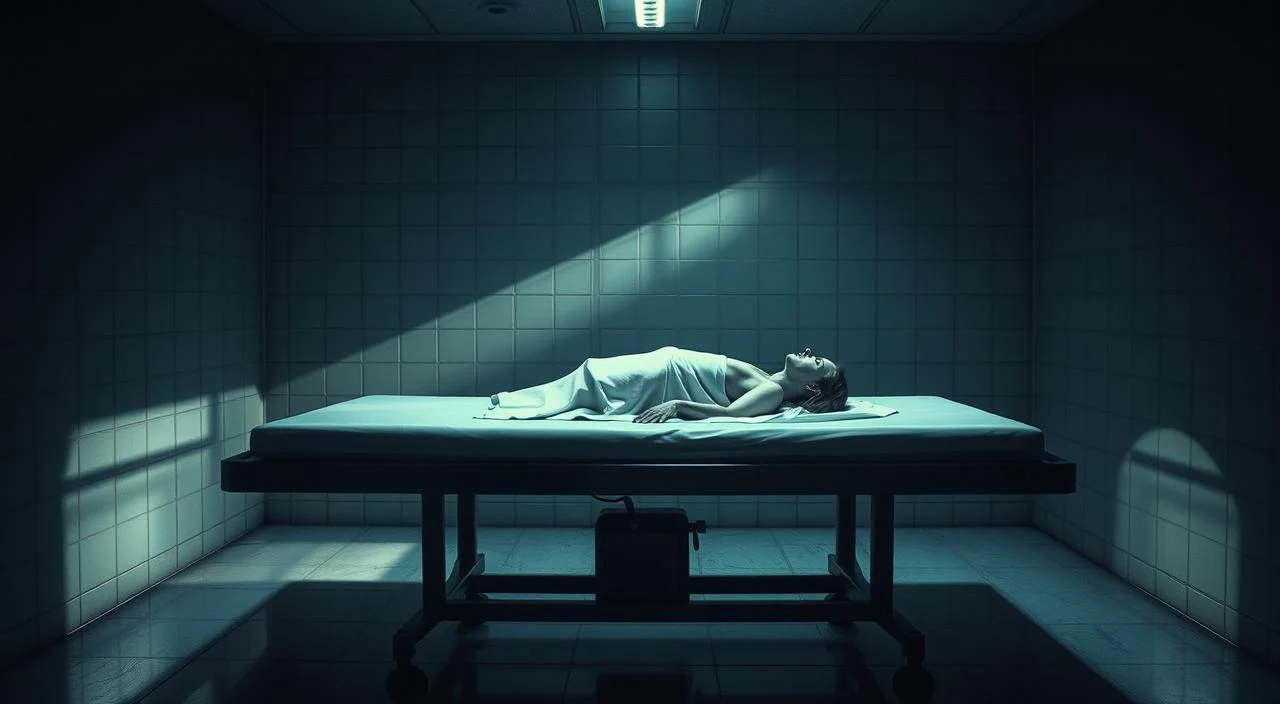
The fear of corpses, or necrophobia , is a silent battle. Many feel paralyzed when thinking about death. This fear can affect their relationships and mental health.
Luckily, there is treatment for this fear. I'm going to show you how to overcome the fear of corpses. That way, you'll regain the confidence to live without fear.
What is corpse fear?
https://www.youtube.com/watch?v=TXhkTQ7iFOE
The fear of corpses is a phobia that causes people to be afraid of dead bodies. This can cause a great deal of fear and make it difficult to accept death. The definition of fear of corpses shows that it is more than just a fear of the unknown. It is a natural reaction that we all feel when we think about death.
Definition of the term
The fear of corpses is a phobia that causes people to panic about death. They may avoid funerals and cemeteries. This shows how this fear affects daily life.
Causes and origins of fear
The causes of fear of corpses vary widely. Some people are afraid because of traumatic experiences , such as the death of a loved one. Cultural and social influences also play a large role. They shape how we view death and how we react to it.
Symptoms of fear of corpses

The symptoms of a fear of corpses affect the lives of those who have this fear. It's important to know how it manifests. This helps in understanding and coping with the fear.
Physical manifestations
Physical manifestations include:
- Uncontrollable tremors;
- Excessive sweating;
- Rapid heartbeats;
- Hyperventilation.
Emotional manifestations
In emotional terms, people feel:
- Exacerbated anxiety;
- Feeling of loss of control;
- Avoidance behaviors, where a person flees from situations associated with fear.
These symptoms affect not only the person, but also their relationships. Understanding these signs is an important step. This helps in finding ways to overcome the fear.
Factors that contribute to fear
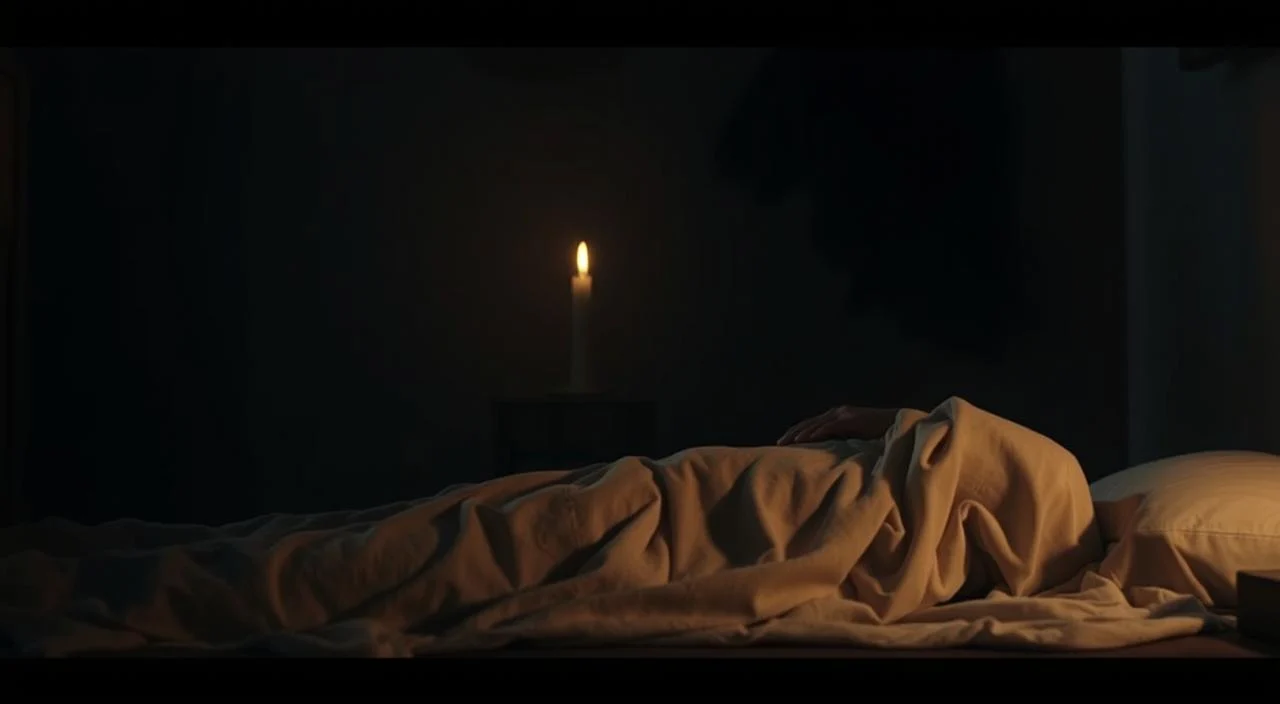
The fear of corpses is complex. Many elements influence our view of death. Traumatic experiences are a major factor. Each story is unique, showing how each person experiences this fear.
Traumatic experiences
Losing someone close can greatly increase the fear of corpses. Events such as accidents or serious illnesses leave lasting marks. These situations create a strong connection with death, increasing the fear.
Cultural and social influences
The way we view death varies greatly across cultures. In some places, death is celebrated. In others, it's taboo. The media and family traditions also have a significant impact.
How society views death affects our fears. This shows that the fear of corpses stems from personal experiences and social norms.
How fear of corpses can affect life.
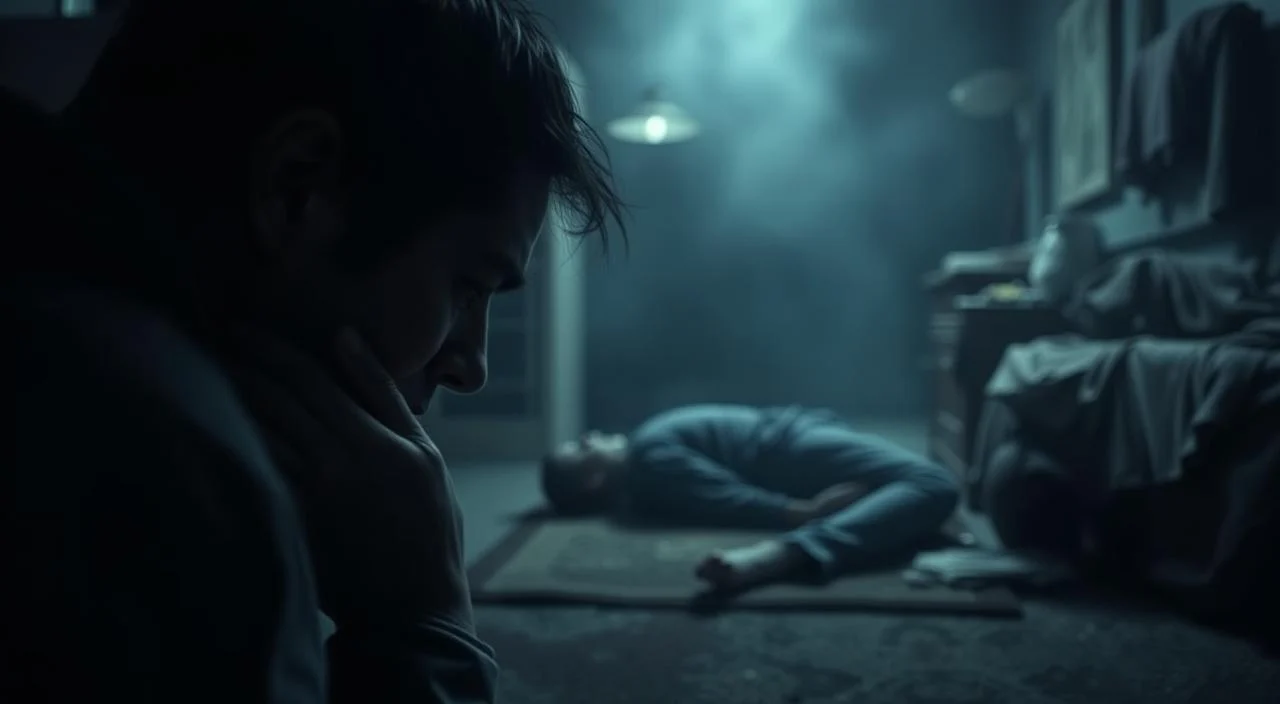
Fear of corpses can drastically change someone's life. It affects social relationships and mental health. People with this fear often avoid situations that involve death.
This can cause them to isolate themselves. This harms their relationships with friends and family.
Impact on personal relationships
Fear of corpses can create distance in relationships. Those who avoid talking about death may seem insensitive. This can cause hurt feelings and resentment.
These grievances weaken the support of friends and family.
Effects on mental health
The effects on mental health can be serious. Fear can lead to depression and anxiety. This makes daily life very difficult.
The impact of corpse fear on life creates a vicious cycle. The person feels more anxious and depressed when dealing with their emotions.
Strategies for overcoming fear
Overcoming the fear of corpses is a challenge. But there are several tools and approaches that can help. Relaxation and mindfulness techniques are effective. They help to deal with fear and anxiety in a healthy way.
Relaxation techniques
Relaxation techniques are essential for those who suffer from anxiety. Methods such as:
- Deep breathing : calms the mind and body.
- Meditation : helps to focus and relieves tension.
- Yoga : unites movement and breath, bringing balance.
These practices create a safe space to deal with thoughts and emotions. With practice, it is possible to overcome the fear of corpses effectively.
Mindfulness practices
Mindfulness practices help you be present in the moment. This allows you to recognize and accept emotions without judgment. This can be done through:
- Mindfulness exercises : focusing on breathing or bodily sensations.
- Observing your thoughts : recognizing your fears without clinging to them.
These practices reduce the intensity of fear. They facilitate the processing of experiences related to death. By using relaxation and mindfulness, facing the fear of corpses becomes easier.
Recommended therapies
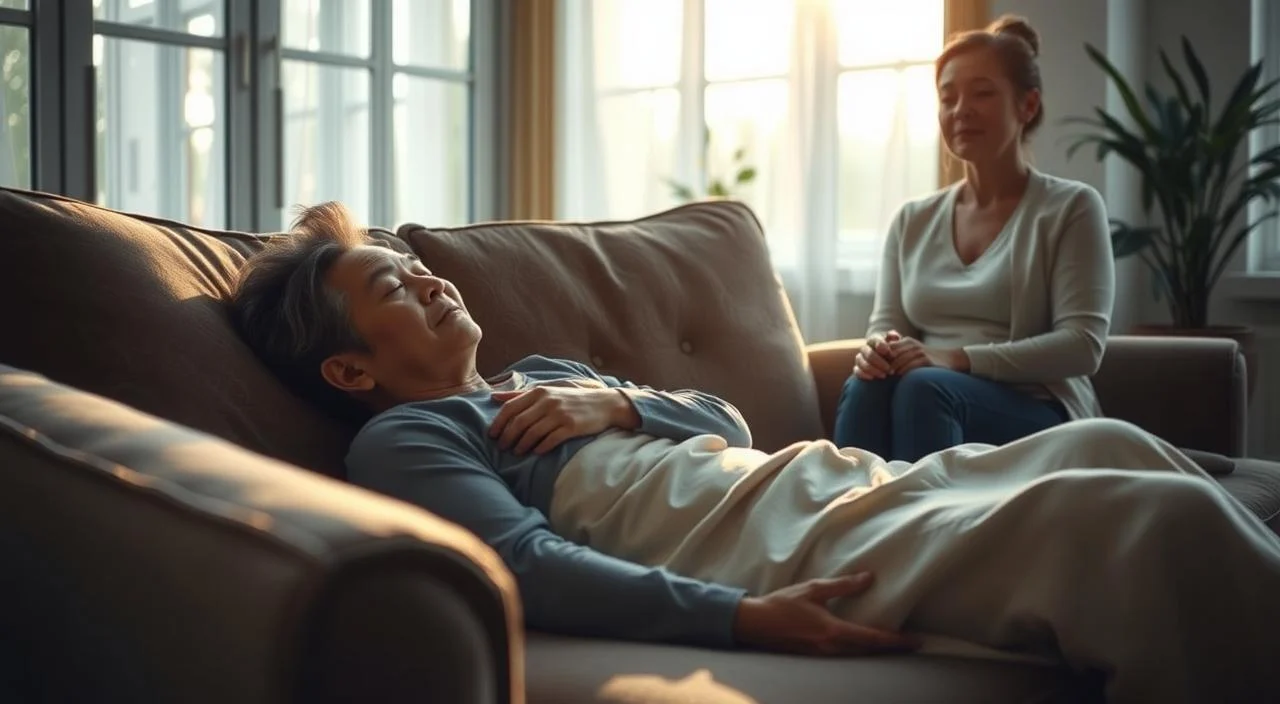
Overcoming the fear of corpses is a major challenge. However, there are therapies that can be very helpful. Psychotherapy is one of them. It includes cognitive-behavioral therapy and exposure therapy.
These therapies are great for overcoming fear. They help you see death in a different way. This is essential for dealing with fear.
Cognitive-behavioral psychotherapy
Cognitive behavioral therapy (CBT) is very helpful in combating the fear of corpses. It focuses on changing thoughts that fuel the fear. Patients learn to cope with their anxieties.
This therapy isn't just about feeling better. It helps you understand and overcome fear.
Exposure therapy
Exposure therapy is another effective option. It helps the patient confront their fear gradually. This is done in a safe place.
Through therapy, the patient gradually becomes accustomed to the fear. This can change the way they view death.
| Type of Therapy | Focus | Objectives |
|---|---|---|
| Cognitive-Behavioral Psychotherapy | Restructuring thoughts | Changing distorted beliefs |
| Exposure Therapy | Gradual confrontation of fear | Desensitization and re-signification |
The importance of acceptance

Accepting the fear of corpses is an important step. It doesn't mean you'll give in to despair. It's about recognizing the natural cycle of life.
This allows you to live your life more fully.
Acceptance as part of the process
To accept it, you need to confront your feelings about death. This might involve talking about it, thinking about what death means to you. Understanding that we will all die helps to lessen the fear.
This opens up space for a richer and more authentic life.
Benefits of acceptance
Acceptance brings many benefits. It reduces anxiety and allows you to live with more joy. You begin to value the present moment.
Resources and support communities

Seeking support is an essential step in overcoming the fear of corpses. There are many resources available, such as support groups and books. These materials can help you better understand the subject.
Sharing experiences in supportive communities is very important. It creates a safe space to learn and grow with others.
Support groups
Participating in support groups is very beneficial. You hear stories from people who are facing the same problem. You can also share your own experiences.
Some groups meet in person, others online. This makes access easier. You find people who understand your struggles and exchange useful information.
Recommended books and materials
Reading books helps to better understand the fear of death. There are works that discuss grief and death in an accessible way. I recommend books that offer practical and reflective perspectives.
| Title | Author | Description |
|---|---|---|
| Death is a Day Worth Living | Anna Claudia Ramos | An invitation to reflect on life and death in a light and welcoming way. |
| When the Body Speaks | Geraldo Delecroix | It explores how fear manifests in our bodies and how understanding this is crucial for self-care. |
| What to do with death? | Eliane Brum | A deep analysis of how society deals with death and what that means for us. |
Investing time in resources for dealing with fear of corpses is very beneficial. This can be through reading or participating in support communities . Educating oneself about mortality helps transform one's relationship with death.
The role of education in overcoming
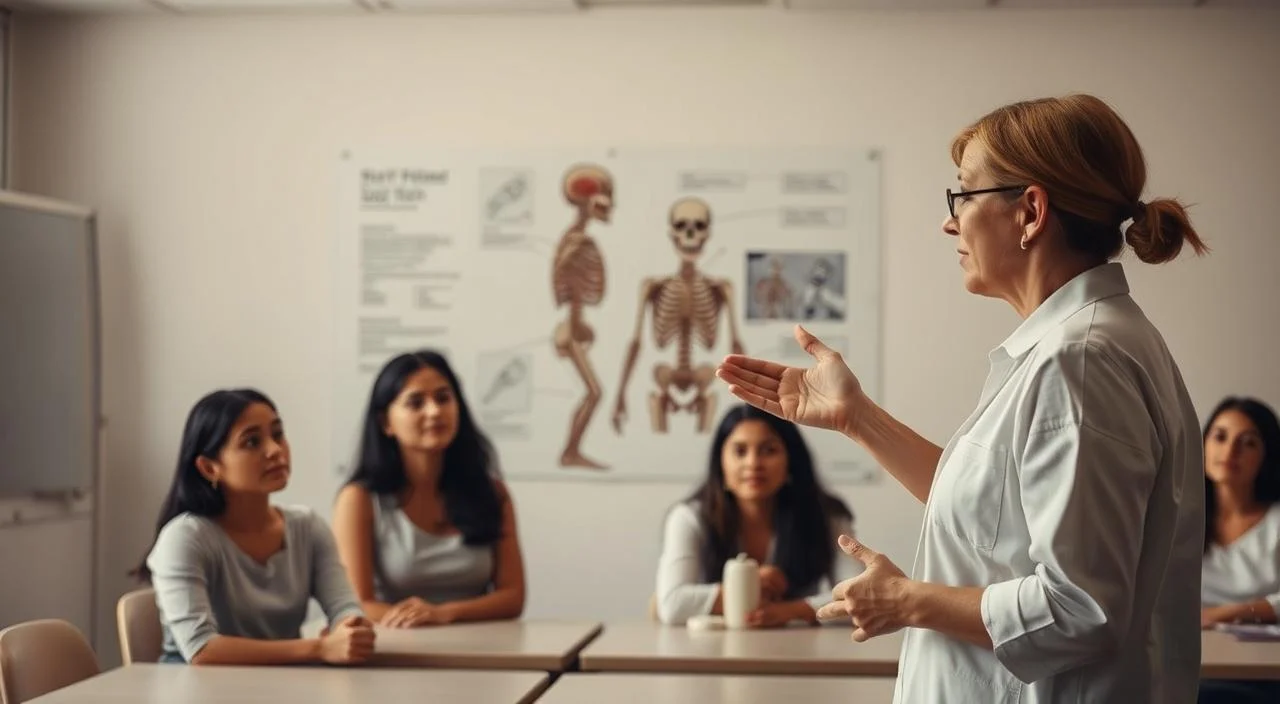
Education greatly helps in combating the fear of corpses. Knowing more about death and grief reduces fear. It teaches us to deal better with difficult situations.
With education about the fear of corpses , we see death in a different way. This brings us peace and understanding.
Information about death and bereavement.
Understanding death and grief makes it less painful. Education shows that grief is normal and unique to each individual. Knowing the stages of grief helps to face the fear.
Demystifying the topic
Demystifying death comes from talking openly about it. This reduces fear and increases interest. Scientific and emotional education prepares us for a dignified death.
It's important to have a safe place to talk about these things. That way, we can learn from each other's experiences.
| Aspects | Description |
|---|---|
| Education | It promotes knowledge and understanding about death and grief. |
| Information | It demystifies the grieving process and the stages of death. |
| Demystification | It fosters open conversations and reduces social stigma. |
| Sharing | It facilitates the exchange of experiences and solutions found. |
When to seek professional help
Recognizing when to seek professional help is an important step. It's essential to observe the signs of controlling your fear . If fear is affecting your life, it's time to seek professional help for cadaver phobia .
Signs that fear is controlling your life.
Certain behaviors and emotional reactions can indicate that fear is taking over. Here are some signs:
- Avoiding conversations or situations that involve death.
- Feelings of distress when thinking about death or corpses.
- Insomnia or nightmares related to the topic.
- Social isolation and difficulty participating in public events.
- Difficulty performing daily activities due to fear.
Available professional options
There are several professional options available to help. Consulting a specialist can be very useful. The main categories include:
| Professional | Description |
|---|---|
| Psychologist | It offers emotional support and develops coping strategies. |
| Psychiatrist | He has medical training and can prescribe medication if necessary. |
| Occupational therapist | It helps to regain functionality in daily activities. |
Seeking help is an important step in regaining control. It helps to confront fear in a healthy way.
Stories of overcoming adversity.
Overcoming the fear of corpses is a personal journey. Many have faced this. Sharing these stories can inspire others to confront their fears.
The testimonies show how vulnerability can be transformed into strength. This happens through effective techniques .
Inspiring testimonials
Many people share their stories of overcoming adversity. They use diaries to record their emotions and achievements. These accounts are valuable.
The stories show how to confront fear directly. They highlight the support of groups and the importance of therapy, such as CBT. The emotional transformation is real, bringing freedom and peace.
Examples of effective techniques
Effective techniques include:
- Cognitive Behavioral Therapy (CBT) : Helps to change negative thoughts about death.
- Exposure Therapy : Confronts fear gradually, teaching how to cope with anxiety.
- Mindfulness practices : Focusing on the present reduces worry about the future and death.
These experiences and methods are fundamental to stories of overcoming adversity. They show that the fear of corpses does not control life. With persistence and the right techniques, pain transforms into learning. Thus, people live full and meaningful lives.
Mental health care
Self-care is very important for mental health. For those who have a fear of corpses, taking care of oneself helps a lot. This can turn difficult situations into moments of learning and understanding.
Adopting self-care routines helps maintain a balanced mind. This makes people emotionally stronger.
The importance of self-care.
Practicing self-care is essential for mental health. This includes:
- Regular physical exercise
- Healthy eating
- Get enough sleep
- Practice relaxing activities, such as meditation and reading.
These actions strengthen emotional resilience. Therefore, people are better able to cope with the fear of corpses.
Maintaining emotional well-being.
To maintain emotional well-being, it's important to be mindful. If fear of corpses is affecting your life, it's crucial to take care of your emotions. Some strategies include:
- Identifying and expressing emotions constructively.
- Establish a daily self-care routine.
- Seek social support from friends and family.
Investing in mental health care alleviates anxiety. It also encourages a healthier lifestyle.
Tips for dealing with challenging situations
Facing death can be very difficult. Preparing helps a lot. Having a plan and support is crucial.
Having a plan helps control fear. Think about how you will react. This way, you feel safer.
Having friends and family by your side is essential. Sharing feelings eases the emotional burden. This creates a safe space to talk about fear.
Final thoughts on the fear of corpses.
Finally, it's important to revisit what we've learned about the fear of corpses. Death is a taboo that causes a lot of distress. But by talking about it openly, we can understand that it's part of life.
This reflection helps us to see death as a natural end. This brings us hope and a new meaning to life.
Review of learning experiences
Reviewing what we've learned helps us see our progress. We discussed everything from the signs of fear to ways to overcome it. Understanding that fear can be motivating is crucial.
Facing challenges helps us change our perspective on death. This makes us live more intensely.
A message of hope and encouragement.
Share the message that fear of corpses isn't the end. There's always a path to growth and self-discovery. The support of professionals and friends is very important.
Viewing death as part of life gives us hope. Living life to the fullest is the best legacy we can leave behind.
🌟 Have you considered seeking a therapist to support your well-being journey?
If this article sparked reflections about positive changes in your life, perhaps now is the ideal time to take the next step. Do you know hypnosis as a therapeutic tool? This approach can be surprisingly effective for various personal challenges.
Special offer: Book a free 20-minute consultation with therapist Fabio Morus and discover how therapy can transform your life.
✨ No commitment — Completely free — 20 minutes that can make a difference
👉 Click here to book your free consultation
Don't postpone your well-being any longer. The first step to change is just one click away.