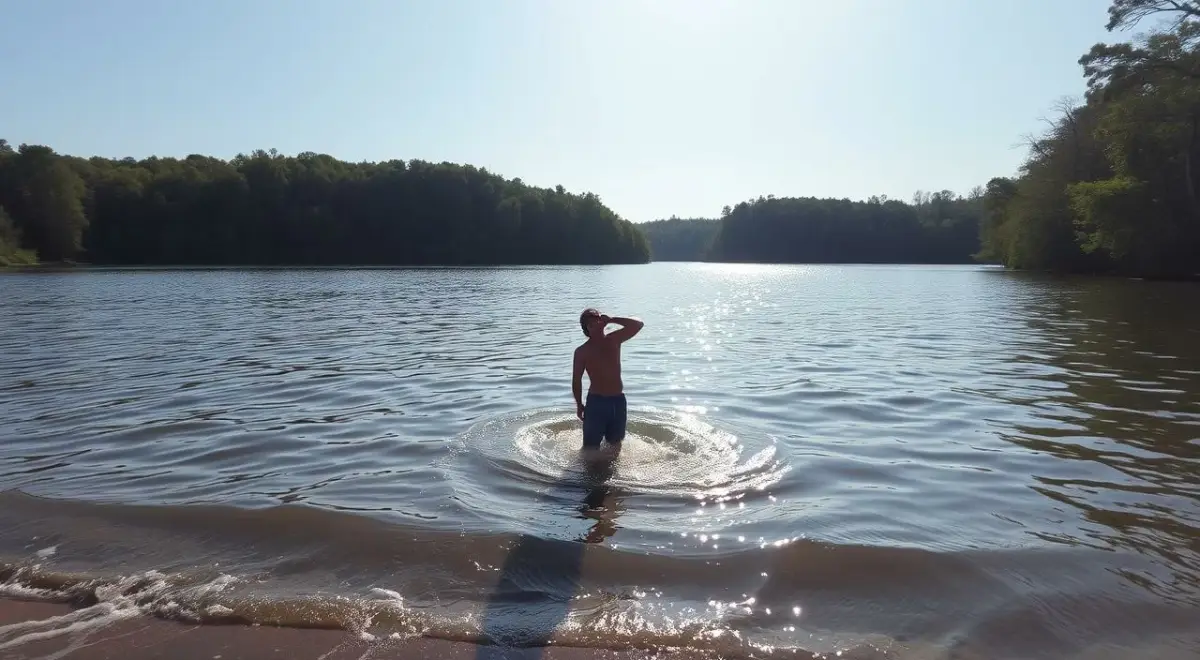

Do you get chills just thinking about going into the water? Hydrophobia , or fear of water , can turn leisure time into real emotional challenges. Many people suffer from this condition, which limits experiences and restricts their connection with aquatic environments.
As a personal development specialist, I can assure you that overcoming the fear of water is possible. In this article, I will share 5 practical steps to help you conquer your phobia of water and rediscover the joy of being near aquatic environments.
Hydrophobia doesn't have to control your life. Every little step counts and can completely transform your relationship with water.
Key Points
- Understanding the origin of the fear of water
- Identify specific emotional triggers.
- Develop strategies for gradual coping.
- Practice relaxation techniques
- Seek professional help when needed.
Understand the Origin of Your Fear
https://www.youtube.com/watch?v=vDS5WshQtHEUnderstanding the fear of water is essential to overcoming it. The fear of water can be very strong. It greatly affects people's lives.
Difference Between Normal Fear and Phobia of Water
Fear of water varies greatly. Some feel mild discomfort. Others have a very strong anxiety disorder .
- Normal fear: A momentary feeling of insecurity.
- Water phobia : Persistent and disproportionate fear.
- Intense reactions that prevent daily activities.
Impacts on Quality of Life
The symptoms of hydrophobia can severely limit life. They create barriers in daily life.
| Affected Area | Impact |
|---|---|
| Leisure | Avoid beaches, swimming pools, and water activities. |
| Work | Restrictions on jobs involving proximity to water. |
| Social Relations | Isolation and embarrassment |
Main Signs and Symptoms
Fear of water causes physical and emotional symptoms. Some examples are:
- Tachycardia
- Excessive sweating
- Tremors
- Difficulty breathing
- Feeling of panic
Recognizing these signs is the first step. It's about seeking professional help and starting to overcome the fear.
Common Causes and Triggers of Fear of Water

Hydrophobia , or fear of water, can manifest in many ways. Each person has their own reasons for having this fear. And these reasons are not always easy to understand.
Some common reasons for fear of water include:
- Previous traumatic experiences with water
- Family history of anxiety disorders
- Witnessing accidents or frightening situations involving water.
- Genetic and neurobiological predispositions
The causes of fear of water vary widely. Research shows that fear of natural environments, such as water, is common. This includes oceans and lakes.
Specific triggers for fear of water can be:
- View of oceans or deep lakes
- Images from films with dramatic underwater scenes.
- Memories of past negative experiences
- A feeling of loss of control near large bodies of water.
Every case of hydrophobia is unique. Knowing what triggers your fear can help you overcome it.
Physical and Emotional Manifestations of Fear of Water

Fear of water affects the body and mind in various ways. Understanding these manifestations is important for dealing with water avoidance disorder .
Physical Symptoms of Anxiety
When a person comes into contact with water, they experience many physical symptoms. These include:
- Rapid tachycardia
- Uncontrollable tremors
- Excessive sweating
- Difficulty breathing
- Nausea and dizziness
Frequent Emotional Reactions
The emotional reactions in water avoidance disorder are very strong. They can cause:
- Intense and irrational fear
- Uncontrollable feeling of panic
- Emotional block
- Extreme anxiety
- Feeling vulnerable
Avoidance Behaviors
People who are afraid of water avoid aquatic situations. They do things like:
- Refusing invitations to beaches and swimming pools.
- Avoid long baths.
- Avoiding nautical activities
- Making excuses to avoid going near aquatic environments.
Recognizing these symptoms is the first step in overcoming panic . Seeking appropriate treatment is essential.
The Role of Cognitive-Behavioral Therapy
Cognitive behavioral therapy is very effective against hydrophobia. It helps people change the thoughts that cause them to fear water.
The main benefits are:
- Identifying negative thoughts about water
- Developing strategies to cope with fear.
- Revisiting traumatic experiences
- Increase confidence
Cognitive behavioral therapy is like a guide to overcoming fear . The therapist helps the patient change limiting beliefs. They work together to create new ways of reacting emotionally.
| Step | Objective | Techniques |
|---|---|---|
| Diagnosis | Understanding fear | Interviews and psychological assessment |
| Intervention | Change thoughts | Cognitive restructuring |
| Exhibition | Reduce anxiety | Systematic desensitization |
Studies show that 70% of people with phobias improve significantly with this therapy. It is personalized for each individual, ensuring safe and effective treatment.
Systematic Desensitization Techniques

Systematic desensitization is a powerful way to deal with deep-seated fears. It was created in the 1950s. This technique helps to overcome water-related traumas in a structured way.
- Control anxiety with relaxation exercises.
- Gradual exposure to the feared stimulus
- Positive visualization techniques
Gradual Exposure
In the therapeutic immersion , we create a personalized fear ladder . You confront water-related situations, starting with the least intimidating ones.
Relaxation Exercises
Breathing and muscle relaxation techniques help manage anxiety. They maintain emotional control and reduce the physical symptoms of fear.
Positive Visualization
Visualizing positive experiences with water can change your perceptions. Imagining yourself calm and safe in aquatic settings helps create new neural connections.
| Step | Description | Objective |
|---|---|---|
| 1. Relaxation | Breathing and meditation techniques | Reduce anxiety |
| 2. Hierarchy | Classify situations from least to most intense. | Structuring an exhibition |
| 3. Exhibition | Progressive encounters with water | Desensitization |
With patience and professional help, systematic desensitization can change your relationship with water. It offers a real chance for improvement.
Hypnotherapy as a Treatment Tool

Hypnosis for hydrophobia is a new form of treatment. It helps those who are afraid of water. About 10-20% of people have some type of phobia.
In a hypnotherapy session, the therapist helps the patient access their subconscious. There, we work on the roots of the fear. The technique allows:
- Identifying the original triggers of fear.
- Reprogramming negative emotional responses
- Develop coping strategies
- Reconstructing memories associated with water.
Hypnotherapy aims to reframe traumatic experiences, allowing for a new interpretation of the aquatic environment. The process is gradual and personalized. We respect each person's pace.
| Benefits of Hypnotherapy | Expected Results |
|---|---|
| Reducing anxiety | Greater emotional control |
| Reframing fear | Increased confidence |
| Controlled exposure | Gradual overcoming of phobia |
The technique is recognized by federal psychology boards. It offers a safe and effective treatment for hydrophobia.
Self-Help and Coping Strategies
To overcome hydrophobia, several approaches are needed. This includes professional treatment and self-help techniques. The use of hypnosis can help, along with personal strategies that increase your emotional strength.
Breathing Techniques for Emotional Control
Deep breathing is very helpful in controlling the fear of water. Here's how to do it:
- Diaphragmatic breathing: inhale through your nose for 4 seconds.
- Slow exhalation through the mouth for 6 seconds.
- Repeat the cycle 5-6 times consecutively.
Mindfulness Practices
Mindfulness reduces anxiety about water. Try it:
- Guided meditation focused on bodily sensations.
- Exercises in present moment awareness
- Positive visualization of safe aquatic environments
Specialized Swimming Lessons
Seek out instructors who specialize in treating phobias with hypnosis . They can create a safe environment for you to overcome your fear.
| Strategy | Benefits | Recommended Frequency |
|---|---|---|
| Controlled Breathing | Reducing Anxiety | Daily |
| Mindfulness | Emotional Awareness | 3-4 times a week |
| Swimming Lessons | Gradual Exposure | Weekly |
Remember: consistency is key to gradually overcoming your hydrophobia.
Professional Support and Resources Available
The journey to overcome hydrophobia doesn't have to be a lonely one. There are many resources and specialized professionals ready to help. They can help you overcome hydrophobia with hypnotherapy.
Overcoming deep fears is easier with the right support. Seeking treatment is not a sign of weakness. It's showing courage and care for your own well-being.
Finding the Right Support
To overcome hydrophobia, it is important to have:
- Psychotherapists specializing in phobias
- Support groups, both in-person and online.
- Certified hypnotherapists
- Experienced professionals in cognitive-behavioral therapy.
Treatment Strategies
Hypnotherapy can treat hydrophobia using various therapies, tailored to each individual. Effective methods include:
- Targeted hypnotherapy
- Systematic desensitization techniques
- Cognitive-behavioral therapy
- Relaxation and positive visualization sessions
Nearly 60% of people who seek treatment for phobias experience significant improvement. The key is finding a professional with whom you feel comfortable confronting your fears.
The Recovery and Overcoming Process
The journey of overcoming rabies is unique for everyone. Each person follows their own path. They use different strategies to recover.
It's essential to understand that recovery isn't linear . There are advances and challenges, but every step is important.
- Celebrate individual achievements.
- Keep a progress journal.
- Be kind to yourself.
- Practice emotional self-regulation techniques.
The main aspects of the recovery process include:
| Step | Objective |
|---|---|
| Recognition | Identify the source of the fear. |
| Acceptance | Validate your emotions without judgment. |
| Gradual Exposure | Controlled desensitization |
| Strengthening | Develop coping strategies |
Persistence is your greatest ally. Every time you get closer to the water, it's a victory. It shows your progress in recovery.
Conclusion
Overcoming hydrophobia is possible. Every step you take is an important movement. It leads to emotional freedom.
Therapeutic resources and strategies are very helpful. They show a clear path to changing your relationship with water.
Cognitive behavioral therapy and desensitization techniques are powerful tools. They help control fear and change traumatic experiences.
Your courage is essential in this process. Seeking professional help and practicing relaxation are important strategies. They help you achieve inner peace.
The path to overcoming hydrophobia is unique, but not a solitary one. With support, persistence, and self-compassion, you can change your relationship with water.
Source Links
- Human rabies (hydrophobia) - Drauzio Varella Portal
- Human Rabies (Hydrophobia): What it is, symptoms, treatments, and causes.
- Phobia: most common types, symptoms and forms of treatment
- Phobia: what it is, types, symptoms and treatments
- Phobias: most common types, symptoms and forms of treatment - Drauzio Varella Portal
- Thalassophobia: what it is, causes and treatment - eCycle
- Learn about thalassophobia, the fear of the vastness of the ocean.
- Fear of water – Aquaphobia – Hydrophobia - LLAFA
- Fear of water and related phobias | CP Life - Pool safety fences
- Step-by-step guide to a successful intervention.
- Phobia of Water: Unconscious Fears and Treatment
- Fear of Rivers: Understand and Overcome This Phobia
- Systematic Desensitization in the Treatment of Anxiety and Phobias - Psychologist Paulo Alencar
🌟 Have you considered seeking a therapist to support your well-being journey?
If this article sparked reflections about positive changes in your life, perhaps now is the ideal time to take the next step. Do you know hypnosis as a therapeutic tool? This approach can be surprisingly effective for various personal challenges.
Special offer: Book a free 20-minute consultation with therapist Fabio Morus and discover how therapy can transform your life.
✨ No commitment — Completely free — 20 minutes that can make a difference
👉 Click here to book your free consultation
Don't postpone your well-being any longer. The first step to change is just one click away.