

Introduction
Anxiety, a common and often fleeting feeling, can transform into something more intense and disturbing. Understanding and recognizing the signs of anxiety is crucial for seeking help and adopting self-care practices. Let's explore 5 important signs of anxiety that indicate when anxiety may be exceeding healthy limits.
What is anxiety?
Anxiety is a natural bodily response to stress. We all feel anxious at some point, whether before an exam, a job interview, or when facing significant life changes. However, pathological anxiety differs because it is persistent and disproportionate to the situations faced, and can seriously interfere with our daily well-being.
Causes of anxiety
The causes of anxiety are varied and can include genetic, environmental, and psychological factors. Heredity can increase predisposition, while traumatic events or work stress contribute to its development. Understanding these causes helps identify whether anxiety is a normal part of life or something that requires professional attention.
5 signs of anxiety
Restlessness and agitation
One of the most visible signs of anxiety is restlessness. It manifests as a constant feeling of nervousness and difficulty relaxing, negatively impacting personal and professional life. Have you ever found yourself fidgeting incessantly during a meeting? That could be a sign.
Changes in sleep
Anxiety can lead to sleep difficulties, such as insomnia , disturbing dreams, or non-restorative sleep. Waking up frequently during the night or feeling tired upon waking are warning signs that something is wrong.
Muscle tension
Muscle tension is another physical symptom. It occurs because anxiety keeps the body in a constant state of alert, which can cause pain in areas such as the neck, shoulders, and back. Feeling like you've been carrying the weight of the world on your shoulders? It might be time to investigate further.
Changes in appetite
Anxiety can cause loss or increase in appetite. Some may overeat, seeking comfort in food, while others lose interest in eating. These abrupt changes can have significant health consequences, such as digestive problems and weight fluctuations.
Difficulty concentrating
An anxious mind is frequently preoccupied with "what if" thoughts, making it difficult to focus on daily tasks. This difficulty concentrating can reduce productivity and increase feelings of loss of control over one's own abilities.
When to seek help
Recognizing that anxiety is becoming a persistent problem is the first step in seeking help. If the signs become frequent or intense, it is essential to consult a professional for evaluation and appropriate treatment.

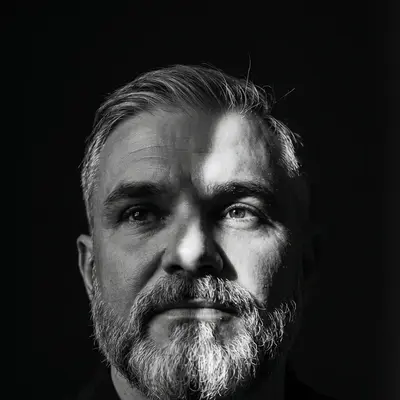
Photo by Fernando Cabral
Available treatments
Treatment for anxiety may include cognitive behavioral therapy, which helps in recognizing and changing negative thought patterns, and medication for specific cases. Both treatments can be effective in reducing symptoms and improving quality of life.
Self-care strategies
In addition to professional treatment, self-care practices are fundamental in managing daily anxiety.
Relaxation practices
Techniques such as meditation, physical exercise, and deep breathing help reduce stress levels and promote relaxation. Dedicating a few minutes a day to these practices can make a noticeable difference in overall well-being.
Social support
Having a support network is another important pillar. Talking to friends, family, or participating in support groups can offer comfort and new perspectives on managing anxiety.
Conclusion
Recognizing the signs of anxiety and the importance of seeking help and adopting self-care strategies can transform your quality of life. If you identify such signs, seriously consider consulting a professional and implementing practices that promote mental health. Remember that taking care of yourself is not selfishness, but an essential need.
🌟 Have you considered seeking a therapist to support your well-being journey?
If this article sparked reflections about positive changes in your life, perhaps now is the ideal time to take the next step. Do you know hypnosis as a therapeutic tool? This approach can be surprisingly effective for various personal challenges.
Special offer: Book a free 20-minute consultation with therapist Fabio Morus and discover how therapy can transform your life.
✨ No commitment — Completely free — 20 minutes that can make a difference
👉 Click here to book your free consultation
Don't postpone your well-being any longer. The first step to change is just one click away.