Are you struggling with anxiety? You're not alone. Anxiety affects millions of people . But there are ways to manage it and regain control.
In this article, we will show you 10 simple methods to quickly calm anxiety.
Do you want to say goodbye to anxiety and live better? Let's learn together the best strategies for dealing with anxiety.
What is anxiety?
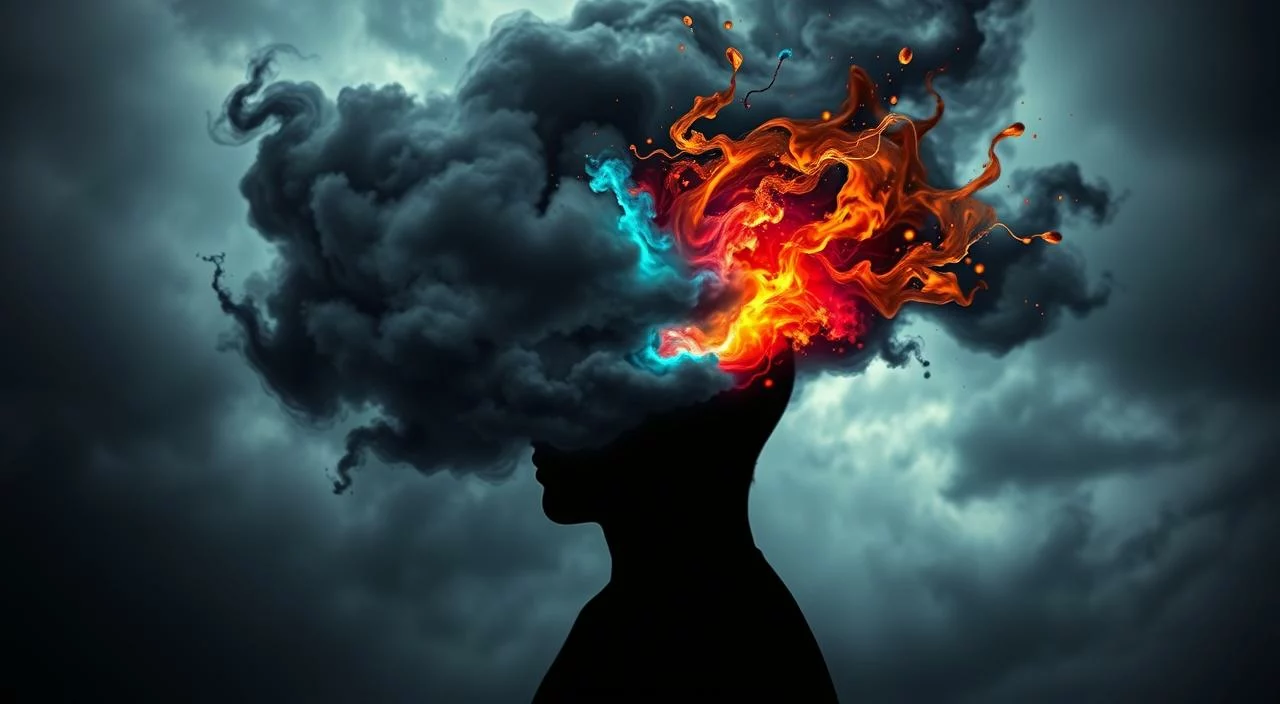
Anxiety is a natural emotion that everyone feels from time to . It can be good, preparing us for challenges and protecting us from . But if it becomes too strong and lasts too long, it can become a problem.
Symptoms of Anxiety
Symptoms of anxiety affect both the body and mind. You may experience palpitations, sweating, tremors, muscle tension, difficulty focusing, irritability, and . If it becomes chronic, it can lead to .
It is crucial to know the difference between normal anxiety and generalized anxiety disorder . The latter brings strong worries and many .
If you are experiencing anxiety, seek help. There are good treatments available, such as Cognitive Behavioral Therapy (CBT) Online platforms, such as Vittude, can help you find specialized psychologists .
"Around 20 million Brazilians suffer from some type of anxiety disorder."
https://www.youtube.com/watch?v=kxN6Va4etLw
How to Calm Anxiety with Deep Breathing
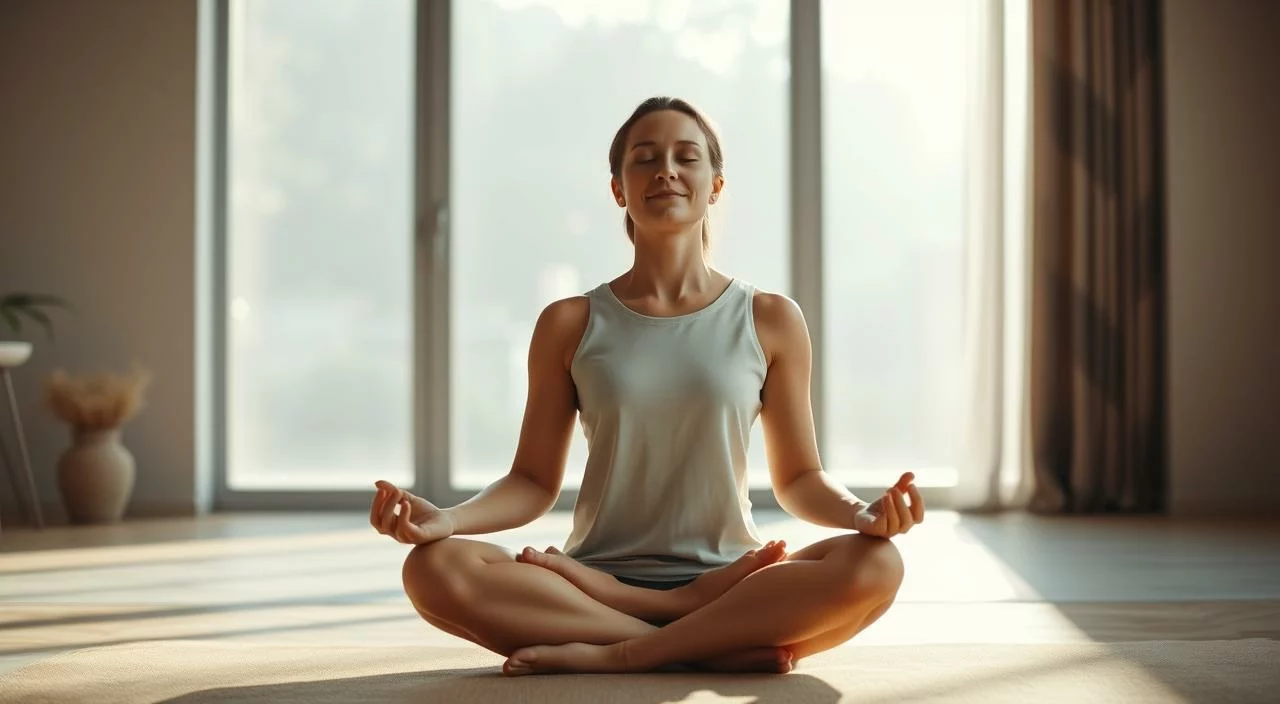
Deep breathing is a powerful technique for immediately calming anxiety . It releases muscle tension and calms the mind. When you feel anxiety coming on , stop, take a few deep breaths, and tell yourself it's time to calm down .
There are several ways to practice deep breathing to feel calm. This can be done through yoga , meditation , Pilates , and walking 5. Just two minutes of daily training is enough for the body to learn to calm itself immediately 4 .

Some effective deep breathing techniques for managing anxiety include:
- Abdominal Breathing : observe the movement of the abdomen during breathing, promoting calm and relaxation 5 .
- Square Breathing (Sama Vritti): inhale for 4 seconds, hold for 4 seconds, exhale for 4 seconds, and hold your breath for 4 seconds, forming a square breathing pattern 5 .
- Prolonged exhalation : inhale through the nose for 4 seconds and exhale through the mouth for 8 seconds, activating the parasympathetic nervous system for relaxation 5 .
- Alternating Nostrils : a technique that improves concentration and relaxation by alternating breathing between the nostrils 5 .
Studies show that deep breathing is effective in relieving anxiety . It helps regulate the autonomic nervous system and releases neurotransmitters such as serotonin and dopamine, improving mood and well-being 4 5 6 .
When you feel anxious, stop, take a deep breath, and use this technique. With regular practice, deep breathing can become a healthy habit and an ally in combating anxiety.<sup> 4</sup>
Physical Exercises to Reduce Anxiety
Regular physical exercise is a great way to combat anxiety . Yoga, for example, is very good because it improves breathing and brings well -being. Running, dancing, Pilates, and swimming also help control anxiety .
These activities increase neurotransmitters like serotonin and dopamine, which make you feel happy 7. In addition, they decrease cortisol, the stress hormone 7. This benefits both physical and mental/emotional health.
| Exercise | Benefits for Anxiety |
|---|---|
| Yoga | It improves breathing and promotes well-being. |
| Race | It increases energy levels and improves sleep quality. |
| Pilates | It helps reduce stress and improves self-confidence. |
| Dance | It stimulates the release of pleasure neurotransmitters. |
| Swimming | It improves emotional balance and reduces anxiety. |
If you're not used to exercising, choose an activity you find enjoyable and stick with it for a few . What matters is that you enjoy it and that it relieves .
https://www.youtube.com/watch?v=m1ibQWQtY5M
Regular exercise brings many benefits, such as improving , increasing , and preventing problems. It can also improve self-confidence and self-esteem
Therefore, any physical activity can be a good strategy for dealing with anxiety and improving well-being .
Positive Thinking and Visualization
Our thoughts have a great impact on how we feel and what we do . Anxious people often have difficulty managing their thoughts in situations that cause anxiety . If an anxious or negative thought arises, you can question it. For example, "Is this scenario really likely to happen?" or "Is this concern valid?"
Changing Negative Thoughts
Practicing positive thinking and visualization can help control anxiety 10. Using positive affirmations can break negative patterns that cause anxiety 10. Positive affirmations that are based on reality are better for controlling anxiety than overly optimistic ones 10. Interrupting negative thoughts can remove negativity from the mind 9 .
Visualizing positive scenarios can also calm the mind and reduce anxiety 9. This way, the brain learns that it doesn't need to worry so much about thoughts 9 .
"Believing in the best is still the best way to make the world a better place." - Martin Seligman
Managing anxiety in stressful situations, such as public speaking, can be difficult . Seeking help from a professional specializing in anxiety can be very helpful .
Anxiety and panic disorder are very treatable . There are several options, such as medication, therapy, and yoga, that can improve life .
Planning and Organizing Your Routine
Organizing your daily routine is an effective strategy for those struggling with anxiety . Studies show that disorganized environments increase stress and anxiety, negatively affecting mental health. Organization helps combat anxiety in work environments.
Organized environments improve mental health. Doing tasks one at a time and organizing time helps reduce anxiety . One should not get irritated by unexpected events, as they are normal .
12. Having a structured routine increases productivity and self-esteem. 12. Without a routine, stress and anxiety can increase. 12. A balanced routine improves mental health. 12 .
13 People with Generalized Anxiety Disorder need to organize their routine 13. This helps control anxiety and stress 13. Planning the next day and setting goals is important 13 .
Organizing your daily routine is a great way to combat anxiety. Use planners, to-do lists, or apps on your phone . Be patient and don't get frustrated by unexpected events. With an organized routine, you'll face daily challenges with more confidence.
https://www.youtube.com/watch?v=aHqx6Z13nrw
How to calm anxiety with hobbies and enjoyable activities.
Finding ways to calm the mind is crucial in everyday life. Hobbies and enjoyable activities are great for this. They help control anxiety . In 2019, 19 million Brazilians suffered from anxiety, making the country the most anxious in the world. In 2020, 80 % of Brazilians felt anxiety due to the pandemic .
A musical hobby is a good choice to combat anxiety . Music can reduce anxiety by up to 65%, according to Mindlab International 14. Aerobic exercise is also good, as it improves mood and energy, as psychologist Juliane Schwaab 14 says.
Reading is another great option for relieving stress. It shifts the focus to imaginative worlds, according to research 14. Adult literature sells very well in Brazil, representing 10.88% of book sales 14. Coloring or drawing also brings benefits, such as distraction and relaxation.
Any hobby you choose helps to distract your mind and reduce stress. Participating in hobbies can lower cortisol, the stress hormone. 16 Achieving goals in a hobby can improve self-esteem and mental health. 16
So, don't be surprised to explore new hobbies and activities that bring you joy. Whether it's music, reading, sports, or any other passion. Cultivating enjoyable activities is a great way to take care of your mental health and cope with anxiety .

Meditation to Calm the Mind
Meditation is great for calming the mind and body, especially against anxiety . It helps reduce anxiety and calm the nerves . In addition, it brings physical benefits such as improving immunity and relieving chronic pain.
In psychological terms, it can control anxiety and improve sleep quality 17. It also helps reduce depression and improve concentration 17 .
Meditation Techniques for Beginners
For beginners, there are easy and effective techniques 17. Guided meditation is a good option for dealing with anxiety 17. Mindfulness is another technique that can be done anywhere 17 .
Yoga also helps to bring calm and serenity 17. Tai Chi Chuan is a martial art that brings similar benefits 17 .
It is good to practice meditation twice a day, for 20 minutes each time 17. This helps to improve sleep and reduce anxiety 17 .
Studies show that meditation is effective in treating anxiety 18. A 2014 meta-analysis showed that mindfulness meditation reduces anxiety 18. A 2013 study found that 8 weeks of meditation is as effective as cognitive behavioral therapy 18 .
Other studies show that meditating regularly improves sleep and reduces fatigue in students 18 .
https://www.youtube.com/watch?v=Z1y3Alas8Zs
"Meditation is a powerful way to calm the mind and body, especially when it comes to dealing with anxiety. It can bring a variety of physical and psychological benefits."
The Importance of Social Interaction
Social interaction is very important for our emotional and mental well-being. People who socialize more have less anxiety and depression They also have better health and less risk of serious illnesses .
Interacting from an early age helps with development and mental health in adulthood Being social in old age helps to age better, with more mental health .
The pandemic brought challenges to seeing each other more. This affected mental health, with more anxiety and depression in the first months To return to being social, it's good to keep your vaccination card up to date and follow hygiene rules .
Therefore, social relationships are very important for those who have anxiety. Making contact with friends and family helps to improve anxiety and well-being 20 .

"Maintaining social relationships is essential for well-being and quality of life, providing security, integration, and a sense of belonging to the social group."
In conclusion, social interaction is key to combating anxiety and improving mental health. Value your relationships and seek more outings to feel better 20 .
Cultivating Optimism and Gratitude
Anxiety often brings pessimism. Anxious people tend to see only the negative side. To overcome this, look for the positive side and practice optimism . Optimistic people are less likely to suffer from anxiety and depression . They are more resilient to stress.
If you see life as full of problems, change that ! Optimism brings a positive outlook and helps overcome challenges . It improves life, bringing good emotions and strong relationships.
When anxious, shift your focus to something pleasant . Gratitude is great for changing perspective . It brings emotional and social well-being and improves mood . Grateful people have strong and positive relationships.
23 Gratitude is key to happiness and well-being. 23 Keeping a gratitude journal helps you remember what is good. 23 Forming positive habits, such as gratitude, takes 2 to 3 weeks.
https://www.youtube.com/watch?v=NXyWfUjXtSU
"Optimism is the belief that everything will turn out well. And if it doesn't turn out well, then it's not the end." - Winston Churchill
Conclusion
Each person has a favorite technique for dealing with anxiety . Using techniques such as deep breathing, exercise, positive thinking, and hobbies helps a lot. Organizing your routine, meditation, social interaction, optimism, and gratitude are also important. <sup>24</sup>
If anxiety doesn't improve or worsens, it's a good idea to seek help. Symptoms such as insomnia and sleep disorders , lack of concentration , excessive nervousness , and palpitations may be signs that it's time to seek a 24-hour psychologist.
Therapy is essential for those who have anxiety. It helps to find ways to cope with the problem and understand what causes it. Thus, it is possible to deal with anxiety in the long term and avoid other mental health problems .
FAQ
Have you been having trouble managing your anxiety lately?
Everyone faces moments of distress. But there are ways to cope with anxiety. Deep breathing techniques, physical exercise, positive thinking, and hobbies are good options. Organizing your routine, meditating, and maintaining good social relationships also help.
What is anxiety?
Anxiety is a natural feeling. It helps us prepare for challenging situations. But it can become a problem if it's not controlled.
Generalized anxiety disorder brings excessive worry and physical symptoms. Simple anxiety, on the other hand, is a reaction to situations of expectation, causing temporary symptoms.
What are the symptoms of anxiety?
Symptoms of anxiety include rapid heartbeat, tremors, sweating, irritability, and fatigue. It can also cause insomnia, palpitations, and shortness of breath.
How can deep breathing help calm anxiety?
Deep breathing has calming effects. It releases muscle tension and soothes the mind. If anxiety arises, breathe deeply and tell yourself it's time to calm down.
Two minutes of deep breathing each day is enough to calm the body.
What are the benefits of physical exercise for anxiety?
Physical exercise helps control anxiety. Moving around three times a week is beneficial. Physical activity releases happiness hormones, improving well-being.
How can positive thinking and visualization help control anxiety?
Positive thoughts influence our feelings and actions. Combating anxious thoughts with questioning can help. This shows that there's no need to worry so much.
How can organizing your routine help reduce anxiety?
Planning your day helps control anxiety. Organize tasks and appointments in a planner or app. This reduces unpredictability and increases self-confidence.
How can hobbies and enjoyable activities help to calm anxiety?
Keep your mind occupied with fun activities. Try different hobbies until you find one you enjoy. Pleasurable activities distract you, reduce stress, and promote well-being.
What are the benefits of meditation for anxiety?
Meditation helps to calm the mind and body. Initially, it may be difficult due to lack of experience. But just five minutes a day is enough to learn how to meditate.
Meditation improves emotional intelligence, allowing for a clearer view of situations and less reaction to conflict.
Why is social interaction important for anxiety?
Social interaction doesn't have to be limited to nightclubs. Scheduling lunches or coffee with friends is enough. It makes us happy and reduces anxiety.
How can optimism and gratitude help in dealing with anxiety?
Pessimism is common in anxiety. Looking for the best in every situation and being optimistic helps. Gratitude is also important for changing perspective and coping with anxiety.
🌟 Have you considered seeking a therapist to support your well-being journey?
If this article sparked reflections about positive changes in your life, perhaps now is the ideal time to take the next step. Do you know hypnosis as a therapeutic tool? This approach can be surprisingly effective for various personal challenges.
Special offer: Book a free 20-minute consultation with therapist Fabio Morus and discover how therapy can transform your life.
✨ No commitment — Completely free — 20 minutes that can make a difference
👉 Click here to book your free consultation
Don't postpone your well-being any longer. The first step to change is just one click away.