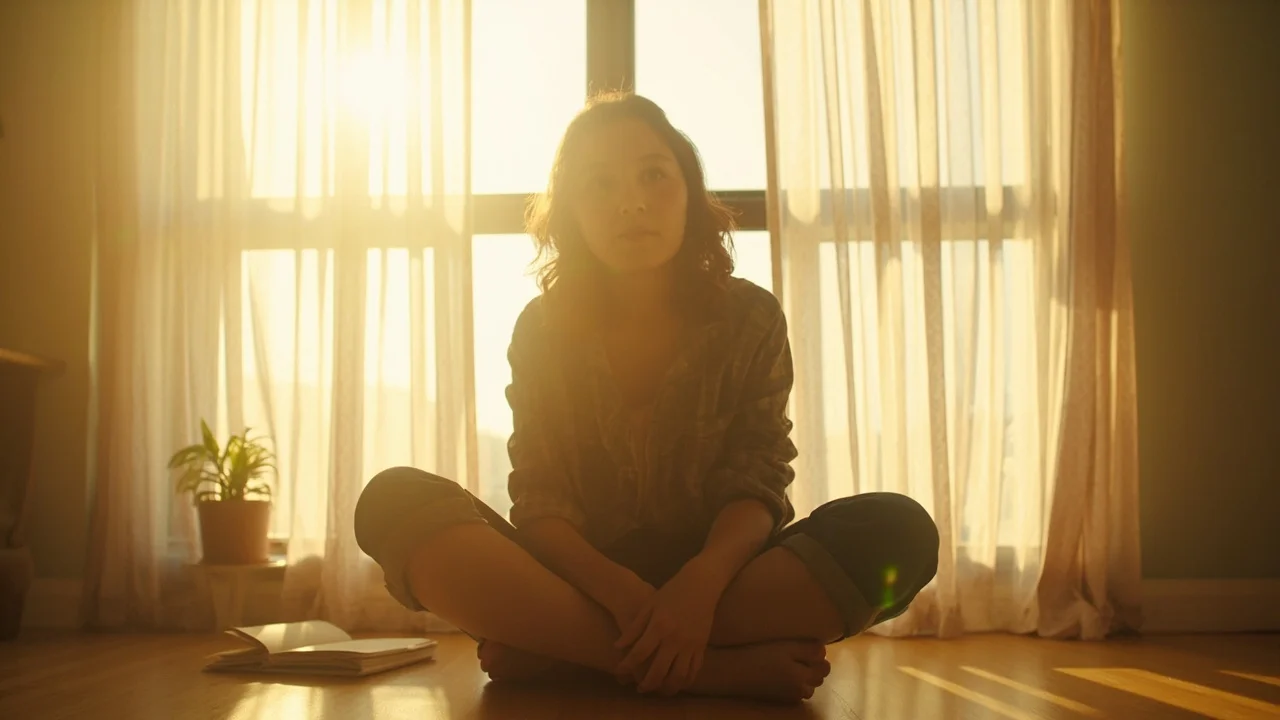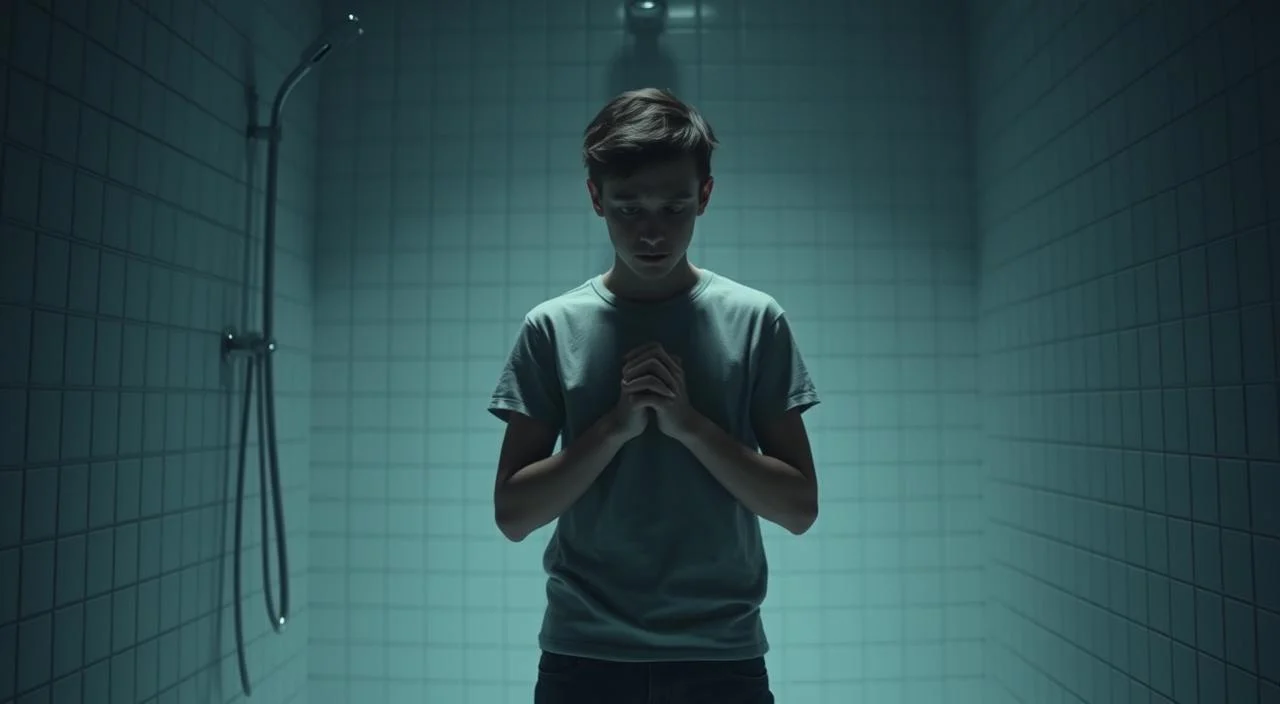
Did you know that more than 76 million cases of anxiety disorders were recorded worldwide in 2020 ? The pandemic caused anxiety to increase by 28%. Mental health disorders are the main reasons for seeking medical help.
Anxiety is normal when we face stress. But if it gets too high and doesn't decrease, it can be a serious problem. It can affect our work, our relationships, and even lead to depression. If you worry a lot and this lasts for a long time, it may be a sign that you have anxiety.
So, do you know how to identify the main symptoms of anxiety? These symptoms can change your daily routine.
What is anxiety and how does it manifest itself?
Anxiety is a natural bodily response to stress. It prepares us to face challenges or . But when it becomes excessive and persistent, it can develop into an anxiety disorder .
Anxiety disorders have various causes. They can be genetic, due to chemical imbalances in the brain, environmental influences, or factors. These conditions affect people of all ages and genders, including .
Definition of anxiety
Anxiety is an emotion that brings emotional tension and restlessness . It can manifest itself in various . It can appear at any time of day, depending on the stimuli that trigger it.
Common causes of anxiety
Many factors can cause anxiety symptoms. Physical problems, professional or academic situations, personal dilemmas, and catastrophic events are some .
Different types of anxiety disorders
There are several types of anxiety disorders. Among them are Generalized Anxiety Disorder (GAD), Panic Disorder, Social Phobia , Specific Phobias, and Obsessive-Compulsive Disorder (OCD) These disorders can significantly change people's daily routines 3 .
It is important to know the difference between anxiety , fear , and stress in order to treat properly.
https://www.youtube.com/watch?v=S11LZQl347Y| Type of Disorder | Prevalence in the Population |
|---|---|
| Generalized Anxiety Disorder (GAD) | 3% 3 |
| Panic Disorder | 2.7% 3 |
| Social Phobia | 7.1% 3 |
| Obsessive-Compulsive Disorder (OCD) | 1 to 3% 3 |
| Post-Traumatic Stress Disorder (PTSD) | 6.8% 3 |
"Anxiety can impact up to 16.7% of the adult population, according to specific data from the psychology and mental health industry." 3
Anxiety can manifest in various ways and for various reasons. It can be positive or . Understanding this distinction is essential for effective treatment.
Main symptoms of anxiety
Anxiety affects many people in different ways, interfering with their lives . More than 58 million people worldwide have anxiety disorders. During the pandemic, there was a 25% increase in cases of depression and anxiety, according to the World Health Organization. Understanding the main symptoms of anxiety is crucial for treating it correctly.
Physical Symptoms of Anxiety
Physical symptoms include fatigue, muscle tension, headaches, digestive problems, insomnia, and palpitations.<sup> 4</sup> More than 70% of Brazilians have sleep problems, such as insomnia, according to Fiocruz.<sup> 4</sup> Constant restlessness is also common, affecting those who suffer from anxiety disorders.<sup> 4</sup>
Irregular appetite is common, leading to irregular eating patterns 4. Muscle tension causes discomfort and pain 4 .
Emotional Symptoms of Anxiety
In emotional terms, anxiety can cause excessive worry, irritability, difficulty concentrating, feelings of dread and apprehension Irrational fears are common and can disrupt daily life 4. Sudden mood swings are also frequent, showing emotional instability 4 .
Obsessive thoughts and a feeling of disconnection from oneself are also common symptoms .
Behavioral Symptoms of Anxiety
Behaviorally, anxiety can lead to avoidance of social situations, racing thoughts, insecurity, and even crying spells . Difficulty concentrating impairs attention and focus . Frequent nervousness is related to mental acceleration and constant worries.
Difficulty socializing can lead to avoidance of social interactions 4 .
Anxiety can manifest in various ways in each person, with some experiencing panic attacks or obsessive thoughts, while others have symptoms. Seeking professional help is essential for properly treating anxiety.
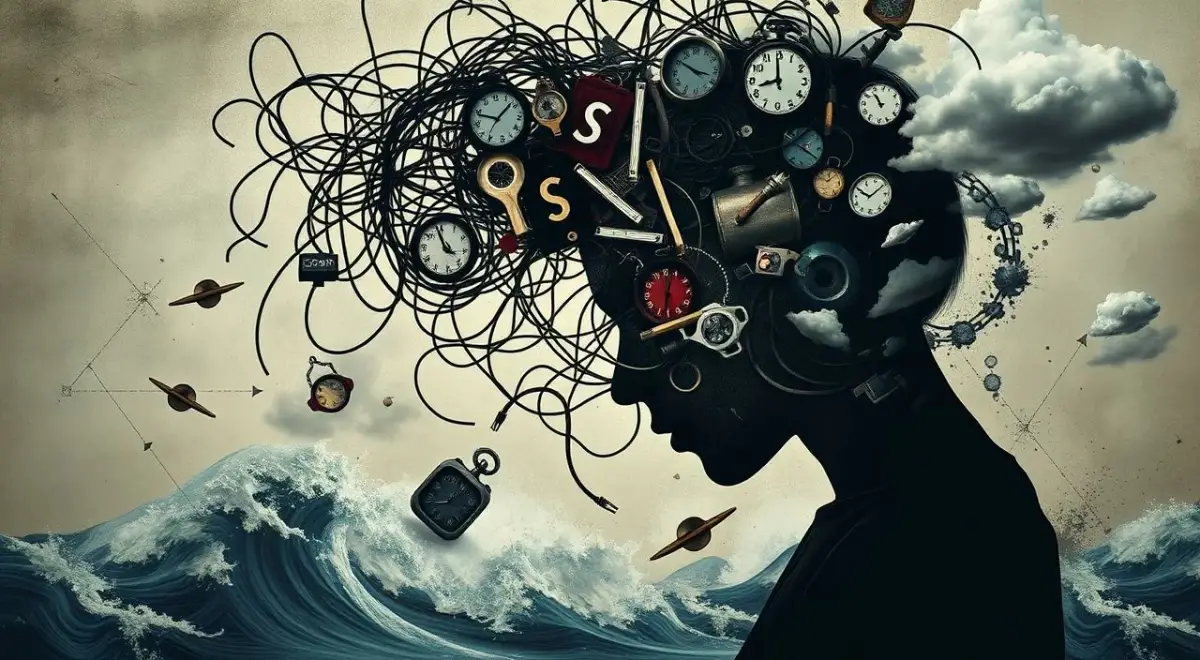
"Anxiety is a transient emotional state characterized by feelings of tension, apprehension, nervousness, and worry, accompanied by activation of the autonomic nervous system." - World Health Organization
Understanding the symptoms of anxiety is the first step in dealing with it. By identifying individual patterns, it's possible to create personalized strategies to manage anxiety and improve daily routines.
The impact of anxiety on daily life.
Anxiety greatly affects daily life. At work, it can decrease concentration and . This happens because anxiety makes it difficult to perform tasks.
In personal life, anxiety also causes problems. It can lead people to isolate themselves and avoid going out with . This can push away friends and family, making it difficult to get emotional support.
Strategies for dealing with anxiety
There are ways to deal with anxiety. Cognitive behavioral therapy helps to change thoughts and . In some cases, medication can help control .
Practicing exercise, relaxing with meditation and yoga, and having the support of friends and groups are very . Seeking professional help is essential for effective treatment. This helps to deal with the emotional tension and psychological stress of anxiety.
Simple Practices to Reduce Anxiety
- Conscious breathing: Inhale counting to 4, hold for 4, and exhale for 4. It's magic!
- Physical exercise: Get moving! Walking or yoga can help relieve tension.
- Digital disconnection: How about taking a break from social media and focusing on the present?
- Establish a routine: Organizing your day reduces that feeling of chaos.
- Seeking help: Therapy is a compass to finding balance.
Why is Seeking a Therapist Important?
It's like having a guide on an unfamiliar trail. A therapist can help you better understand your feelings, find practical solutions, and develop a more balanced life. Asking for help is not a sign of weakness; on the contrary, it's an act of courage and self-care. Sometimes, dealing with anxiety alone feels like a labyrinth with no way out. A therapist can be the guide you need to transform burden into learning and reclaim the lightness of living. It's not a sign of weakness, it's an act of courage and self-care.A Path to Inner Peace
Dealing with anxiety isn't easy, but it's possible. You're not alone on this journey. How about taking the first step? Learning to control your anxiety is possible, and you deserve this peace. Start taking care of your mental health now and discover a new way of living. Click here Fabio Morus Therapist to schedule a free 20-minute session.🌟 Have you considered seeking a therapist to support your well-being journey?
If this article sparked reflections about positive changes in your life, perhaps now is the ideal time to take the next step. Do you know hypnosis as a therapeutic tool? This approach can be surprisingly effective for various personal challenges.
Special offer: Book a free 20-minute consultation with therapist Fabio Morus and discover how therapy can transform your life.
✨ No commitment — Completely free — 20 minutes that can make a difference
👉 Click here to book your free consultation
Don't postpone your well-being any longer. The first step to change is just one click away.