
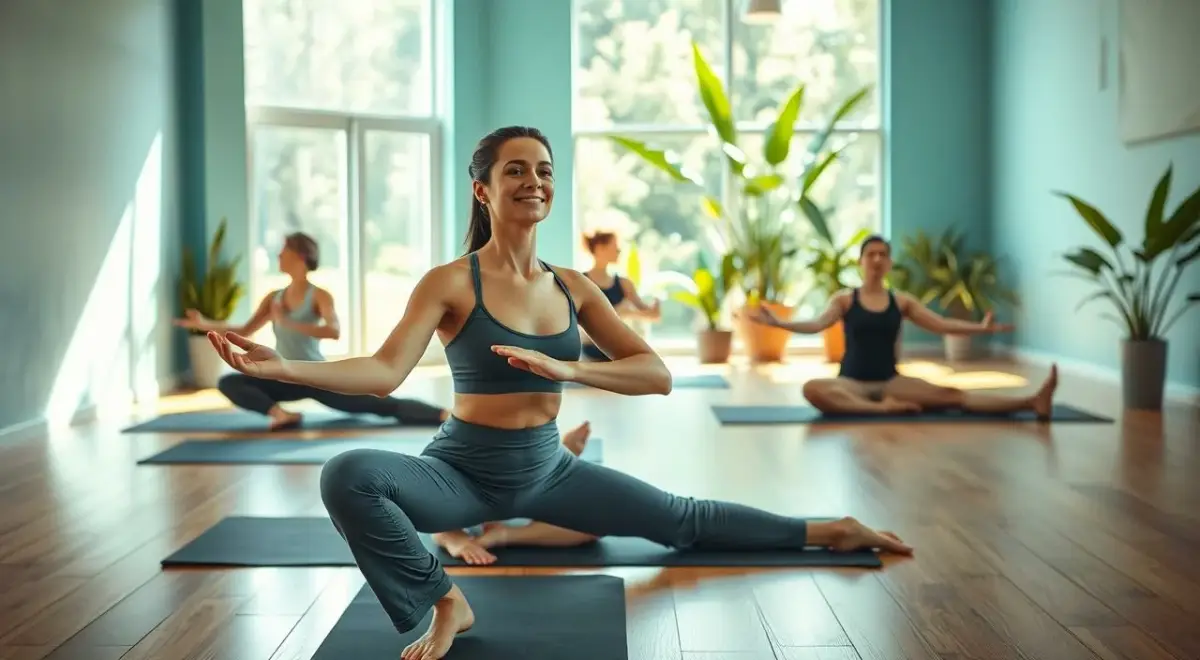

Over 300 million people worldwide suffer from depression and anxiety. This shows that stress is a major problem. Yoga can help improve blood circulation and reduce emotional tension.
Key Points
- The practice of yoga can relieve stress and promote well-being.
- Yoga for stress relief is an effective practice for reducing anxiety and improving mental health.
- Relaxing yoga practices can help reduce stress and promote mental health.
- The benefits of yoga in managing stress include reducing anxiety and improving mental health.
- Regular yoga practice can promote mental health and well-being.
What is yoga and how does it relate to stress?
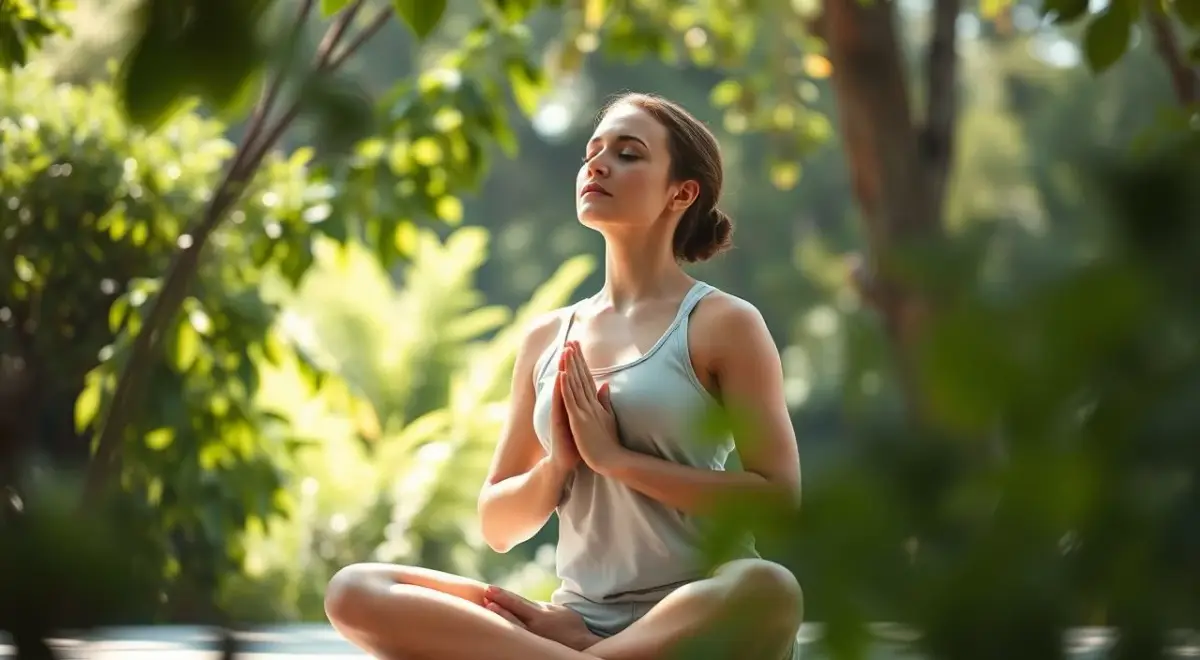
Yoga is an ancient practice from India that has spread throughout the world. It combines breathing, meditation, and movement to improve well-being.
Definition of yoga
Yoga unites body, mind, and spirit. It helps reduce stress and anxiety. It also improves flexibility and strength.
History and evolution of the practice
Yoga is over 5,000 years old. It has evolved and diversified over the centuries. Today, it is practiced by millions worldwide.
Yoga helps combat stress. It includes breathing techniques to reduce stress and mindfulness yoga to cope with stress . These techniques decrease anxiety and promote calmness.
Essential movements to relieve stress
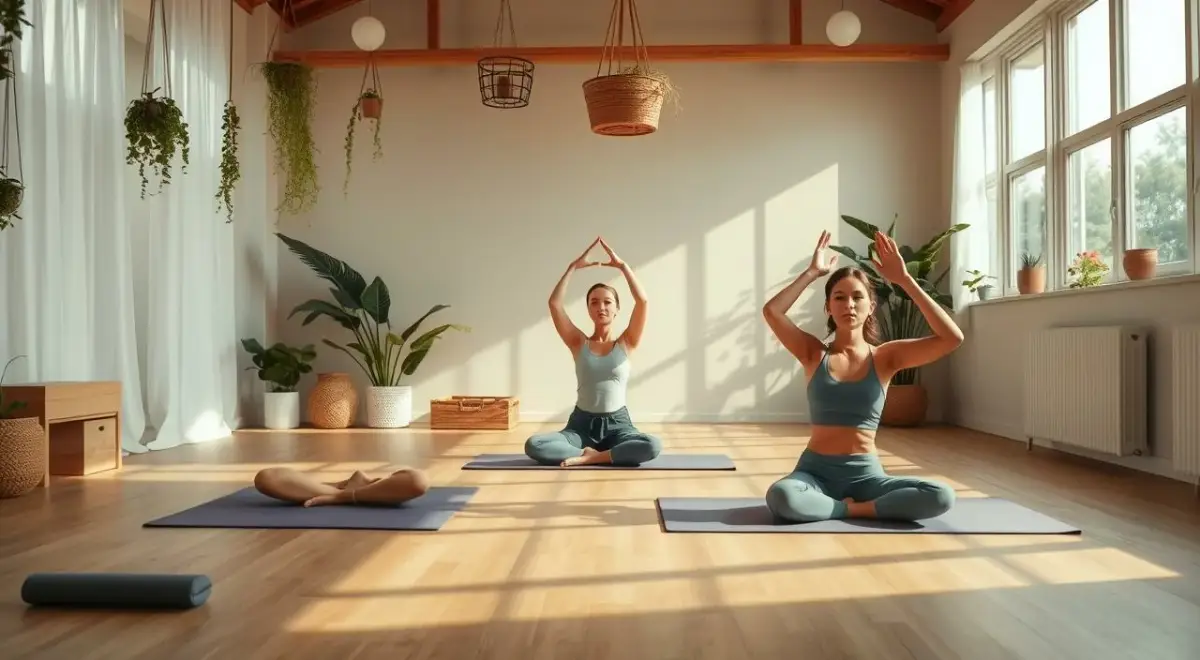
Yoga is very helpful in reducing stress. Therapeutic yoga for stress uses postures, breathing techniques, and meditation. This brings calm and mental clarity. The importance of yoga for mental health is significant, as it reduces anxiety and depression.
There are some important yoga movements that can help relieve stress. Here are a few examples:
- Sukhasana (Easy Pose): helps reduce muscle tension and promote relaxation.
- Balasana (Child's Pose): helps relieve tension in the spine and promotes deep, restorative breathing.
Practicing these movements regularly helps to reduce stress. Yoga can also be adapted to each individual. This makes yoga an effective tool for mental health.
The importance of breathing in yoga.
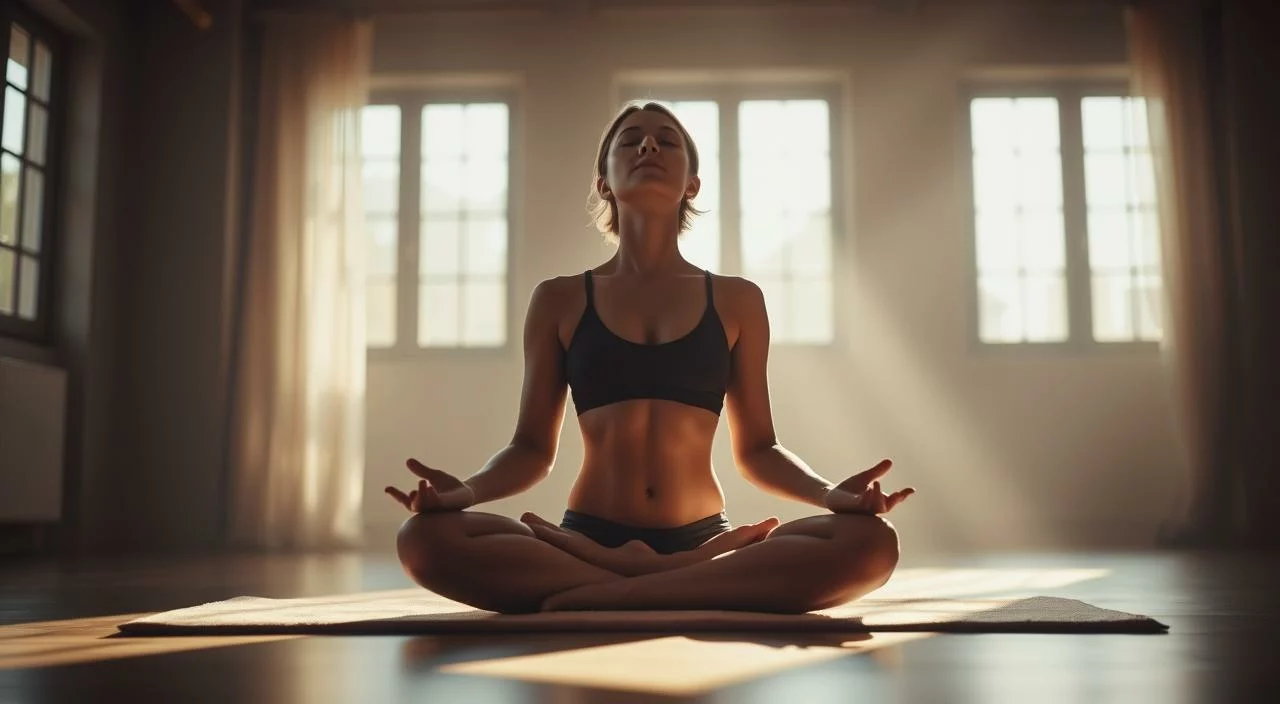
Breathing is essential for life. In yoga, it helps reduce stress and increase well-being. Breathing techniques for stress reduction are crucial in yoga practice. They teach you to use your full lung capacity.
Some of the main benefits of yoga in managing stress include:
- Reducing anxiety and depression
- Managing stress and psychological disorders
- Increased concentration and vitality
- Deep relaxation and stress reduction
Breathing techniques in yoga, such as abdominal breathing and alternate nostril breathing, bring calmness. They also stimulate the production of GABA, a calming neurotransmitter.
In summary, breathing is essential in yoga. Breathing techniques for stress reduction are powerful tools for well-being and stress reduction.
How to create a quiet space to practice
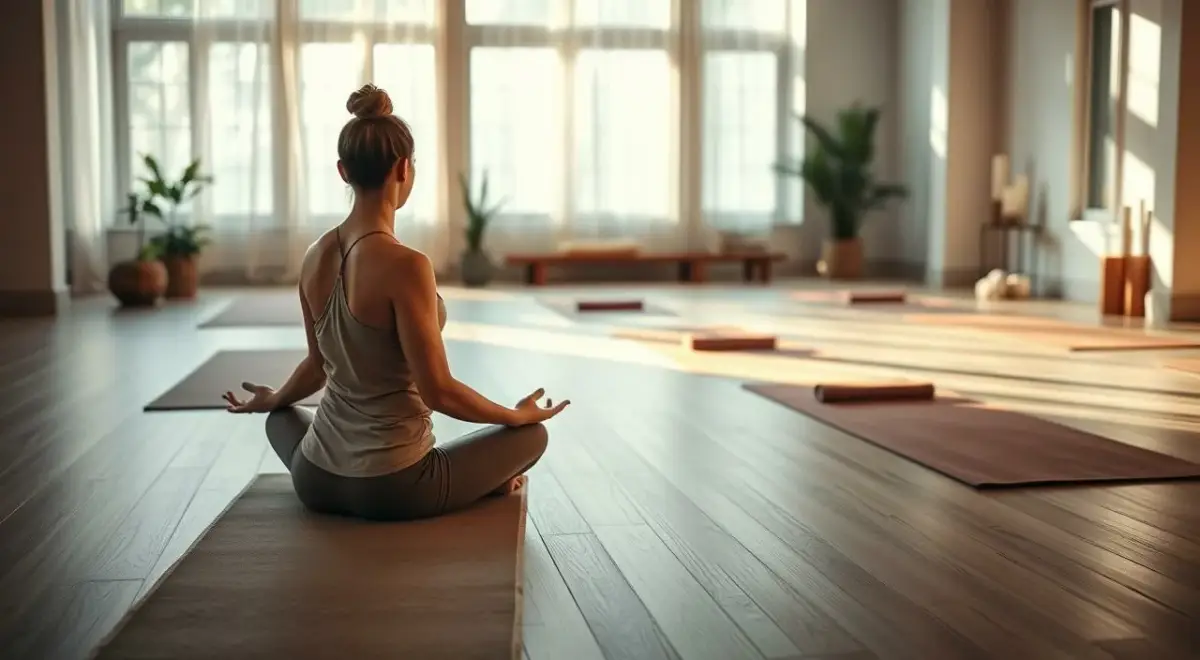
Practicing yoga in a calm place helps a lot. Choosing the right place is essential. This affects how you experience the benefits of yoga.
Choice of Environment
To choose the location, consider the light, warmth, and noise. A place with soft light, a good temperature, and little noise is perfect.
Elements that Promote Tranquility
Besides the location, there are things that make the environment more peaceful. For example:
- Aromatherapy: Essential oils can make a place more relaxing.
- Music: Soft music helps create a calm environment.
- Ventilation: A well-ventilated place is cool and healthy.
With these elements, you create a great place for yoga. This helps you feel the benefits of yoga and feel calm.
Yoga can be practiced by everyone, regardless of age or physical condition.
Doing yoga regularly improves life. It helps control stress and increases well-being.
Yoga for beginners: practical tips
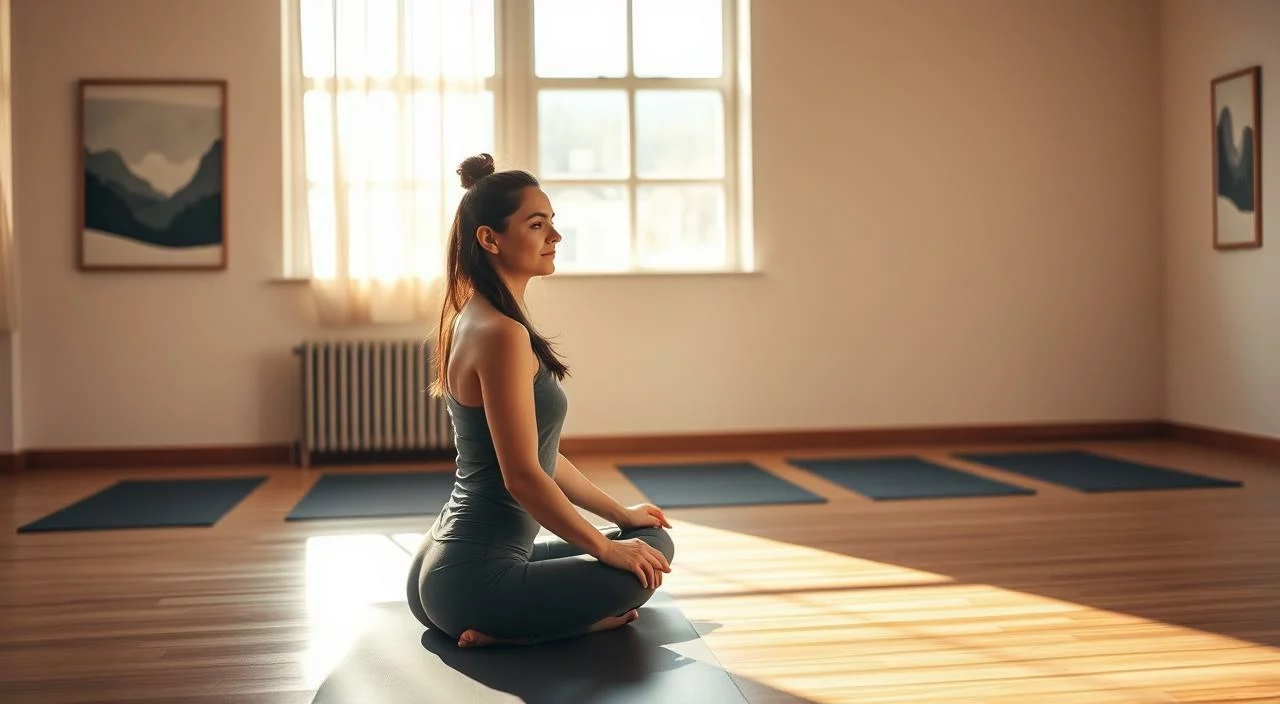
When you first start practicing yoga, you might feel lost. But with the right tips, you'll begin to feel the benefits. One important tip is to start slowly. Adapt the poses to your level of flexibility and stamina.
Practicing relaxing yoga helps reduce stress and improve well-being. Yoga also improves lung and heart function. Yoga for stress relief is great for those who want relaxation and exercise.
To begin, choose a quiet and clean place. Investing in a good quality yoga mat is essential. With these tips, you'll start to feel the benefits of yoga.
Remember that consistency is key. With regular practice, you will improve your flexibility and strengthen your muscles. Don't wait any longer to begin your yoga journey and discover how it can change your life.
Ideal frequency for yoga practice
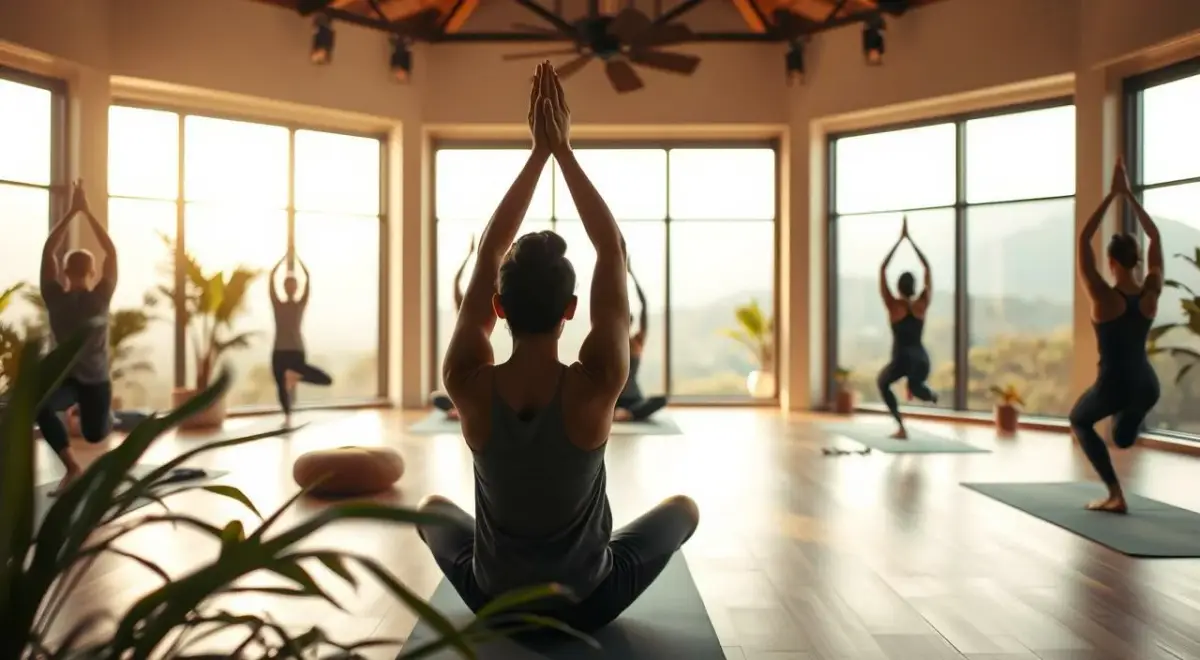
Practicing yoga two to three times a week helps a lot. It improves stress management. It also helps improve breathing techniques.
Some important points to consider regarding the ideal frequency for yoga practice include:
- The consistent practice of yoga stimulates the production of neurotransmitters such as serotonin, which are related to mood and happiness.
- Regular yoga practice can improve emotional self-regulation skills, which are essential for facing daily challenges.
- Practicing yoga two to three times a week promotes a state of deep relaxation.
Practicing yoga every day can greatly reduce stress. It also improves concentration and brings well-being. It's essential to find a balance that fits your lifestyle.
Integrating yoga into your routine
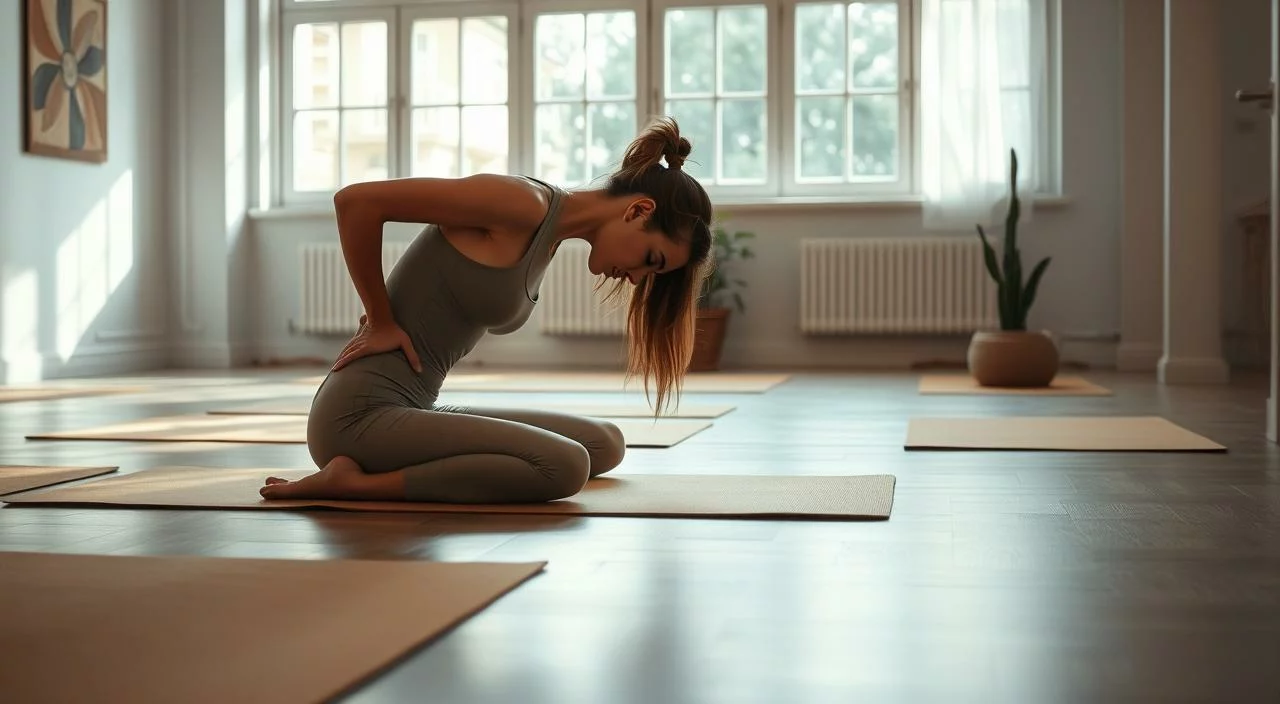
To add yoga to your routine, it's essential to find the best times. Therapeutic yoga for stress can be done at any time. Many prefer the morning, as it increases energy and mental clarity.
Staying motivated is crucial. Setting goals, having a partner, or attending classes helps. Yoga is very important for mental health . It reduces stress and anxiety, improving life.
Some tips for staying motivated include:
- Find a quiet and comfortable place to practice.
- Establish a regular practice routine.
- Try out different styles and techniques of yoga.
Practicing yoga regularly lowers cortisol levels. This improves both mental and physical health. With patience and consistency, you will see the benefits of yoga.
Styling your yoga practice
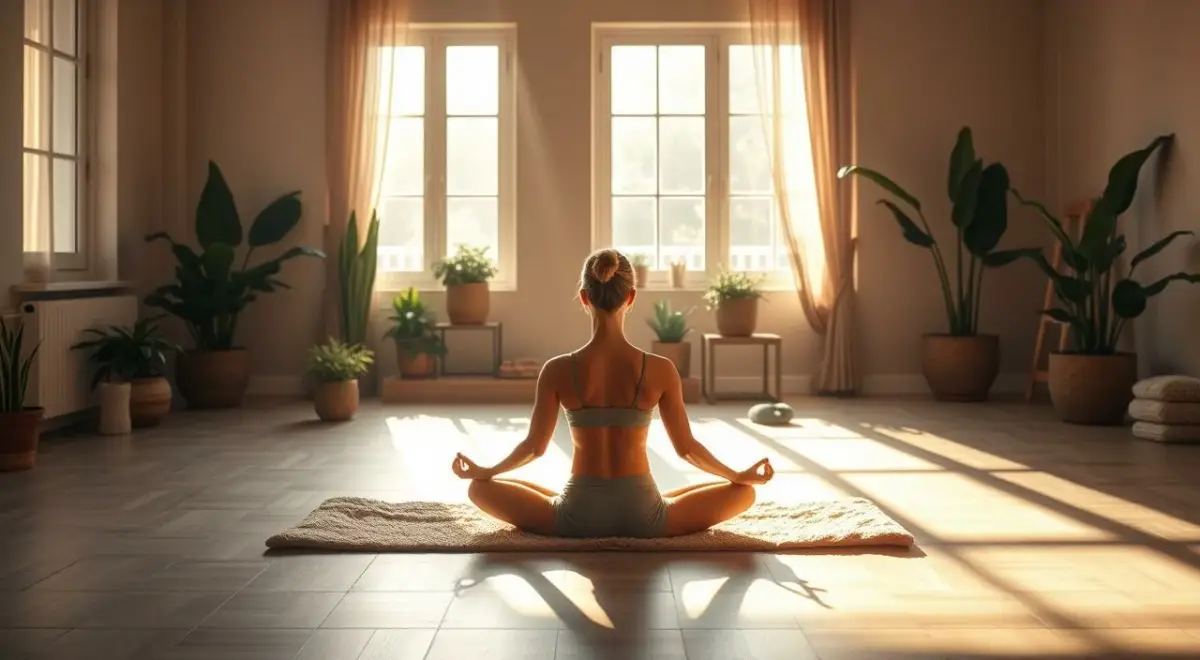
When you start practicing yoga, you want to personalize your routine. This can include using props like mats and blocks. They help improve your posture and balance.
Finding the right yoga style is essential. It helps maintain motivation and brings benefits for stress management.
Use of accessories
Yoga accessories are very useful. They help prevent injuries and improve flexibility. They can also increase the intensity of the practice.
- Yoga mats
- Yoga blocks
- Yoga ropes
Finding your yoga style
There are many styles of yoga. It's important to find the one that best suits you. Hatha yoga , Ashtanga yoga , and Yin yoga are popular options.
Each style has its benefits. Trying different ones can help you find what works best for you. Relaxing yoga practices are great for both mental and physical health.
Yoga and meditation: effective combinations
The combination of yoga and meditation is very helpful against stress. Breathing techniques to reduce stress are essential. They help control breathing and decrease stress hormones.
Mindfulness yoga for dealing with stress is also very effective. It blends movement with meditation techniques. This helps to relax and balance emotions.
- Reducing stress and anxiety
- Improved sleep
- Increased mental clarity and focus.
- Strengthening the immune system
Practicing yoga and meditation regularly brings great benefits. You will feel less stress and anxiety, and your life will improve significantly.
Testimonials about yoga and stress relief
Yoga is very helpful in reducing stress and improving well-being. Many people speak highly of yoga. They say it reduces anxiety and improves their quality of life.
Studies show that yoga can lower cortisol, a stress hormone. Doctors also recommend yoga for managing stress and anxiety.
Yoga can help in many ways:
- Reduce anxiety and depression.
- Improve sleep
- Increase flexibility and strength.
- To offer inner peace and emotional balance.
Practicing yoga to relieve stress
Additional resources to deepen your practice.
If you want more yoga in your life, there are many options. Online yoga courses are great for learning new techniques. They are easy to follow at home.
In addition, books about yoga and stress are very useful. They offer tips and inspiration to improve your practice.
Recommended online courses
Udemy, Skillshare, and Yoga International have many yoga courses. They are perfect for beginners or those who already practice. You can learn at your own pace.
Many courses also include guided meditation. This helps to reduce stress.
Books about yoga and stress
To learn more, read "The Way of Yoga" by BKS Iyengar. Or "Yoga to Reduce Stress" by Judith Hanson Lasater. These books help you understand yoga better.
They show how yoga improves physical and mental health. And they give tips for dealing with stress.
Want to experience the benefits of hypnosis for anxiety and stress?
Schedule your free 20-minute consultation now and discover how hypnotherapy can transform your life! Access the website and book your appointment .
Source Links
- 7 yoga exercises that help fight anxiety and depression - https://ge.globo.com/eu-atleta/saude/noticia/7-exercicios-de-yoga-que-ajudam-a-combater-ansiedade-e-depressao.ghtml
- Discover 8 relaxation techniques to stay calm - https://totalpass.com/br/blog/bem-estar/tecnicas-de-relaxamento/
- 2 yoga techniques to help relieve stress - https://www.terra.com.br/vida-e-estilo/saude-mental/2-tecnicas-de-yoga-para-ajudar-a-aliviar-o-estresse,df414a4fe7b8668063354a0197bf4909yw790pv2.html
- No title found - https://www.atmus.med.br/blog/yoga-e-meditacao-para-aliviar-o-estresse
- Yoga for stress - https://clinicahiraoka.com.br/yoga-para-o-estresse/
- Yoga helps reduce depressive symptoms; do these 6 exercises at home - https://www.uol.com.br/vivabem/noticias/redacao/2020/05/24/ioga-ajuda-a-reduzir-sintomas-depressivos-faca-estes-6-exercicios-em-casa.htm
- How to use Yoga to reduce stress - https://www.ciclismopelomundo.com.br/2025/01/como-usar-o-yoga-para-reduzir-o-estresse.html
- 5 Yoga Poses to Relieve Stress in Minutes! - https://programae.org.br/imprensa/5-posturas-de-yoga-para-aliviar-o-estresse-em-minutos/
- Breathing in yoga is an exercise in self-awareness - https://ge.globo.com/eu-atleta/treinos/post/2020/01/14/a-respiracao-na-yoga-e-um-exercicio-de-autoconhecimento.ghtml
- The Importance of Breathing in Yoga | Rodrigo Furuta - https://rodrigofuruta.com.br/respiracao-yoga/
- Yoga at home: how to prepare the environment for practice - Namu - https://namu.com.br/portal/corpo-mente/yoga/yoga-em-casa-como-preparar-o-ambiente-para-pratica/
- How to Do Yoga at Home: A Complete Guide! | Yogini Blog - https://blog.yogini.com.br/como-fazer-yoga-em-casa-guia-completo-com-tudo-o-que-voce-precisa-saber/
- Yoga for beginners: 7 tips to help you practice - https://marjan.com.br/blog/yoga-para-iniciantes/
- Want to start practicing yoga? Check out 6 tips for beginners - https://www.terra.com.br/vida-e-estilo/saude/quer-comecar-a-praticar-yoga-veja-6-dicas-para-iniciantes,79c5a4bffaa6d02972ea6b1387715e6326hiy3at.html
- Check out these tips with yoga practices for beginners - https://avidaplena.com.br/cardiologia/saude-do-coracao/como-se-cuidar/yoga-para-iniciantes/
- What it is: Frequency of Yoga Practices for Stress Reduction 2025 - https://relhum.com.br/glossario/o-que-e-frequencia-de-praticas-de-yoga-para-reducao-de-estresse/?srsltid=AfmBOoq5rIKt7qg63sFd4bI_HMESOdGZzh37E3FiTU0ahS0qEbE_F7aA
- What it is: Frequency of daily Yoga practices 2025 - https://relhum.com.br/glossario/o-que-e-frequencia-de-praticas-diarias-de-yoga/?srsltid=AfmBOoo4pG1gMfbn529nkYlNQR7QeDCtkQBFGNzZKVrwrR8AddiYlVlT
- How Yoga Transforms Anxiety into Inner Peace - https://med-br.com/psiquiatra-brasilia/yoga-para-ansiedade/
- Yoga helps reduce stress levels; see how to get started - https://www.terra.com.br/vida-e-estilo/saude-mental/yoga-ajuda-a-reduzir-os-niveis-de-estresse-veja-como-comecar,90bb6e047f89aa9acb78bb0926046659yb0ovyou.html
- How to Reduce Stress and Anxiety with Yoga - Yoga du Ville - https://yogaduville.com.br/como-o-yoga-pode-ajudar-no-gerenciamento-do-estresse-e-ansiedade/
- Yoga vs. Pilates: Which is the best workout? - https://reads.alibaba.com/pt/yoga-vs-pilates-which-is-the-better-workout/
- Yoga and meditation for beginners: 9 benefits for the health of body and mind! - https://tataamaraloficial.com/yoga-e-meditacao-para-iniciantes/
- Walking Meditation (Greater Good in Action) - https://ggia.berkeley.edu/pt/practice/walking_meditation
- World Stress Awareness Day: Learn relaxing yoga poses - https://ge.globo.com/eu-atleta/treinos/post/2023/09/23/yoga-contra-o-estresse-aprenda-posturas-que-promovem-relaxamento.ghtml
- Stress Management: with Yoga and Meditation - Continuing Education - UNIFOR - https://unifor.br/web/educacao-continuada/controle-do-estresse-com-yoga-e-meditacao
- Yoga for Anxiety - https://www.artofliving.org/br-pt/yoga-para-ansiedade
- How can the practice and philosophy of Yoga balance your life? | Gaya Wellness - https://gayabemestar.com.br/como-a-pratica-ea-filosofia-do-yoga-podem-equilibrar-a-sua-vida-gaya-bem-estar/
- Yoga for stress management: Yoga poses to relieve stress - https://www.siddhiyoga.com/pt/yoga/benefits/yoga-for-stress-management
- Yoga for Beginners, Asana - https://apps.apple.com/br/app/yoga-para-iniciantes-asana/id1575206600
- Yoga for Beginners: Basic Poses for a Healthy Start - Yoga Leve - https://yogaleve.com/yoga-para-iniciantes/yoga-para-iniciantes-posturas-basicas-para-um-inicio-saudavel/
🌟 Have you considered seeking a therapist to support your well-being journey?
If this article sparked reflections about positive changes in your life, perhaps now is the ideal time to take the next step. Do you know hypnosis as a therapeutic tool? This approach can be surprisingly effective for various personal challenges.
Special offer: Book a free 20-minute consultation with therapist Fabio Morus and discover how therapy can transform your life.
✨ No commitment — Completely free — 20 minutes that can make a difference
👉 Click here to book your free consultation
Don't postpone your well-being any longer. The first step to change is just one click away.