

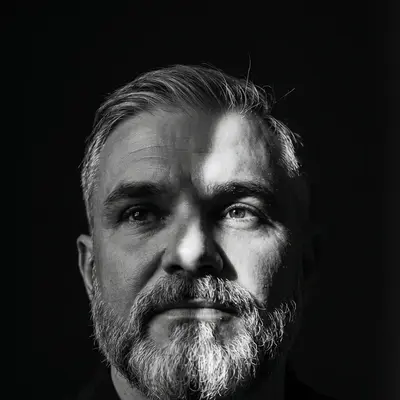
Imagine yourself in the audience of a TV show. On stage, a man has forgotten his own name. This shows that hypnosis can bring to light what our mind creates 1. People think that the hypnotized person is out of their mind, but in reality, they are concentrating on their thoughts 2 .
This concentration can cause sensory alterations. Hypnotherapy has been used since ancient times to treat various conditions. If we can change what someone perceives, perhaps we can change how they see their life.
The Federal Council of Medicine and the World Health Organization recognize hypnotherapy as a complementary therapy. It is used in various areas of health worldwide . Studies show that hypnotherapy helps in the treatment of several psychological illnesses .
This includes anxiety, depression, and panic disorder 1. In addition, it is used to control hypertension and prepare patients for surgery 1. Athletes and test-takers also use hypnosis to improve their performance 1 .
People with an artistic bent tend to be more easily hypnotized 1. Hypnotherapy is a natural, drug-free therapy 1 .
What is hypnosis?
Hypnosis is a mental state that allows us to explore the mind . It helps treat various conditions, such as insomnia and anxiety . In general, 6 to 7 hypnotherapy sessions change a patient's state for the better .
Hypnotherapy is very effective, with a success rate between 90% and 95% 3. It does not use medication, so it has no side effects 3 .
Understanding the Mechanism of Hypnosis
Scientists are still trying to understand hypnosis . Some theories say it is a mental state of the individual 4. Others believe it is influenced by external factors 4 .
In 2014, the APA defined hypnosis as a state of consciousness with focused attention and reduced perception 4 .
Studies using magnetic resonance imaging show that hypnosis alters the brain 5. This allows access to deep areas of the mind and brings about change.
https://www.youtube.com/watch?v=8edzzZPiGos
Hypnosis helps with various conditions, such as depression and obesity . Studies prove its effectiveness.
"Hypnosis is a state of consciousness involving focused attention and reduced peripheral perception, characterized by an increased responsiveness to suggestion."
American Psychological Association (APA)
Understanding hypnosis and its potential helps us use it responsibly.
Not everyone is hypnotizable.
Hypnosis can be a very useful therapeutic tool, but not everyone feels comfortable with it . A percentage of the population feels comfortable with hypnosis . This is because the reaction to hypnosis varies greatly from person to person .
Studies show that around 80% of the world's population can be hypnotized to some degree 7. But 2% of people are not susceptible to hypnosis , according to statistics 8. Among those who can be hypnotized, the reaction varies from very responsive to poorly responsive to suggestions 8 .
To be successful, it is important to choose a qualified and experienced hypnotherapy professional . The effectiveness of hypnosis varies depending on the patient and the professional .
Anyone with an IQ above 70 can be hypnotized , according to research 8. However, conditions such as schizophrenia may make hypnosis inadvisable 6. The practitioner must be aware of these limitations and adapt the treatment to the patient.
In conclusion, hypnosis can be very useful, but its success depends on each person's degree of suggestibility to hypnosis . It is also important to choose a qualified professional for the therapy . Understanding who is most susceptible can help to get the most out of hypnosis .

"Hypnosis has been shown to have a characteristic effect on the brain, allowing hallucinations." 7
Behind the Show
Do you wonder how stage hypnosis always works? Psychologist André Renato Rizzi, a former illusionist, explains: this type of performance may involve tricks or the prior selection of people who are more easily hypnotized 9 .
One technique used is the "magic of magnetic fingers." The hypnotist asks the volunteer to create a prayer-like hand position, without the index fingers. Then, he claims that the fingers come together when touching the shoulder. But, in reality, it is fatigue that causes the fingers to close .
The hypnotist may talk to the participant before the show. Or the volunteer may pretend to be hypnotized . Therefore, what appears to be hypnosis is not always, in fact, hypnotic.
https://www.youtube.com/watch?v=rVMUT1NO5RY
"Wait, if not everyone can be hypnotized instantly, how come stage hypnosis always works?"
Psychologist Rizzi says the key is the prior selection of people who are more hypnotizable 9. About 15 to 20% of the population is very susceptible to hypnosis. Another 10% cannot be hypnotized. The others have varying levels of susceptibility 9 .
Therefore, the artists choose volunteers who are more likely to enter a trance. This ensures the success of the performances.
Magic and Mystery: How Did Hypnotherapy Originate?
Hypnosis has ancient roots, dating back more than 2,400 years before Christ . Chaldean priests used altered states of consciousness in healing rituals. It was also used in Ancient Greece, Ancient Egypt, and India.
In the Middle Ages, the Persian physician Avicenna believed that imagination and words could change the mind and body. This shows how ancient and rich in tradition hypnosis is.
In the Modern Era, the physician Franz Anton Mesmer spoke of "animal magnetism." He believed that magnets and the laying on of hands could balance the body and mind.<sup> 11 </sup> Mesmer used water with iron and magnets to treat patients with "hysterical fever."<sup> 11 </sup>
Despite the success, the scientific community criticized his theories. They thought that the "universal fluid" did not exist and that the cures were fanciful. <sup>11</sup>
The Scottish surgeon James Braid, in 1842, called this state "nervous sleep". He used the term "hypnosis", derived from the Greek Hypnos, the god of sleep. 11 Mesmer's ideas influenced spiritualism and the spiritist doctrine of Allan Kardec. 11
"Hypnosis is a dialogue between two intelligent people, one of whom allows themselves to be guided and the other guides." - Father Armando Marques 12
The first scientific research into hypnosis was full of mystery and discoveries. It created the basis for modern hypnotherapy 11 12 .

Watershed Moment
The last century saw a great advance in studies on the evolution of hypnosis . This gave a new form to the method 13. One of the main researchers was Milton Erickson, a psychiatrist from the USA.
Erickson created a form of hypnosis called Ericksonian hypnosis . It focuses on the patient's dialogue and reality. This is different from the traditional form, which uses direct commands.14 This change opened new doors for the use of hypnosis in therapy.
A New Era for Hypnotherapy
The Ericksonian approach to hypnosis helps to get to know oneself better and brings about great emotional changes 13. It is used in many countries, such as the USA, to treat various mental conditions 14 .
Hypnotherapy is faster and more effective than psychoanalysis. It can change emotional and behavioral patterns in a lasting way. <sup>13 </sup>
Combining self-awareness and hypnotherapy can bring emotional balance and happiness. This helps in making better decisions and improving personal and professional relationships. <sup>13</sup>
https://www.youtube.com/watch?v=voyMxjmBmNI
"Hypnosis is described as an intentionally induced state of consciousness, characterized by focused attention and reduced peripheral awareness to allow for greater receptiveness to suggestion."
The Ericksonian approach to hypnosis helps overcome trauma and change negative patterns. It also increases people's confidence and self-esteem. 13 However, it is important that it be performed by qualified professionals to avoid harm. 14
| Customer | Report |
|---|---|
| KRF | He was successful in dealing with panic disorder in just 4 hypnosis sessions, compared to 15 years of treatment with psychiatrists and psychologists 15 . |
| PRAÇA | A 26-year-old civil servant noticed a significant improvement similar to the progress of several psychology sessions in just a few hypnotherapy sessions 15 . |
| RTKE | A 51-year-old businesswoman discovered that the results of hypnosis were more effective than long psychotherapy treatments, resolving issues in a matter of 15 minutes. |
| DK | A 29-year-old advertising professional emphasizes that hypnosis was more effective than expected, recalling old memories that positively impacted her journey of self-discovery and self-confidence 15 . |
| ECDF | A 25-year-old teacher claims to have experienced a unique feeling of lightness and peace of mind after the sessions, highlighting the emotional transformation she gained as something she will always carry with her. |
When False Memories Ruin the Session
The renowned psychoanalyst Sigmund Freud used hypnosis to access repressed memories that could be addressed in his work. But he didn't know about false memories . <sup>16</sup>
Freud stopped using hypnosis because of these problems. He began using other therapies that he was developing . Today, many people believe that hypnosis can help to remember forgotten things, as psychologist Antônio Martins says.
The controversy surrounding regression in hypnotherapy stems from the lack of training among many hypnotherapists and cases of false memory syndrome 16. The risk of creating false memories and the therapists' lack of skill in dealing with emotions are reasons not to use regression without training 16 .
However, hypnotic regression helps those who have problems from the past , such as phobias and depression 16. There are several forms of regression, including age regression and past life regression, which is much discussed 16 .
It is important to respect the patient's beliefs during regression, whether they believe in past lives or not 16. False memory syndrome caused problems in the 80s and 90s, leading to lawsuits against therapists 16 .
Incorrect comments made during hypnosis can create false memories in patients. This can negatively affect their lives and relationships. <sup>16</sup>

Hypnotherapy works.
Hypnotherapy is frowned upon in shows, but it plays an important role in health . Also called hypnotherapy , it uses hypnosis to communicate with the subconscious .
They are accepted by the Federal Council of Medicine and other health councils 17. They are used for various conditions, such as pain and anxiety 17 .
Although it is effective, many think it is a "trick" 18. But, with certified professionals, it brings many benefits 19 .
Hypnotherapy changes the mind, helping to stop addictions and reduce stress.19 It goes beyond myths, being a powerful therapeutic process.
https://www.youtube.com/watch?v=VCIiBGY0GA0
"Hypnosis is a natural process of the mind, and people go through this state daily, responding to external stimuli without conscious intention." 17
Hypnotherapy is safe when performed by qualified professionals.17 Even self-hypnosis with audio recordings can help.17 It is important to understand hypnotherapy and its benefits.
| Benefits of Hypnotherapy |
|---|
| Treatment of mental and physical disorders. |
| - Giving up vices and harmful habits |
| Weight loss |
| - Reducing stress and anxiety |
| Treatment of phobias and panic disorder. |
| Relief from pain related to conditions such as fibromyalgia. |
In conclusion, hypnotherapy is a recognized and effective therapeutic method 17 19 18. It goes beyond myths, offering benefits for various conditions.
Hypnotherapy and the Law
Hypnosis in Brazil does not have its own specific law, but it is accepted and regulated by several health councils. The Federal Council of Psychology, for example, approved Resolution No. 013 of 2000. It allows the use of hypnosis as a resource for the work of psychologists . Councils in other areas, such as Medicine and Physiotherapy, also approve and recommend the use of hypnosis as a treatment .
Furthermore, anyone can practice hypnotherapy in Brazil, provided they have a few hours of training . It is important to choose professionals with a professional license ( CRP ) for safe and effective therapy.
Doctors and dentists can also use hypnosis, provided they follow the ethical and legal rules of their fields 20. However, the use of hypnosis for sensationalist purposes is prohibited by the Federal Council of Psychology 20 .

In conclusion, hypnosis in Brazil does not have its own specific law, but health councils help guide and regulate those who use this technique. Those who wish to use hypnotherapy should seek out qualified professionals registered with the relevant councils .
Benefits of Hypnotherapy
Hypnotherapy uses the hypnotic trance state to bring benefits to patients . In this state, the individual becomes more open to suggestions. This helps to make positive changes.
It is widely used in the treatment of problems such as depression , anxiety , post-traumatic stress and phobias 21. In Brazil, many people suffer from anxiety, with approximately 18.6 million affected 21 .
Furthermore, it helps in pain control and in overcoming harmful habits , such as smoking 21 22. Research shows that hypnosis is effective against chronic pain 21. It is also a good option for those who want to quit smoking, a common problem in Brazil 21 .
Hypnotherapy also helps overcome traumas , such as sexual abuse, affecting many children and adolescents in Brazil 21. It can be a powerful tool for healing and overcoming these traumas.
Thus, hypnotherapy is an effective and versatile therapeutic option. It improves the quality of life of patients, both psychologically and physically 22 .
https://www.youtube.com/watch?v=9LBZXpgdAg4
Myths and Truths About Hypnotherapy
When we talk about hypnotherapy, many myths and prejudices arise. It is crucial to understand that hypnosis is not a deep sleep. The individual does not lose control during the session.23 They maintain consciousness and full control.
Anyone can be hypnotized, but the degree of susceptibility varies. This depends on factors such as imagination and the ability to absorb emotions . Hypnotherapy in a clinical setting has therapeutic purposes. Unlike stage hypnosis , which is for entertainment .
In Brazil , hypnosis was misused and prohibited outside of medical settings.23 But now, science sees hypnosis as an effective treatment. It helps with psychiatric conditions and increases immune resistance, such as in patients with AIDS.23
FAQ
What is hypnosis?
Hypnosis is a state of consciousness where you focus your attention and become less aware of your surroundings. This helps you accept suggestions more easily, allowing you to make positive changes within yourself.
How does hypnotherapy work?
In hypnotherapy, a professional uses hypnosis to communicate with your subconscious. In this state, you are more receptive to suggestions. This helps in the treatment of mental health issues and pain management.
Can everyone be hypnotized?
That's true. The ability to be hypnotized varies from person to person. Factors such as imagination and emotional experiences influence this. About 23% can enter a deep trance, 25% a moderate trance, 35% are mildly suggestible, and 17% are resistant.
Are stage hypnosis techniques reliable?
These presentations are not always reliable. They may use tricks or choose people who are easier to hypnotize. Furthermore, the person may be faking being hypnotized. Therefore, they do not reflect the reality of therapeutic hypnotherapy.
How did hypnotherapy originate?
Hypnotherapy is very old, with records dating back millennia. Many researchers, such as Avicenna, Franz Anton Mesmer, and James Braid, contributed to its development. The psychiatrist Milton Erickson divided the practice into Ericksonian and classical.
Can hypnosis retrieve repressed memories?
It's not guaranteed. Freud tried using hypnosis to access repressed memories, but he had problems with false memories . He abandoned the technique to focus on other therapies.
Is hypnotherapy regulated in Brazil?
There is no specific law regarding hypnosis in Brazil. However, federal health councils recognize and recommend the scientific use of hypnosis. Anyone who can prove they have completed several hours of training can practice hypnotherapy.
What are the benefits of hypnotherapy?
Hypnotherapy helps treat depression, anxiety, post-traumatic stress, and phobias. It is also used to manage pain and quit bad habits, such as smoking. Studies show that it improves sleep, manages chronic pain, and helps overcome trauma and fear.
Are there myths about hypnotherapy?
Yes, there are many myths. Hypnosis is not sleep, and you don't lose control. You maintain consciousness and control during the session.
🌟 Have you considered seeking a therapist to support your well-being journey?
If this article sparked reflections about positive changes in your life, perhaps now is the ideal time to take the next step. Do you know hypnosis as a therapeutic tool? This approach can be surprisingly effective for various personal challenges.
Special offer: Book a free 20-minute consultation with therapist Fabio Morus and discover how therapy can transform your life.
✨ No commitment — Completely free — 20 minutes that can make a difference
👉 Click here to book your free consultation
Don't postpone your well-being any longer. The first step to change is just one click away.