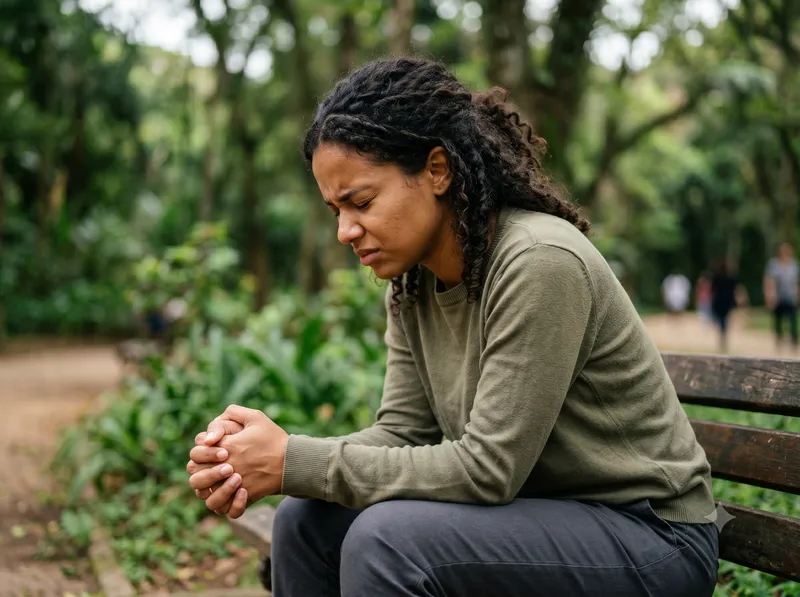

Mental health in Brazil faces major challenges , according to the WHO. Mental disorders are increasing significantly. This puts pressure on public health services to act quickly.
Each number represents a life and a story. It also shows the need to change the way we care for mental health . Let's look at the data that shows the current situation and why it's so important to take care of mental health in Brazil.
Introduction to WHO data on mental health
https://www.youtube.com/watch?v=3y45jM9mpug
The World Health Organization (WHO) greatly contributes to global well-being. It addresses not only physical illnesses but also mental health. WHO data on mental health in Brazil is very important.
They show how mental health affects the population. Mental health is essential for a better life. It helps create healthy and productive societies.
What is the WHO?
The WHO is a United Nations agency. It helps with international collaboration in health. Its mission is to ensure quality health care for all.
They focus on disease prevention and control. The WHO also develops public health guidelines. This includes taking care of mental health for overall well-being.
The importance of mental health.
Mental health is very important for everyone's well-being. It helps to cope with stress and to relate to other people. WHO data shows that mental illnesses have a significant impact.
They affect not only the individual, but also the community and the economy. Highlighting mental health helps create a supportive and preventative environment.
Research objectives
The WHO's mental health research has one main goal: to better understand mental disorders and their effects. This data is essential for creating effective public policies .
The objectives are to develop intervention strategies that meet the needs of each region. The research aims for a more inclusive health system that prioritizes psychological well-being.
Overview of mental health in Brazil

Brazil faces a major problem with mental health. Many people have emotional difficulties. This greatly affects the lives of millions.
Current statistics
In 2023, 19 million Brazilians suffered from anxiety. Depression is also a major problem. This is a challenge for everyone.
Comparison with other countries
Brazil has more cases of mental disorders than other countries. The United States and Argentina have fewer cases of anxiety. This shows that Brazil needs urgent help.
Regionalization of data
Data on mental health varies widely across the country. The Northeast has more problems. This shows that more help and investment in mental health is needed.
| Region | Percentage of Mental Disorders | Main Disorders |
|---|---|---|
| Southeast | 30% | Anxiety, Depression |
| North East | 35% | Depression, PTSD |
| Central-West | 28% | Anxiety |
| South | 27% | Depression |
| North | 33% | Anxiety, Depression |
Most common mental disorders in Brazil

Brazil is fighting against mental disorders . They affect many people. Anxiety, depression , and panic disorder are the most common.
These problems greatly affect people's lives. It is crucial to understand them and seek solutions for them.
Anxiety
Anxiety is the biggest problem in Brazil. More than 18 million people are affected, according to the WHO. It causes emotional and behavioral problems.
This affects people's daily lives. It's very important to seek help and treat anxiety.
Depression
Depression is also a major problem. Around 12 million Brazilians suffer from this disorder. It brings sadness, discouragement, and low self-esteem.
It is essential to recognize the symptoms and seek help. Proper support greatly aids in recovery.
Panic disorder
Panic disorder is a type of anxiety. It has gained more attention, especially with the pandemic. Many people experience fear and distress.
It's important to have emotional support. Treating this condition helps prevent problems in daily life.
Impact of the COVID-19 pandemic on mental health

The COVID-19 pandemic brought significant challenges to mental health. Recent data shows the impact on the psychological health of the population. 53% of Brazilians experienced more mental health problems during this period.
Data on the increase in disorders
Cases of anxiety and depression have increased significantly. Symptom rates were much higher than before the pandemic. Social pressure and fear of the virus have worsened the situation.
Groups most affected
Some groups were more affected by the pandemic. Young people and healthcare professionals, for example, faced a lot of stress. Those who worked on the front lines suffered greatly emotionally.
Public health measures
The Ministry of Health took important measures. Teleconsultations and more mental health services were created. These actions helped the population with mental health problems and met new needs.
Young people and mental health

The mental health of young people is very important nowadays. Many young people suffer from anxiety and depression. This causes stress due to social and academic pressure .
The digital world and competition make these problems worse. Having good psychological support for them is essential.
Prevalence of disorders in youth
Studies show that the mental health of young people is worsening. There are more cases of anxiety and depression. These problems affect the well-being and development of young people.
They can harm school performance and social relationships.
Effects of social and academic pressure
Social pressure and the pursuit of academic perfection increase mental health problems. The fear of not meeting expectations can cause emotional stress. This requires attention and strategic interventions.
Support strategies
Various forms of psychological support are effective in addressing these challenges . Awareness programs in schools are essential. They address mental health and offer emotional support.
Discussion groups and relaxation activities help reduce social pressure. They create a more welcoming environment for young people.
Mental health and violence

Mental health and violence are linked in many ways. People with mental health problems are more vulnerable to violence. This happens because of social stigma and exclusion.
Those who suffer violence may experience a worsening of their mental health problems. This creates a cycle of suffering that needs to be broken.
The relationship between violence and mental disorders.
People with mental health issues are more likely to be victims of violence. Society often fails to understand or support these individuals, exacerbating the situation.
Furthermore, those who commit violence may have untreated mental health issues. This shows how these phenomena are linked.
Data on victims and perpetrators
Many victims of violence suffer psychological trauma. Analyzing this data helps to understand the problem. It also shows what these people need.
Many abusers also have mental health issues. This highlights the importance of addressing these issues comprehensively.
Prevention policies
It is essential to have policies that address mental health. This includes educational programs and protection for victims. By caring for mental health, we can reduce violence and improve people's lives.
Access to mental health services

In Brazil, accessing mental health services is a major challenge. This highlights the differences between regions. The Psychosocial Care Network (RAPS) attempts to help, but faces problems such as lack of funding and a shortage of professionals.
Data on psychological coverage
Recent studies show that mental health coverage in Brazil is poor. Many people who need help cannot find it. This indicates that we need public policies to improve the situation.
It is urgent to innovate and invest more in the sector. This way, we can offer better service to more people.
Regional inequalities
The differences between regions in Brazil make it difficult to access mental health services . Remote areas face even greater challenges. Even large cities struggle with a shortage of professionals.
These differences make the problem of mental disorders even more difficult to solve.
Investment needs
To improve the situation, we need to invest more in mental health. Strengthening the Psychosocial Care Network (RAPS) and valuing professionals is essential. In this way, we will be able to offer a better service for everyone.
Effects of socioeconomic inequality on mental health

Socioeconomic inequality in Brazil greatly affects mental health. This is especially true for vulnerable groups . For example, homeless people and ethnic minorities have higher rates of mental health disorders.
Poverty and social exclusion worsen these conditions. Therefore, it is crucial to take effective measures.
Analysis of vulnerable groups
Vulnerable groups face difficulties accessing healthcare and psychological support. The stigma surrounding mental health prevents them from seeking help. It is important to understand the relationship between inequality and mental health.
Impact of poverty and social exclusion
Poverty and social exclusion affect mental health. Lack of food and safe housing harms psychological well-being. Research shows that depression and anxiety are more common among the poor.
Proposals for a solution
Psychological support programs in underserved areas are essential. They should include:
- Mental health education for the community;
- Training healthcare professionals in vulnerable settings;
- Easy access to mental health services.
These actions will help improve mental well-being. They will facilitate social reintegration and provide support to vulnerable groups . In this way, we will create a fairer and healthier environment for everyone.
Indigenous territories and mental health
Indigenous communities in Brazil face unique mental health challenges . Historical, social, and cultural issues directly affect psychological health. Lack of access to healthcare services and colonization have left deep scars.
Challenges faced by indigenous communities
The main challenges include:
- Stories of marginalization and social exclusion.
- Impacts of territorial conflicts.
- Lack of awareness about mental health in communities.
Existing actions and programs
With increasing awareness , important initiatives have emerged. Health programs have been created to:
- To empower professionals to meet the needs of these communities.
- To promote cultural integration in therapeutic approaches.
- To foster the strengthening of local support networks.
Results of interventions
The interventions showed promising results. The population-targeted health programs were successful. There were improvements in quality of life and psychological well-being. This demonstrates the importance of investing in tailored strategies.
Legislation and mental health in Brazil
Mental health legislation in Brazil greatly contributes to psychological well-being. Important laws, such as the Psychiatric Reform, create guidelines to address mental health needs. They demonstrate a commitment to positive changes in this area.
Key laws and guidelines
Law 10.216 of 2001 is very important. It promotes deinstitutionalization and guarantees rights to mental health service users. The Psychosocial Care Network (RAPS) helps implement these changes, creating important centers for assistance.
Challenges in policy implementation
Implementing mental health policies is difficult. There is a lack of money and personnel to carry out the work. Society may also not accept treatment for mental disorders. Overcoming these obstacles is essential to changing mental health in Brazil.
The role of civil society
Civil society is very important for mental health. Non-governmental organizations help raise awareness and advocate for people's rights. They are essential in ensuring that laws are followed, promoting better mental health.
Care and prevention: the role of the community
Community care is very important for mental health. Families, friends, and neighbors working together help a lot. They create a safe and supportive environment.
This work can be seen in many initiatives. They seek to improve people's psychological and emotional well-being.
Importance of family and social support
Loneliness and isolation increase the risk of mental health problems. Social support reduces this risk. It makes people feel valued and understood.
Having family and close friends helps a lot. They form a safety net during difficult times.
Effective community programs
Programs focused on community care are very effective. They offer psychological support and create strong bonds. This helps prevent mental illness.
These programs respect the culture of the communities. They create a human and respectful connection.
Examples of good practices
Experiences like self-esteem workshops and support groups are good. They allow people to share and learn together. This helps in dealing with emotional challenges.
Using traditional practices, such as group discussions, shows respect for local culture. These actions strengthen the social fabric of communities.
The role of schools in mental health.
Schools are very important for mental health. They need to teach teachers how to care for the emotional well-being of students. In this way, educators can help students feel safe and supported.
Educational initiatives for mental health
Many actions have been taken to care for mental health. Programs that teach social-emotional skills are essential. They help students understand and cope with their emotions.
- Emotional development workshops.
- Psychological support services at school.
- Projects that encourage empathy and collaboration among students.
Data on students' mental health
Studies show a serious problem in the mental health of students. Anxiety and depression are increasing among young people. Around 30% of students feel overwhelmed. It is crucial that schools pay attention to mental health.
Teacher training
Teacher training is very important. Specialized training helps educators deal with emotional issues. This enables teachers to create a positive school environment.
| Initiative | Description | Benefits |
|---|---|---|
| Emotional Development Workshops | Activities for teaching social-emotional skills. | It promotes self-awareness and emotional management. |
| Psychological Services | Psychology services available at the school. | Direct support for students facing emotional difficulties. |
| Empathy Projects | Initiatives that encourage collaboration and respect. | It builds healthy relationships between students. |
Mental health awareness campaigns
Mental health campaigns are very important. They help to remove stigma and promote psychological well-being. Using social media helps to reach more people and start conversations about mental health.
Examples of effective campaigns
"Yellow September" is a famous campaign. It aims to prevent suicides and raise awareness about the importance of seeking help. "White January" is also effective, focusing on mental health at the beginning of the year.
These campaigns have changed how people view their emotional problems. They encourage self-care and seeking help.
Impact of Social Media
Social media is a powerful channel. It allows you to create engaging content that reaches many people. Instagram and Facebook are examples of platforms that help spread messages of support.
These channels help to break down barriers and prejudices about mental disorders.
Public participation
Public participation is essential. People can help in many ways, such as sharing information or participating in events. This collaboration enriches campaigns and creates a supportive environment.
The future of mental health in Brazil.
The future of mental health in Brazil is changing. This is due to new trends and important shifts. Effective public policies and ongoing research are essential for this.
The digitalization of mental health services is helping a lot. It makes access to treatment easier. This leads to more people being willing to seek help.
Expected trends and changes
New technologies are advancing mental health. Wellness apps and online therapy are becoming more common. This is good because it helps make treatment more accessible.
Online therapy can pave the way for more conversations about mental health. This helps reduce the fear of talking about these issues.
Importance of public policies
Well-invested public policies are crucial. They ensure that mental health reaches those who need it most. These policies must be based on solid research.
This research helps to better understand the needs of the population. Therefore, it is possible to create more effective prevention and treatment programs.
The role of ongoing research
Research is essential for the future of mental health . It helps to find new treatments and methods. This improves the quality of services offered.
It is important to continue supporting this research. In this way, Brazil can better face current and future challenges.
Conclusion: Reflections on the WHO data
The WHO's analysis of mental health in Brazil paints a worrying picture. It's time for everyone—healthcare professionals, politicians, and society—to take action. Recognizing and treating mental health disorders is essential for a better future.
Call to action
The WHO figures are alarming and cannot be ignored. They make us think about our responsibility to improve mental health. It is urgent to make mental health a priority.
Relevance of the numbers presented
WHO data represents more than just numbers. It represents lives and stories that need support. Understanding the importance of these figures shows that investing in mental health is crucial to improving people's lives.
The importance of investing in mental health.
Investing in mental health demonstrates our commitment to the well-being of society. This not only helps address emotional challenges but also strengthens communities. It's time to act and ensure mental health for all.
🌟 Have you considered seeking a therapist to support your well-being journey?
If this article sparked reflections about positive changes in your life, perhaps now is the ideal time to take the next step. Do you know hypnosis as a therapeutic tool? This approach can be surprisingly effective for various personal challenges.
Special offer: Book a free 20-minute consultation with therapist Fabio Morus and discover how therapy can transform your life.
✨ No commitment — Completely free — 20 minutes that can make a difference
👉 Click here to book your free consultation
Don't postpone your well-being any longer. The first step to change is just one click away.