
Anxiety can come like an unexpected whirlwind. It can paralyze our thoughts and emotions. Millions of Brazilians struggle with it every day.
This condition robs you of inner peace. But it's possible to alleviate anxiety quickly. I'll show you techniques that help you regain emotional control .
Our goal is to provide tools to alleviate anxiety. They can transform moments of chaos into moments of calm.
Key Points
- Identify the immediate triggers of anxiety.
- Learn breathing techniques to calm your mind.
- Develop strategies for short-term anxiety.
- Practice mindfulness during times of crisis.
- Create a personal emotional management plan.
Understanding Anxiety and Its Impacts on the Body
Anxiety affects many people in Brazil. The Pan American Health Organization says that more than 58 million suffer from it globally. Brazil has many cases.
To control anxiety, it's important to understand how it works. When anxiety arises, our body thinks it's in danger. This causes our body to react in various ways.
Physical and Emotional Signs of Anxiety
The symptoms of anxiety can vary from person to person. They may include:
- Tachycardia and palpitations
- Gasping for breath
- Tremors and muscle tension
- Excessive sweating
- An inexplicable feeling of fear.
How the Body Reacts During a Crisis
When anxiety arises, the body releases hormones. This prepares the body to fight or flee. This reaction can cause:
- Increased blood pressure
- Reduced digestive function
- Changes in the immune system
Difference Between Normal and Pathological Anxiety
It's important to know when anxiety is normal and when it's a problem. Normal anxiety is a response to stress. But pathological anxiety greatly affects daily life.
| Normal Anxiety | Pathological Anxiety |
|---|---|
| Temporary reaction to stressors | Persistent and disproportionate symptoms |
| It does not interfere with daily activities. | It limits social and professional functions. |
| Manageable with simple techniques | Requires professional intervention. |
Understanding these points helps in finding ways to manage anxiety, and in knowing when it's time to seek help.
How to Relieve Anxiety Instantly: Proven Techniques
In Brazil, more than 18 million people suffer from anxiety. It's essential to find ways to manage emotions. There are strategies that can alleviate anxiety quickly.
Let's look at some relaxation techniques that help balance emotions:
- Conscious Breathing : Reduces heart rate by up to 15 beats per minute.
- Quick Meditation: Reduces anxiety by up to 30%.
- Progressive Muscle Relaxation: Reduces muscle tension by 50% in 15 minutes.
Practicing these techniques regularly transforms emotional control . Studies indicate that they can increase productivity by up to 25% by reducing stress.
Tips for moments of anxiety:
- Take a deep, conscious breath.
- Practice a quick 5-minute meditation.
- Perform muscle relaxation exercises.
- Use mindfulness techniques to reconnect with the present moment.
Each person is unique. What works for one person may not work for another. Experiment with different techniques and find the ones that best fit your lifestyle and emotional needs.
Deep Breathing Techniques to Calm the Mind
Breathing techniques are very effective in reducing stress. They help control our emotions. Conscious breathing can quickly change our mental state.
Let's look at three exercises that can help you find balance:
4-7-8 Breathing Method
Andrew Weil created the 4-7-8 Method in 2015. It's a simple technique that helps balance the nervous system. Its basic sequence is:
- Breathe in for 4 counts
- Hold your breath for 7 counts.
- Exhale for 8 counts.
A study in Thailand showed that this practice improves heart rate and blood pressure.
Guided Diaphragmatic Breathing
This technique improves oxygenation and reduces muscle tension. The process is simple:
- Inspire by counting to 4
- Expire counting to 6
- Keep your abdomen relaxed.
Square Breathing Exercises
Also known as box breathing, this technique interrupts anxious thoughts. It keeps the focus on the present.
Practice these exercises for at least 15 minutes every day. Conscious breathing is a powerful tool for calming the mind and controlling anxiety.
Mindfulness and Meditation: Practices for the Present Moment
Mindfulness practices began in the 1970s in the United States. They help reduce stress and focus on the present moment. They were developed at the University of Massachusetts.
Guided meditation is great for those who want to feel better emotionally. Many studies show its great benefits:
- Significant reduction in stress levels
- Improved sleep quality
- Increased mental clarity
- Decreased emotional reactivity
To begin, simply practice for 5 minutes a day . Pay attention to your breathing and observe your thoughts without judgment. The idea is to be consistent and accept the present moment.
Practices like body scanning help to unite mind and body. This brings calm. Conscious breathing also helps to calm the nervous system.
There's nothing you can't do with mindfulness. It's easy to start and doesn't require anything special. It's a great way to take care of your emotions.
The Power of Hypnotherapy in Controlling Anxiety
Hypnotherapy is a powerful tool against anxiety. It helps to change negative mental patterns. About 10% to 15% of people are very receptive to hypnosis, showing its great therapeutic potential.
Hypnotherapy works on the subconscious. This allows people to change deep mental states. It is a non-invasive way to explore the inner self and change behavior in a lasting way.
Self-Hypnosis Techniques
Hypnosis techniques can help manage anxiety in several ways:
- Deep conscious breathing
- Visualization of relaxing places
- Repetition of positive words
- Creating mental anchors for calm.
Benefits of Guided Hypnosis
Guided hypnosis offers many benefits for those who suffer from anxiety:
- Stress reduction
- Improved emotional control
- Fewer physical symptoms of anxiety.
- Greater psychological resilience
Studies from Stanford University show that those who are more easily hypnotized have higher levels of GABA. GABA helps control the mind and emotions.
Physical Exercise and Movement as Allies
Physical activity is very helpful against anxiety. Studies show that exercise can reduce anxiety in up to 40% of people.
Exercise causes our bodies to release endorphins . These are substances that make us feel good and relaxed.
- Brisk 30-minute walks
- Dance
- Yoga
- Stretching exercises
The World Health Organization says that adults should get 150 to 300 minutes of physical activity per week. This helps a lot with anxiety.
| Type of Exercise | Impact on Anxiety | Recommended Duration |
|---|---|---|
| Aerobic | Discounts up to 40% | 30 minutes, 3 times a week |
| Yoga | Voltage reduction of 40% | 45-60 minutes |
| Dance | 70% reduction in symptoms | 45 minutes |
Any movement helps more than staying still. Start slowly and choose activities you enjoy. This way, you will effectively reduce anxiety.
Progressive Muscle Relaxation Techniques
Progressive muscle relaxation is very helpful against anxiety. It was created in the 1930s by Edmund Jacobson. It is an effective way to reduce stress and relax deeply.
This technique involves tensing and relaxing your muscles. This helps release tension from the body. The goal is to feel your body and calm down.
Essential Steps for Total Relaxation
To relax using this technique, follow these steps:
- Find a quiet and comfortable place.
- Wear clothes that are not too tight.
- Choose a position, sitting or lying down.
- Take a deep breath and keep the rhythm.
Tension and Relaxation Exercises
The exercises involve tension and relaxation:
- Start at your feet, tensing for 5 seconds.
- Relax for 10 seconds.
- Move up the body: legs, hips, abdomen.
- Focus on the muscles of anxiety.
Studies show that this technique reduces cortisol, the stress hormone. Practicing it for 15 to 20 minutes a day greatly benefits both mental and physical health .
Important tip: Consistency is key. Practice daily to develop this deep relaxation skill and achieve the best results in controlling anxiety.
Nutrition and Its Influence on Anxiety Control
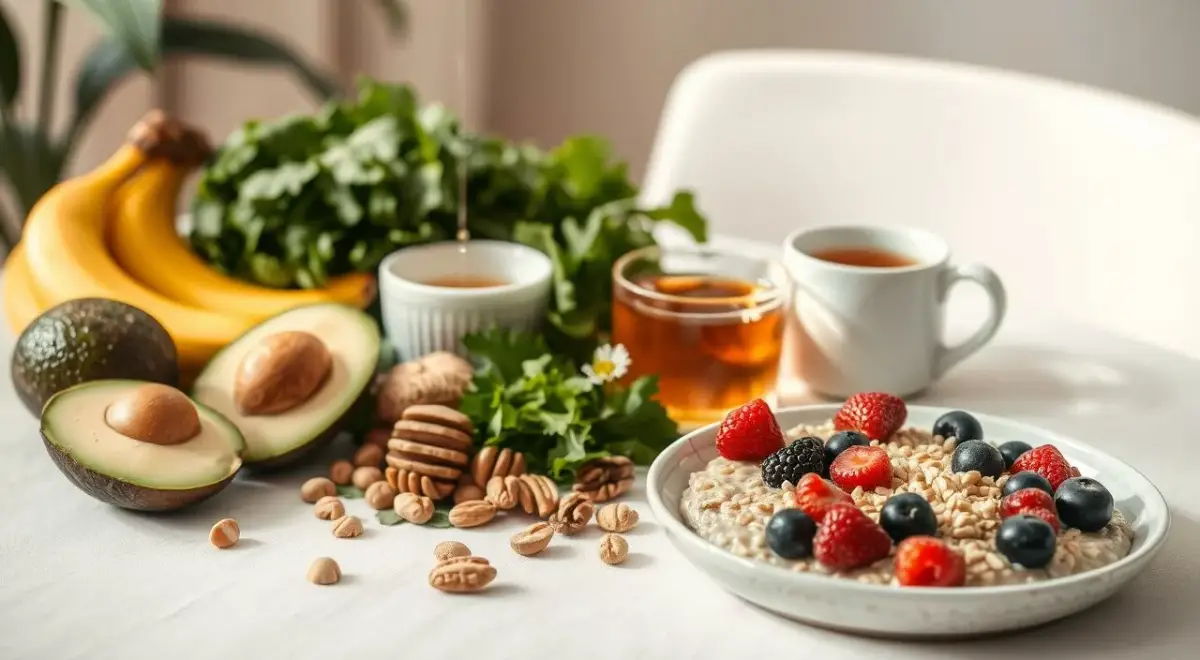
Food is very important for managing anxiety. Choosing the right foods helps reduce stress. It also improves emotional well-being .
Some foods have properties that help combat anxiety. See which ingredients can improve your mood:
- Green tea: increases the production of dopamine and serotonin.
- Dark chocolate: contains phenylethylamine which regulates mood.
- Passion fruit juice: rich in flavonoids that balance blood pressure.
- Eggs: a source of tryptophan to improve mood.
Nutrient-rich foods help reduce stress. Here are some examples:
| Food | Benefits for Emotional Well-being |
|---|---|
| Banana | It stimulates serotonin production. |
| Brazil nut | Reduces symptoms of anxiety. |
| Salmon | Improve mental health with omega-3. |
Avoid eating refined sugar, excessive coffee, and ultra-processed foods. They can worsen anxiety. Opt for a balanced diet rich in nutrients to improve your emotional control.
The Importance of Sleep in Emotional Regulation
Sleep is very important for our mental health . We sleep for about a third of the time we live. This shows how essential sleep is for our well-being.
When we don't sleep well, anxiety increases. This makes people feel more stressed. A study from the University of São Paulo showed that 65.5% of Brazilians have sleep problems. This greatly affects our mental health.
Poor sleep is bad for our concentration. It can also cause fatigue, muscle aches, and headaches. To sleep better, it's important to have a routine.
Maintaining a fixed bedtime helps a lot. Create a quiet and dark environment for sleeping. Avoid using electronic devices before bed. Practices like meditation and exercise also help a great deal.
Creating a Healthy Sleep Routine
Having a sleep routine is essential. Set a time to go to bed and wake up, even on weekends. Relaxing practices, such as warm baths, help a lot.
Remember: quality sleep improves our mental health. It's an investment in our well-being.
How about scheduling a free 20-minute session with Therapist Fabio Morus? He can help you take the first step towards a lighter and more balanced life. Click here to schedule!
Sources:
🌟 Have you considered seeking a therapist to support your well-being journey?
If this article sparked reflections about positive changes in your life, perhaps now is the ideal time to take the next step. Do you know hypnosis as a therapeutic tool? This approach can be surprisingly effective for various personal challenges.
Special offer: Book a free 20-minute consultation with therapist Fabio Morus and discover how therapy can transform your life.
✨ No commitment — Completely free — 20 minutes that can make a difference
👉 Click here to book your free consultation
Don't postpone your well-being any longer. The first step to change is just one click away.