Have you ever felt overwhelmed, with a racing heart and a mind racing? These are common sensations when anxiety hits us. Brazil leads the world ranking with the highest rate of anxious people, reaching 9.3% of the population, according to the World Health Organization (WHO) 1 .
Unfortunately, you don't have to suffer in silence. There are several techniques, proven by experts, that can help us. They help us deal with anxiety and regain control over our emotions.
Understanding anxiety and its impacts
Anxiety affects millions of people worldwide. It is a feeling of unease and fear that can greatly impact people 's lives. When anxiety is very strong, it can prevent people from doing important things. It can affect anyone, regardless of gender, age, or occupation.
What is anxiety?
Anxiety is an emotional reaction to threats from the future . It has existed since the origin of humankind, helping to protect and survive . Anxiety disorders include generalized anxiety disorder and OCD, among others .
How anxiety affects daily life.
Symptoms of anxiety can be physical or psychological. Physical symptoms include muscle tension and tachycardia 3. Psychological symptoms can include excessive worry and mood swings 2 .
Anxiety can lead to consequences such as isolation and low self-esteem . It affects many people worldwide . During the pandemic, cases of depression and anxiety increased significantly, according to the WHO . More than 70% of Brazilians have sleep problems due to anxiety, according to Fiocruz .
https://www.youtube.com/watch?v=87HDYtde_CU
Understanding anxiety and its effects is the first step in dealing with it. With the support of professionals and effective strategies, it's possible to manage anxiety and improve your life.
Progressive muscle relaxation techniques
Progressive muscle relaxation is a technique that helps relax muscles and mind. It is widely used to combat anxiety . It consists of contracting and relaxing a group of muscles in the body. It can be done generally or focused on a specific area.
Full body muscle relaxation
Whole-body relaxation involves relaxing muscles in various parts of the body. This helps to calm the entire body and reduces muscle tension. <sup>5</sup>
Localized muscle relaxation
Localized muscle relaxation focuses on a specific area, such as the face or shoulders. It's good when you feel tension in a group of muscles 5 .
Any form of progressive muscle relaxation can greatly help against anxiety 4 5 .
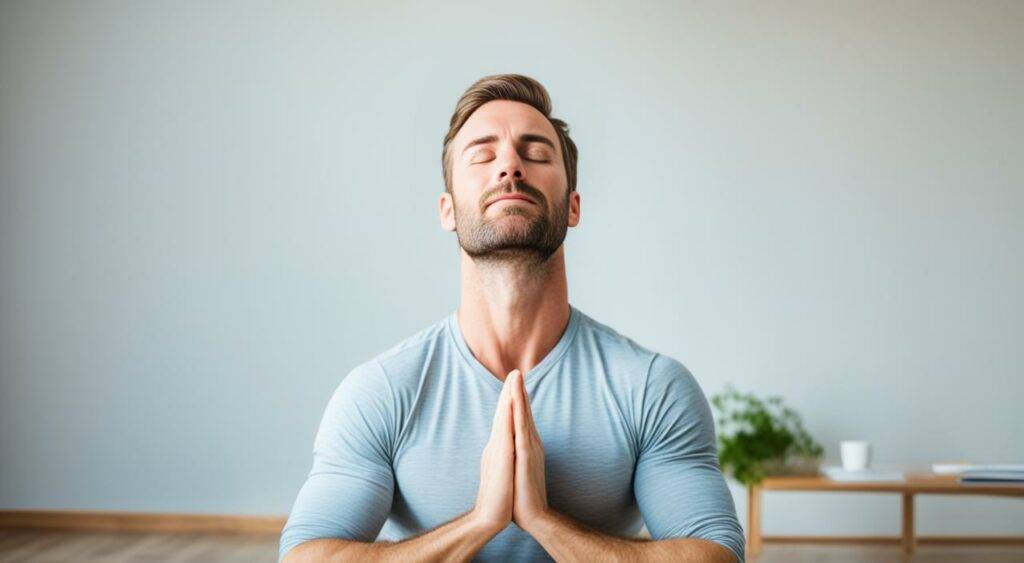
" Progressive muscle relaxation is used by elite athletes, such as the Toronto Blue Jays' mental performance coordinator, Rob DiBernardo." 5
| Benefits of Progressive Muscle Relaxation | Description |
|---|---|
| Anxiety relief | Studies show that it relieves anxiety, stress and improves sleep, even in patients with Covid-19 and burns 5 . |
| Increased pain threshold | The technique increases pain thresholds in post-surgery patients or those with advanced cancer 5 . |
| Accessibility | It's easy to do, even for children and people who have difficulty with meditation 5 . |
For best results, perform progressive muscle relaxation every day for a week and several times a week 5 .
Diaphragmatic breathing: calming the mind and body
Diaphragmatic breathing is an ally against anxiety. It makes the diaphragm move, which also moves the abdomen. This deep breathing helps to trick the body into believing that everything is alright, reducing anxiety .
Studies from Stanford University show that breathing for five minutes a day improves mood and reduces anxiety 6. Controlled breathing is better than meditation for reducing anxiety 6 .
Volunteers who performed breathing exercises for five minutes daily for four weeks felt better in terms of well-being 6. Breathing slowly was the most effective way to feel good 6 .
- Slow, deep breathing exercises have been used by various cultures to improve mood for centuries .
- These exercises regulate the nervous system, reduce blood pressure, heart rate and muscle tension, and release endogenous opioids 6 .
- Controlling your breathing helps you feel your body better, which helps you deal with stress .
- Breathing slowly is easy to learn and brings long-term benefits for stress and anxiety 6 .
- Anyone can practice breathing safely, and five minutes a day is enough to see results 6 .
Breathing techniques for reducing stress come from ancient traditions, such as yoga and Tibetan medicine. They help to reduce stress, anxiety, and depression .
Deep breathing brings more oxygen to the body, leaving it energized and the mind relaxed 7. Many medical visits are caused by psychological and emotional problems 7 .
"Calm and correct breathing is an antidote to stress and anxiety, bringing relaxation and well-being." 7
https://www.youtube.com/watch?v=09dY9sEFMqs
In conclusion, diaphragmatic breathing , or abdominal breathing , is a powerful technique for calming the mind and body. With just a few minutes a day, you can improve your health and well-being.
The CALM DOWN strategy for dealing with anxiety attacks.
Anxiety can be difficult to control, but the CALM DOWN strategy can help. Created by psychologist Bernard Rangé, it uses mindfulness techniques. It has six important steps:
Accept your anxiety.
It is important to accept feelings of anxiety, rather than trying to ignore them. This can lessen the discomfort and intensity of the symptoms .
Observe the things around you.
Looking at your surroundings helps you focus on the present. This takes away worries .
Act on your anxiety.
Despite the anxiety, it's important to continue acting normally. This shows that anxiety doesn't control you .
Release the air from your lungs.
Breathing slowly and deeply helps to calm the body and mind 8 .
Keep the previous steps.
Repeating the previous steps helps to better manage anxiety 8 .
Examine your thoughts
Reflecting on your thoughts helps you understand that anxiety is natural. It's important to accept it .
The CALM DOWN strategy is not a substitute for professional treatment for anxiety 9. It is a tool that can help in the moment 8 .
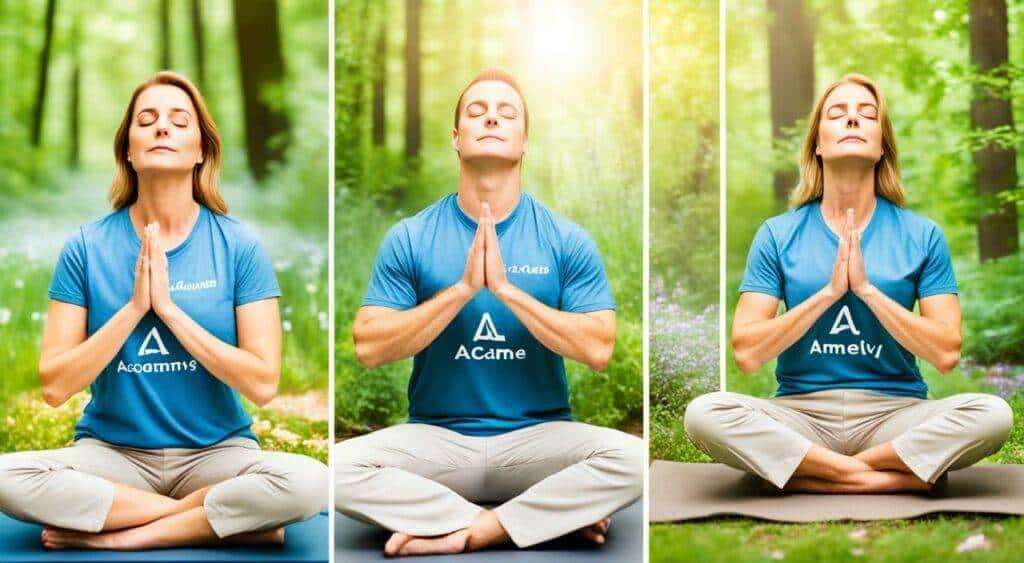
Some health institutions , such as Unimed VTRP, offer groups and activities to help manage anxiety.9 But it's always good to seek help from professionals for a complete treatment.9
| Relevant Data | Values |
|---|---|
| Rate of people with anxiety disorders in Brazil | 9.3% 9 |
| Rate of people with depression in Brazil | 5.8% 9 |
"The 'CALM DOWN' strategy is a powerful technique for dealing with anxiety, but it does not replace professional help. It is a complementary tool that can make all the difference in a moment of crisis."
The CALM DOWN strategy, along with mindfulness and other techniques, can be a good alternative for dealing with anxiety.
What's good for relieving anxiety? Regular physical exercise.
Physical exercise is essential to combat anxiety. It increases heart rate, which stimulates the production of endorphins. These "happiness hormones" act as natural painkillers, reducing stress and promoting well-being.<sup> 10</sup>
Furthermore, physical exercise improves sleep and increases self-confidence . This is crucial for reducing anxiety .
Endorphin release
Physical exercise promotes the release of neurotransmitters such as serotonin and dopamine 11. These "happiness hormones" alleviate symptoms of anxiety, bringing calm and relaxation 11 .
Improved sleep
Anxious people often have trouble sleeping. Regular physical exercise can improve sleep quality, especially for those who are anxious . Restful sleep helps reduce anxiety.
Increased self-confidence
Physical exercise also improves self-confidence and self-esteem 12. Having more self-confidence helps to face the challenges of daily life and to reduce anxiety.
Activities such as walking, running, cycling, yoga, swimming, Pilates, dancing, and intense exercise are good for controlling anxiety. Choose what you enjoy and what fits into your routine to practice regularly .
https://www.youtube.com/watch?v=gPBMx8ncRxg
"Regular physical activity can prevent disease and indirectly reduce anxiety." 12
Seek professional help to properly treat anxiety. A personalized and specialized approach to mental health is essential .
Deep breathing techniques to calm down quickly.
Deep breathing is a powerful tool for controlling anxiety 13. Techniques such as abdominal breathing , the 4-7-8 method, and coordinated breathing calm the mind and body quickly 14. They can be done anywhere, whether in a quiet environment or in stressful situations.
Abdominal breathing
Abdominal, or diaphragmatic, breathing is effective against anxiety 15. Inhaling through the nose and directing the air to the belly causes the diaphragm to move. Exhaling through the mouth allows the abdomen to contract. This activates the parasympathetic nervous system, bringing calm to the body 15 .
4-7-8 Breathing
The 4-7-8 method involves inhaling for four counts, followed by seven counts of pause and eight counts of exhalation . Popularized by Andrew Weil in 2015, it can increase the chance of falling asleep and reduce anxiety . Start slowly and practice three to four cycles before you feel comfortable . Over time, this technique improves stress and anxiety management .
Coordinated breathing
Coordinated, or square, breathing involves inhaling for four counts, pausing for four, exhaling for four, and pausing again for four . It helps establish respiratory balance and promotes calmness . This technique can help control anxiety .
Other techniques, such as prolonged exhalation and alternating nostrils, also relieve anxiety 14. Physiotherapists and physical educators recommend these practices to control anxiety and reduce stress 15 .
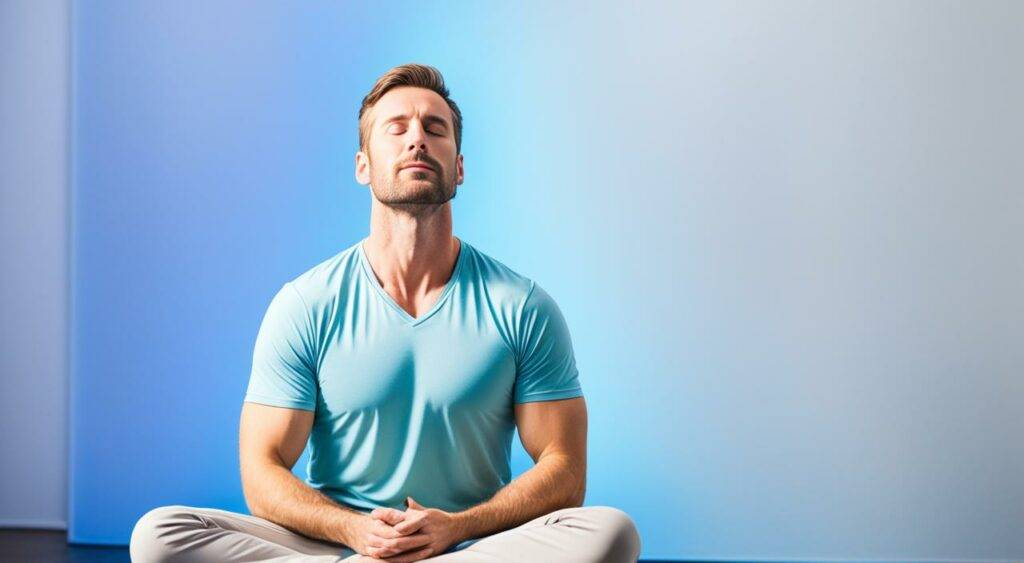
Incorporating these breathing techniques into your daily routine helps manage anxiety and promotes well-being. Learn more about how they can alleviate anxiety 13 14 15 .
Meditation and mindfulness: focusing on the present.
Meditation and mindfulness are great for combating anxiety . They teach us to focus on our breathing and the present moment. This reduces stress and helps control emotions and thoughts. Studies show that mindfulness reduces anxiety and depression, improving well-being.
There are several types of meditation and mindfulness to choose from:
- Mindful meditation : Focus on the present moment, observing sensations and breathing.
- Transcendental meditation: Uses a mantra to calm the mind and relax.
- Body awareness: Observing physical sensations, such as muscle tension.
Studies show that Mindfulness meditation improves attention and cognition. It also reduces pain and improves cardiovascular health. Regular practice improves immunity .
Meditation is as good as cognitive behavioral therapy at reducing anxiety. It improves sleep and focus . Regular practice increases psychological resilience, helping to cope with stress.
https://www.youtube.com/watch?v=gxXZCl4vA-g
Adding meditation and mindfulness to your daily routine is a good strategy. Start with short sessions and try different techniques to find what works best for you.
Healthy eating and regular sleep
Eating well and sleeping well are great ways to combat anxiety 18. Foods rich in tryptophan, magnesium, and omega-3 are great for the mind 19. Sleeping well is crucial for feeling good.
Healthy sleep routine
20. Kiwi, walnuts, and bananas help you sleep well . Sleeping and waking up at the same time every day is very important. This improves sleep and reduces anxiety.
Essential nutrients
18. Eating chocolate, passion fruit, and yogurt helps control anxiety. 19. It's good to avoid sugar, coffee, and alcoholic beverages, which worsen anxiety.
Eating well and sleeping well are great strategies against anxiety . A good night's sleep and a balanced diet can reduce the risk of disease by up to 40%.
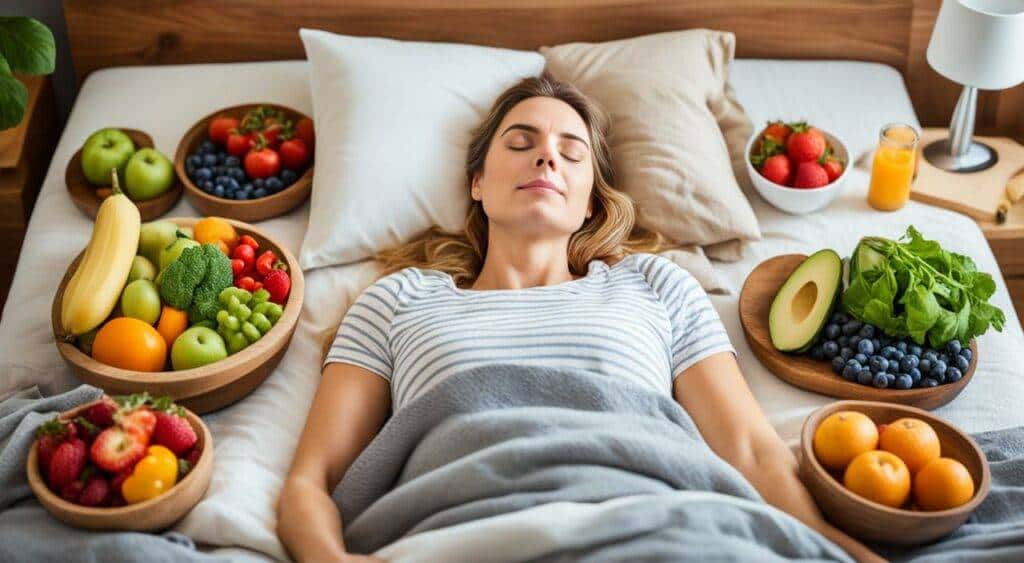
"Eating nutritious foods and getting a good night's sleep are two of the best things you can do to improve your mental and emotional health."
Professional support for anxiety
The techniques mentioned earlier are very helpful against anxiety. But, in some cases, it is crucial to have help from mental health professionals, such as psychologists and therapists 21. They can find the reason for the anxiety and create a treatment plan that meets the patient's needs, such as cognitive-behavioral therapy 22 .
According to the World Health Organization (WHO), about 10% of the Brazilian population suffers from anxiety . Brazil is the most anxious country in the world, and the Covid-19 pandemic has increased the number of cases. Anxiety can affect children for various reasons, such as parental divorce or school exams. Anxiety disorders have genetic and environmental causes and are not curable .
During anxiety attacks, it's important to seek professional help. In these situations, symptoms such as rapid heartbeat and shortness of breath can worsen . Medication and therapy can be great allies in treatment . Anxiety can lead to problems such as Generalized Anxiety Disorder (GAD), social phobia , and panic disorder, affecting personal and professional life.
FAQ
What is anxiety?
Anxiety is a feeling of restlessness and fear. It can affect people's daily lives. In excess, it can paralyze and harm self-esteem and quality of life.
How does anxiety affect daily life?
Excessive anxiety can paralyze and disrupt daily life. It doesn't discriminate based on gender, age, or profession, affecting anyone.
What is progressive muscle relaxation?
Progressive muscle relaxation combines muscle and mental relaxation. It is used to combat anxiety. It consists of contracting and relaxing muscles, promoting relaxation.
What are the ways to achieve progressive muscle relaxation?
There are two methods: whole-body relaxation and localized relaxation. Whole-body relaxation involves localized relaxations, one after the other.
What is diaphragmatic breathing?
Diaphragmatic breathing is deep and moves the abdomen. It helps to tell the body that everything is okay, reducing anxiety.
What is the CALM DOWN strategy?
The CALM DOWN strategy uses mindfulness to deal with anxiety. It stands for: Accept, Contemplate, Act, Release, Hold, and Examine. It helps to focus on the present and reduce worries.
How do physical exercises help combat anxiety?
Physical exercise combats anxiety. It stimulates the production of endorphins, improves sleep and self-confidence , thus reducing anxiety.
What are some deep breathing techniques to calm anxiety?
Techniques like abdominal breathing and the 4-7-8 method calm the mind and body. They can be done anywhere, helping to reduce anxiety.
How do meditation and mindfulness help reduce anxiety?
Meditation and mindfulness reduce anxiety. They help to focus on breathing and the present moment, decreasing stress and improving emotion management.
How do healthy eating and regular sleep contribute to reducing anxiety?
A balanced diet and healthy sleep reduce anxiety. A diet rich in tryptophan helps produce melatonin, which is important for sleep. Regular sleep is essential for mental and emotional well-being.
When is it necessary to seek support from mental health professionals?
In some cases, it is necessary to seek help from mental health professionals. Psychologists and therapists can help identify the cause of anxiety and develop a treatment plan.
🌟 Have you considered seeking a therapist to support your well-being journey?
If this article sparked reflections about positive changes in your life, perhaps now is the ideal time to take the next step. Do you know hypnosis as a therapeutic tool? This approach can be surprisingly effective for various personal challenges.
Special offer: Book a free 20-minute consultation with therapist Fabio Morus and discover how therapy can transform your life.
✨ No commitment — Completely free — 20 minutes that can make a difference
👉 Click here to book your free consultation
Don't postpone your well-being any longer. The first step to change is just one click away.