Have you ever thought about what causes an anxiety attack ? And how it can affect your life in unexpected ways?
Anxiety attacks affect around 20 million Brazilians, becoming a major problem 1 2 . They can appear for no apparent reason, bringing symptoms such as palpitations and shortness of breath 1 . Often, they are triggered by stress at work or personal problems 3 .
Understanding how to deal with anxiety is essential to relieving it and taking care of mental health .
This article will show self-help techniques and strategies for coping with anxiety. We will talk about breathing exercises and the importance of seeking professional help . Each step is important in overcoming anxiety.
What is an anxiety attack?
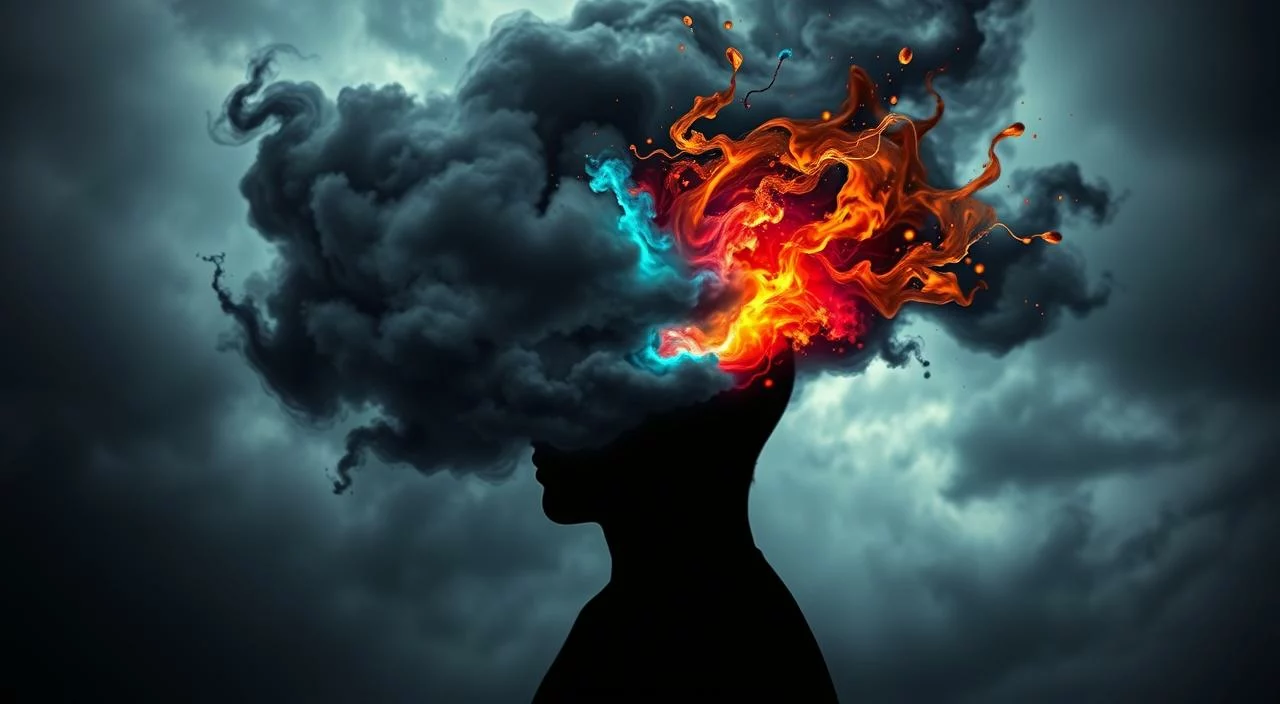
An anxiety attack is a phenomenon characterized by an intense and abrupt manifestation of anxiety symptoms . These symptoms include tachycardia , irregular breathing, and even extreme fear that can occur without a clear trigger. In the first year of the COVID-19 pandemic, Brazil became the most anxious country in the world, according to the World Health Organization (WHO), with a 25% increase in reported anxiety attacks.<sup> 4</sup> These episodes are frequently related to more serious anxiety disorders , such as panic disorder , generalized anxiety disorder, and social phobia .<sup> 5</sup>
It is important to note that anxiety is a common emotional response when at normal levels, but it becomes pathological when it interferes with our daily activities. This condition can generate a vicious cycle of fears and worries that demand adequate professional attention, especially in a context where experts speak of the increase in anxiety crises as a "second mental health pandemic" 5. Furthermore, we have individual characteristics when it comes to feeling anxiety, as each person experiences it uniquely, which may include symptoms such as tremors, dry mouth, and shortness of breath 6 .
To manage anxiety, it is recommended to consider certain practices, such as physical activity and self-care , which have been shown to reduce susceptibility to these conditions 5. Seeking calm environments and incorporating breathing exercises into the routine are also effective strategies during an anxiety attack 5. If we face these challenges, the assistance of psychologists and psychiatrists is crucial in treating crises and maintaining mental health 5 .
https://www.youtube.com/watch?v=8YG8HABY25w
How to identify an anxiety attack
It is very important to know how to identify an anxiety attack . They can arise suddenly and intensely, leading to a panic attack . Signs include shortness of breath, palpitations, agitation, and a feeling of being disconnected from the world. In Brazil, 9.3 % of the population, or about 18.6 million people, suffer from these attacks, according to the Pan American Health Organization.
These crises can be caused by various factors, such as trauma, stress, and pressure. This can happen at work or in relationships 7. Knowing the symptoms is essential for anyone who has already experienced a crisis. Among them are irritability, insomnia, restless legs and arms, and a feeling of faintness 8 .
It's important to understand the difference between an anxiety attack and a panic disorder . Both have similar symptoms, but the intensity and duration vary. Seeking medical help is crucial for a correct diagnosis. Recognizing the signs, such as tachycardia and difficulty breathing, helps manage anxiety.
What are the types of anxiety?
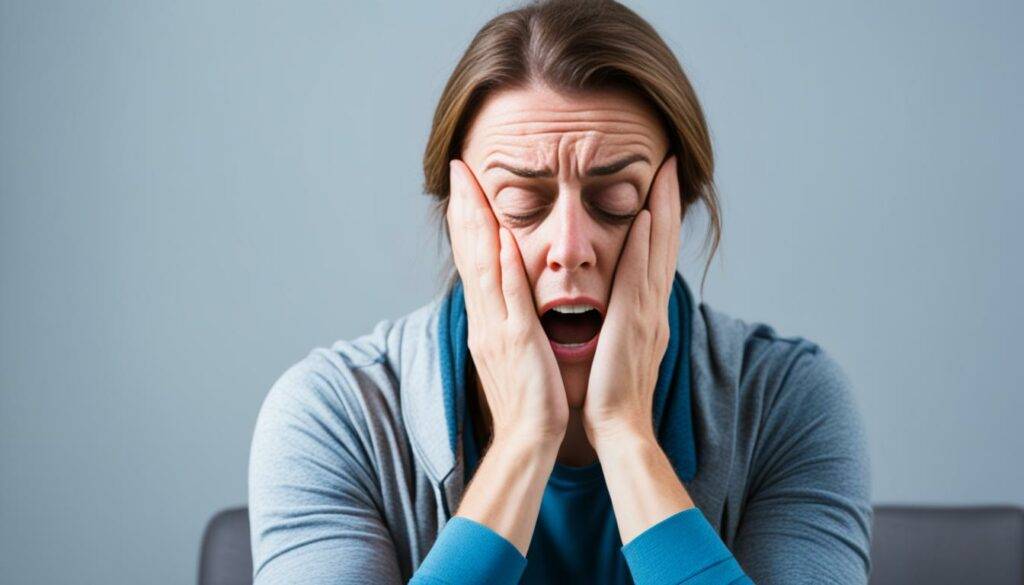
The types of anxiety are many and varied, demonstrating the complexity of mental health . Panic disorder and social phobia are two conditions with unique symptoms.
Panic disorder causes episodes of intense fear without a clear reason. This can lead to tachycardia and shortness of breath. Social phobia, on the other hand, causes people to avoid social situations out of fear.
Generalized Anxiety Disorder (GAD) brings excessive worries that affect daily life. It can cause migraines and insomnia . Obsessive-Compulsive Disorder (OCD) is characterized by repetitive actions and compulsive rituals, despite awareness of their irrationality .
Anxiety disorders are very common, affecting daily life and work . It's important to recognize these conditions in order to treat them properly. For more information, visit: types of anxiety .
https://www.youtube.com/watch?v=iIc97ZKxSBU
How to deal with an anxiety attack
To deal with anxiety, it is important to use effective coping strategies . Self-awareness helps us recognize warning signs . This can prevent the situation from worsening. Brazil has the highest number of anxious people, with 18.6 million, or 9.3% of the population 11 and 12 .
Regular physical exercise is a good way to prevent anxiety. It releases endorphins, which make us feel better 12 .
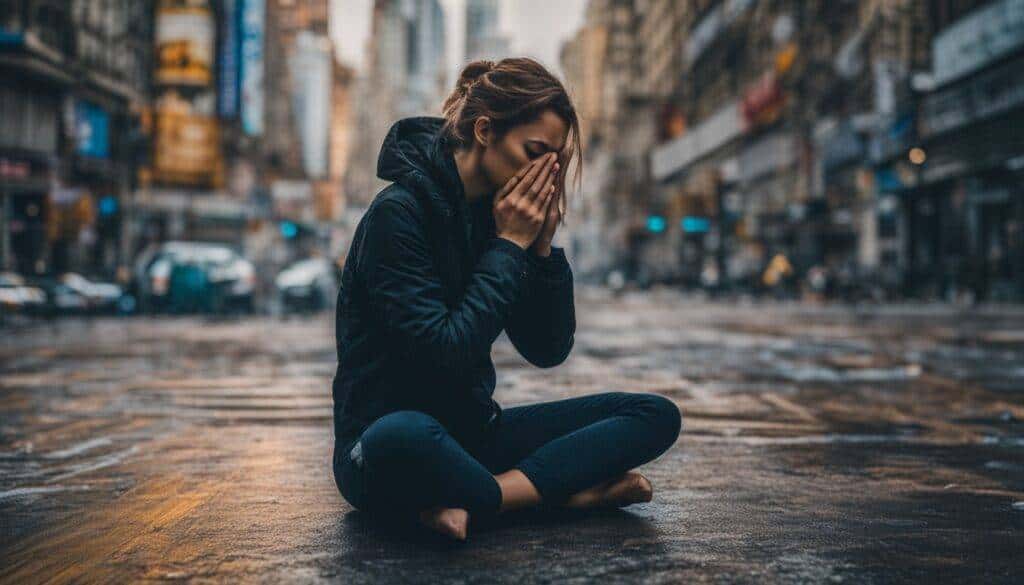
When a crisis hits, it's good to seek out calm places. The emotional support of friends and family is very important. They can help you cope with the crisis better . But it's important not to downplay the situation or give simplistic advice that does n't help.
Symptoms of anxiety include a faster heartbeat and difficulty doing simple things. Knowing what triggers us and being mindful of our emotions helps us manage our mental health better. <sup>13</sup>
| Strategy | Description |
|---|---|
| Physical Exercises | They release endorphins and help prevent seizures. |
| Tranquil Environments | They reduce the intensity of the crisis and promote relaxation. |
| Self-knowledge | It allows you to identify and understand your own triggers. |
| Emotional Support | It helps to cope with crises and improves the feeling of well-being. |
With these practices, we can improve our coping strategies . This creates a better environment for mental health . <sup>11</sup>
What to do during an anxiety attack
When anxiety arises, it's crucial to use strategies that calm both body and mind. These practices help alleviate symptoms quickly and are easy to incorporate into your routine.
Practice breathing exercises.
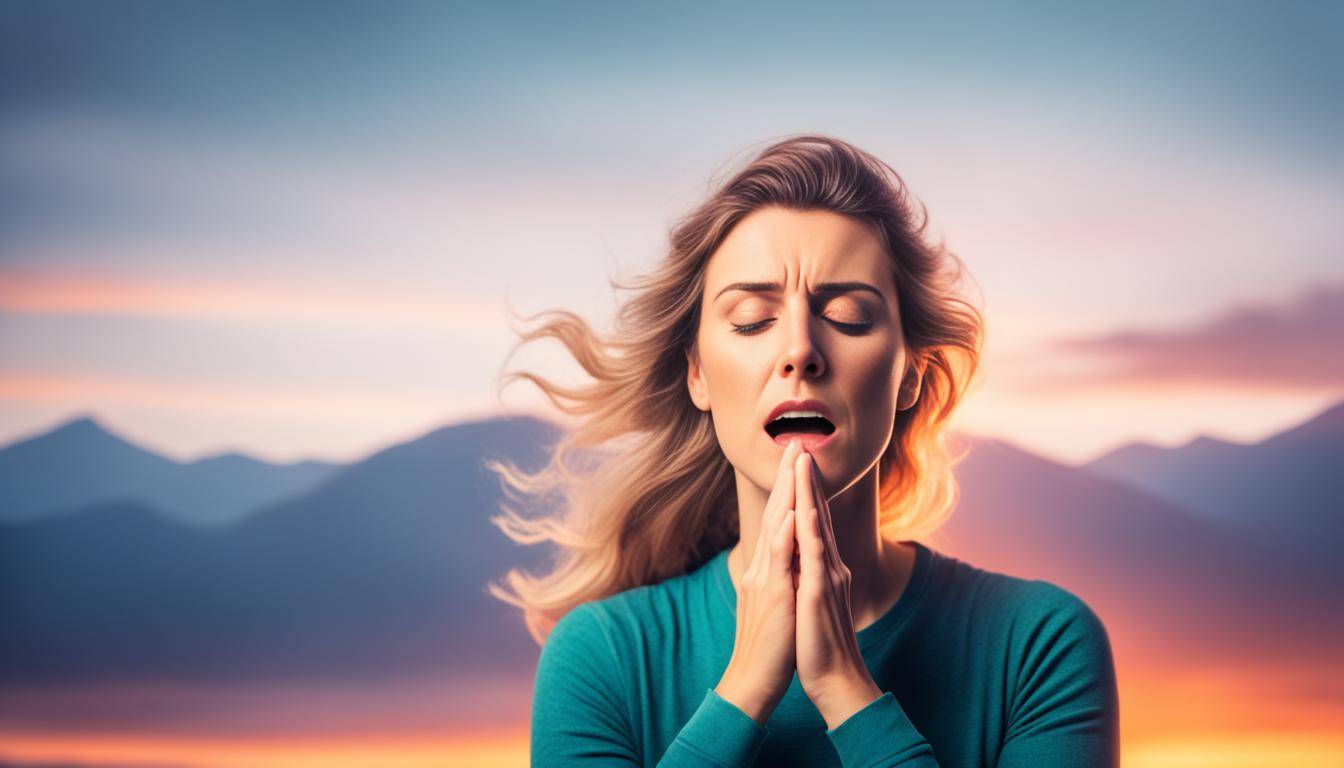
Controlled breathing is very effective. The 4/6 technique involves inhaling for 4 seconds and exhaling for 6 seconds. This helps calm the nervous system and brings tranquility. It's a simple and useful technique for those seeking relief from anxiety.
Seek out quiet environments.
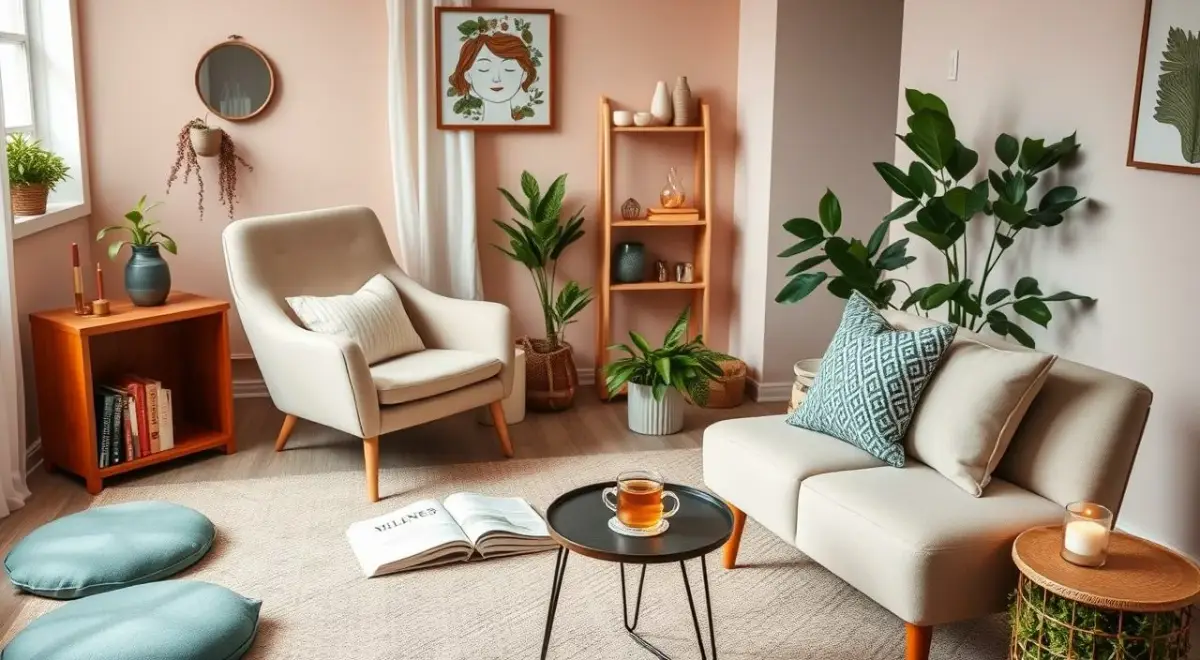
Finding quiet places helps to relax the mind and body. These locations are important for recovery without strong stimuli. In serene environments, we can focus on practices that combat anxiety, such as controlled breathing.
Distract yourself with enjoyable activities.
Activities that bring pleasure, such as cooking, reading, or exercise, are great distractions. They take the mind off anxious thoughts and bring relief. In a crisis, distraction is essential for well-being.
https://www.youtube.com/watch?v=BVm4P6icaGI
Relaxation techniques to relieve anxiety
Relaxation techniques are very important for those who suffer from anxiety. They help improve emotional well-being. Mental relaxation exercises and mindfulness practice are great for calming the mind and reducing tension.
These practices create a good environment for coping with the challenges of anxiety.
Mental relaxation exercises
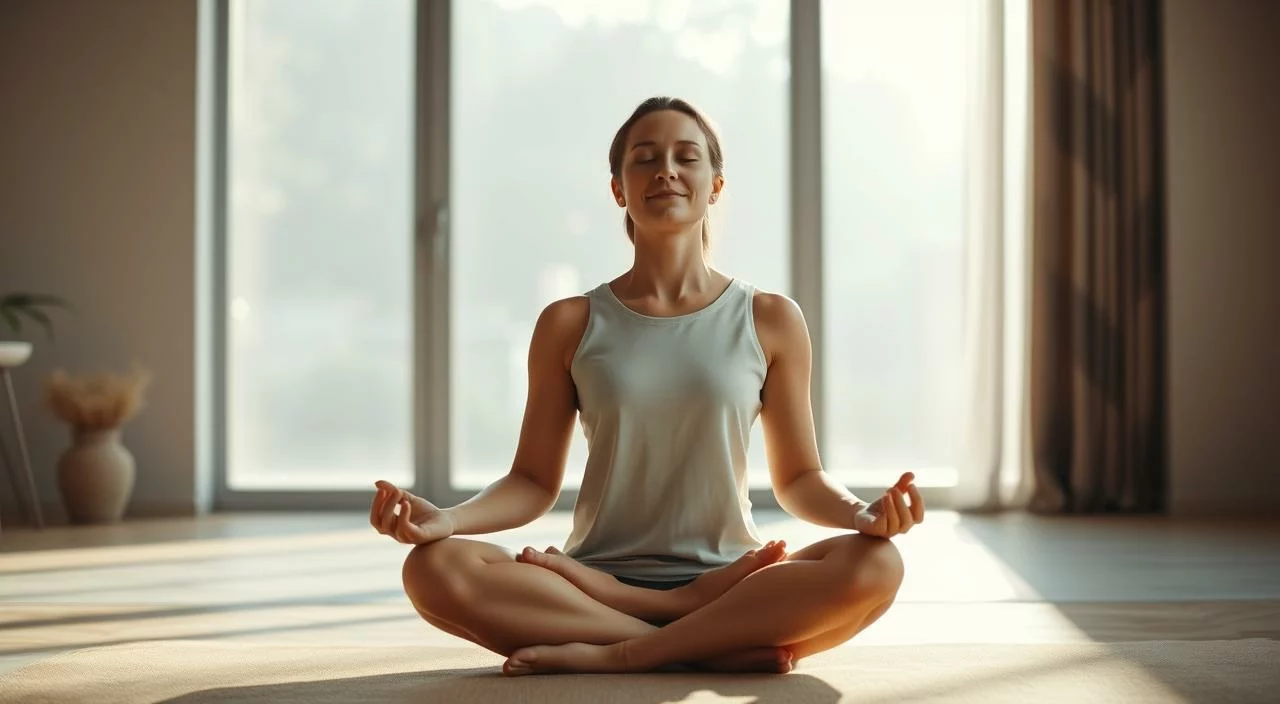
There are several activities that help promote calm and focus. Meditation, for example, can reduce anxiety and depression. It brings a sense of peace.
Beginners should start with 5 minutes a day. They can then increase the time as needed. Diaphragmatic breathing is a very useful technique for stress.
Mindfulness practices for anxiety
Mindfulness teaches us to live in the present. This helps to avoid thinking too much about the future or the past. The "5, 4, 3, 2, 1" technique is very useful for those who are anxious.
This technique helps you focus on the details around you and diverts your attention from the symptoms. Yoga also helps, increasing body awareness and self-knowledge . This can lead to feeling more positive and emotionally resilient.
Strategies for managing anxiety during critical moments.
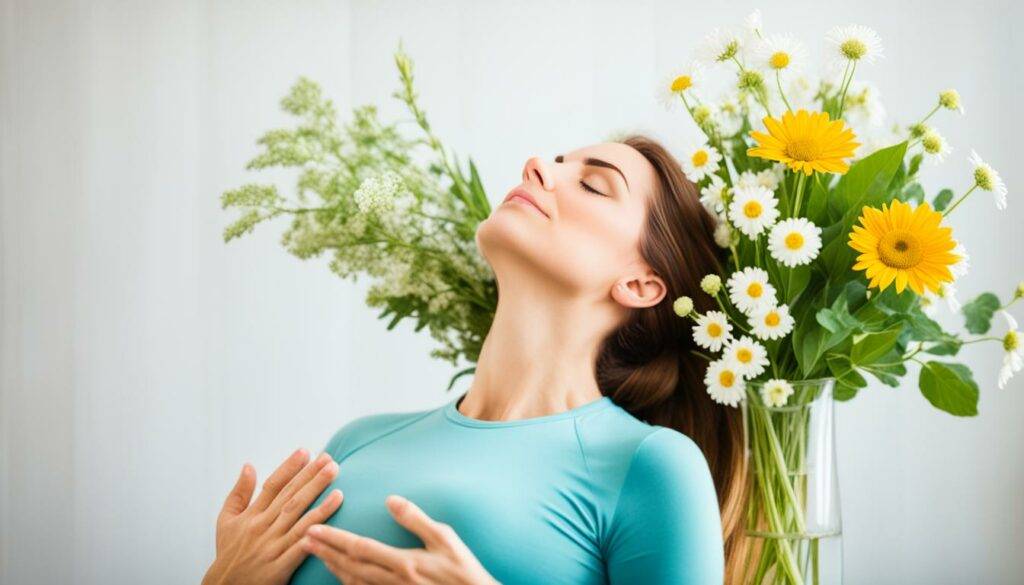
In critical moments , having strategies to control anxiety is very important. This helps maintain our mental health . Doing exercises, such as walking or yoga, can reduce anxiety by up to 60% 14 .
When facing crises, it's crucial to breathe properly and find things to distract ourselves. This is essential for dealing with anxiety .
Imagining a peaceful place helps us feel safer. Meditating for 10 to 15 minutes a day can relieve anxiety . It's also good to take care of our routine and be more compassionate with ourselves .
Having close friends and family is very good. Avoiding screens and using your cell phone less can help during difficult times 14. If anxiety is very strong, seeking help from a psychologist is a good idea 16 .
https://www.youtube.com/watch?v=DXCxbc6c4DU
Alternative therapies for anxiety
Nowadays, alternative therapies are an interesting option for those struggling with anxiety. The World Health Organization (WHO) says that Brazil is the most anxious country in the world. Approximately 19 million Brazilians suffer from anxiety disorders .
Many people are seeking out practices like acupuncture. It is known to help manage anxiety and stress. Now, acupuncture is offered by the Unified Health System, along with 29 other alternative therapies 18 19 .
Flower therapy and homeopathy are also popular methods. They seek energy balance and use natural substances to improve mental well-being 18 19. Massages and yoga are also gaining popularity, being sought by those seeking to relax and relieve anxiety 17 .
More than 6 out of 10 Brazilians have already tried integrative therapies. This shows the growing interest in complementary therapies 19. This trend reflects the search for care that treats the body and mind holistically.

The importance of seeking professional help.
Recognizing the need for professional help is crucial for those with anxiety. Many ignore the signs and try to cope alone. Anxiety can be a response to stress, but it can develop into depression if left untreated.
Psychologists and psychiatrists can be of great help. They use anxiety therapy to improve patients' lives. Cognitive Behavioral Therapy (CBT) helps to understand anxiety and how to deal with it. Around 50,000 people seek help directly, demonstrating the need for support .
Therapy not only treats symptoms but also teaches how to cope with stress. At work, anxiety can stem from demands, conflicts, or low self-esteem. It can affect productivity . Seeking professional help is essential to improving life.
https://www.youtube.com/watch?v=kxN6Va4etLw
Conclusion
When facing anxiety crises, knowledge and practices are crucial. Recognizing the importance of treatment and self-care is fundamental. Understanding the symptoms helps overcome anxiety. This is important because the Covid-19 pandemic has increased anxiety and depression by 25% worldwide 22 .
Brazil has the highest rate of anxiety in the world, with 9 % of the population suffering from pathological anxiety.22 This highlights the need to use effective strategies and seek professional help . Cognitive- behavioral therapy is recommended to treat and prevent anxiety.22 and23
Adopting self-care and mindfulness practices helps alleviate anxiety. These actions promote long-term well-being. By doing so, we are actively combating anxiety, valuing mental health and self-care.
FAQ
What is an anxiety attack?
An anxiety attack occurs when anxiety symptoms , such as rapid heartbeat and shortness of breath, appear suddenly and intensely. It can come on without an apparent reason. Often, it is linked to more serious anxiety disorders , such as panic disorder .
How can we identify the symptoms of an anxiety attack?
Signs of an anxiety attack include palpitations, irregular breathing, and intense fear. Recognizing these signs is important for acting quickly and preventing the situation from worsening.
What are the types of anxiety disorders?
There are several types of anxiety disorders , such as panic disorder and generalized anxiety disorder. Each has its own symptoms and characteristics.
What can we do during an anxiety attack?
During a crisis, it's good to practice controlled breathing and seek out calm places. Distracting yourself with things you enjoy, like cooking or reading, also helps to calm down.
What relaxation techniques are effective in relieving anxiety?
Techniques such as visualizations and guided meditations are good for relaxing the mind. Mindfulness also helps to focus on the present and reduce tension.
How to deal with critical moments of anxiety?
In difficult times, it's good to have a plan of action. Diverting your attention from the symptoms, breathing slowly, and visualizing a safe place can help you regain control.
What are some alternative therapies that can help with anxiety?
Therapies such as acupuncture, aromatherapy, and music therapy can help with anxiety. They can be used alongside traditional treatments to promote relaxation and well-being.
Why is it important to seek professional help for anxiety?
Seeking help from professionals, such as psychologists and psychiatrists , is essential. They can treat the causes of anxiety. Cognitive-behavioral therapy is an effective option for managing symptoms and learning how to cope with them.
🌟 Have you considered seeking a therapist to support your well-being journey?
If this article sparked reflections about positive changes in your life, perhaps now is the ideal time to take the next step. Do you know hypnosis as a therapeutic tool? This approach can be surprisingly effective for various personal challenges.
Special offer: Book a free 20-minute consultation with therapist Fabio Morus and discover how therapy can transform your life.
✨ No commitment — Completely free — 20 minutes that can make a difference
👉 Click here to book your free consultation
Don't postpone your well-being any longer. The first step to change is just one click away.