


Have you ever wondered how a single moment can change someone's life? Trauma is more than an event; it's a profound emotional response . This response can change how we see the world. Let's explore the causes of trauma , its effects, and the healing processes to regain peace.
Trauma is an emotional response to stressful events . It can lead to post-traumatic stress and depression . Understanding trauma is crucial for taking care of our emotional well-being. This article will discuss the causes of trauma and how to cope with and overcome it.
Introduction to Trauma
Trauma is a complex phenomenon that can stem from various life situations. It profoundly affects our emotional health. The impacts of trauma go beyond physical wounds. They can affect our psychological well-being, causing an emotional response that can last a long time.
A study by the World Health Organization shows that traffic accidents are the leading cause of death among young people. This highlights the importance of understanding the types of trauma and their consequences .
A total of 45 million people worldwide face moderate to severe disabilities each year. This is due to trauma 2. In addition, traffic accidents are a major problem, with many cases involving vehicle occupants and pedestrians 3 .
This scenario illustrates the complexity of trauma and the need for effective approaches to dealing with it.
https://www.youtube.com/watch?v=tOxOC_k0OgM
What is Trauma?
The concept of trauma is widely used in various contexts. But, at its core, it is an emotional response to events that have caused psychological distress. The definition of trauma includes experiences that affect emotional stability and leave deep scars on safety and well-being.
Definition of trauma
When we ask what trauma is , it's important to remember that about 10% of people who experience a traumatic event may develop Post-Traumatic Stress Disorder (PTSD) <sup>4</sup> . On the other hand, 90% of people recover within a few days <sup>4</sup> . There are specific criteria for diagnosing PTSD, which is crucial for treatment <sup>4</sup> . In addition, some may lose important memories due to dissociative amnesia.
How trauma affects daily life
Trauma can greatly affect daily life. It can impair social relationships, mental health, and the ability to perform simple activities. Up to 2004, Brazil recorded 127,470 deaths annually due to accidents and violence, demonstrating the severity of trauma . Approximately 75% of these deaths occur in urban areas, requiring special attention . People who experience trauma may feel isolated and helpless, increasing the risk of anxiety and depression.

Causes of Trauma
Understanding the causes of trauma is crucial to knowing how these events affect our lives. Events such as violence, major losses, or accidents can cause different emotional reactions in each person. The intensity of the experience and social support are very important for recovery, as stated in [ this source ].
Stressful events and their emotional impact.
The events that cause trauma are very varied. In Brazil, trauma is the leading cause of death in young people, resulting in more than 90,000 deaths per year. This means about 10 deaths every hour, showing the seriousness of the problem. Approximately 70 % of trauma cases are due to natural disasters, accidents, loss of loved ones, or assaults, demonstrating the diversity of causes.
Common types of trauma
Types of trauma can be divided into several categories. Acute trauma comes from a devastating event. Chronic trauma results from prolonged stressful situations. Complex trauma involves multiple events over time, requiring special care. In combat, explosions and gunshot wounds are common. In civilian situations, such as car accidents, falls and pedestrian collisions are more frequent .
Childhood traumas and their consequences
Childhood trauma can greatly affect our adult lives. It impacts a child's emotional and psychological development, potentially causing anxiety and helplessness. Early intervention is crucial to minimize these effects through appropriate therapies. <sup>7</sup>
https://www.youtube.com/watch?v=-ZEIQnHqEBA
Types of Trauma
Trauma can be divided into acute, chronic, and complex. Each affects emotional and mental health differently.
Acute trauma
Acute trauma occurs due to unexpected events that cause great emotional stress. Examples include car accidents, the death of loved ones, and natural disasters. This activates the amygdala , causing defense reactions.
The effects can be short-lived or long-lasting, leading to anxiety and depression 8 .
Chronic trauma
Chronic trauma stems from long and repeated experiences, such as emotional abuse and domestic violence. This can cause hypervigilance and psychological disorders. The consequences are serious and affect the entire life.
Disorders such as post-traumatic stress are common in this type of trauma 8 .
Complex trauma
Complex trauma involves multiple traumatic experiences, usually in poor relationships. This makes it difficult to form healthy bonds. Because it is complex , it requires specialized care for recovery.
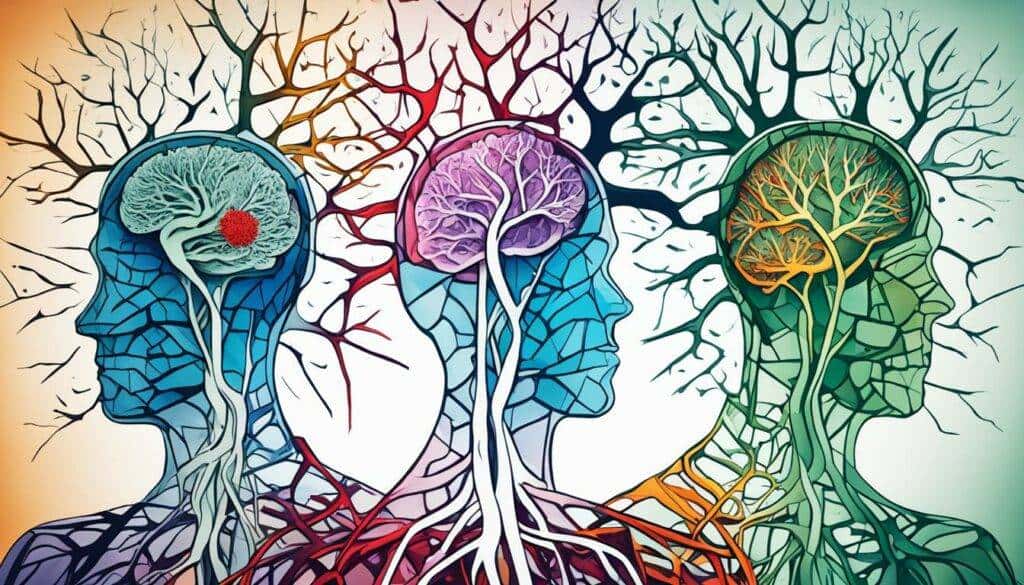
Symptoms of Trauma
Symptoms of trauma can vary, affecting both emotions and the body. Recognizing these reactions is important to understand the impact of the trauma.
Emotional reactions
The emotional reactions to trauma are complex. They can include anger , sadness , and hopelessness . These emotional symptoms of trauma can worsen in situations that remind one of the traumatic event.
Symptoms of trauma, such as anxiety and panic, affect the lives of those who suffer from it. They can cause problems in family and professional relationships, creating a cycle of suffering .
Physical reactions
Physical reactions to trauma are also disturbing. They can include insomnia , fatigue , body aches, and changes in appetite. The body may react with an increased heart rate when remembering the trauma.
These physical reactions have a major impact on the individual's health 10 .
Signs to look out for in others
It's important to recognize the signs of trauma in loved ones. Changes such as isolation , apathy , and emotional withdrawal can indicate unresolved trauma. Observing these changes helps in offering support and seeking treatment.
Psychological treatment is essential to deal with the effects of trauma and promote recovery 7 .
https://www.youtube.com/watch?v=OXndmvsy5O0
How Traumas Form
A distressing event can overwhelm our ability to cope with emotions, causing feelings of helplessness. Each person reacts uniquely to these events. This means that reactions can vary greatly.
Events such as abuse, loss, and violence can cause harm, even if they are not extreme. Experts say that trauma can come from everyday situations. For example, relationship breakups or illnesses 11. In these moments, the body releases hormones such as adrenaline and noradrenaline, preparing to react 11 .
The hippocampus is very important in the formation of trauma . It helps to link events in the brain. Research at Columbia University shows that this is crucial for learning to connect events in intervals of 10 to 30 seconds. This shows how complex memory and trauma are.<sup> 12 </sup>
Resilience to trauma can be influenced by the intensity and frequency of emotional interactions in childhood. Being constantly exposed to stressors can lead to chronic trauma. This affects long-term mental health. <sup>11</sup>

It is important to have appropriate interventions to treat trauma. This may include therapy, professional assessment, and changes in daily life. For example, physical exercise and a balanced diet 11 .
Scientific findings help us understand the brain during panic episodes. They show how neurons conserve energy by storing information. This helps us reflect on the causes of trauma and seek help for emotional healing.
Consequences of Trauma
The consequences of trauma greatly affect the individual and their relationships with others. People who have experienced trauma have difficulty trusting. This can lead to isolation, distancing them from important relationships.
Impact on interpersonal relationships
Traumatic experiences can make it difficult to interact with people. Lack of trust and difficulty opening up can hinder the formation of strong bonds. Studies show that domestic violence and sexual abuse cause lasting emotional damage.13 This affects the ability to connect emotionally with others.
Furthermore, behaviors such as suppressing compliments affect social interaction 13 .
Development of psychological conditions
Trauma can lead to serious psychological problems. Depression, anxiety, and PTSD are common after traumatic experiences. Seeking professional help is crucial to overcoming these conditions.
Specialized institutions are very helpful, especially with children 13. Trauma can lead to isolation, distancing them from family and friends 14 .
https://www.youtube.com/watch?v=HWbzDF_GcS8
| Psychological Conditions | Symptoms |
|---|---|
| Post-Traumatic Stress Disorder (PTSD) | Hyperarousal and sleep disorders |
| Depression | Feelings of hopelessness and fatigue |
| Anxiety | Constant worry and panic attacks |
| Aversive Behavior | Avoidance of social interactions and activities |
Treatment for Trauma
Treatment for trauma is essential for regaining our emotional and mental health. Psychotherapy is one of the most effective approaches. It helps individuals process emotions in a safe environment. This can include techniques such as EMDR therapy, approved by the World Health Organization to treat emotional problems such as Post-Traumatic Stress Disorder 15 .
Studies show that many patients improve significantly after 4 to 12 EMDR sessions. This makes this therapy a viable option for those seeking treatment.
Psychotherapy as a form of treatment
In psychotherapy , each approach addresses specific needs. Sessions help reduce symptoms and provide a better understanding of trauma. The relationship between patient and therapist is crucial for the success of the treatment. Investing in this type of therapy is an important step towards well-being and self-knowledge during the therapeutic process .
Self-care techniques
In addition to psychotherapy , self-care techniques are important to complement treatment. Practices such as meditation, physical exercise, and relaxation improve our emotional health. They help relieve anxiety and tension, creating a favorable environment for recovery.
The use of self-care can be a support to formal treatment. It helps us cope with traumatic experiences and strengthen our resilience.

Understanding these treatment options for trauma helps us choose paths to a healthier emotional life. It is important to consider each approach carefully. Seeking professional support is essential in this process. <sup>16</sup>
Overcoming Trauma: Healing Processes
Overcoming trauma requires a conscious path of healing. It begins with recognizing the trauma and accepting the feelings it brings. Accepting the trauma is the first step to overcoming it.<sup> 17</sup>
Each person reacts uniquely to trauma. This affects the time it takes to overcome it. 18. It is crucial to take care of yourself, focusing on physical and mental health. This includes a balanced diet, regular exercise, and adequate sleep. 17 .
Recognizing and accepting the trauma
Expressing feelings is essential for overcoming emotional trauma. Experts suggest various forms of expression, such as therapy, journaling, art , and support groups.18 Having a support network of people who understand your experience can be very helpful.17
Seek professional help.
Seeking professional help is crucial. Therapy can help process and reinterpret trauma. It offers a specific plan to treat post -traumatic stress. Research shows that treatment with a psychiatrist and psychologist has good results. Methods such as Brainspotting and EMDR are also effective .
Having a routine after an emotional trauma brings stability and control. This greatly helps in recovery . The journey of overcoming trauma includes learning to cope with adversity and finding lessons in forgiveness .
https://www.youtube.com/watch?v=ZVrgzuM9pvA
Impact of Trauma on Mental Health
Trauma greatly affects mental health. Traumatic experiences can lead to emotional and psychological problems. Research shows that trauma is linked to disorders such as post-traumatic stress, depression, and anxiety. <sup>20</sup>
These problems can change someone's life, affecting relationships with friends and family. Childhood is a critical time for emotional development. Trauma during this phase can lead to mental illness in adulthood. <sup>21</sup>
Children who experience abuse or neglect are at greater risk of depression and personality disorders when they grow up . It is crucial to be aware and act early to prevent these effects.
Therapies such as CBT and EMDR are good options for dealing with trauma . Seeking professional help is essential for regaining mental health and living better.
FAQ
What is trauma and how does it form?
Trauma is a strong emotional reaction to stressful or painful situations. It can be more than a person can handle. It arises when the difficult experience makes you feel powerless.
What are the types of trauma?
There are several types of trauma. Acute trauma comes from a single event. Chronic trauma comes from stressful situations that last a long time. Complex trauma occurs when you experience multiple traumatic events.
What are the symptoms of someone who has suffered trauma?
Symptoms include strong emotions such as anger and sadness. There may also be physical problems, such as insomnia and fatigue. Some may isolate themselves or lose interest in things they used to enjoy.
How can I tell if someone is dealing with trauma?
Signs of trauma include changes in behavior. This can be isolation or a lack of interest in activities that were previously enjoyed. Paying attention to these signs is important.
What is the impact of trauma on daily life?
Trauma affects many areas of life. It can damage relationships, mental health, and the ability to do simple things. Traumatized people may feel hopeless and have difficulty trusting others.
What are the consequences of trauma on mental health?
Trauma can lead to conditions such as anxiety and depression. This requires treatment to improve emotional well-being.
How is trauma treated?
Treatment includes psychotherapy to process emotions in a safe environment. Self-care techniques, such as meditation, are also helpful.
What can I do to overcome trauma?
To overcome trauma, it's important to acknowledge and accept the experience. Seeking professional help is crucial for dealing with emotions and finding ways to cope with the problem.
🌟 Have you considered seeking a therapist to support your well-being journey?
If this article sparked reflections about positive changes in your life, perhaps now is the ideal time to take the next step. Do you know hypnosis as a therapeutic tool? This approach can be surprisingly effective for various personal challenges.
Special offer: Book a free 20-minute consultation with therapist Fabio Morus and discover how therapy can transform your life.
✨ No commitment — Completely free — 20 minutes that can make a difference
👉 Click here to book your free consultation
Don't postpone your well-being any longer. The first step to change is just one click away.