
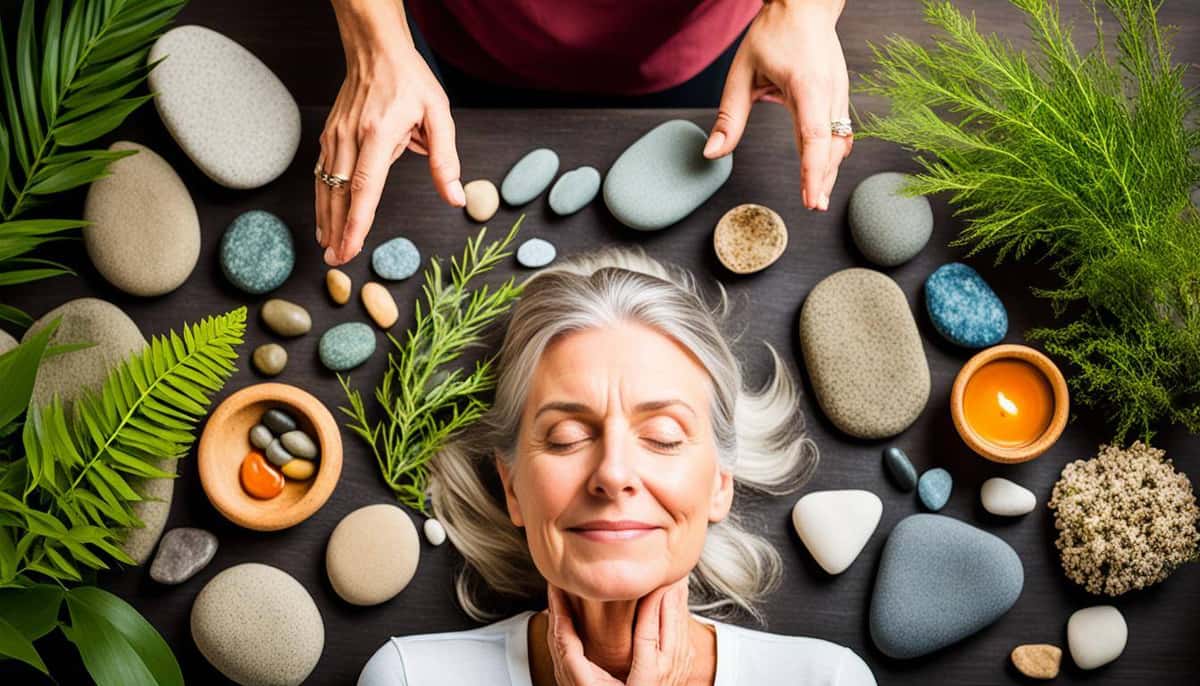

Have you ever considered whether the path to well-being lies in blending body, mind, and spirit? Today, stress and anxiety are common. Holistic therapy may be an answer to these problems.
Holistic practices are over 5000 years old . They originate from cultures such as Chinese and Indian. They seek balance and overall health. In 2017, Reiki was accepted by the Brazilian public health system (SUS), demonstrating interest in methods that care for both body and mind.
Let's understand what holistic therapy is and its principles. These principles can change how we view health and quality of life.
Introduction to Holistic Therapy
Holistic therapy shows us a way to care for the overall health of the human being. It comes from the teachings of Hippocrates, a Greek physician. He believed that the body should be treated as a whole, including the physical, psychological, spiritual, and social aspects .
This practice views illnesses as signs of imbalances in the energetic and emotional bodies. Since the 17th century, medicine has begun to see the body as a machine. But holistic therapy seeks to restore natural balance with techniques such as meditation and aromatherapy . Thus , it seeks not only to alleviate symptoms, but to resolve underlying causes for lasting well-being .
Reiki, massage therapy, and herbal medicine are part of this therapeutic approach. They aim to rebalance the body and mind . The holistic therapist uses ancient wisdom and modern knowledge to care for health. This makes health care an important part of life.
https://www.youtube.com/watch?v=gsJOVF_svD4
What is Holistic Therapy?
Holistic therapy views the human being as a whole, connecting mind, body, and spirit. It uses the meaning of holism to understand that each person is unique. The definition of holistic therapy encompasses techniques that seek complete health, promoting well-being and preventing disease. It treats both physical and emotional problems.
Definition and Meaning of Holism
The term holism comes from the Greek word "holos," which means whole. This shows the importance of holistic therapy. It goes beyond treating symptoms, taking care of all areas that affect health. A comprehensive treatment is key to achieving health and quality of life. <sup>4</sup>
Therapies such as acupuncture and Reiki are part of this care, recognizing the individuality of each person 5 .
Importance of Comprehensive Treatment
A comprehensive approach is essential in holistic therapy. It combines various therapies to promote balanced and resilient health. Practices such as meditation , aromatherapy , and chiropractic improve life.<sup> 4 </sup>
Therapies such as flower essences and Yoga help the body cope with stress, bringing peace . At the Marcelo Parazzi Clinic , Yoga , Meditation , and Reiki demonstrate the effectiveness of holistic care.

How Holistic Therapy Works
Holistic therapy uses various practices to care for the human being as a whole. It seeks to alleviate and heal on multiple levels. The principles of holistic therapy focus on how body, mind, and spirit are connected. The patient is encouraged to actively participate in their recovery.
These practices are becoming more popular due to the rise in anxiety and depression. They are an alternative to more comprehensive and preventative treatments. Since 2006, the Ministry of Health has recognized holistic therapies as "Integrative and Complementary Health Practices" 6 .
Fundamental Principles of the Holistic Approach
Holistic therapy values self-transformation and self-understanding. This helps patients understand their emotions and behaviors. Thus, they can recover better from conditions such as stress and anxiety .
The Role of the Holistic Therapist
A holistic therapist helps the patient discover more about themselves. They don't just treat the symptoms, but seek the root causes of the problem. Treatment may include techniques such as meditation and aromatherapy , which improve quality of life. <sup>8</sup>
Trust and communication are essential in therapy. This ensures that the patient's needs are met.
https://www.youtube.com/watch?v=s89UDwrYgXU
| Technique | Description | Benefits |
|---|---|---|
| Aromatherapy | Using aromas to positively influence the brain. | Relaxation, stress relief |
| Acupuncture | Insertion of needles into specific points on the body. | Relief from physical pain |
| Yoga | Combination of physical postures and breathing techniques | Physical and emotional balance |
| Meditation | Mindfulness practice to calm the mind. | Reduced anxiety, improved mental focus. |
These methods not only treat the symptoms, but also promote the connection between the parts of the human being. This is crucial for a complete recovery. Thus, how holistic therapy works is linked to the principles of holistic therapy 6 .
Benefits of Holistic Therapy
Holistic therapy offers many benefits. It helps to find balance between body, mind, and spirit. This is fundamental to understanding who we are and what our traumas are.
This approach takes a holistic approach to health. It considers each person's history and beliefs. Therefore, treatment is more effective and tailored to their needs.<sup> 9 </sup>
Physical, Mental and Spiritual Balance
Holistic therapies improve mental health and help manage emotions. They use techniques such as Reiki and Thetahealing to balance energy. This helps reduce stress and prevent insomnia .
Treatment of Emotional Disorders
These therapies address emotional and psychological problems. They help connect with parts of the self that are rarely explored. Many people find relief with these practices. <sup>11</sup>
Improving Quality of Life
Holistic therapies improve quality of life . They include lifestyle changes and natural treatments. This improves relationships and stimulates personal growth. Each person receives a personalized treatment.

Holistic Therapy Techniques
Holistic therapy techniques use various approaches to improve health and well-being. Each has its unique benefits. They can be used together to achieve better results and create a unique personal care experience.
Meditation and Its Advantages
Meditation is very ancient and brings many benefits. It helps improve focus and reduce anxiety. As part of holistic therapy, it helps to relax and balance emotions, improving overall well-being .
Furthermore, meditation can strengthen the immune system and improve sleep. This leads to stronger and happier health 12 .
Acupuncture in Holistic Therapy
Acupuncture seeks to balance energy in the body. It comes from traditional Chinese medicine and is used in the Brazilian public health system (SUS) as an alternative therapy. It is effective against pain and stress, improving physical and mental health.
Reiki and Energy Transfer
Reiki involves the transfer of universal energy to heal and balance. It comes from Eastern philosophy and helps reduce stress and anxiety. Holistic therapies, such as Reiki, are used alongside conventional treatments to achieve full health and patient satisfaction. <sup>13</sup>
https://www.youtube.com/watch?v=0rPZvh67geM
Energy in Holistic Therapy
Energy is very important in holistic therapy. It affects the well-being of the body, mind, and spirit. Understanding Qi , or vital energy, is key to knowing how this practice helps to balance the body.
Using the right techniques helps improve the flow of Qi . This can treat various illnesses.
Understanding Qi
Qi is an important concept in Eastern medicine. It is a vital force that circulates throughout the body. Having balanced Qi is essential for health.
If Qi becomes blocked, it can cause health problems. In holistic therapy, we use methods such as acupuncture and Reiki to harmonize energies 14 and 15 .
The Meridians and Their Role in Health
Meridians are pathways through which Qi circulates. They are linked to specific organs. A blockage in the meridians can cause health problems.
Maintaining balance in the meridians is crucial. Holistic therapy uses various techniques to unblock and revitalize the meridians. This helps promote healing and well-being.

| Aspect | Description |
|---|---|
| Qi | Vital energy that flows through the body. |
| Meridians | Energy channels that connect Qi to the organs. |
| Energy Balance | It maintains physical, mental, and spiritual health. |
| Holistic Practices | Acupuncture, Reiki, and other modalities that seek to restore the flow of Qi. |
Holistic Therapy Consultation
When you participate in a holistic therapy session , we create a safe and welcoming space. Our experience is characterized by individualized care. The therapist uses a variety of techniques to meet the needs of each patient.
What to Expect in a Session
During the session, the professional speaks openly with the patient. This allows them to share their concerns and pains. Holistic therapy uses techniques such as acupuncture, Reiki, and massage therapy. <sup>16</sup>
These techniques are tailored to each patient. This makes the treatment personalized.
The Importance of Self-Knowledge
The journey of self-discovery is fundamental in holistic therapy. It helps the patient understand their emotions and life patterns. This is crucial for the treatment of depression. <sup>16</sup>
Techniques such as meditation and yoga are used to promote relaxation and self-awareness 17 .
https://www.youtube.com/watch?v=olPB7lbl4EU
Holistic Therapists
Holistic therapists are essential to the well-being of their clients. They offer care that encompasses various areas of health. To be good at this work, it is important to have relationship skills and specific techniques.
What Makes the Therapist's Job Easier
In holistic therapy, understanding what each client needs is fundamental . Sessions are personalized to meet those needs. Techniques such as meditation, yoga, and cognitive-behavioral therapy are widely used.
Holistic therapists take care of all aspects of health, such as physical, mental and emotional 19. They need to be empathetic and good listeners to better serve their clients 18 .
Required Qualifications for Practitioners
To be a holistic therapist, you need several qualifications. Courses such as Reiki, Thetahealing, and aromatherapy are common 19. Training lasts from 3 to 9 months in recognized schools 20 .
This is different from psychologists, who need a degree and postgraduate qualifications. It is important to choose a therapist who meets each person's needs, thoroughly researching their qualifications and methods .

Types of Holistic Therapies
Holistic therapies aim to improve the well-being of the body, mind, and emotions. Let's talk about yoga, aromatherapy, and chromotherapy. These practices are widely used due to their integrative approaches.
Yoga as an Integrative Practice
Yoga combines breathing, postures, and meditation to harmonize body and mind. Research shows that it helps with anxiety and stress, bringing emotional balance. <sup>5</sup>
In addition, it improves flexibility and strength, which are important for health.
Aromatherapy and Its Benefits
Aromatherapy uses essential oils to relax and improve emotional well-being. Each oil has unique properties, such as lavender for better sleep and rosemary for waking up refreshed .
This therapy helps reduce anxiety and stress with specific aromas 14 .
It's great for those who want to feel calmer and more serene.
Chromotherapy and Color Manipulation
Chromotherapy uses colors to influence the body's energy. Each color has a frequency that affects emotions and health. For example, blue brings calm and red increases energy.
This therapy can be used on lights or clothing, helping to find the ideal comfort level .
Color techniques are gaining more followers due to their therapeutic benefits.
https://www.youtube.com/watch?v=SF_F2Aqr71U
Holistic Balance and Well-being
Holistic balance is key to understanding well-being. It varies across cultures and traditions. Many civilizations value harmony between body, mind, and spirit. This harmony is vital for achieving health and quality of life.
The Concept of Balance in Different Cultures
In various cultures, holistic balance is seen as an ideal state. In traditional Chinese medicine, health depends on the flow of Qi. In indigenous traditions, well-being comes from connection with nature and spirituality. These diverse perspectives help us understand balance and its impact on lifestyle .
Positive Impacts on Lifestyle
Holistic practices improve health. They help reduce anxiety, depression, hypertension and improve sleep 22. By using Reiki, yoga and acupuncture, we promote well-being on multiple levels 23 .
These benefits show that holistic balance improves health and lifestyle . The use of integrative practices has grown from 271,000 consultations in 2008 to 2.1 million in 2016. Holistic balance is crucial for those seeking to care for themselves holistically, living a more balanced and happy life.
How to Start Holistic Therapy
Anyone wanting to start holistic therapy should know how to begin it . Finding qualified professionals is crucial for effective treatment. It's important to choose practices that fit your lifestyle.
Tips for Finding Qualified Professionals
To find qualified professionals , use the internet and ask friends for recommendations. Check the therapist's training and specializations. Due to a lack of regulation in Brazil, self-regulation is the standard 25. Participating in events and courses can improve your skills and connect you to the therapeutic field 26 .
Online Initiatives and Accessibility
The internet has made online therapy an easily accessible option. Digital platforms connect therapists and clients, allowing for online sessions. This helps promote holistic therapies and inclusion in comprehensive care. <sup>1</sup>

Comparison with other therapeutic approaches
In analyzing therapies, we see that conventional and holistic therapy are different, but they complement each other. Conventional therapy focuses on treating symptoms of mental and emotional illnesses. Holistic therapy, on the other hand, views the individual as a whole, considering mind, body, and spirit.
Conventional Therapy x Holistic Therapy
Conventional therapy uses diagnoses and direct interventions to treat disorders such as anxiety and depression. Holistic therapy seeks to understand the root causes of difficulties, considering emotions, the physical body, and the spirit. This comparison of therapies shows that both can be effective, depending on the situation.
Integration of Holistic Techniques in Traditional Medicine
We are seeing more recognition of the integration of holistic techniques into traditional medicine. This integration of holistic techniques includes practices such as meditation and acupuncture, which improve outcomes with traditional treatments. In some cases, such as cancer, complementary techniques are used to support patients 27 28 29 .
Conclusion
Holistic therapy is a great ally for health and well-being. It considers the human being as a whole: body, mind, and spirit. With proven practices, it seeks to solve health problems in an integral way. 30 31
Studies show that techniques such as acupuncture and aromatherapy are effective. They help reduce stress, improve sleep, and strengthen the immune system 32. During the pandemic, many saw holistic therapy as a way to cope with emotions and social problems 30 .
With more trained professionals and techniques available, it is important to explore these options. Integrating holistic therapy into our lives brings us balance and well-being.
FAQ
What is holistic therapy?
Holistic therapy views the human being as a whole. It blends body, mind, and spirit to improve health and well-being.
What are the benefits of holistic therapy?
It improves focus and reduces stress. Furthermore, it relieves pain and increases energy levels. It also brings a happier life, in every aspect.
How does holistic therapy work?
Using various techniques, she seeks to balance the body's energy. This helps to heal health problems and to get to know oneself better.
What techniques are used in holistic therapy?
It includes meditation, acupuncture, reiki, aromatherapy, and yoga. Each has its unique benefits.
What to expect in a holistic therapy session?
The patient will find a welcoming and safe environment. The therapist will listen to their concerns and offer personalized treatment.
How is energy worked with in holistic therapy?
Holistic therapy uses Qi, or vital energy, for health. It seeks to restore the flow of energy in the body, promoting balance and healing.
What is the role of a holistic therapist?
The holistic therapist guides the patient on their path of self-discovery. Using holistic techniques, they offer a tailored treatment.
How to find quality holistic therapists?
Seek out qualified professionals and research their credentials. Online platforms are also good options for starting holistic therapy.
Is there a difference between holistic therapy and conventional therapy?
Yes, holistic therapy treats the individual as a whole. Conventional therapy focuses more on the symptoms.
🌟 Have you considered seeking a therapist to support your well-being journey?
If this article sparked reflections about positive changes in your life, perhaps now is the ideal time to take the next step. Do you know hypnosis as a therapeutic tool? This approach can be surprisingly effective for various personal challenges.
Special offer: Book a free 20-minute consultation with therapist Fabio Morus and discover how therapy can transform your life.
✨ No commitment — Completely free — 20 minutes that can make a difference
👉 Click here to book your free consultation
Don't postpone your well-being any longer. The first step to change is just one click away.