
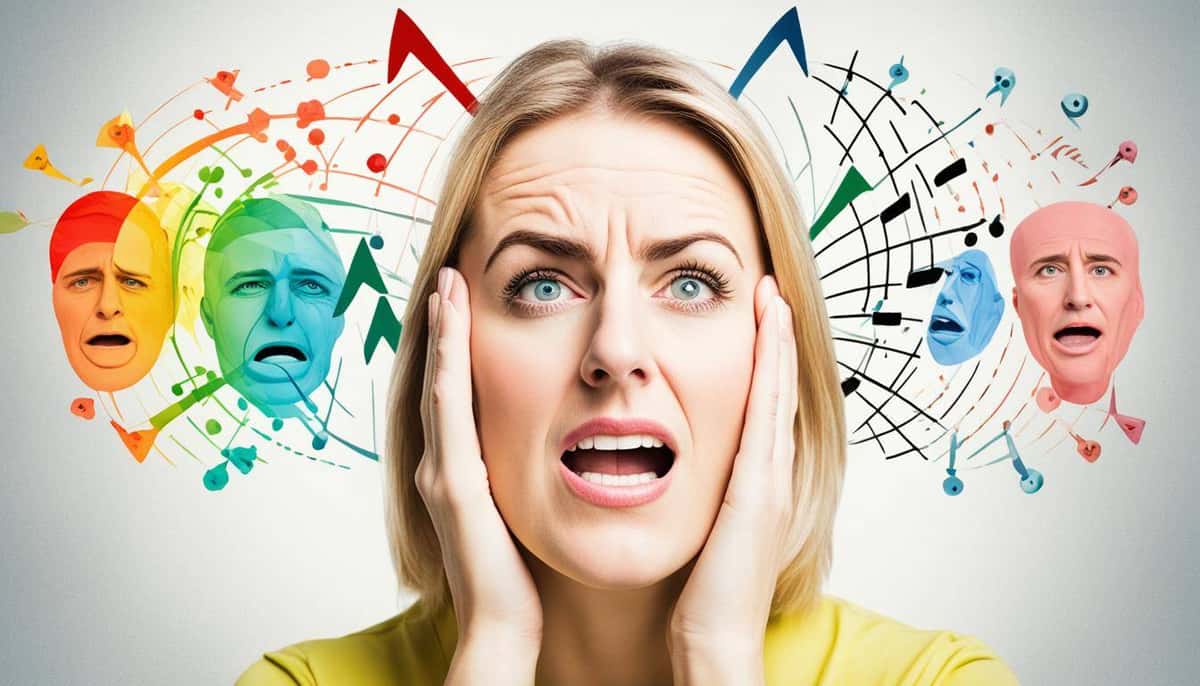

One day you might feel incredibly happy, and the next, deeply sad. That's what bipolar disorder can do. It causes major swings in mood, energy, and behavior. This can be very confusing and frightening.
This disorder affects about 4% of adults, which means that around 6 million Brazilians may be experiencing it . Let's talk about what bipolar disorder is , its symptoms, and how to treat it. It's very important to understand and deal with it correctly.
What is bipolar disorder?
Bipolar disorder affects approximately 140 million people worldwide, according to the World Health Organization (WHO) 2. It causes mood and energy changes, with episodes of mania and depression 3. The condition is most common among young people, especially those between 15 and 25 years old 2. Children can also be affected, which presents challenges for parents and educators 4 .
https://www.youtube.com/watch?v=4hVe8TzStd4
Bipolar disorder type 1 usually begins in adolescence or young adulthood. Type 2 usually begins around age 25. Genetic, environmental, and psychosocial factors can influence the development of bipolar disorder. Understanding bipolar disorder is crucial for diagnosis and treatment.
Types of bipolar disorder
Bipolar disorder can manifest in various ways. Understanding these forms is crucial to seeking the right treatment. There are three main types: type 1, type 2, and cyclothymic. There are also other related disorders.
Bipolar disorder type 1
Type 1 is characterized by severe and prolonged manic episodes. This can lead the patient to overspend and take risks. Diagnosis is crucial, as this form can lead to suicide and cause cognitive impairment.<sup> 5</sup>
Bipolar disorder type 2
Type 2 diabetes presents with episodes of hypomania and depression, without severe manic episodes. About one-third of patients attempt suicide. Therefore, medical follow-up is essential to avoid serious consequences.<sup> 5</sup>
Cyclothymic disorder
Cyclothymic disorder is characterized by periods of hypomanic and depressive symptoms. These symptoms must last at least two years in adults or one year in children. Although not very serious, it requires attention and treatment.<sup> 5</sup>
Other bipolar and related disorders
There are other bipolar and related disorders that don't fit neatly into the categories. Understanding their particularities is important for accurate diagnosis and treatment. This helps in seeking help effectively, as discussed earlier 6 .

Symptoms of bipolar disorder
The symptoms of bipolar disorder are divided into three categories: manic phases, depressive phases, and mixed episodes. These conditions greatly affect the lives of individuals and their loved ones. They impact emotional well-being, social relationships, and work.
Manic phases
In the manic phase, patients feel very energetic and euphoric. They may become agitated and sleep less than usual. This can lead to risky behaviors and very high self-esteem.
This phase can cause problems in daily life and relationships. The symptoms can be very difficult to cope with.
Depressive phases
Depressive phases are marked by sadness and lack of energy. Patients may experience loss of appetite, low mood, and suicidal thoughts. This makes daily life very difficult.
The symptoms of bipolar disorder at this stage can prevent you from doing simple things. They greatly affect your quality of life.
Episodes with mixed characteristics
Mixed episodes are complex and challenging. They combine manic and depressive symptoms. This can cause irritability and high energy, followed by deep sadness.
Understanding the symptoms of bipolar disorder is crucial for effective treatment. This helps improve the patient's life and reduces the risk of hospitalization. Understanding the symptoms of bipolar disorder is fundamental.
https://www.youtube.com/watch?v=BvKpI2HGfl4
Causes of bipolar disorder
The causes of bipolar disorder are complex. They combine genetic, biological, and environmental factors. Understanding these causes of bipolar disorder helps in diagnosis and treatment.
Genetic factors
Genetic factors are very important in the causes of bipolar disorder . The chance of having the disorder is 10% to 20% if one of the parents has bipolar disorder. This shows that heredity plays a strong role in this condition.
Biological and neurochemical traits
In addition to genes, changes in the brain are essential in the causes of bipolar disorder . These alterations affect mood and cause variations in episodes, such as mania and depression.
Environmental factors that trigger episodes
Stress and significant life events can trigger episodes of bipolar disorder. Diagnosis can take eight to nine years due to confusion with other conditions. This shows that the causes of bipolar disorder are complex, with an interaction between genetics and environment.
Diagnosis of bipolar disorder
To diagnose bipolar disorder, a detailed analysis and a thorough understanding of the symptoms are necessary. It's important to make a differential diagnosis to avoid confusion with other conditions, such as schizophrenia or depression. This helps ensure proper treatment.
Importance of differential diagnosis
Differential diagnosis is crucial for bipolar disorder. Approximately 2% of the world's population may have this disorder, most commonly among young people aged 16 to 25. Without a prompt diagnosis, treatment can be delayed, taking up to 8 to 10 years to find the correct one . Therefore, a detailed medical history and referrals to specialists are essential.
Average time for an accurate diagnosis
The time it takes to diagnose bipolar disorder can be very long. More than 90% of people with mania experience relapses, highlighting the urgency of a rapid diagnosis. Patients with bipolar I disorder may begin experiencing symptoms as young as 18, underscoring the importance of early diagnosis. A good understanding of the diagnosis not only improves treatment but can also prevent suicides, which are more common in this condition.
https://www.youtube.com/watch?v=ZmdihREnP4g
Treatment for bipolar disorder
Treatment for bipolar disorder is vital and long-lasting. Up to two million Brazilians suffer from this condition. This shows the importance of investing in effective treatments. The Ministry of Health will invest R$ 755 million over five years to treat Bipolar Affective Disorder.
A good treatment plan uses medications such as mood stabilizers and antipsychotics. Medication is recommended for long periods, often indefinitely 14. The goal is to reduce symptoms, prevent new episodes, and improve patients' lives 14 .
Some common medications include:
- Lithium : 600-1200 mg/day, essential for maintenance and prevention of episodes.
- Valproic Acid : 750-2000 mg/day, used for mood stabilization.
- Quetiapine : 300-800 mg/day, indicated as an adjunct.
- Lamotrigine : 200 mg/day, helping to prevent depressive episodes.
- Olanzapine : 5-20 mg/day, used in episodes of acute mania.
- Risperidone : 2-8 mg/day, for short-term treatment of acute mania.
- Aripiprazole : 10-30 mg/day, used to control symptoms 14 .
It is very important to follow the treatment. Patients with bipolar disorder may have up to 10 manic and depressive episodes in their lifetime 13. The time between episodes can vary, and 50% may have another manic episode two years after the first 13 .
Psychotherapy and psychological support
Psychotherapy is very important for people with bipolar disorder. It offers various types of therapies that provide psychological support . Among the most commonly used types of therapy are Cognitive Behavioral Therapy (CBT) and Interpersonal and Social Rhythm Therapy. These therapies help to change negative thoughts and improve social relationships.
CBT is very effective for those with bipolar disorder. It helps patients identify and change harmful behaviors. This can prevent manic and depressive episodes. <sup>15</sup>
Recommended types of therapy
- Cognitive Behavioral Therapy (CBT): Helps to change negative thoughts and behaviors.
- Psychoeducation: Teaches about the disease, its treatment, and signs of recurrence.
- Family-Focused Therapy: Reduces family distress and improves communication.
- Interpersonal and Social Rhythm Therapy: Helps regulate routines and sleep schedules, preventing manic episodes.
Importance of family support
Family support is very important for those with bipolar disorder. Family members who understand the illness can be of great help in treatment.15 They need information and strategies to help identify signs of recurrence and stabilize the patient's emotions.16

The importance of adherence to treatment.
Adherence to treatment is crucial for those with bipolar disorder. A rigorous treatment plan helps prevent relapses and episodes of extreme mood swings. Without treatment, up to 47% of patients may not adhere to treatment.<sup> 17</sup>
It is important to understand the risks of non-adherence, such as more serious crises . Bipolar disorder is chronic and requires constant attention. Therefore, adherence to treatment is of great importance .
Between 50% and 60% of patients discontinue treatment 17 19. This shows the need for strategies to help them continue therapy. Emotional stress can increase the risk of depression in unsupported family members 18 .
Many patients have doubts about the effectiveness of the treatment. About 66% respond to lithium, but the perception of effectiveness can vary 17 19. It is important to talk about the benefits and side effects to improve adherence.
https://www.youtube.com/watch?v=oricSZtWfWc
The impact of bipolar disorder on daily life.
Bipolar disorder greatly affects people's lives. It interferes with daily activities and social and family relationships . Approximately 140 million people worldwide, or almost 2% of the population, have this condition.<sup> 20 21 </sup>
Professional and academic performance
Manic and depressive episodes can affect concentration and productivity. This can lead to poor performance at work or in studies. A lack of understanding can increase stigma, harming professional opportunities.
Viviane Vaz said that family support was fundamental for her. This shows how important a supportive environment is for someone with bipolar disorder.
Social and family relationships
Having loved ones with bipolar disorder can be difficult. Mood swings affect social and family relationships . Support from friends and family is crucial to overcoming these challenges.
Tiago Belotti, who spoke about this on YouTube, shows the importance of psychological and family support. This helps maintain a balanced life . Proper treatment and understanding of the individual's needs are fundamental to building healthy relationships.

How to deal with bipolar disorder
Dealing with bipolar disorder requires knowledge and appropriate strategies. This applies to both the patient and their family and friends. Understanding the condition is fundamental, as mood swings can be challenging.
We must adopt practices that help with coexistence and support. This is crucial for those facing this condition.
Tips for family and friends
To help someone with bipolar disorder, it's important to follow some guidelines. Avoiding arguments that could trigger crises is essential. Maintaining a calm and positive tone during depressive episodes is also crucial.
Understanding and being patient are key to success. Creating a safe environment where the person feels comfortable expressing themselves is crucial. Encouraging self-care and seeking professional help, if necessary, is part of the process.
Learning about the disorder makes coexistence easier. This makes interactions more respectful. <sup>22</sup>
Healthy practices in daily life
Healthy practices are essential for those dealing with bipolar disorder. Physical activity helps reduce the number of episodes. Just 30 minutes a day brings significant benefits. <sup>23</sup>
Having a sleep routine of about 8 hours a night is recommended. This helps stabilize symptoms 23. Relaxation techniques, such as deep breathing and meditation, are also helpful in managing stress.
Regular contact with friends and family is therapeutic. This prevents isolation and loneliness, which can worsen the condition 23 .
https://www.youtube.com/watch?v=6QAFt-kVqhc
Stigmas and prejudices surrounding bipolar disorder.
The stigma surrounding bipolar disorder greatly affects those who have it. Approximately 140 million people worldwide live with it. Symptoms often begin before the age of 30 , primarily between the ages of 18 and 25 .
This disorder is new and complex, but many people don't understand it well. This leads to discrimination and people being excluded from society 25 .
Furthermore, many take years to discover what they really have. This can make them feel isolated and lacking the confidence to seek help 25. Stigma affects their self-esteem and confidence in talking about what they feel 24 .
It is very important to educate society about bipolar disorder. This way, we can create a more welcoming environment. This will allow people to seek help without fear of being judged.

Latest research and advances in treatment
Recent research on the treatment of bipolar disorder focuses on new ways to diagnose and treat it. A recent study showed that a blood test can identify up to 30% of cases of bipolar disorder 26. This is an important step towards better understanding the disorder and finding new forms of treatment 27 .
Seventeen biomarkers have been found in the blood that help distinguish people with bipolar disorder from those with depression 26. With these biomarkers, it is expected that diagnosis will improve, especially in difficult cases 26 .
Combining patient reports and blood tests has yielded good results for diagnosis 26. It is important to improve the technology to make testing more accessible and effective 26 .
Bipolar disorder affects about 1% of the world's population, which means about 80 million people worldwide 28. In Brazil, it is estimated that about 8 million people have the disorder 28 .
These efforts aim to improve the diagnosis and treatment of bipolar disorder 27. With more research, we hope for new interventions that will improve the lives of those suffering from the disorder 28 .
Conclusion
Bipolar disorder affects approximately 2.4% of the population, highlighting the importance of understanding its complexity. It can appear in different forms, such as type 1 and type 2 29. Treatment is essential for people to live well, including medication and psychological help 30 .
Heredity and diagnosis are important factors in the treatment of bipolar disorder. A correct diagnosis is key to effective treatment 29. Seeking professional help and having support from family and friends is fundamental 30 .
It is crucial to educate the public about the signs of bipolar disorder. This creates a more understanding environment and helps those suffering from the condition to feel valued.
FAQ
What is bipolar disorder?
Bipolar disorder is a mental health problem that causes significant changes in mood and behavior. People with it alternate between periods of high energy and periods of depression.
What are the main symptoms of bipolar disorder?
Symptoms include periods of high energy and agitation, and others of deep sadness and lack of interest. Some may experience mixed symptoms.
How is bipolar disorder diagnosed?
Diagnosis requires careful evaluation. This can take 8 to 10 years, as it can be confused with other mental health problems.
What are the causes of bipolar disorder?
The causes include genes, changes in the brain, and environmental factors such as stress and trauma.
What is the treatment for bipolar disorder?
Treatment involves medication, such as mood stabilizers, and therapy. Lifestyle changes are also important.
What types of psychological treatment are recommended for bipolar disorder?
Therapies such as cognitive-behavioral and interpersonal therapy are recommended. They help to understand and deal with the problem.
How can family and friends help someone with bipolar disorder?
They can offer emotional support and understand the condition. This helps create a safe environment for the patient.
Can bipolar disorder affect professional life?
Yes, it can affect work and studies, making it difficult to hold down a job or study during episodes.
What should we do to deal with episodes of bipolar disorder?
It's important to maintain healthy habits, such as getting enough sleep and eating well. Seeking professional help is also crucial.
Is there stigma associated with bipolar disorder?
Yes, there are stigmas and prejudices that lead to discrimination and marginalization of people with the disorder.
What is the latest research on the treatment of bipolar disorder?
Research aims to better understand the disorder and find new treatments to improve the lives of those affected.
🌟 Have you considered seeking a therapist to support your well-being journey?
If this article sparked reflections about positive changes in your life, perhaps now is the ideal time to take the next step. Do you know hypnosis as a therapeutic tool? This approach can be surprisingly effective for various personal challenges.
Special offer: Book a free 20-minute consultation with therapist Fabio Morus and discover how therapy can transform your life.
✨ No commitment — Completely free — 20 minutes that can make a difference
👉 Click here to book your free consultation
Don't postpone your well-being any longer. The first step to change is just one click away.