
Did you know that hypnosis can significantly change the brain ? Many still see hypnosis as something magical. But science shows that it has interesting neural mechanisms. Let's see how hypnosis changes how we process information and face challenges.
Hypnosis is increasingly used in healthcare in Brazil 1. It is seen as an effective therapeutic tool 1. In the hypnotic state, we see less activity in areas of the brain that evaluate and think 1. But there is more connection between the brain and the body, especially in areas of attention and action 1 .
Want to know what happens in the brain during hypnosis? Let's delve into the neuroscience of hypnosis . You'll discover how this altered state of consciousness affects our brain function and our lives.
What Science Says About Hypnosis
Science shows that hypnosis changes the state of consciousness. This makes the person more alert and less aware of their surroundings. This helps them respond better to suggestions . Furthermore, functional tomography studies observe what happens in the mind of someone who is hypnotized .
Scientific Studies on How Hypnosis Works
Studies indicate that clinical hypnosis is used by healthcare professionals in Brazil. It is recognized by federal bodies, such as the Federal Council of Dentistry and Medicine. This shows that hypnosis is an effective therapeutic practice.
Hypnosis is used by doctors, psychologists, and dentists. It helps in the treatment of anxiety, depression, phobias, and pain . It can also help with problems such as hypertension, asthma, and obesity . Hypnosis can change how the patient reacts to pain, reducing emotional suffering.
Hypnosis as a Clinical Tool Recognized by Federal Agencies
In Brazil, hypnosis was regulated in the 20th century. It was recognized by the Federal Council of Dentistry in 1966, of Medicine in 1999, and of Psychology in 2000. To practice hypnotherapy in Brazil, a university degree and a hypnotherapy course of 60 to 360 hours are required .
Thus, science confirms that hypnosis is a recognized and effective clinical tool. It is used by healthcare professionals in various fields, with good results in the treatment of several conditions.
https://www.youtube.com/watch?v=OCVbcWQaRPU
Recent Discoveries on How Hypnosis Works in the Brain
Recent studies have used neuroimaging to show how hypnosis affects the brain. They show that hypnosis changes activity and how parts of the brain connect. This research helps to better understand how hypnosis influences behavior and what people feel.<sup> 4 </sup>
Changes in brain activity during hypnosis
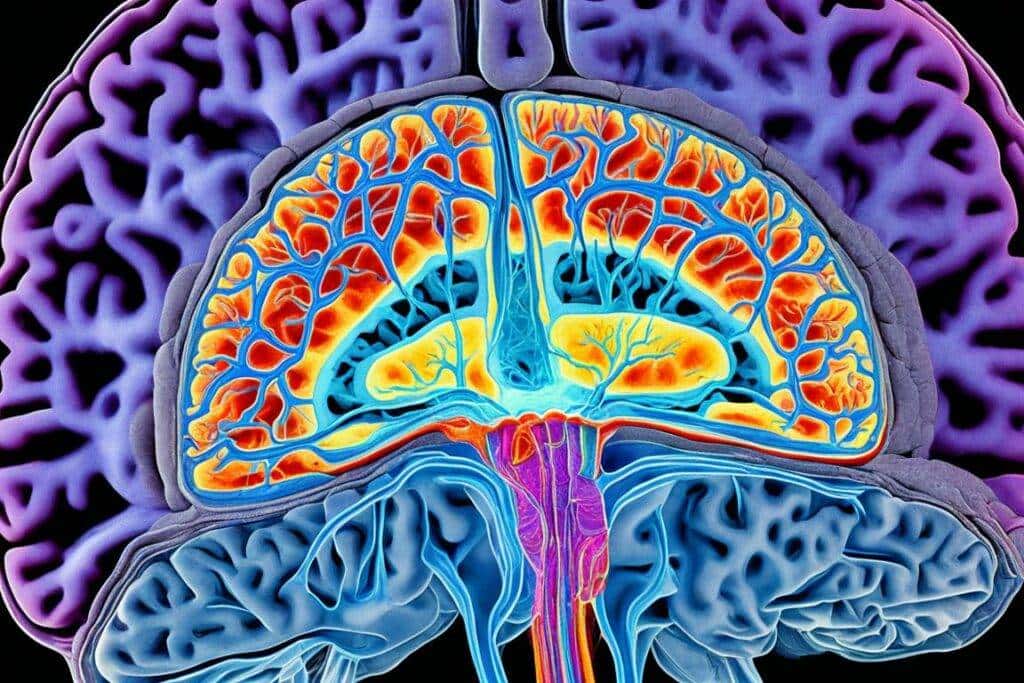
When someone is hypnotized, the prefrontal cortex becomes less active. This is where we think and make decisions. This causes the person to be more receptive to suggestions when hypnotized.<sup> 5 </sup>
On the other hand, the anterior cingulate cortex becomes more active. This is the area that helps with focus and concentration. This shows that the person is more attentive to what is happening at the moment 5 .
Changes in connectivity between brain regions
Hypnosis also changes how parts of the brain communicate with each other. It makes the prefrontal cortex and the anterior cingulate cortex work better together. This helps to control emotions and thoughts.<sup> 5</sup>
This improved communication may explain why hypnosis helps relieve pain and anxiety. It can make people feel better emotionally 5 .
"Hypnosis has the ability to reprogram the database of emotions, allowing for the creation of more positive associations and the handling of negative feelings." - Osmar Ribeiro Colás, founder of the Hypnosis Study Group at Unifesp
Hypnosis can also activate areas of the brain that deal with pain . This includes the anterior cingulate cortex and the amygdala. This shows that hypnosis can be used to alleviate symptoms of pain and stress.<sup> 5</sup>
New findings about hypnosis and the brain show how it can be used to improve health. Research continues to advance, revealing more about how hypnosis can help people. <sup>4</sup>
What happens in the brain during hypnosis?
In hypnosis, the prefrontal cortex becomes very active. This is where we focus and concentrate . This causes us to become very focused and ignore the world around us.
Reduced activity in the anterior cingulate cortex
On the other hand, the anterior cingulate cortex becomes less active. This is where we evaluate and judge things . With less activity there, we relax more and accept the suggestions of hypnosis better.
Changes in sensory processing and memory
The hippocampus also changes during hypnosis. This is where we process what we feel and remember things . Because of this, we can recall old things more clearly.
Furthermore, hypnosis causes the brain to connect in a different way. For example, the prefrontal cortex and the insula become more connected 7. This shows that hypnosis is a special state of consciousness, with changes in connections and neurotransmitters 7 .
These changes in the brain make hypnosis useful. It helps to relax, reduce pain, and change how we think and act 7 .
Hypnosis and the Change of Automatic Behaviors
Hypnosis can change automatic behaviors, which are ingrained neural patterns. During hypnosis, certain areas of the brain become less active and others more connected . This helps to create new neural pathways and change these behaviors.
Creating New Neural Pathways Through Hypnosis
The state of hypnosis improves the response to positive suggestions 8. This helps create new connections in the brain, promoting neuroplasticity 9. Thus, it is possible to change ingrained behaviors.
Importance of a Trained Professional in the Application of Hypnosis
It is crucial to have a trained professional to use hypnosis . Hypnosis is not a magic solution, but a tool that needs to be used carefully and responsibly.
Studies show that modern hypnosis practice is used in various fields, such as medicine and psychology.9 Ericksonian hypnosis is effective in improving brain plasticity, aiding in rehabilitation.9
Therefore, hypnosis is a powerful tool for changing automatic behaviors. However, it is important to have a qualified professional use this technique responsibly and ethically.
Clinical Hypnosis: Benefits and Applications
Clinical hypnosis is a very powerful therapeutic tool. It has many benefits and is used to treat various conditions. Studies show that it helps in the treatment of chronic pain, anxiety, and stress . This happens because hypnosis affects important areas of the brain, such as the amygdala, which is crucial for fear and stress .
The Use of Hypnosis in the Treatment of Conditions such as Pain, Anxiety, and Stress
Studies show that hypnotherapy has a high success rate, between 90% and 95%. It does not cause side effects, as it does not use medication . After 6 to 7 sessions, many patients improve significantly . Hypnosis is used to treat various conditions, such as insomnia and increased appetite.
Impact of Hypnosis on Brain Areas such as the Amygdala
Hypnosis strengthens connections between the prefrontal cortex and the anterior cingulate cortex . This helps people focus and plan better . Approximately 15% of the population can enter deep states of hypnosis, allowing for significant changes .
Hypnosis is effective in treating problems such as stressful childbirth and post-traumatic stress disorder. It also helps with emotional control and the development of skills. <sup>11</sup>
Strengthening the Connections between the Prefrontal Cortex and the Anterior Cingulate Cortex
Hypnotherapy is recognized by the SUS in Brazil 12. Scientific studies on hypnotherapy are growing, with recognition from experts such as Sigmund Freud 12 .
Scientific interest in hypnosis dates back to antiquity, around 1500 BC 12. The future of hypnosis is promising, with more focus on its therapeutic potential 11 .

Demystifying the Process of Brain Hypnosis
Hypnosis is not magic or a stage trick . It is a serious practice that requires training and skill to be used correctly.13 The use of hypnosis must be ethical and responsible . This should be done by certified and trained healthcare professionals.13
Hypnosis as a Serious Practice that Requires Training and Skill
Hypnosis involves attentional focus . This leads the patient to a state of deep relaxation, called a hypnotic trance . International research and studies seek to improve and demystify hypnosis . In Brazil, hypnosis is regulated for professionals such as psychologists, physiotherapists, doctors, dentists , and occupational therapists .
Cognitive hypnotherapy has shown positive results in the treatment of eating disorders, anxiety, sleep disorders, depression, phobias , and substance use.13 It is also compatible with cognitive-behavioral therapy. Hypnosis is a useful and versatile therapeutic tool , increasing the effectiveness of therapy.13
It is crucial to demystify hypnosis as a serious practice that requires training and skill.13 Only qualified healthcare professionals should use it ethically and responsibly . In this way, they can harness its therapeutic potential to help patients.
The Role of Hypnosis in Addressing Stress and Anxiety
Clinical hypnosis is very effective in treating stress and anxiety . Research shows that it can greatly reduce the symptoms of these conditions. This helps those who have phobias or generalized anxiety.
The state of deep relaxation promoted by hypnosis.
When you are hypnotized, your brain relaxes a great deal. This decreases activity in the prefrontal cortex and increases connectivity between important brain areas 14. This relaxation helps to change bad behaviors and overcome negative patterns 15 .
Hypnosis as a complementary strategy to other therapies.
Hypnosis can be used in conjunction with other therapies that have a scientific basis. This can greatly improve the treatment of various problems. Professionals can use hypnotherapy in conjunction with cognitive behavioral therapy for better results .
"Hypnosis, far from being just a stage trick, is a powerful therapeutic tool with solid scientific foundations." 14

Thus, hypnosis becomes a scientifically validated therapy that can change the lives of people with stress and anxiety 14. With the help of trained professionals, hypnosis can be a great strategy for dealing with these problems 15 14 .
Hypnotizable and Non-hypnotizable Individuals: The Differences
Hypnosis is a widely used and recognized therapeutic tool. Many people think that some people cannot be hypnotized. Studies show that everyone can be hypnotized, provided an experienced professional guides them.<sup> 16 </sup>
Traumatic experiences, childhood imagination, and differences in the brain affect susceptibility to hypnosis 17. In 2004, research from the University of Virginia showed that the brain of someone who is easily hypnotized has a larger area 17 .
With the right knowledge and a qualified professional, anyone can be hypnotized 16. Hypnotherapy has grown significantly in recent years, with much scientific evidence to support it 16 .
Factors that influence susceptibility to hypnosis
- Traumatic experiences
- The use of imagination in childhood.
- Structural differences in the brain
Evidence of structural differences in the brain
Studies show that the brains of people who are easily hypnotized have a larger area 17. These differences in the brain affect how people react to hypnosis 17 .
"Hypnosis cannot erase memories or information. It can reframe events and neutralize negative emotions." 16
Despite the differences, hypnosis can be used by everyone, with a qualified professional. With the right knowledge, anyone can benefit from hypnosis .
Conclusion
The relationship between hypnosis and neuroscience opens up new possibilities for treatment. Understanding brain changes during hypnosis helps us use this tool in various conditions, such as pain and anxiety. Trained professionals can use hypnosis to bring about positive changes in people's lives, improving their well-being .
Recent studies show how hypnosis works on the body, reinforcing its use in medicine and dentistry 18. Hypnology is a field of research that blends hypnosis and neuroscience, studying the brain and behavior 18 .
With more knowledge about hypnosis and neuroscience, we can use hypnosis more safely and effectively to improve people's lives . It is important that healthcare professionals, such as doctors and psychologists, work together to use hypnosis responsibly .
FAQ
What happens in the brain during hypnosis?
In hypnosis, we see changes in brain networks. They decrease activity in areas that think critically, but increase it in areas that allow us to focus and follow instructions.
Hypnosis also decreases activity in areas of the brain that process information. This includes the anterior cingulate cortex and the prefrontal cortex. These areas are important for self-awareness and critical evaluation.
What are the techniques of hypnosis and their effects on the brain?
Hypnosis creates an altered state of consciousness. This increases our ability to respond to suggestions. During hypnosis, we see changes in brain activity.
For example, activity in the prefrontal cortex decreases. But activity in the cingulate cortex increases. This increase helps control attention and concentration.
What are the trance states observed during hypnosis?
In hypnosis, we see a state of heightened concentration and reduced awareness of the environment. This occurs because activity in the anterior cingulate cortex decreases. This area is important for assessment and judgment.
Furthermore, we observed changes in the hippocampus. This is where we process sensory information and store memories.
How does neuroscience explain the mechanisms of hypnosis?
Neuroscience shows that hypnosis changes the activity and connections between brain regions. Activity in the prefrontal cortex decreases, while that in the cingulate cortex increases.
These changes explain why a person becomes more focused and receptive to suggestions during hypnosis.
Does hypnosis have applications in the clinical and therapeutic fields?
Yes, hypnosis is officially recognized in Brazil as a therapeutic tool. It is used by healthcare professionals to treat various conditions.
Studies show that hypnosis can help treat chronic pain, anxiety, and stress. It acts on areas such as the amygdala and improves the connection between the prefrontal cortex and the anterior cingulate cortex.
Can anyone be hypnotized?
Everyone can be hypnotized, although some are considered "unhypnotizable." Factors such as childhood experiences and differences in the brain influence susceptibility.
However, with the right knowledge and guidance from a professional, anyone can be hypnotized.
🌟 Have you considered seeking a therapist to support your well-being journey?
If this article sparked reflections about positive changes in your life, perhaps now is the ideal time to take the next step. Do you know hypnosis as a therapeutic tool? This approach can be surprisingly effective for various personal challenges.
Special offer: Book a free 20-minute consultation with therapist Fabio Morus and discover how therapy can transform your life.
✨ No commitment — Completely free — 20 minutes that can make a difference
👉 Click here to book your free consultation
Don't postpone your well-being any longer. The first step to change is just one click away.