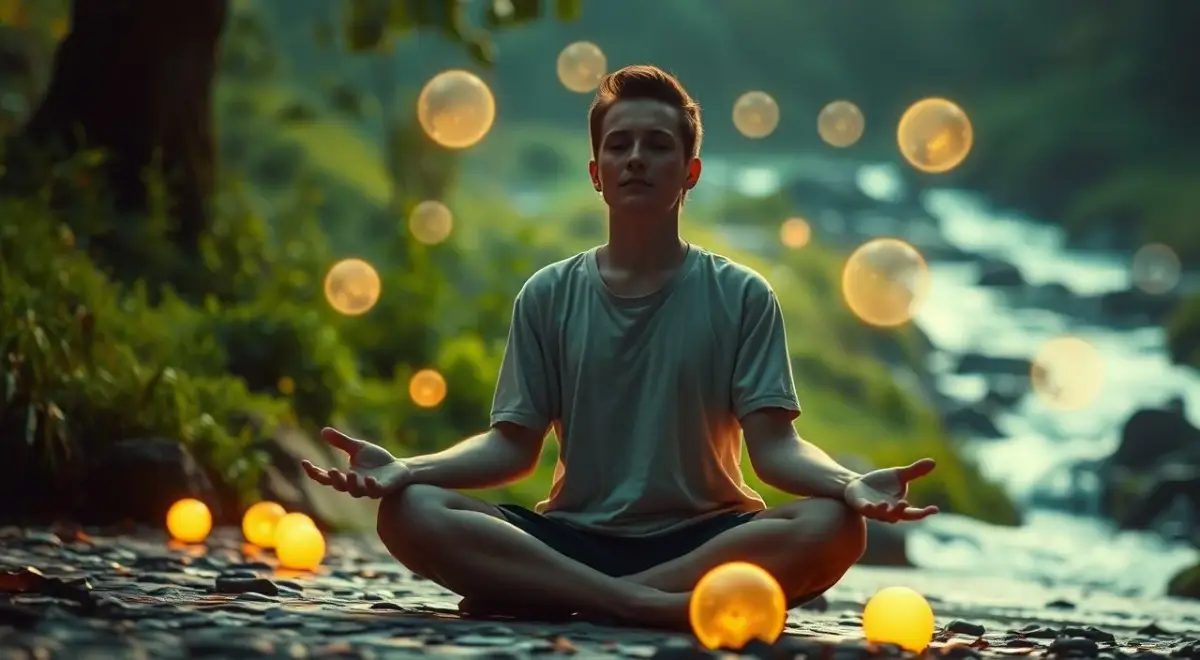

Mental health is very important. It involves self-awareness, exercise, and eating well. These are three key aspects of good mental health , helping to maintain a balanced and happy mind.
Over 86% of Brazilians experienced anxiety during the pandemic. Understanding the connection between mental and physical health is crucial. Taking care of your mental health can greatly improve your life.
Key Points
- Mental health is essential for quality of life.
- Self-awareness is fundamental to psychological balance .
- Regular physical activity and a healthy diet are important for mental health .
- Mental well-being can be achieved through mental health care .
- Emotional health is interconnected with physical health.
The Importance of Mental Health

Mental health is essential for living well. The World Health Organization (WHO) says that mental health is being well enough to do everyday things. Neglecting the importance of mental health greatly harms people's mental health and quality of life .
What is mental health?
Mental health is emotional and psychological well-being. It stems from biological, psychological, and social factors. Experiences such as stress, anxiety, and depression can affect it.
Impact on quality of life
Mental health greatly influences overall mental health and quality of life . Those who are mentally well are more productive and happier at work. Furthermore, it also affects both mental and physical health . Mental health problems can cause physical illnesses, such as heart problems and diabetes.
The relationship between mental and physical health.
Mental and physical health are closely linked. Mental health problems can cause physical problems, and vice versa. For example, anxiety and depression can lead to chronic pain and fatigue.
- Stress and anxiety
- Depression
- Heart disease
- Diabetes
Principle of Self-Awareness

Self-awareness is essential for mental health. It can be improved through meditation and self-knowledge . Studies show that this makes us more receptive and improves our mental health.
Thiago Montemezzo, for example, changed his life after 14 years in the same job. He weighed 106 kilos and felt very mentally exhausted. But, by starting to exercise, he lost 20 kilos and improved significantly.
The role of self-knowledge
Self-knowledge is key to self-awareness . It's about understanding our emotions, thoughts, and behaviors. This allows us to see our strengths and weaknesses and improve our relationships and mental health.
Practices for developing self-awareness
Several practices can help develop self-awareness. For example:
- Meditation: focusing attention on an object to achieve a higher state of consciousness.
- Keeping a journal: write down your thoughts and emotions to better understand your patterns.
- Self-reflection: reflecting on our actions and decisions.
These practices improve self-awareness and mental health. Remember, self-awareness is a process that takes time and practice to yield results.
Regular Physical Activity

Regular exercise is essential for mental health. It helps reduce symptoms of depression, anxiety, and bipolar disorder. The World Health Organization (WHO) says that exercise can reduce the risk of psychiatric illnesses.
The benefits of exercise for the mind include the release of endorphins. These endorphins are feel-good and relaxing. In addition, exercise stimulates the production of neurotransmitters. These help regulate hormones and reduce stress.
There are many types of activities recommended for mental health. For example:
- Aerobic exercises, such as walking or running.
- Resistance exercises, such as weight training or yoga.
- Group activities, such as sports or dancing.
It's important to remember that it doesn't need to be very intense or long. Even 30 minutes of moderate physical activity a day makes a difference.
Healthy Eating

Healthy eating is very important for mental health. A balanced diet helps prevent and treat problems such as anxiety and depression.
Foods that promote mental health
- Fruits and vegetables
- Nuts and seeds
- Oily fish
- Whole grain products
These foods have many nutrients that are good for the mind. They contain omega-3s, vitamin D, and fiber. Maintaining adequate hydration is also crucial for the brain and body to function well.
The importance of hydration.
Drinking water is very beneficial for mental health. It improves mood, concentration, and memory. It's good to drink at least 2 liters of water a day to feel good.
Mindfulness and Meditation Practices

The practice of mindfulness and meditation is essential for mental health. An introduction to mindfulness is the first step. You learn to focus on the present and let go of worries.
There are several effective meditation techniques for improving mental health. Some of them are:
- Deep breathing
- Concentration
- Guided meditation
Regular practice brings benefits. You may experience less stress and anxiety. It improves sleep and increases happiness.
| Benefit | Percentage of improvement |
|---|---|
| Reducing stress and anxiety | 30% |
| Improved sleep | 20% |
| Increased feelings of happiness | 10-20% |
In short, meditation is a powerful tool for mental health. With an introduction to mindfulness and effective meditation techniques , you begin to feel the benefits.
Building Healthy Relationships

Having healthy relationships is very important for mental health. They help us create strong and meaningful bonds. Social support is crucial, as it gives us both emotional and practical support.
To strengthen these bonds, it's essential to know how to communicate well. It's also important to respect your partner and grow together. Studies show that couples who try new things together are more successful.
It's important to respect individuality in a relationship. Couples who maintain their identities experience fewer crises. Praising your partner can increase their self-esteem by up to 50%.
- Practice effective and open communication.
- Respect your partner's individuality.
- Doing new activities together
- Offering recognition and praise
In short, having healthy relationships is essential for mental health. This can be achieved through social support and strengthening bonds. It's important to know how to strengthen these bonds and respect the partner's individuality.
Stress Management

Stress management is essential for mental health. Chronic stress can cause serious problems. It is crucial to use stress reduction strategies , such as deep breathing and rest.
Rest and leisure are very important. They help reduce stress and increase well-being. Sleeping well is fundamental for the brain, as sleep is essential for it.
Some tips for dealing with stress are:
- Engage in regular physical activity.
- Adopting a balanced diet rich in omega-3s
- Sharing feelings with trusted people
- Establishing healthy boundaries and learning to say "no"
It's an ongoing process and requires practice and patience. With the right strategies, it's possible to maintain balanced mental health and reduce stress.
Sleep and Mental Health

Sleep is very important for mental health. It helps regulate emotions and maintain a healthy mind. The World Health Organization says that 86% of the Brazilian population has some kind of mental health problem.
Correlation between sleep and mental health
The relationship between sleep and mental health is very strong. Sleep helps regulate emotions and maintain a healthy mind. It's important to sleep between 7 and 8 hours a day for good mental health.
Tips to improve sleep quality
There are several ways to improve sleep. For example:
- Create a calm and comfortable environment for sleeping.
- Avoid stimulants before bed, such as caffeine and screens from electronic devices.
- Maintain a regular sleep and wake schedule.
- Practice relaxing activities before bed, such as meditation or reading.
It's important to remember that lack of sleep can cause problems. This includes feeling unwell, a restless mind, and bad moods. Therefore, it's essential to take care of your sleep and mental health to have a good life.
Limitations on the Use of Technology
Limiting technology use is essential for mental health. Nowadays, social media dominates much of our time. More than 80% of children and teenagers have social media profiles. This can cause anxiety and depression .
To avoid these problems, it's crucial to set limits and take breaks from technology. Here are some tips for using technology in a healthy way:
- Set a schedule for using technology and stick to it.
- Avoid using screens during meals and disconnect before bed.
- Engage in activities and personal meetings to counterbalance technology use.
Furthermore, constant connectivity can increase stress and anxiety, especially at work. It's important to find a balance between technology and personal life.
The Importance of Professional Support
In mental health, professional support is crucial. The World Health Organization (WHO) says that nearly 1 billion people have some form of mental disorder. This shows how important it is to seek help.
Knowing when to seek help is essential. If you are experiencing depression, anxiety, or stress, seek professional help. Psychologists and psychiatrists are options for assistance.
Treatment options vary depending on each person's needs. It could involve therapy, such as cognitive behavioral therapy, or medication. It's important to find a professional who is a good fit for you.
Furthermore, taking care of mental health isn't just an individual matter. It's also important at work and in the community.
In conclusion , professional support is vital for mental health. It is important to seek help when needed and to find a qualified professional.
Conclusion: Towards Balanced Mental Health
We've reached the end of this journey. Thinking about mental health is crucial for a happy life. We've discussed everything from self-awareness to healthy relationships .
Mental health comes from healthy habits and emotional skills. Exercise, healthy food, and managing stress are key.
It's vital to have a mental health campaign in society. This helps reduce stigma. Everyone can help by being more empathetic and supporting professional care.
We can create a world where mental health is a priority. In this way, everyone can grow and reach their full potential. This could be the beginning of a better future for all.
Want to experience the benefits of hypnosis for anxiety and stress?
✅ Schedule a free 20-minute consultation with Therapist Fabio Morus today! Discover how hypnotherapy can transform your life! He can help you take the first step towards a lighter and more balanced life. Click here to schedule!
Source Links
- Check out 7 tips on how to take care of your mental health! - https://vidasaudavel.einstein.br/como-cuidar-da-saude-mental/
- Mental health: how to take care of yourself during times of crisis? -https://blog.mag.com.br/longevidade/saude-mental/
- Mental Health - https://www.cuidamosjuntos.com.br/saude/saude-mental
- Mental health and its importance in people's lives - Santa Mônica Hospital - https://hospitalsantamonica.com.br/a-saude-mental-ea-importancia-dela-na-vida-das-pessoas/
- Mental Health - https://www.gov.br/saude/pt-br/assuntos/saude-de-aaz/s/saude-mental
- Self-awareness, boundaries, and balance: prioritizing yourself is essential for mental health | GZH - https://gauchazh.clicrbs.com.br/saude/vida/noticia/2024/09/autoconhecimento-limites-e-equilibrio-priorizar-a-si-mesmo-e-essencial-para-a-saude-mental-cm0zenn90002y012z4xtie6hc.html
- Self-awareness: what it is and how to develop it - FM2S - https://www.fm2s.com.br/blog/o-que-e-autoconsciencia-e-qual-a-sua-importancia
- How does physical exercise help mental health? - Drauzio Varella Portal - https://drauziovarella.uol.com.br/atividade-fisica/como-os-exercicios-fisicos-ajudam-na-saude-mental/
- The relationship between physical activity and mental health - https://blog.sabin.com.br/autocuidado/relacao-entre-atividade-fisica-e-saude-mental/
- 10 Effects of Physical Activity on Mental Health - https://ge.globo.com/eu-atleta/saude-mental/reportagem/2023/10/04/c-10-efeitos-da-atividade-fisica-na-saude-mental.ghtml
- Mental health and nutrition: what is the relationship? - Nutritotal PRO - https://nutritotal.com.br/pro/material/saude-mental-e-alimentacao-qual-ea-relacao/
- What is the influence of diet on mental health? - Usisaúde - https://www.fsfx.com.br/usisaude/qual-a-influencia-da-alimentacao-para-a-saude-mental/
- What is the relationship between nutrition and mental health? - https://online.pucrs.br/blog/alimentacao-e-saude-mental
- Advantages of mindfulness and a step-by-step guide to practicing it - https://vidasaudavel.einstein.br/5-vantagens-do-mindfulness-e-um-passo-a-passo-para-pratica-lo/
- Mindfulness: what it is, its origin, and 17 practices to learn - https://napratica.org.br/mindfulness-como-aplicar/
- Discover 6 tips for having a healthy relationship - https://www.psicologossaopaulo.com.br/blog/ter-um-relacionamento-saudavel/
- Healthy Relationships: How Mental Health Affects Relationships - https://shirleymiguel.com.br/relacionamento-saudavel-como-a-saude-mental-afeta-as-relacoes/
- 8 attitudes that can improve your mental health and well-being - https://www.geolab.com.br/dicas-de-saude/melhorar-a-saude-e-bem-estar/
- Anxiety and Stress: Managing and Improving Mental Health - https://hospitalsantamonica.com.br/ansiedade-e-estresse-estrategias-para-gerenciamento-e-melhoria-da-saude-mental/
- How to control stress: 10 tips that can help you - https://essentia.com.br/conteudos/como-controlar-o-estresse/
- How to take care of your mental and emotional health in 7 tips - https://www.clinicaceu.com.br/blog/como-cuidar-da-saude-mental-e-emocional/
- How to take care of your mental health: essential tips and care - https://viverbem.unimedbh.com.br/prevencao-e-controle/como-cuidar-da-saude-mental/
- Quality sleep is fundamental for mental health and happiness - Sleep Institute - https://institutodosono.com/artigos-noticias/sono-de-qualidade-e-fundamental-para-a-saude-mental-ea-felicidade/
- How can the internet impact the mental health of teenagers? - Drauzio Varella Portal - https://drauziovarella.uol.com.br/psiquiatria/como-a-internet-pode-impactar-a-saude-mental-dos-adolescentes/
- Volume of social media use can affect mental health - APM - https://www.apm.org.br/volume-de-uso-de-redes-sociais-pode-afetar-saude-mental/
- Limiting technology use is fundamental for physical and mental health - https://abqv.org.br/uso-de-tecnologia/
- Mental health at work: importance and tips on how to take care of it - https://flashapp.com.br/blog/bem-estar/saude-mental-no-trabalho
- How to promote actions focused on mental health in the workplace? - https://www.roberthalf.com/br/pt/insights/gestao-talentos/10-dicas-para-promover-acoes-voltadas-para-saude-mental-no-trabalho-rc
- Have you taken care of your mind today? Learn about its importance for your mental health. - https://www.unicep.edu.br/post/ja-cuidou-de-sua-mente-hoje-aprenda-a-importancia-para-sua-saude-mental
- 10 tips for maintaining mental health - São Lucas Hospital Blog - https://blog.gruposaolucas.com.br/todos/10-dicas-para-manter-a-saude-mental/
🌟 Have you considered seeking a therapist to support your well-being journey?
If this article sparked reflections about positive changes in your life, perhaps now is the ideal time to take the next step. Do you know hypnosis as a therapeutic tool? This approach can be surprisingly effective for various personal challenges.
Special offer: Book a free 20-minute consultation with therapist Fabio Morus and discover how therapy can transform your life.
✨ No commitment — Completely free — 20 minutes that can make a difference
👉 Click here to book your free consultation
Don't postpone your well-being any longer. The first step to change is just one click away.