
The fear of death is something many of us face. Often, we hide this fear beneath our emotions. This can cause us to stop thinking about life. However, confronting this fear can help us get to know ourselves better. Let’s see how understanding the fear of death can help us grow and enrich our lives.
What is the fear of death?
The fear of death, also called thanatophobia, is a profound anxiety. It relates to the idea of dying and the end of life. It can stem from traumatic experiences or from thinking about our own mortality. Understanding what the fear of death is is the first step in confronting it.Definition and origins of fear
The fear of death involves complex feelings. It can be influenced by many factors, such as personal experiences and culture. Some people begin to understand their fear by seeking the roots of the anxiety.How the fear of death manifests itself.
Symptoms of fear of death vary from person to person. They may include:- Anxiety when death is mentioned;
- Avoid talking about death;
- Physical tension, such as palpitations.
The consequences of the fear of death.
The fear of death has many consequences. It’s important to understand these implications in order to overcome them. The consequences include:- Poor personal relationships due to isolation;
- Anxiety and depression, which affect well-being;
- Difficulty achieving life goals due to fear.
The importance of self-knowledge
 Self-knowledge is a powerful tool. We can all cultivate it in our lives. Understanding our personality, emotions, and motivations changes how we see life. This includes accepting death. Exploring who we are brings benefits to self-knowledge . These benefits help us live better and with more meaning.
What is self-knowledge?
Self-awareness is knowing our emotions, thoughts, and behaviors. It’s reflecting on our experiences and analyzing our reactions. This helps us face life’s challenges with more clarity.Benefits of self-knowledge in life
The benefits of self-knowledge are numerous. They improve our lives in many ways. Knowing yourself better helps us to:- To increase self-esteem and confidence.
- To improve interpersonal relationships.
- To make better decisions that are aligned with our goals.
- To better manage negative emotions and stress.
Self-awareness and acceptance of death
Accepting death is a difficult topic. But self-knowledge helps us face it calmly. Thinking about life and death gives us important insights. Understanding our fears and anxieties about death brings us inner peace.How the fear of death can drive change.
Facing the fear of death can profoundly change our lives. It makes us think more about what we want from life. Many begin to value the present moment and seek new challenges.Giving meaning to life
When we think about death, we ask ourselves what the purpose of life is. This makes us appreciate the simple things more. In this way, we can focus on what truly matters and achieve our dreams.The search for new goals
Fear can paralyze us, but it also motivates us. Knowing that life is short, we want to achieve more. This leads us to do things that make us happy and bring us growth.Strengthening interpersonal relationships
Thinking about death makes us see the importance of the people we love. We value our relationships more. This brings us a feeling of security and helps us feel more connected.Tools for transforming fear.
 Transforming the fear of death into self-knowledge is a profound process. Several techniques can help with this. Mindfulness practices, meditation, and psychological support are essential. These approaches create a welcoming environment. Thus, it is possible to explore emotions and thoughts. This helps to change the way we see death.
Mindfulness practices
Mindfulness is a powerful tool. It encourages being in the present moment. By focusing on the breath and the body, we observe fear without judging it. This develops greater awareness. Thus, the fear of death is seen as part of the human experience.Meditation and self-knowledge
Meditation helps in the search for self-knowledge. With regular practice, a safe space is created. There, fear can be observed and processed. Meditation brings mental and emotional clarity. This changes the way we see life and death.Therapies and psychological support
Psychological support is crucial in transforming fear. Therapy with qualified professionals is fundamental. They offer a safe and welcoming space, allowing for healthy exploration of emotions. Guidance helps to confront and better understand fears, thus promoting emotional freedom.The role of philosophy in understanding death.
 Philosophy helps us think about death. Thinkers throughout the centuries have offered various perspectives. Stoic and existentialist thought are especially important.
Stoic philosophy and death
Stoicism views death as something natural. Seneca and Epictetus say we should accept it. They believe the fear of death comes from the mind. For them, it is essential to value the present moment. We should focus on doing good while we are alive.Existentialist views on life and death
Existentialists see death as essential. Jean-Paul Sartre and Martin Heidegger say that it makes us re-evaluate life. They want us to live authentically. This view leads us to seek a purpose and to face life with courage.Learning from philosophers
Philosophers can help us overcome the fear of death. Stoics teach us to accept it. Existentialists encourage us to give meaning to life. Adopting these ideas can improve our relationship with death. They help us grow and transform.Spirituality as an aid in the process.
 Spirituality is very helpful in coping with the fear of death. It brings comfort and hope. This helps us to better understand life and its end.
The influence of spiritual beliefs
Spiritual beliefs change how we view life and death. Many find comfort in teachings about the soul and reincarnation. This lessens the fear of death.Spiritual practices that help cope with death.
Practices such as meditation and rituals provide emotional support. Meditations help to calm the mind. Rituals celebrate the lives of those who have passed away.Exploring the afterlife in different cultures
Cultures around the world have interesting views on the afterlife . These beliefs show how each society sees death in a unique way. They reveal the richness of human spirituality .| Culture | A vision of the afterlife. |
|---|---|
| Buddhism | Reincarnation and the cycle of samsara |
| Christianity | Eternal life in heaven or damnation in hell. |
| Hinduism | Karma and reincarnation until liberation (moksha) |
| Islam | Eternal life after divine judgment. |
| Africanisms | Ancestor veneration and continuity of spiritual life. |
How literature can help us face death.
 Literature helps us understand and accept death. It allows readers to see their feelings and fears. Books about death offer a new perspective, showing that life is not infinite. These books also help us to know ourselves better. Reading about death can bring comfort and make people feel less alone.
Books that address the topic of death.
Many authors have written about death throughout the years. These books discuss the inevitable end of life. They also make people think deeply. Examples include “The Death of Ivan Ilyich” by Tolstoy and “No Longer Human” by Osamu Dazai. These stories depict human suffering and the search for meaning. They help us understand life better.Authors who confront the fear of death.
Many writers address the fear of death in their works. They share their ideas and feelings, including both fears and hopes. Writers like Gabriel García Márquez and Virginia Woolf portray the fragility of life, creating a strong connection with the reader. This connection can help in better understanding death.Analysis of classic works
Studying classic works about death reveals much about the human condition. Books like “The Stranger” by Albert Camus and “The Plague” speak of the absurdity of life. They also speak of inevitable death. These analyses force readers to confront their feelings. They encourage introspection and help one to know oneself better. This can change how we view death.Testimonials from those who overcame the fear of death.
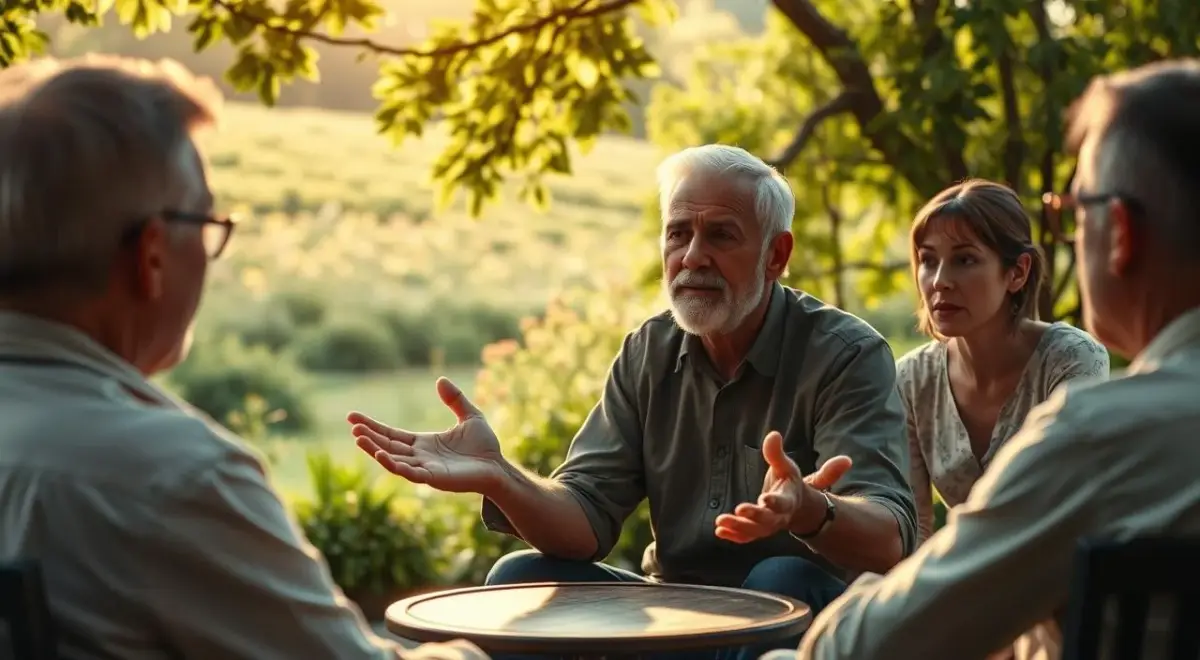 The stories of those who overcame the fear of death are very inspiring. They show how self-knowledge and emotional support are essential. Many said that fear made them grow and change.
Inspiring stories
Some examples can inspire us to overcome our fears. People with serious illnesses have learned to value life. They have learned to appreciate family and dedicate themselves to personal projects. These stories not only help those who are afraid, but they also show the importance of facing death with courage and love.How self-knowledge changed their lives
Self-knowledge was a great ally for those who overcame their fear. Many said that therapy and moments of reflection helped. They gained a better understanding of their feelings and values. This change in perspective led them to see death as part of life. This resulted in more conscious and important decisions.Valuable lessons
The lessons in these stories are very powerful. Death can be seen as a chance to live better. They show that fear can be transformed into self-knowledge and purpose. Each story teaches about love, gratitude, and the importance of enjoying every moment.Strategizing your personal journey
 Transforming the fear of death into self-knowledge can change your life. First, set clear goals that show what you want. This helps create a plan for growth.
Defining clear objectives
Having clear goals provides direction and purpose. Clear objectives help you focus on what really matters. Think about what you want to achieve, whether it’s in your emotions, work, or spirituality .Creating a personal development plan
A good development plan includes practical steps to achieve your goals. Add activities that help you get to know yourself better, such as meditating or reading. Each action should help you reach your goals.Monitoring your progress
Monitoring your progress is essential to staying on the right track. Review your achievements and adjust your plan when necessary. This helps you feel accomplished and maintains your motivation.| Step | Description | Expected Result |
|---|---|---|
| Defining Objectives | Identify what you want to achieve. | Clear and achievable goals |
| Planning | Create a detailed plan with best practices and deadlines. | Framework for personal development |
| Monitoring | Regularly review your goals and progress. | Adjustments to ensure the plan’s effectiveness. |
Resilience as a response to fear.
Resilience helps overcome adversity. It is essential for facing the fear of death. By developing emotional resilience , we face death with greater strength. This skill transforms vulnerability into strength, allowing us to confront fear in a healthier way.What is resilience?
Resilience is the ability to cope with stress and adversity. It maintains emotional well-being. This capacity can be developed through practices of self-awareness and emotional regulation. In the face of the fear of death, resilience helps us to restructure and strengthen ourselves.Developing emotional resilience
It is important to develop emotional resilience . Some strategies include:- Self-care practices, such as meditation and physical exercise.
- Cultivate healthy relationships that provide emotional support.
- Reflect on past experiences and learn from them.
- Seek psychological support when necessary.
Success stories
Stories of people who have overcome the fear of death are inspiring. They show how resilience can change lives for the better. For example, people who have faced great losses often find a new purpose. They dedicate themselves to altruistic causes or projects that improve collective well-being. Emotional resilience not only diminishes fear but also brings a new purpose.The importance of social support
Social support is very important in overcoming the fear of death. Having people by our side makes a big difference. Creating a strong support network helps to share fears without fear of judgment.Building a support network
A good support network includes friends, family, and professionals. It’s essential to find people who understand and accept our emotions. Talking to them frequently strengthens this support.The role of family and friends
Family and friends are sources of emotional support. They know us well and offer comfort. Sharing with them strengthens our bonds and helps us face fear.Support groups and meetings
Support groups create a sense of community. Everyone there faces similar challenges. These gatherings encourage emotional and spiritual growth. Support groups are a place to discuss the fear of death. They also help with healing and self-discovery.Resources and recommended readings
Many resources help to cope with the fear of death. Books on the subject provide valuable insights. Documentaries and podcasts showcase the experiences of others. Online communities are a safe space to share and receive support.Books about fear of death
- Death is a Day Worth Living by Nando Moura
- How Philosophers Die by Paul M. Churchland
- The Last Days of a Man (unavailable)
Documentaries that address the topic.
- Before Departure – A look at life and death
- What is Death? – An exploration of beliefs surrounding death.
- Two Sides of Death – Experiences of people who have had near-death experiences.
Support websites and online communities
- Fear of Death Support Group on Facebook
- Life and Death Forum
- Support Community on Reddit
Final thoughts: be the protagonist of your life.
We explored the fear of death and how it can help us get to know ourselves better. We discussed the definition of fear and the importance of self-knowledge. We also showed how facing this fear can change our lives. We shared practical tips and the role of social support in this process. Now, you might be thinking: what do I do now? The first step is to get to know yourself better. Facing fears is courageous and can open doors to what you’ve always wanted. Be the protagonist of your life , cultivating self-compassion and openness to new experiences. The time to act is now! Every small step helps in your personal transformation . Allow your fears to guide you, like an ally that shows your inner strength. Action against fear is possible and necessary for a fuller life.🌟 Have you considered seeking a therapist to support your well-being journey?
If this article sparked reflections about positive changes in your life, perhaps now is the ideal time to take the next step. Do you know hypnosis as a therapeutic tool? This approach can be surprisingly effective for various personal challenges.
Special offer: Book a free 20-minute consultation with therapist Fabio Morus and discover how therapy can transform your life.
✨ No commitment — Completely free — 20 minutes that can make a difference
👉 Click here to book your free consultation
Don't postpone your well-being any longer. The first step to change is just one click away.