
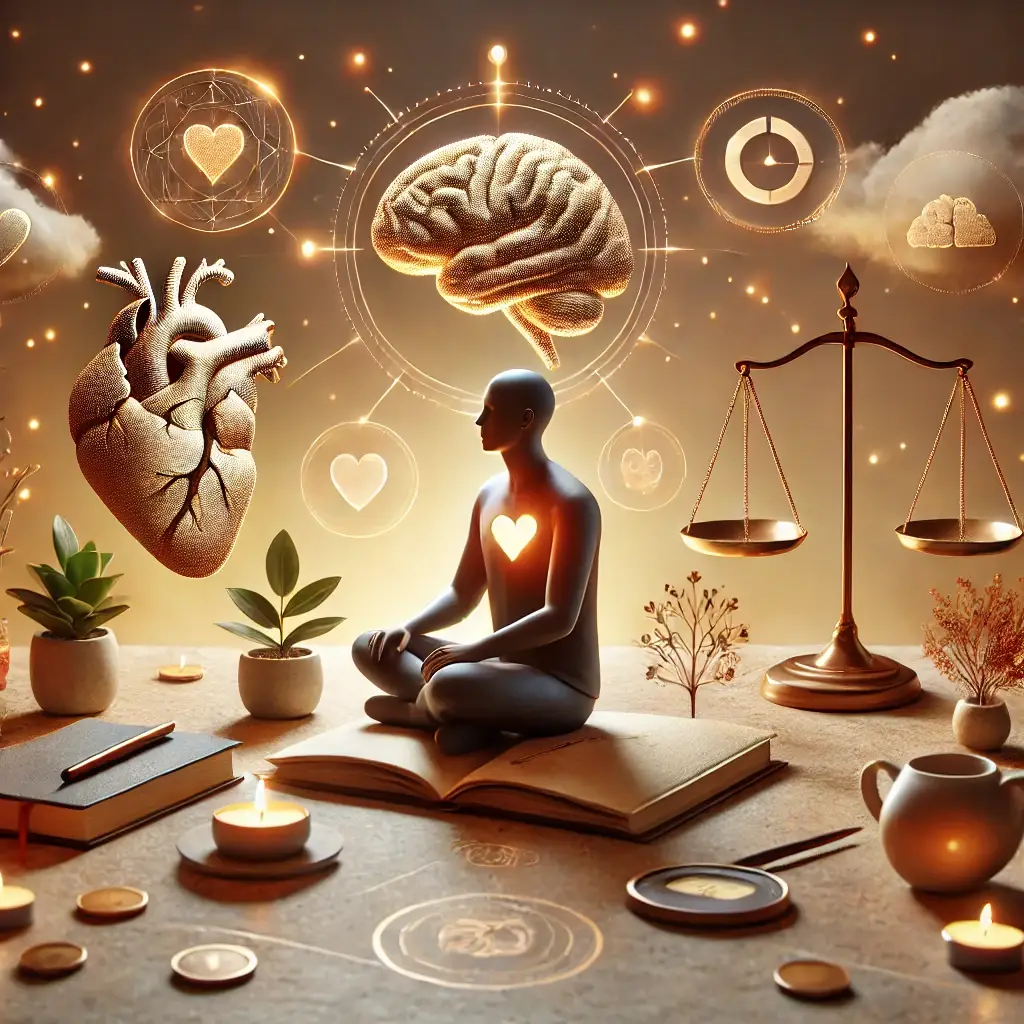

Understanding Emotional Health
Emotional health is about the well-being of our mind and heart. It's about knowing how to deal with feelings, building strong bonds with friends, and facing life without losing balance. If you are emotionally well, life becomes lighter, and your physical health can thank you for it too.
Let's delve a little deeper into this whole emotional health thing:
- Self-awareness: It's about truly knowing yourself, understanding what you feel.
- Self-control: Controlling emotions and not doing anything foolish.
- Social Skills: Making and maintaining cool friendships.
- Empathy: To put yourself in someone else's shoes and feel what they feel.
| Things about Emotional Health | What is that |
|---|---|
| Self-awareness | To understand what's going on inside yourself. |
| Self-control | To keep your emotions in check. |
| Social Skills | maintain good friendships |
| Empathy | To feel together with others |
Why Emotional Development is Fundamental
Developing your emotional side helps you deal with nerves, bad days, and emotional struggles. It's about growing from head to toe, becoming strong enough to face life's twists and turns.
If someone is struggling with emotional problems, understanding the value of self-knowledge is the first step. Knowing what motivates you is key to improving your mental health.

The positive aspects of emotional development are:
- A Better Life: By managing emotions well, everything flows more easily and pleasantly.
- Less Anxiety and Stress: Knowing yourself well helps to leave nervousness behind.
- Better Relationships: Positive emotions lead to truer and more lasting friendships.
For more tips on self-discovery, check out our article on self-awareness practices . And for those who want to dive into mindfulness, there's a great article on mindfulness that helps to calm the mind.
Having faith in emotional growth means investing in a more balanced and fulfilling life, facing life's challenges with greater determination.
Strategies for Emotional Development
Cultivating our emotional side is like tending a garden: it requires patience, attention, and a touch of self-love. With a few well-intentioned tips, anyone can blossom and become a "zen master" of emotions.
Practices of Personal Understanding
Knowing yourself is more than looking in the mirror: it's understanding what's really going on behind the scenes. Having this clarity makes life easier, helps avoid emotional pitfalls, and allows you to make decisions that are more aligned with what truly matters.
Some ways to get to know yourself better:
- Journaling : Think journaling is just for teenagers? Think again! Writing down feelings and events is great for clearing your thoughts.
- Meditation and Mindfulness : Here, the key is to stop, breathe, and observe. A mental pause allows space to understand everything without stress.
- Regular Self-Assessment : How about some online tests? They can reveal interesting patterns of behavior.
- Tips from Friends : Sometimes, a friend can point out something you hadn't noticed about yourself.
Curious to learn more about these tips? Check out our complete article on self-awareness practices.
Emotional Regulation Techniques
Controlling our emotions can prevent us from exploding like an old train chimney. It's possible to navigate emotional storms without losing our composure.
Here are some tips for dealing with emotional turmoil:
- Deep Breathing : Inhale, exhale. Repeat. It seems simple, but it's a great remedy against the stresses of everyday life.
- Physical exercise : Besides ensuring good physical shape, it releases endorphins that make anyone happier.
- Cognitive Behavioral Therapy (CBT) : This is like a mental cleansing, getting rid of strange ideas and bringing in healthier thoughts.
- Mindfulness : In addition to helping you get to know yourself better, this practice brings that much-desired balance.
Take a look at the table with the tools and their superpowers:

| Technique | Benefit |
|---|---|
| Deep Breathing | Less stress and anxiety |
| Physical Exercises | Instant joy |
| Cognitive-Behavioral Therapy | Thoughts under control |
| Mindfulness | Mental and emotional peace |
Want to better understand why self-knowledge is so important? Take a look at our other article on the importance of self-knowledge .
We hope these tips help plant the seeds for more robust emotional development, offering a practical and accessible perspective for all who wish to become more balanced and happy.
Accepting and Expressing Emotions
Dealing with Negative Feelings
Navigating negative feelings is an important skill in emotional growth. Emotions like sadness, anger, and frustration are normal in life and, instead of being ignored, they deserve to be understood and worked through in a healthy way.
To cope with these feelings, it's helpful to:
- Identifying and naming the emotion : Knowing exactly how you feel is the beginning of everything. Instead of saying "I'm on edge," how about "I'm anxious about work"?
- Think about why this is happening : Ask yourself "Why this feeling?" This will help you uncover the root of the problem and how to solve it.
- Talking about your feelings : Sharing with someone close can take a weight off your chest.
| Ways to Deal with Emotions | What is it? |
|---|---|
| Chat with Experts | Talk to a therapist, psychologist, or counselor. |
| Breathing Techniques | Perform deep or diaphragmatic breathing. |
| Move your skeleton. | Exercises such as walking, yoga, or sports. |
| Emotional Diary | Writing about what's going on daily |
Want to learn more about how to better understand your emotions? Check out our article on self-awareness practices.
Encouraging Positive Emotions
Nurturing positive feelings is just as important as dealing with negative ones. Emotions like joy, gratitude, and love contribute to our well-being and make us emotionally stronger.
How to lift spirits:
- Always be grateful : Write down at least three good things in your life in a journal every day.
- Practicing empathy : Thinking about how others feel creates healthy emotional connections.
- Do something that makes you feel good : Take some time for hobbies, listen to your favorite music, or spend time with friends.
| Tips for Positive Emotions | Description |
|---|---|
| Mindfulness | Meditation to focus on the here and now. |
| Volunteer Work | Helping others always feels good. |
| Gratitude | Practice the habit of gratitude every day. |
| Connection with Nature | Walks in parks or in nature are good for the soul. |
These practices are good for our mood and help maintain emotional balance. Discover more about how mindfulness can help you understand yourself better in our article on mindfulness for self-knowledge.
Understanding and dealing with both negative and positive emotions makes us stronger to face the emotional challenges life brings. This balance is essential for our emotional growth. Want more tips? Dive into our other sections on the importance of self-awareness.
Relationships and Emotional Development
We all know that our relationships with the people around us are like a mirror of our emotions. These connections play a crucial role in how we feel daily, shaping our emotional balance.

Influence of Interpersonal Relationships
When we think about emotional growth, it's impossible to ignore the importance of our relationships. Living surrounded by good people, like family, friends, or colleagues, creates a welcoming and motivating environment. But if we make the mistake of accumulating toxic people around us, the result is invariably stress and damaged emotional well-being.
| Type of Relationship | What Helps | What's the problem? |
|---|---|---|
| Family | That cuddle and security | Constant fights and arguments |
| Friends | Being part of the group, having fun | Gossip and jealousy |
| Work Colleagues | Teamwork, partnerships | Disagreements and unnecessary disputes |
Empathetic and Assertive Communication
We don't live alone, so speaking the same language helps a lot! Clear and empathetic communication is the secret to good relationships. Empathy is putting yourself in someone else's shoes and understanding their pain. Assertiveness gives us the courage to honestly show what we feel.
Elements of Empathic Communication:
- To truly listen: To be present when someone shares something.
- Respecting feelings: Knowing how to recognize the emotion behind the words.
- Show understanding: Prove that you got the message correctly.
Elements of Assertive Communication:
- Transparency: Speak clearly, without beating around the bush.
- Respect is essential: both for oneself and for others.
- Middle ground: Finding the balance when communicating.
Our emotional well-being can only benefit when we learn to communicate better. Want to know how to dive headfirst into self-knowledge? Take a look at our article on self-awareness practices.
By focusing on sharp communication and nurturing genuine bonds, we build an emotional foundation that is practically bulletproof, helping us to deal with life's challenges with much more peace of mind.
Emotional Balance: How to Find Your Point of Peace
Finding emotional balance is largely about managing anxiety and putting an end to daily stress. Let's chat about some tips and tricks that can be the extra help you need on this journey.
Relaxation and Mental Control
Taking some time to relax is the best trick to keeping your head in the right place. Things like meditating and practicing mindfulness are like an emotional spa. They make us look inward and help us to control our emotions when they try to take over.
Meditation
This meditation technique is like taking a leisurely stroll through your own mind. There are many types out there, but they all aim to improve our emotional balance.
| Type of Meditation | What is it for? |
|---|---|
| Mindfulness Meditation | It increases mindfulness and reduces that unnecessary state of alertness. |
| Transcendental Meditation | It provides great stress relief and fills you with calm. |
Check out our conversation about mindfulness and self-awareness if you'd like to learn more.
Breathing to De-stress
Focusing on your breathing is another trick that helps keep stress under control and clear your mind. Techniques like diaphragmatic breathing or alternating nostrils calm the mind like magic.
Extras for Emotional Well-being
In addition to relaxation, there are several other techniques to help with emotional well-being.
Therapies that Help
The search for balance isn't just about meditation. Art therapy and music therapy have been saving people, helping them understand and express their feelings.
| Type of Therapy | How to Help |
|---|---|
| Art Therapy | Emotions become works of art, expressed without fear. |
| Music therapy | Music cares for the heart and mind. |

Personal Diary
Writing about life is a great tool for better understanding one's own emotions. Putting feelings on paper helps to process and sort out emotional clutter.
Nature is Life
Taking some time outdoors, whether it's for a walk or tending to plants, is good for the soul and helps relieve emotions.
Interested in learning more about self-knowledge and emotional well-being? Check out our article on self-awareness practices.
These tips are helpful, but never rule out seeking professional help when things get tough.
How about scheduling a free 20-minute session with Therapist Fabio Morus? He can help you take the first step towards a lighter and more balanced life. Click here to schedule!
🌟 Have you considered seeking a therapist to support your well-being journey?
If this article sparked reflections about positive changes in your life, perhaps now is the ideal time to take the next step. Do you know hypnosis as a therapeutic tool? This approach can be surprisingly effective for various personal challenges.
Special offer: Book a free 20-minute consultation with therapist Fabio Morus and discover how therapy can transform your life.
✨ No commitment — Completely free — 20 minutes that can make a difference
👉 Click here to book your free consultation
Don't postpone your well-being any longer. The first step to change is just one click away.