
Modern life is fast-paced, and we often neglect our mental health . This leads to stress and anxiety. Taking care of your mind is just as important as taking care of your body.
There are many ways to improve mental health . Psychology offers several tools for this. Let's see how you can feel better and live a more balanced life.
What is mental health?
https://www.youtube.com/watch?v=a-_VmBPM6t8
Mental health is very important for our well-being. It's not just about not having mental illnesses. It's a state of emotional and psychological balance.
This helps us face the challenges of everyday life. It also allows us to maintain healthy relationships and be productive at work and in our personal lives.
The definition of mental health goes beyond clinical conditions. It involves how we think, feel, and act in different situations.
Definition of mental health
The definition of mental health includes emotional, psychological, and social aspects. These aspects affect our behavior. They help us cope with stress.
We develop interpersonal skills. And we contribute to the community around us. Having balanced mental health is essential for a fulfilling life.
The importance of mental health.
The importance of mental health is immense. In times of uncertainty, such as the COVID-19 pandemic, many people faced challenges. Taking care of mental health became an urgent need.
This improves our quality of life. It empowers us to perform daily activities with more confidence and energy. And it promotes a more harmonious collective environment .
Signs of mental health problems

Identifying signs of mental health problems is very important. Often, we don't realize we're having problems. But being attentive can change everything.
Symptoms such as sadness, anxiety, irritability, and changes in appetite are signs. They show us that something may be wrong. It's time to investigate further what's happening in our minds.
Common symptoms
Common symptoms of mental health problems include:
- Feelings of sadness and hopelessness
- Excessive anxiety or worry
- Irritability and mood swings
- Difficulty concentrating
- Changes in sleep and appetite patterns
When to seek help
It's essential to know when to seek help . If symptoms last more than a few weeks, it's time to seek help. Talking to a therapist is an important step.
The World Health Organization (WHO) says that about 10% of the population faces these problems. Don't be afraid to seek help. Your well-being is very important.
Difference between mental health and mental illness

Understanding the difference between mental health and mental illness is essential. Mental health is about feeling well emotionally and having good social relationships. Mental illness, on the other hand, refers to specific problems that affect the mind and behavior. Knowing this helps combat stigma and prejudice.
Basic concepts
Basic concepts about mental health and mental illness are important. Mental health is a positive state where one copes well with challenges and maintains good relationships. On the other hand, mental illness is a challenge that can diminish quality of life. Often, it is believed that mental health means constant happiness, which is not true.
Clearing up misconceptions
It's crucial to clear up misconceptions about mental health. Feeling sad or stressed doesn't mean you have a mental illness. It's normal to experience lows, and recognizing them is part of taking care of your mental health. The difference between mental health and mental illness isn't about not having problems. It's about how we deal with them and seek help when needed.
| Aspect | Mental health | Mental Illness |
|---|---|---|
| Definition | State of emotional and psychological well-being | Disorders that affect the mind and behavior |
| Examples | Resilience, self-esteem, social skills | Anxiety, depression, schizophrenia |
| Approach | Promotion and self-care | Clinical treatment and therapeutic support |
| Impact on life | Strengthens relationships and productivity. | It can limit daily activities and relationships. |
The impact of mental health on daily life.

Mental health is very important to our lives. It affects how we relate to others, our work, and our social life . Having good emotional balance helps to create strong bonds and do things effectively.
Personal relationships
Good mental health leads to healthier personal relationships . This is because it allows us to communicate better and be more empathetic. On the other hand, mental health problems can cause stress and isolation.
Therefore, how we relate to others depends a great deal on our mental health.
Job performance
Work performance is also affected by mental health. Those who take care of their emotional health are more productive and creative. A balanced mind helps solve problems more efficiently.
However, stress or anxiety can significantly impair performance. This highlights the importance of having psychological support.
Social life
Social life reflects our mental state. Having good social interactions strengthens ties with the community. But if mental health is poor, we may feel more alone.
Seeking support and taking care of mental health is essential for having a healthy social life .
Factors that affect mental health
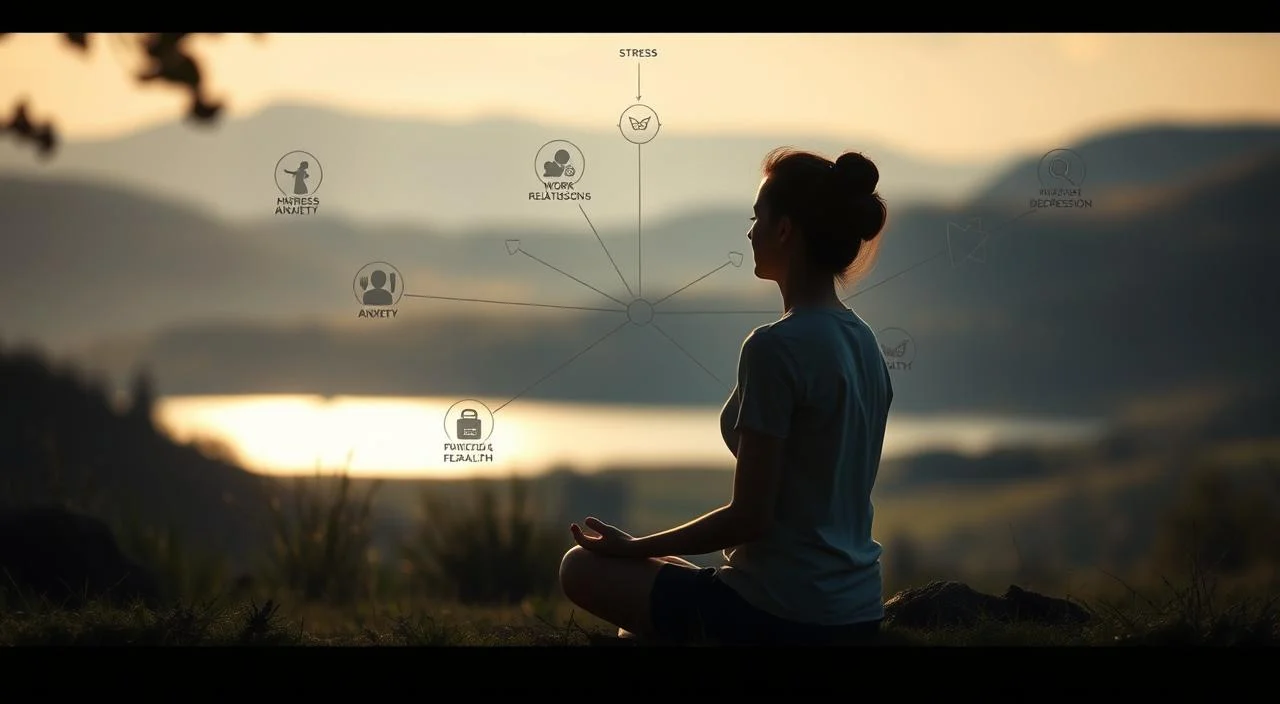
Mental health is very important for our well-being. It is influenced by several factors, including genetics , environment , and stressful experiences. Understanding these factors helps maintain emotional balance.
Genetics and biology
Genetics can greatly influence mental health. Some conditions can be inherited, increasing the risk. Each person's biology also affects how they react to situations, impacting their emotional well-being .
Environment and social context
The environment and social context are very important for mental health. A positive family environment and social support help protect mental health. On the other hand, toxic environments can worsen emotional difficulties.
Stressful events
Stressful events , such as the loss of a loved one, greatly affect mental health. These moments can cause a great emotional burden. It is essential to cope with these events to maintain balanced mental health.
| Factors | Impact on mental health |
|---|---|
| Genetics | Predisposition to mental conditions |
| Environment | Protection or risk depending on social relationships. |
| Stressful events | Generating emotional stress and adaptive challenges |
Strategies to promote mental health

Maintaining good mental health is essential for a happy life. This includes exercising, eating well, and practicing mindfulness. These actions improve our emotional well-being and help us live better lives.
Physical activities
Exercise is very important for mental health. When we exercise, our bodies release endorphins, which make us feel happy. Sports and walking help combat anxiety and depression, connecting body and mind.
Healthy eating
Eating well is crucial for proper brain function. We should eat fruits, vegetables, whole grains, and lean proteins. This increases our energy and improves mental health. Balanced diets help reduce anxiety and maintain emotional equilibrium.
Mindfulness practices
Practicing mindfulness, such as meditation, helps you stay in the present moment. These practices bring inner peace and help control emotions. Meditating a little every day helps maintain emotional balance and reduce stress.
Adopting these strategies is an important step towards improving mental health. Living an active, balanced, and mindful life makes all the difference in our daily well-being.
Therapies available to improve mental health

There are many ways to take care of your mental health. It's important to know what options are available. Each one can help in different ways.
Psychotherapy
Psychotherapy is widely used and very helpful. It's a conversation with a professional to better understand behavior. It helps to find new ways to deal with problems.
Medications
In serious cases, such as depression or anxiety, medication is important. It helps to balance the brain. But always under the guidance of a specialist.
Alternative therapies
Therapies like acupuncture, yoga, and meditation are growing in popularity. They help care for both body and mind. They're great for feeling better and relaxing.
| Type of Therapy | Advantages | Considerations |
|---|---|---|
| Psychotherapy | Promoting self-awareness and coping techniques. | It requires commitment and time to achieve effective results. |
| Medications | Fast relief from physical and emotional symptoms. | Medical supervision is required for dosage adjustment. |
| Alternative therapies | Encourages relaxation and reduces stress. | They may not be recognized as primary treatment; consultation with a doctor is recommended. |
The role of the family in supporting mental health.

Family is very important for the mental health of its members. With open communication , everyone feels safer to talk about their feelings. This creates an environment where relationships are strengthened.
Empathy is essential. It helps us understand each other's experiences. This makes the family environment more harmonious and welcoming.
Open communication
Open communication is fundamental to emotional well-being. When everyone can talk about their concerns, they feel less alone. This helps to identify problems early and solve them together.
Understanding and empathy
Having empathy is crucial for validating everyone's emotions. Understanding what others feel helps to find solutions together. This way, the family can support each other more during difficult times.
This not only strengthens bonds, but also makes the home an emotionally healthy place.
The importance of self-care.
Self-care is taking care of ourselves physically, emotionally, and mentally. Understanding its importance helps maintain mental health. Practicing self-care improves our well-being and makes life worth living.
What is self-care?
Self-care is about knowing what we do well. It's about listening to our body and mind. It's also about knowing when to stop and do things that make us happy.
Examples of self-care practices
Practicing self-care can be different for everyone. Here are some tips that help many people:
- Set aside some time for yourself each day.
- Engage in activities that bring pleasure, such as hobbies and sports.
- Maintain a healthy and balanced diet .
- Regular exercise helps combat stress.
- Meditate or practice yoga to improve focus and tranquility.
How to deal with anxiety
Anxiety is something everyone experiences from time to time. To cope with it effectively, it's important to understand its causes. This allows people to better understand their emotions and find ways to manage them.
Identifying triggers
Discovering what triggers your anxiety is an important step. It could be something simple, like a social situation or a challenge at work. Knowing what makes you feel anxious helps you find ways to cope with those moments.
Breathing and relaxation techniques
Breathing techniques are very useful for combating anxiety. Practicing deep breathing can calm the nervous system. Combined with relaxation exercises, these techniques are very helpful during difficult times. Doing these exercises daily can improve your mental state and reduce anxiety.
Understanding depression
Depression is a mental condition that affects emotions, thoughts, and behaviors. Understanding depression is essential to recognizing its symptoms and seeking treatment. Each person experiences depression uniquely, with symptoms varying in intensity and duration.
Symptoms and types
Symptoms of depression include persistent sadness, loss of interest in things one used to enjoy, changes in sleep and appetite. They also include feelings of worthlessness and hopelessness. There are several types of depression, such as:
- Major depression: episodes of intense sadness that last for weeks or months.
- Dysthymia: persistent depression that lasts for years, with less severe symptoms.
- Postpartum depression: occurs after childbirth and can affect the new mother emotionally.
Effective treatments
Effective treatments vary depending on the severity and type of depression. The main options are:
- Psychotherapy : helps to understand and deal with emotions and behaviors.
- Medications : Antidepressants help balance the chemicals in the brain.
- Self-care techniques, such as physical exercise, healthy eating , and mindfulness practices , can complement professional treatment.
The role of mental health education.
Mental health education is very important. It helps create a healthier society. It's essential to understand the importance of taking care of one's mind from an early age.
This education helps prevent mental illness. Children and teenagers should learn how to manage their emotions.
What should be taught?
The school curriculum should include topics on mental health. Some important areas are:
- Recognition of emotions and feelings.
- Self-care and emotional hygiene practices .
- The importance of asking for help and seeking support when needed.
- Strategies for dealing with stress and anxiety.
Programs in schools
Programs focused on mental health are effective. They help reduce stigma and create a supportive environment. They include:
- Workshops on mental health for students and teachers.
- Support groups and classroom discussions.
- Integration of mental health professionals into the school environment.
- Activities that encourage empathy and solidarity among students.
These actions educate and create a safe space. Young people can express their concerns and seek help. Mental health education in schools greatly contributes to the emotional health of children and adolescents.
Stigma surrounding mental health
Stigma in mental health is a major challenge. It hinders the search for help and treatment. Recognizing the stigma is crucial to begin overcoming it.
Recognizing the stigma
Recognizing the stigma is the first step in combating it. It manifests in negative comments and a lack of empathy. People may feel ashamed and isolated.
Education helps to demystify these ideas. Understanding mental disorders shows that we are not alone.
Fighting prejudice
To change society's view of mental health, we must combat prejudice. Campaigns and social movements are important. Open conversations and personal stories help to humanize the topic.
A culture of acceptance and understanding is essential. It reduces stigma and encourages treatment.
Benefits of group therapy
Group therapy helps many people find emotional support. It creates a place to share experiences. In addition to support, it offers a space to learn and grow together.
What to expect from group therapy?
In group therapy, people connect with others going through similar situations. This creates a safe environment for open conversation. Members listen and give feedback, helping to build empathy and see problems anew.
Advantages compared to individual therapy
Group therapy has advantages. One of them is the chance to see different perspectives. In addition, it's cheaper than individual therapy . This helps you feel less alone, as people connect and feel a sense of belonging.
| Aspects | Group therapy | Individual therapy |
|---|---|---|
| Cost | Generally more affordable | It costs more per session. |
| Diversity of perspectives | High | Limited to a single perspective |
| Sense of belonging | Yes, sharing experiences. | Less social interaction |
| Collective learning | Yes, peer feedback. | Individualized focus |
These comparisons demonstrate the advantages of group therapy . Therefore, it is a good option for changing and improving emotional well-being.
Resources available in Brazil
Brazil has many resources for those who need psychological help. Public health services offer free or inexpensive care. This helps many people access help.
Public health services
Public health services are essential. They have clinics, hospitals, and psychosocial care centers. There, you can find therapy, medication, and group support.
NGOs and support groups
NGOs and support groups are also very important. They offer shelter, information, and emotional support. They hold meetings, lectures, and activities to help create a support network.
| Resource Type | Description | Examples |
|---|---|---|
| Public Health Services | Free or low-cost psychological care | Psychosocial Care Center, Basic Health Units |
| NGOs | Emotional and psychological support through groups and meetings. | CVV (Center for Life Appreciation), Institute of Applied Psychology |
| Support Groups | Sharing experiences and providing support. | Support groups for drug addicts, groups for family members of people with mental illnesses. |
The future of mental health.
The future of mental health is changing rapidly. This is due to new innovations that improve access to and the quality of services. Technology is at the heart of these changes, revolutionizing how we care for our mental health.
Emerging trends
Care practices are shifting to focus more on the individual. Virtual therapy, for example, makes treatment more accessible. Positive Psychology is also important, helping to strengthen emotions and well-being.
These trends help people of all ages seek help. This makes care more inclusive and effective.
The role of technology
Technology is essential for changing mental health. Apps and online platforms make sessions easier. This allows people to connect with professionals quickly.
This accessibility is crucial for the future of mental health . It ensures that more people have the resources to cope with emotional challenges. Technology will continue to be important for efficient and personalized care.
Conclusion: The importance of continuous care
This article discussed mental health extensively. We highlighted the importance of self-care, social support, and education. Clearly, caring for one's mind is an ongoing process that must be done every day.
Taking care of mental health involves making conscious choices. This helps prevent problems and improve our well-being. Therefore, it is essential to take care of our minds every day.
We want to create a society that values mental health. Let's do this together, taking care of each other. By taking care of yourself and seeking help, you help create a better place for everyone.
Text about mental health
Mental Health: A Forgotten Pillar of Well-being
In a society marked by haste, productivity, and constant digital connections, talking about mental health has gone from being taboo to an urgent matter. Even so, many ignore the signs of emotional exhaustion, treating the mind like a machine that can never fail. The importance of mental health goes far beyond the absence of illness—it is directly linked to how we deal with life, others, and ourselves.
For a long time, mental health was neglected in the name of appearing strong and resilient. Expressions like "swallow your tears" or "that's just being dramatic" shaped generations who learned to silence their emotional pain. However, science and experience have shown that problems such as anxiety, depression, and burnout syndrome are as real as any physical condition. According to the WHO, Brazil leads the ranking of anxiety in Latin America, reinforcing the need to discuss the topic seriously.
School, work, and even homes should be environments that promote emotional well-being. Unfortunately, these very spaces are often the main triggers for psychological distress. Lack of dialogue, excessive demands, and prejudice regarding mental disorders hinder early diagnosis and adequate support. It is necessary to invest in public policies, professional training, and educational campaigns that normalize self-care and psychological support.
In conclusion, taking care of mental health is as essential as taking care of the body . Promoting emotional well-being should be a collective responsibility, starting with empathy and active listening. By strengthening the mind, we pave the way for a healthier, fairer, and more humane society. Because it's not enough to be alive—it's necessary to live with quality, presence, and meaning.
🌟 Have you considered seeking a therapist to support your well-being journey?
If this article sparked reflections about positive changes in your life, perhaps now is the ideal time to take the next step. Do you know hypnosis as a therapeutic tool? This approach can be surprisingly effective for various personal challenges.
Special offer: Book a free 20-minute consultation with therapist Fabio Morus and discover how therapy can transform your life.
✨ No commitment — Completely free — 20 minutes that can make a difference
👉 Click here to book your free consultation
Don't postpone your well-being any longer. The first step to change is just one click away.