

Have you ever wondered if that racing heartbeat is just anxiety or something more? Understanding the symptoms of tachycardia and when to seek medical attention is crucial. Tachycardia, with more than 100 beats per minute , can be alarming. It may resemble anxiety attacks , but it requires special attention.
Tachycardia can be a response to stress or health problems. It's vital to be aware of signs such as chest discomfort , shortness of breath , and others. They may indicate heart problems . Let's explore symptoms, causes, and what to do when they occur. For more information, see the full article on tachycardia symptoms 1 .
What is tachycardia?
Tachycardia occurs when the heart beats more than 100 times per minute. It can be caused by exercise, stress, or heart problems such as hypertension . The heart can have different types of tachycardia, such as sinus, ventricular, and atrial .
Sinus tachycardia can be a response to health problems. Ventricular tachycardia, on the other hand, can be serious and requires prompt attention, as it can lower blood pressure. Atrial tachycardia is usually transient and can be treated with vagal techniques.
Symptoms of tachycardia include palpitations , shortness of breath, and dizziness . Risk factors include heart disease, inflammation of the heart, and problems such as anxiety . Understanding tachycardia helps you know when to seek medical help to take care of your heart health.
https://www.youtube.com/watch?v=pzAkxgxDvhc
Causes of Tachycardia
Tachycardia occurs when the heart beats more than 100 times per minute. This can be caused by stress, strong emotions, and caffeine consumption. Smoking is also a risk factor, as it affects circulation and can cause tachycardia . High blood pressure is another important cause, as it puts pressure on the heart, leading to irregular heart rhythms.
There are different types of tachycardia, such as sinus, atrial, and ventricular. Sinus tachycardia has a regular rhythm. Atrial and ventricular tachycardia, on the other hand, are faster and can be dangerous to health.<sup> 4</sup>
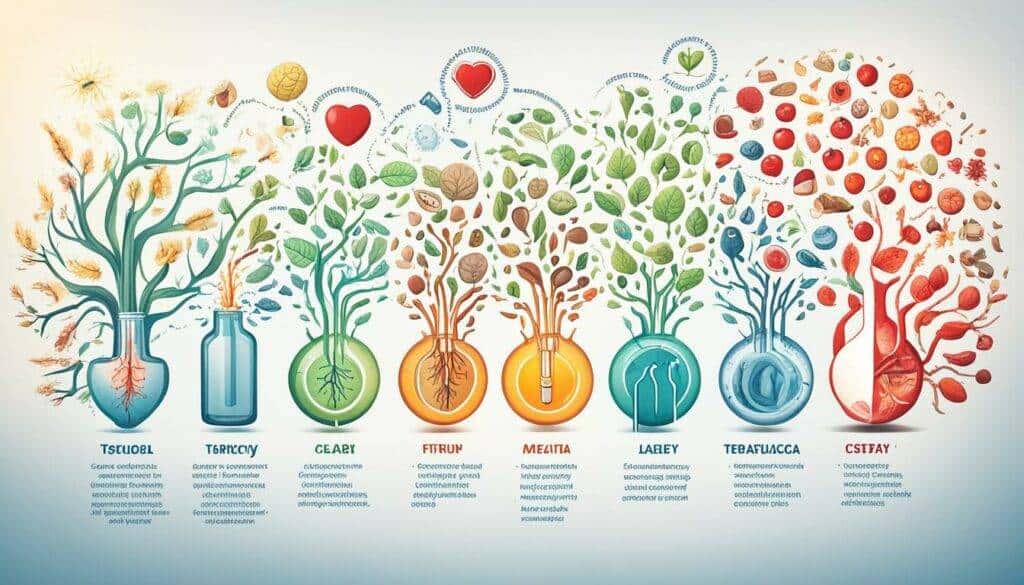
Understanding the causes of tachycardia helps in better treatment. Knowing the risk factors, such as smoking and hypertension, is crucial to avoid serious problems and take care of heart health.
Symptoms of Tachycardia
The symptoms of tachycardia can be very worrying. One of the main manifestations is palpitations . This happens when we feel our heart beating fast or irregularly. This sensation can generate anxiety and make us think about heart health problems.
According to recent data, about 60% of tachycardia cases involve palpitations . In addition, dizziness, fainting, chest discomfort, shortness of breath, and fatigue may occur.<sup> 6 </sup>
An accelerated heartbeat can occur in various situations. This includes intense physical exercise or moments of fright and tension . Generalized anxiety disorder (GAD) can last more than six months and brings symptoms such as palpitations and tachycardia .
It's important to be aware of other signs that may indicate a more serious problem. Risk factors for these palpitations include high blood pressure, excessive caffeine and alcohol consumption, and chronic emotional stress. These factors can cause the heart to race .
Consulting a doctor is crucial. Symptoms of tachycardia require specialized evaluation to determine the right treatment.
https://www.youtube.com/watch?v=VzilG8QLl3E
Elevated Heart Rate: What Does It Mean?
A heart rate above 100 bpm is called tachycardia. This can have several causes, and its meaning changes depending on the situation. In healthy adults, the normal heart rate ranges from 50 to 100 bpm . If it exceeds this limit, it is important to have a medical evaluation to understand the reason and the severity.
Stress, caffeine, smoking, and eating too much sugar can cause tachycardia. Some health problems, such as hyperthyroidism or heart disease, can also increase heart rate . It's important to keep an eye on this condition, especially if it occurs at rest or with symptoms like chest pain and shortness of breath.
Main Causes of Rapid Heart Rate
- Stressful situations
- Intense physical activity
- Consumption of stimulant drinks, such as coffee and energy drinks.
- Existing cardiovascular diseases
- Psychological disorders, such as anxiety and panic disorder.

Understanding what an accelerated heart rate means helps us to act correctly. If necessary, seek medical attention. This precaution is even more important for those with heart disease, as they are part of high-risk groups and should be attentive to symptoms of arrhythmias .
| Cause | Description |
|---|---|
| Stress | Increased adrenaline levels can raise the heart rate. |
| Physical exercises | Intense activity generates a need for more oxygen. |
| Caffeine | Stimulants can increase the heart rate. |
| Heart disease | Increased risk of arrhythmias and heart rhythm problems. |
| Psychological disorders | Anxiety can cause frequent palpitations . |
Diagnosis of Tachycardia
Understanding tachycardia is essential to finding the best treatment. The cardiologist uses necessary tests for this. The electrocardiogram (ECG) is one of them, very important to see how the heart functions when it is at rest. If the heart beats more than 100 bpm, this means tachycardia .
For more information, the doctor may order other tests. Magnetic resonance imaging (MRI) and 24-hour monitoring are examples. They help to understand why the tachycardia is occurring and how severe it is. These tests are crucial for choosing the right treatment.
Discovering the cause of tachycardia is crucial. It could be stress, thyroid problems, or too much coffee and alcohol . Knowing this helps in choosing the right treatment, which may involve lifestyle changes or medication.
https://www.youtube.com/watch?v=N-oByaTK57s
For a complete diagnosis, a detailed history, a physical examination, and the right heart tests are necessary. This ensures an accurate assessment and an appropriate course of action for each individual.
| Exam | Utility |
|---|---|
| Electrocardiogram | It identifies the heart rate and rhythm, which are fundamental for diagnosis. |
| Holter Monitoring | It assesses heart rate variability during everyday activities. |
| Magnetic Resonance Imaging (MRI) | Examines heart structures and identifies abnormalities. |
Treatment for Tachycardia
Treatment for tachycardia is very important for heart health. It may include various medication options to control heart rhythm and prevent arrhythmias. Sinus tachycardia can have a rate of 100 to 160 beats per minute . It is usually not a serious problem, but if symptoms worsen, it is advisable to seek medical help to see what medication options may help.<sup> 12</sup>
Drinking too much coffee, alcohol, or other stimulants can cause tachycardia. This can also happen to people with conditions like hypertension or thyroid problems. The doctor may suggest several options, such as vagal maneuvers or catheter ablation, to control the arrhythmias .
Common treatments include medications to control heart rhythm. The doctor adjusts the medications according to the symptoms and how the patient responds . This can improve the patient's life and reduce the risk of complications. See below for the main medication options used:
| Medication | Indication | Side Effects |
|---|---|---|
| Beta-blockers | Heart rate control | Fatigue, dizziness |
| Calcium channel blockers | Reduction in heart rate | Edema, headache |
| Antiarrhythmics | Prevention of tachycardia episodes | Nausea, vomiting |
| Digoxin | Improved heart function | Nausea, changes in vision |

How to Reduce Tachycardia?
Tachycardia occurs when the heart beats more than 100 times per minute. This can cause discomfort and worry. It's important to know how to relax to cope with it, especially when we are stressed or anxious.
A good strategy is to practice meditation and deep breathing. These techniques help to calm the body and mind.
To reduce tachycardia, it's good to avoid caffeine and alcohol, stop smoking, and eat well. Regular exercise also helps keep the heart healthy. Remember that conditions like heart failure can increase the heart rate by up to 200 bpm 14 .
Other ways to relax include using cold water, controlled breathing, and performing the Valsalva maneuver. Applying a cold compress to the neck or drinking calming teas can alleviate the symptom. These practices help maintain a normal heart rhythm during tachycardia . Learning about anxiety and depression can be helpful in understanding how to manage tachycardia.
https://www.youtube.com/watch?v=hi3dabtoA5o
If tachycardia lasts more than 30 minutes or comes with severe symptoms such as chest pain or shortness of breath, seek medical help immediately 15 .
Prevention of Tachycardia
To avoid tachycardia , it is essential to know what emotional triggers affect our heart. Recognizing stress and anxiety as triggers is an important step. Strong emotional events can make the heart beat faster, causing tachycardia. In addition, factors such as obesity and hypertension also increase the risk.<sup> 16 17 </sup>
To reduce these risks, there are several actions we can take. Here are a few tips:
- Engage in moderate, supervised exercise to maintain a healthy heart.
- Using relaxation techniques, such as meditation and yoga, to manage stress.
- Eat a balanced diet, full of fruits, vegetables, and whole grains.
- Avoid drinking too much alcohol and consuming too much caffeine, as these can trigger seizures.
- Seek emotional help, such as therapy or support groups, when needed.
These actions not only help prevent tachycardia but also improve our quality of life. Knowing how emotions affect our health allows us to make decisions that improve our well-being.

Conclusion
Tachycardia is a warning sign for our heart health. Symptoms of tachycardia can indicate serious problems. The heart should beat between 60 and 100 times per minute. If it beats faster, it's a sign that we need prompt medical attention. <sup>18 19 </sup>
Problems like sinus tachycardia can be caused by anxiety or exertion. It's important to pay attention to how we feel and to our bodies . Recognizing the symptoms of tachycardia early helps to treat it better, preventing future problems.
If we notice changes in our heart rhythm, we should seek medical help. It's important to understand what's causing it and take steps to prevent problems. This keeps the heart healthy and helps us live better. <sup>19</sup>
FAQ
What are the symptoms of tachycardia?
Symptoms of tachycardia include palpitations and a feeling of rapid heartbeat. Shortness of breath, dizziness, or fainting may also occur.
What is tachycardia?
Tachycardia means more than 100 beats per minute . It can be caused by exercise or heart problems.
What can cause tachycardia?
Tachycardia can be caused by stress, strong emotions, or conditions such as hypertension. Excessive use of caffeine or alcohol can also contribute. Risk factors such as smoking are also important.
How is tachycardia diagnosed?
To diagnose tachycardia, tests such as electrocardiograms and Holter monitoring are used. They help to understand the severity and the cause.
What are the treatment options for tachycardia?
Treatment may include medication to control heart rhythm. Relaxation strategies and lifestyle changes are also recommended.
How can we reduce tachycardia in stressful situations?
To reduce tachycardia, relaxation techniques such as meditation and deep breathing are helpful. They help to calm the heart.
What are the emotional triggers that can lead to tachycardia?
Strong emotions like stress and anxiety can cause tachycardia. It's important to recognize and manage these emotions to prevent crises.
When should we seek medical attention for tachycardia?
If you experience symptoms such as frequent palpitations, chest pain, or shortness of breath, seek medical help immediately. This is very important.
🌟 Have you considered seeking a therapist to support your well-being journey?
If this article sparked reflections about positive changes in your life, perhaps now is the ideal time to take the next step. Do you know hypnosis as a therapeutic tool? This approach can be surprisingly effective for various personal challenges.
Special offer: Book a free 20-minute consultation with therapist Fabio Morus and discover how therapy can transform your life.
✨ No commitment — Completely free — 20 minutes that can make a difference
👉 Click here to book your free consultation
Don't postpone your well-being any longer. The first step to change is just one click away.